Yard waste and brush disposal for branches, leaves, shrubs, sod and clippings, with a container sized for bulk and tips for clean loads.
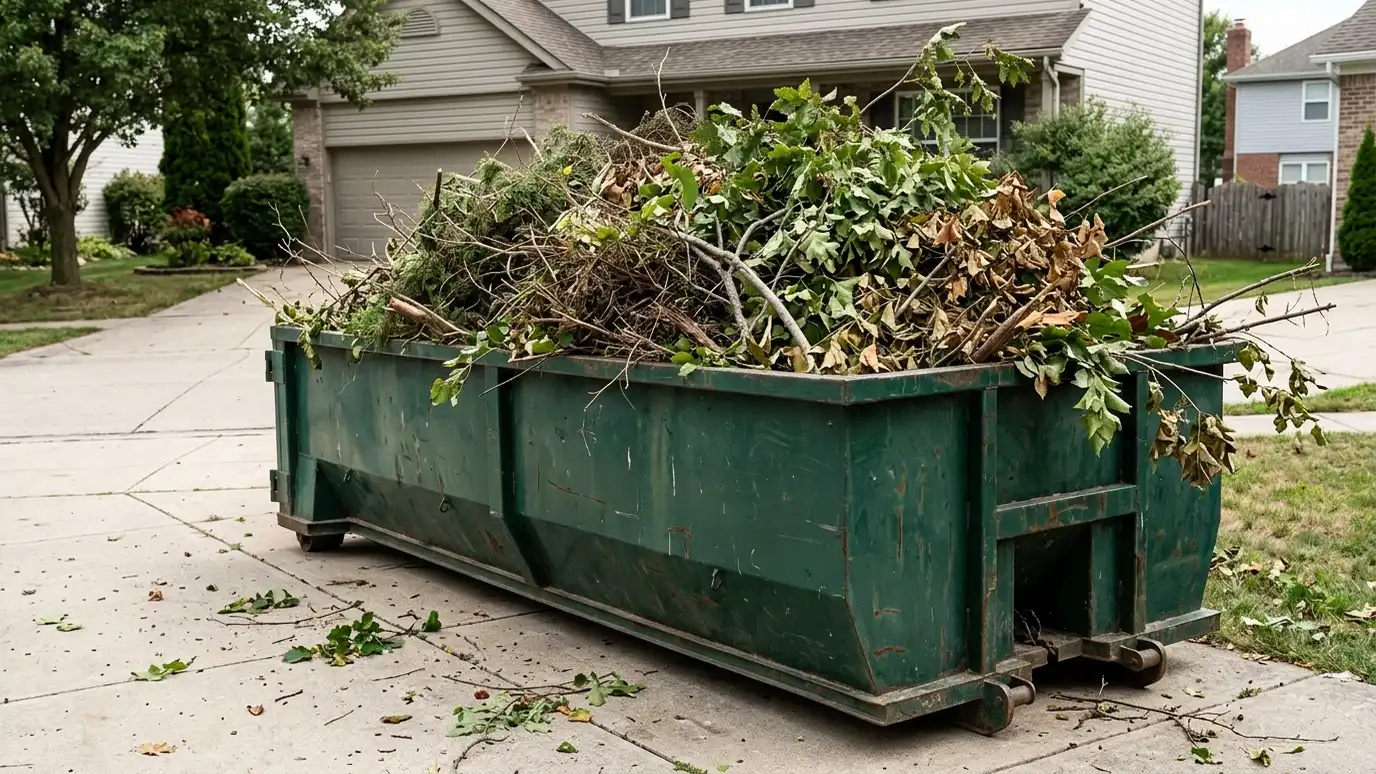
Branches, leaves, shrubs and sod pile up fast in a busy season, and they are bulky even when they are light. A roll-off dumpster gives you a place to put it all, so you do not have to bag every leaf or make dozens of trips. In Nashville, where trees drop plenty each fall and storms add to the pile, a fifteen or twenty-yard container is a handy tool for the yard.
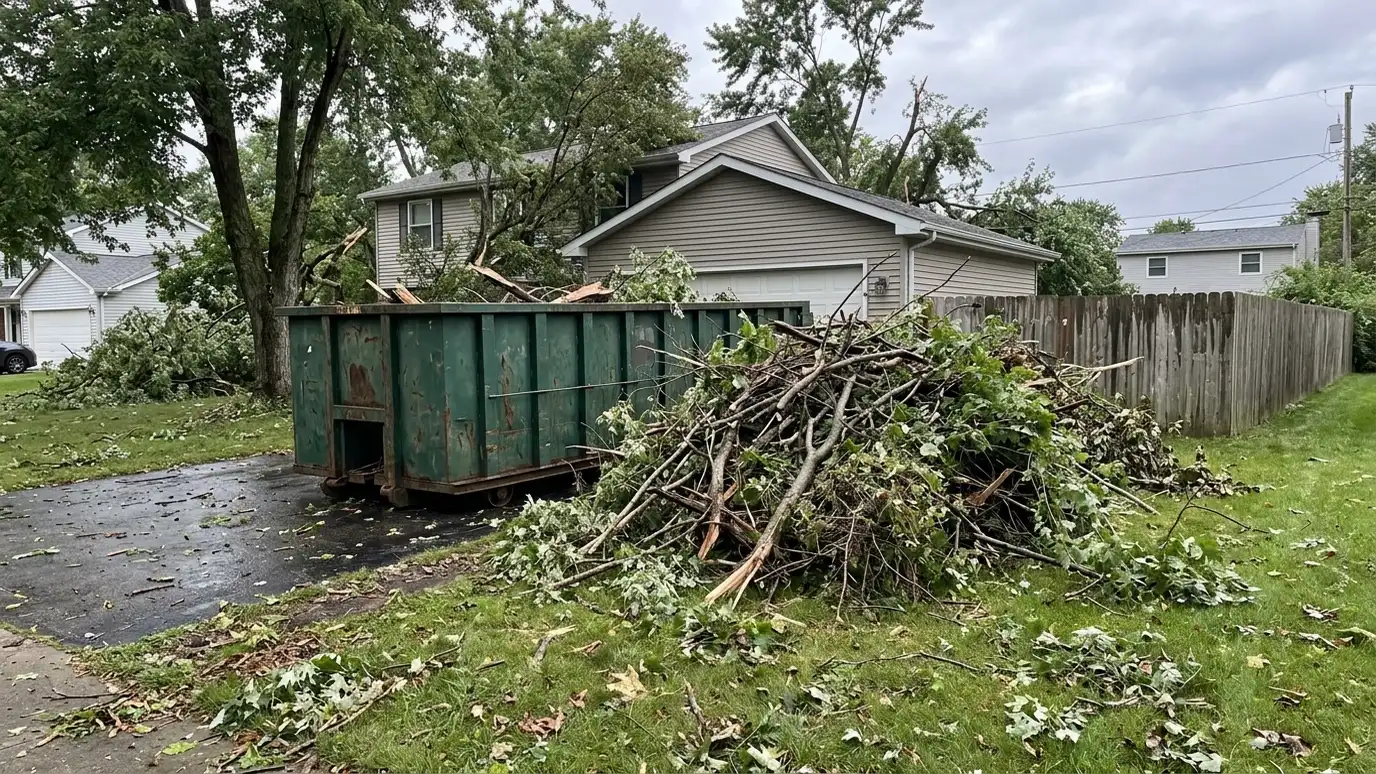
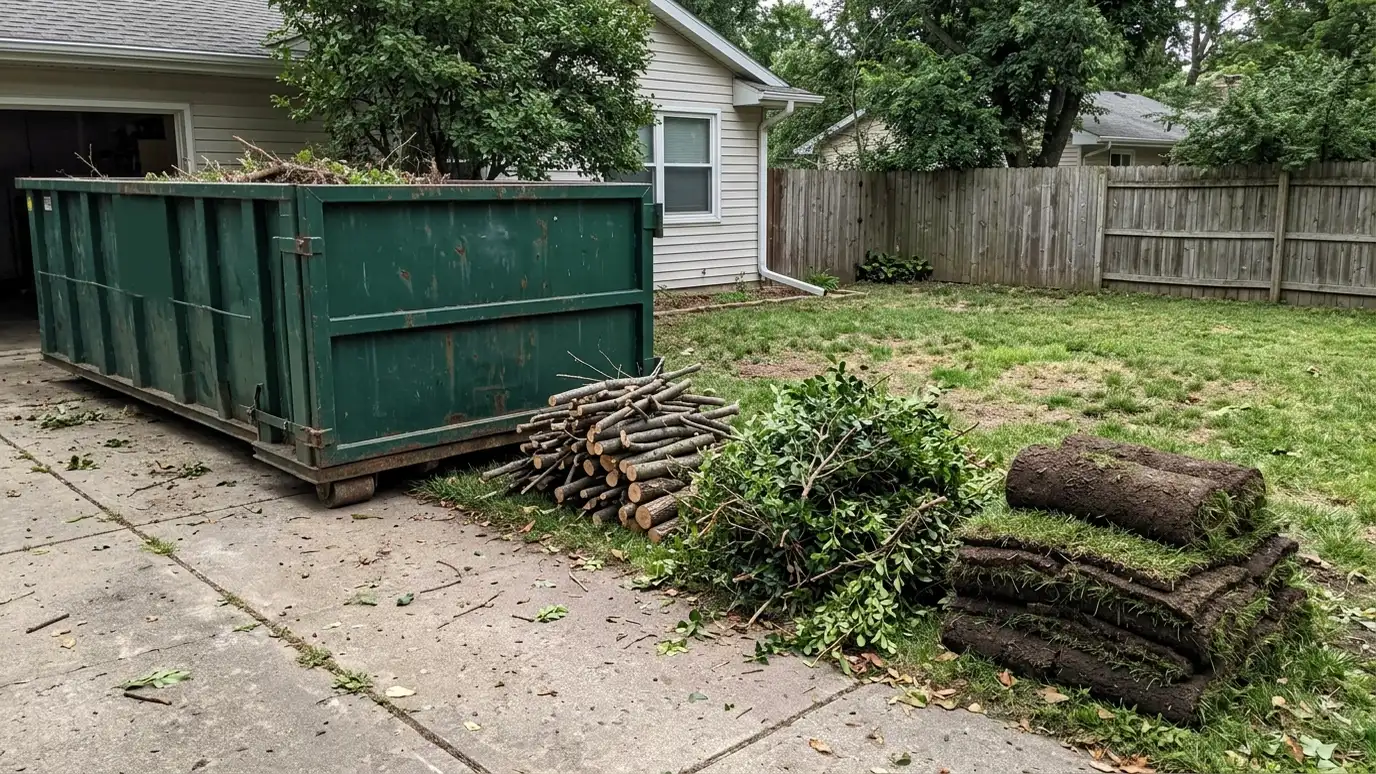
Cut long branches down so they pack tight, and put the largest pieces in first. Keep dirt, rock and stumps separate because they are heavy and change how the load is handled. A clean yard waste load without trash is easier to process. If you are mixing in fencing or lumber, tell us so we can recommend the right size. We also suggest asking about local guidelines on yard waste before you fill the container. Cut branches to a manageable length, place the longest pieces along the sides and fill the middle with smaller trimmings. Leaves can be bagged or loose, but loose leaves settle and leave room for more. Avoid tossing in treated lumber or household trash, which can change how the load is handled.
Shorter branches fit more.
Stumps, dirt and rock need their own plan.
Yard waste without trash is easier to process.
Book early in spring and fall.
Drag the handle to compare.
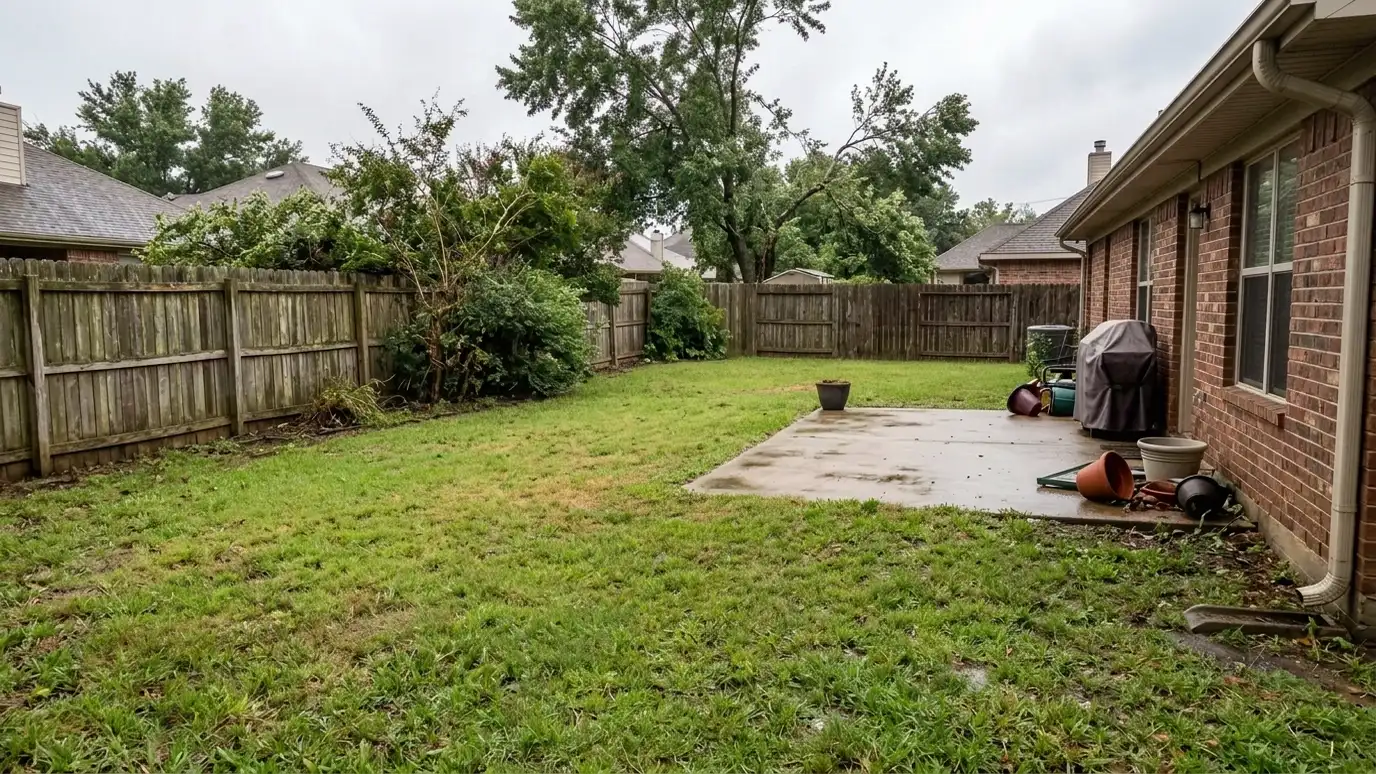
 BeforeAfter
Large containers for light, bulky loads.
Cut branches shorter and stack them.
Stumps, dirt and rock need separate care.
Keep trash out of yard waste.
Fall and spring are busy times.
Ask before you fill.
Every topic has its own page with what to expect and how we approach it.
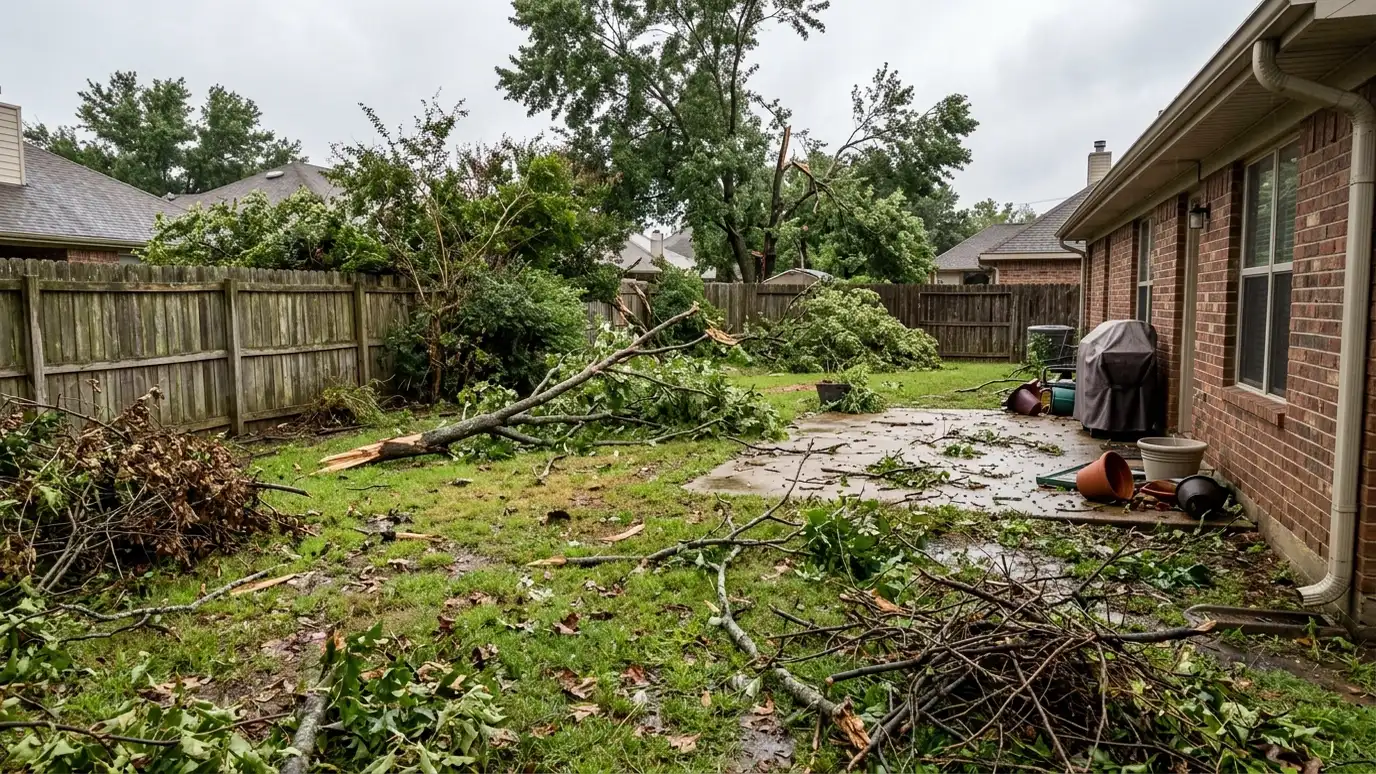
 Comparison guideYard Waste and Storm CleanupHow to size and load a container for branches, leaves, logs and storm debris, and which items to…Learn more
 ResourceKeep America BeautifulA nonprofit that supports community cleanups, recycling and beautification programs through local affiliates and national campaigns.Learn more ResourceEarth911A recycling information site with a search tool for finding where to recycle many kinds of household and…Learn more
Add shingles, concrete, drywall, furniture and other debris to see a planning weight, which container fits and which materials need a low-side box.
You tell us what you are removing, where the container will sit and when you need it, and we recommend a size and set the details.
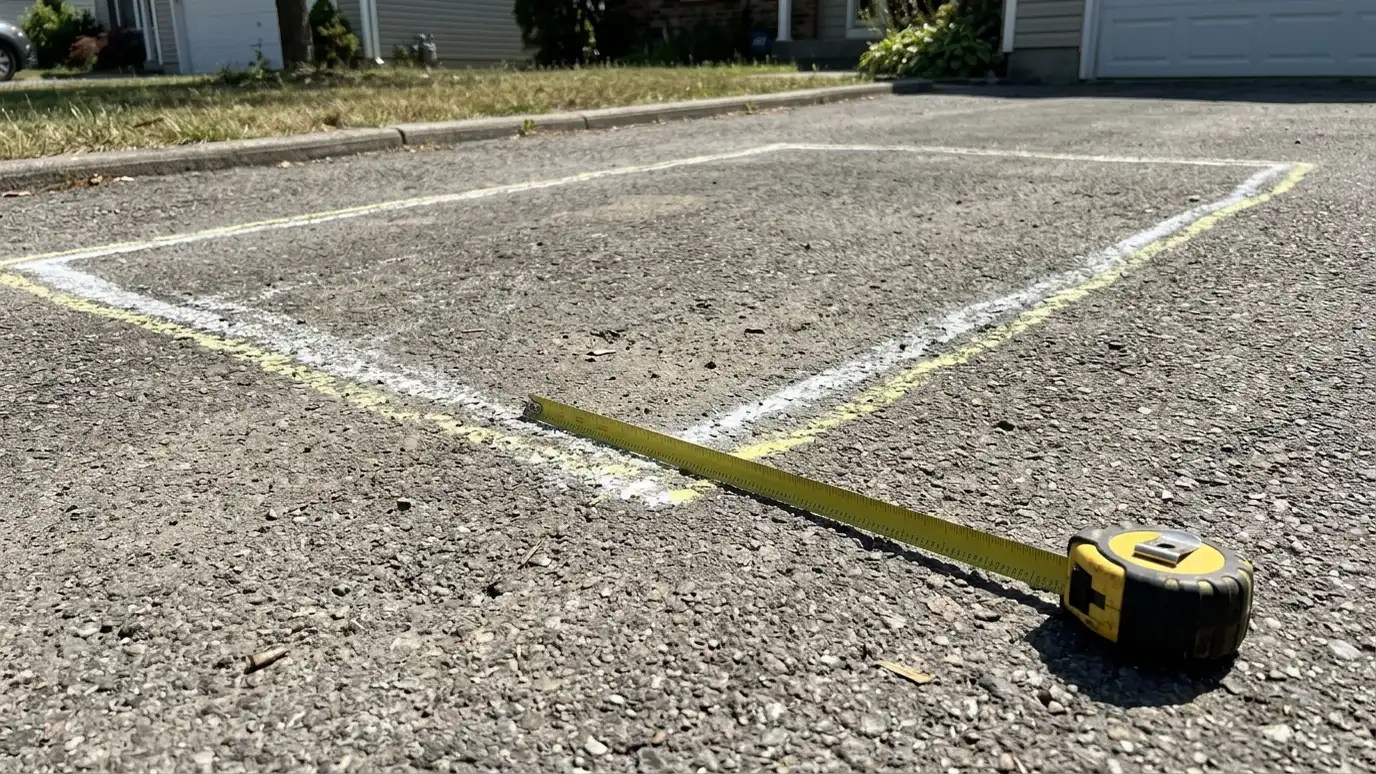
We check the spot, the slope, the wires and the truck path from photos or a visit and talk through weight and materials.
You get a plain written quote with the size, the rental days, the weight allowance and the terms before anything is scheduled.
The truck sets the container where we agreed, on plywood when needed, and we confirm the placement with you.
Load heavy items first, spread the weight, keep prohibited items out and stay below the fill line. Call if you need a swap or more days.
Call when you are done and we schedule the pickup, haul the container and leave the site ready for the next step.
A fifteen or twenty-yard container is common.
Stumps are heavy and awkward. Tell us before you load them.
Yes, in a clean yard waste load.
You can, but it changes how the load is handled, so tell us first.
Spring and fall are popular, so book early.
 Yard Waste DumpstersYard waste and landscaping dumpsters for brush, shrubs, sod, mulch and trimmings, with tips on clean loads and…Explore
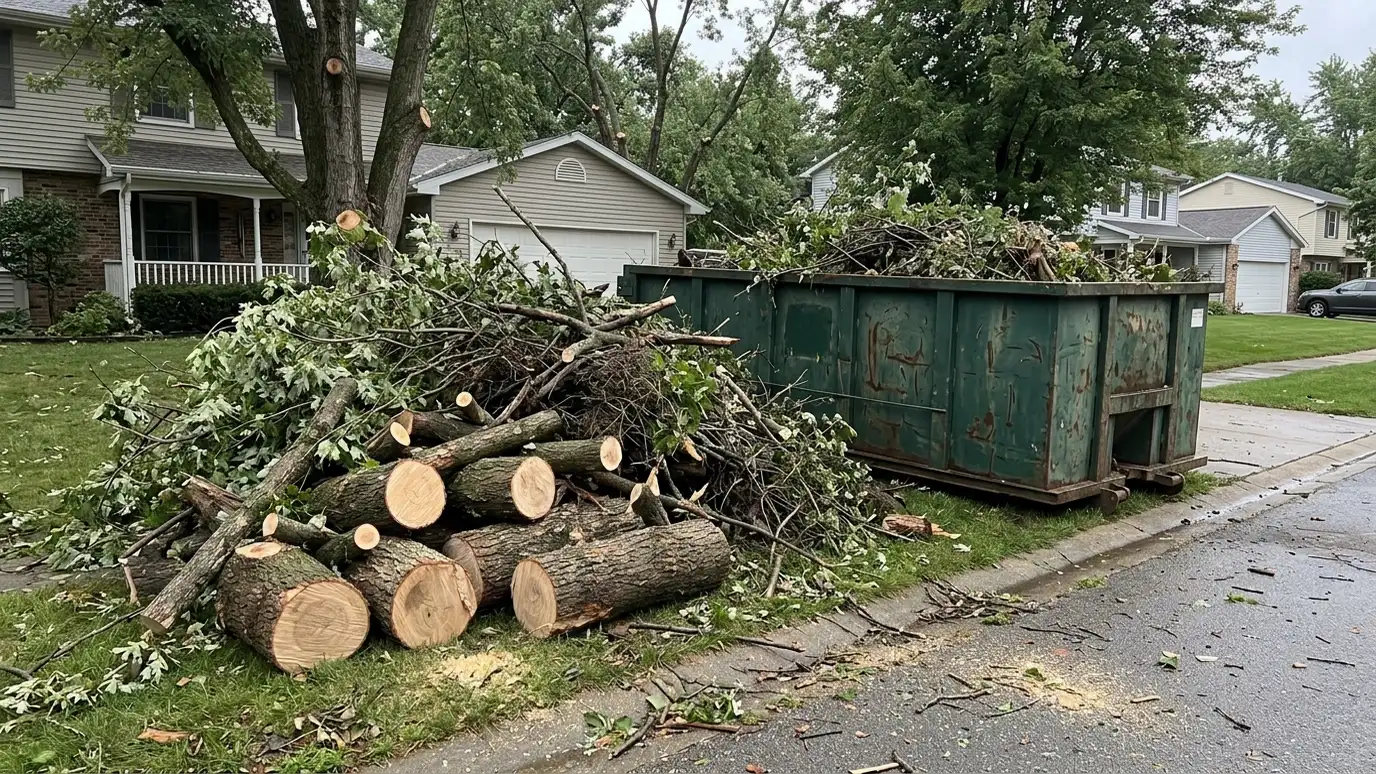 Storm Cleanup DumpstersTree removal and storm cleanup dumpsters for limbs, logs, brush and damaged fencing after wind, ice or a…Explore
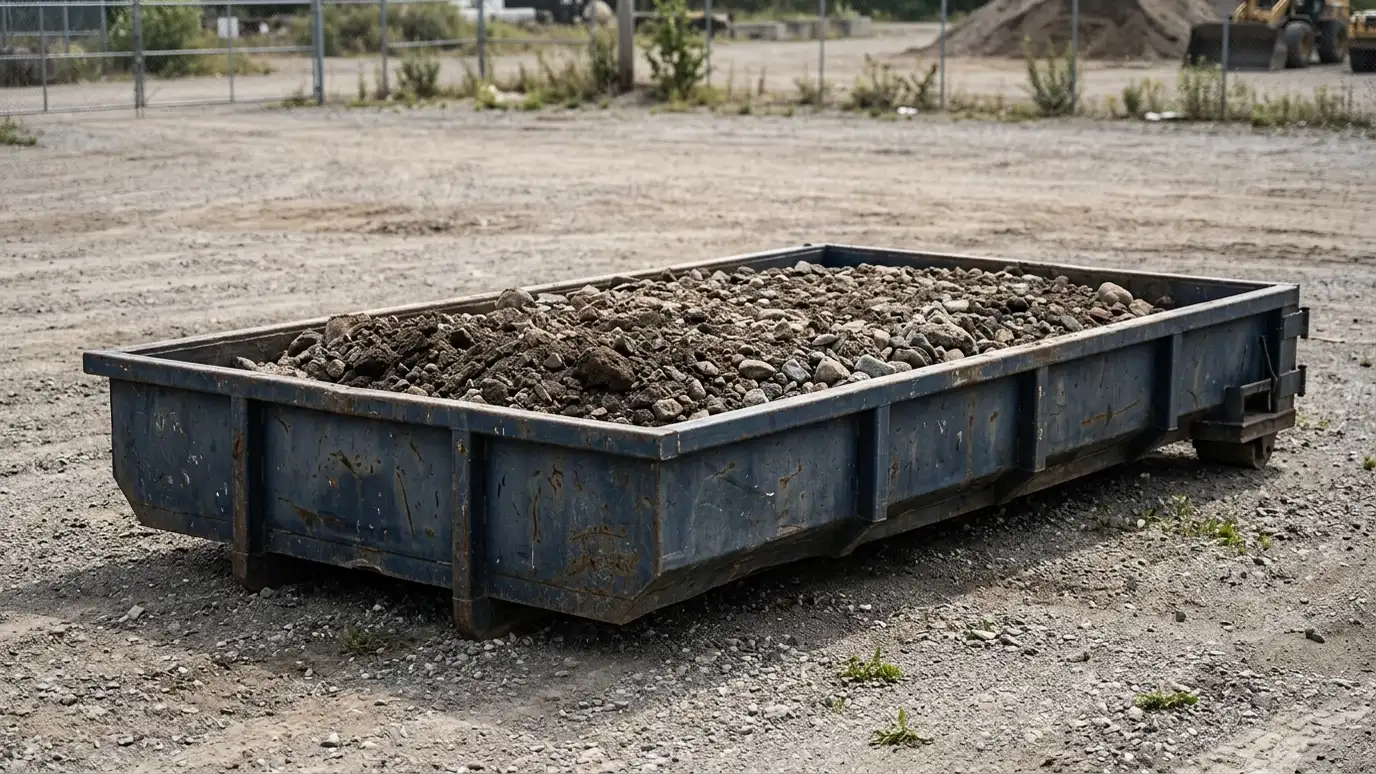 Clean Dirt and Fill DisposalClean dirt and fill disposal for soil, sand, gravel and rock from digging, grading and landscaping, using low-side…Explore
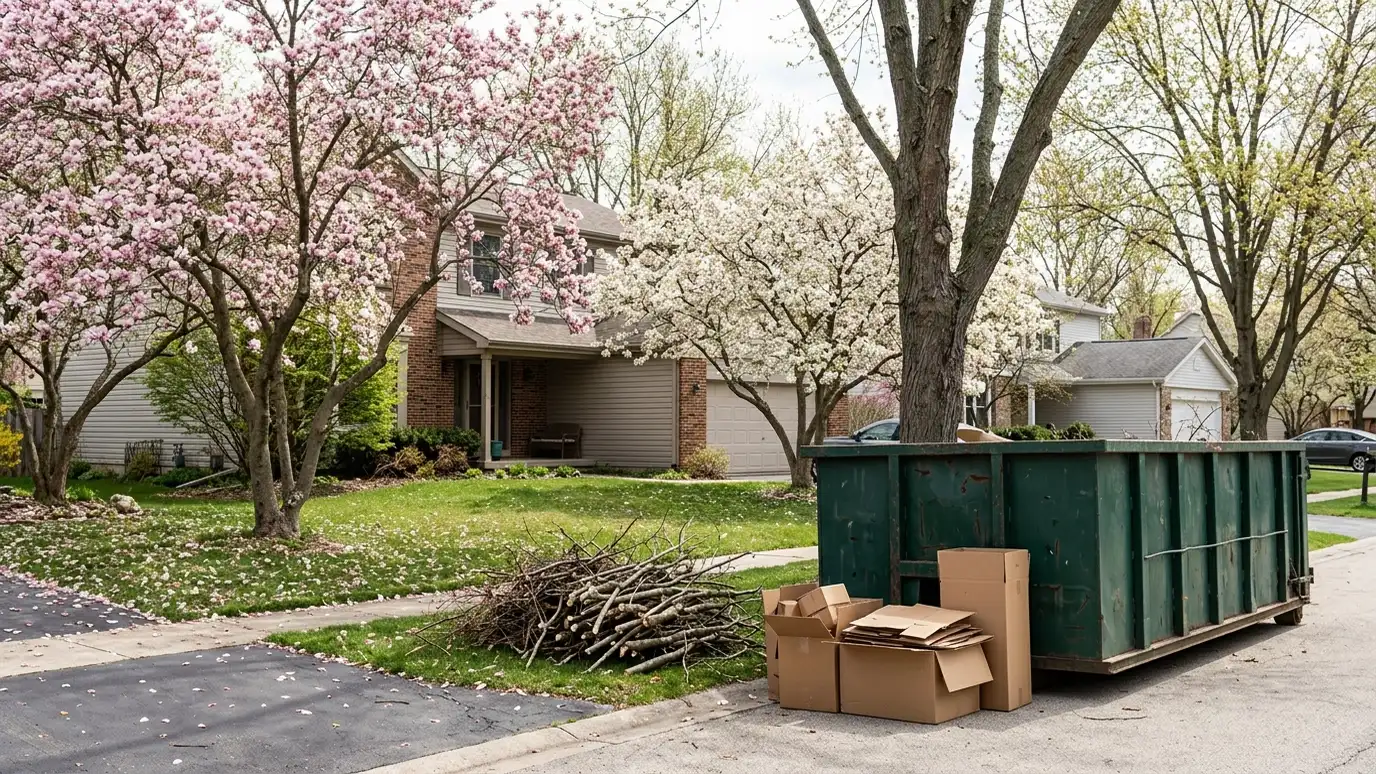 Seasonal Cleanup ProgramsSeasonal cleanup programs for spring yards, fall leaves and winter clear-outs, with scheduling help for neighborhoods, communities and…Explore
Tell us about your project and we will call you back to set up delivery.
Or call (615) 357-7797 to talk now.