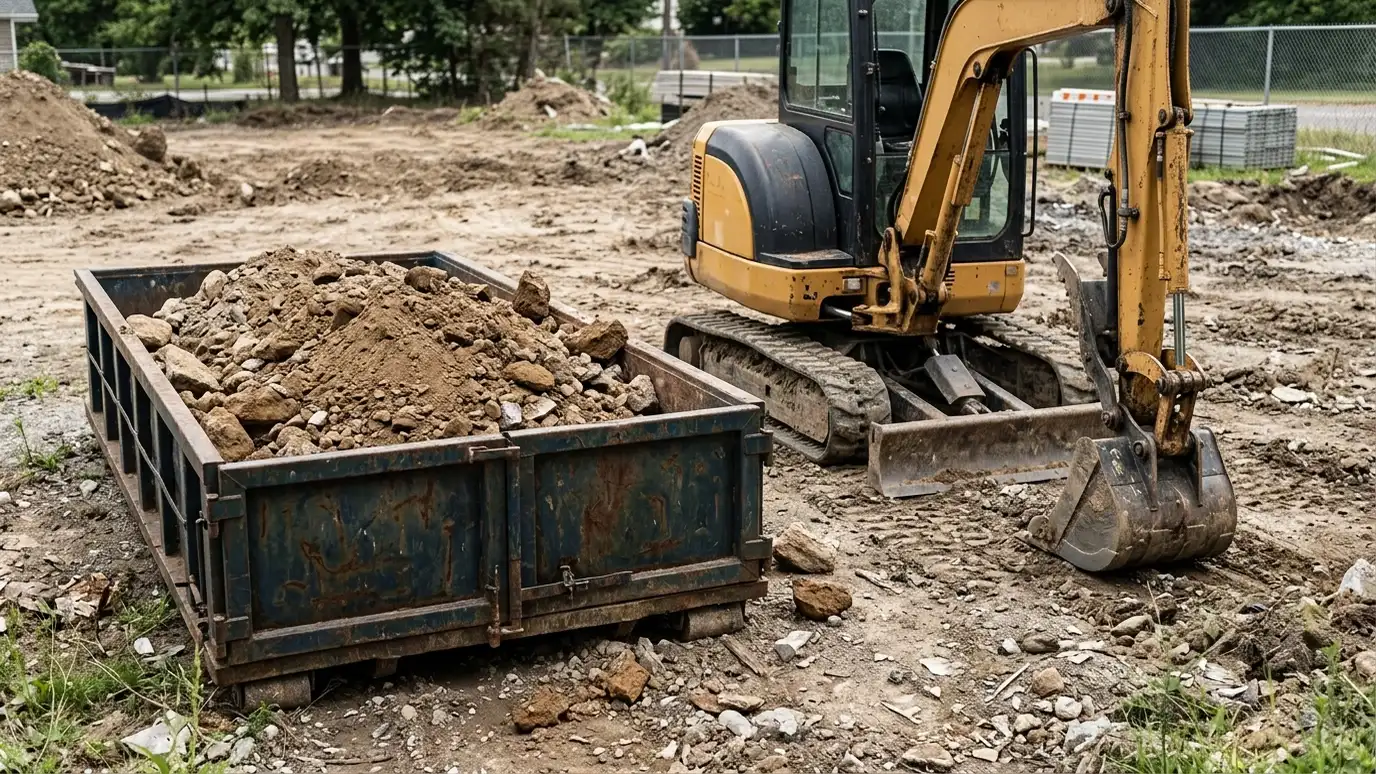
Excavation and clean fill dumpsters for soil, rock and gravel from foundation, trench and landscaping work, with low-side containers and weight guidance.
Digging a foundation, trenching for pipe or regrading a yard leaves behind piles of soil and rock, and moving it out is a weight problem more than a space problem. A low-side dumpster is built for this job. In Nashville, clay, rock and fill dirt show up on many sites, and getting the container choice right keeps trucks safe and the schedule realistic.
Dirt is dense, so a ten-yard container is often the most that can be filled safely, and a fill line keeps loads in check. Clean fill with no trash is easier to process, so keep it separate from other debris. Before digging, call Tennessee 811 so buried utilities are marked. We also remind customers that wet soil is heavier than dry, and that a firm base helps the truck lift and haul without damage. Keep roots, trash and broken pavement out of a clean fill load, and place the container on solid ground that can carry the weight of a loaded truck. If the soil is wet or muddy, tell us before delivery so we can plan the best spot, since wet ground is hard on trucks and on lawns.
Call Tennessee 811 before excavation begins.
Soil without trash is easier to process.
Wet soil weighs more than dry soil.
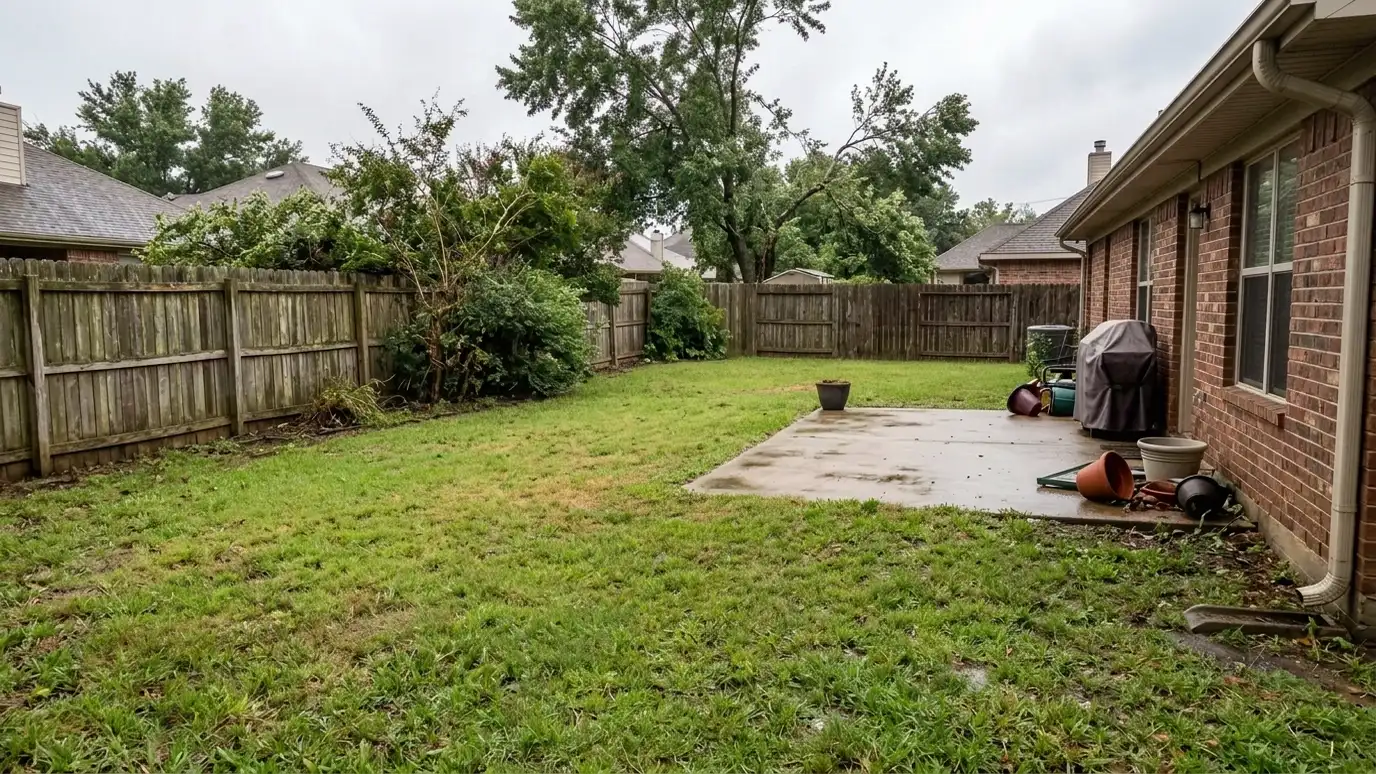
A stable base supports the truck.
Drag the handle to compare.
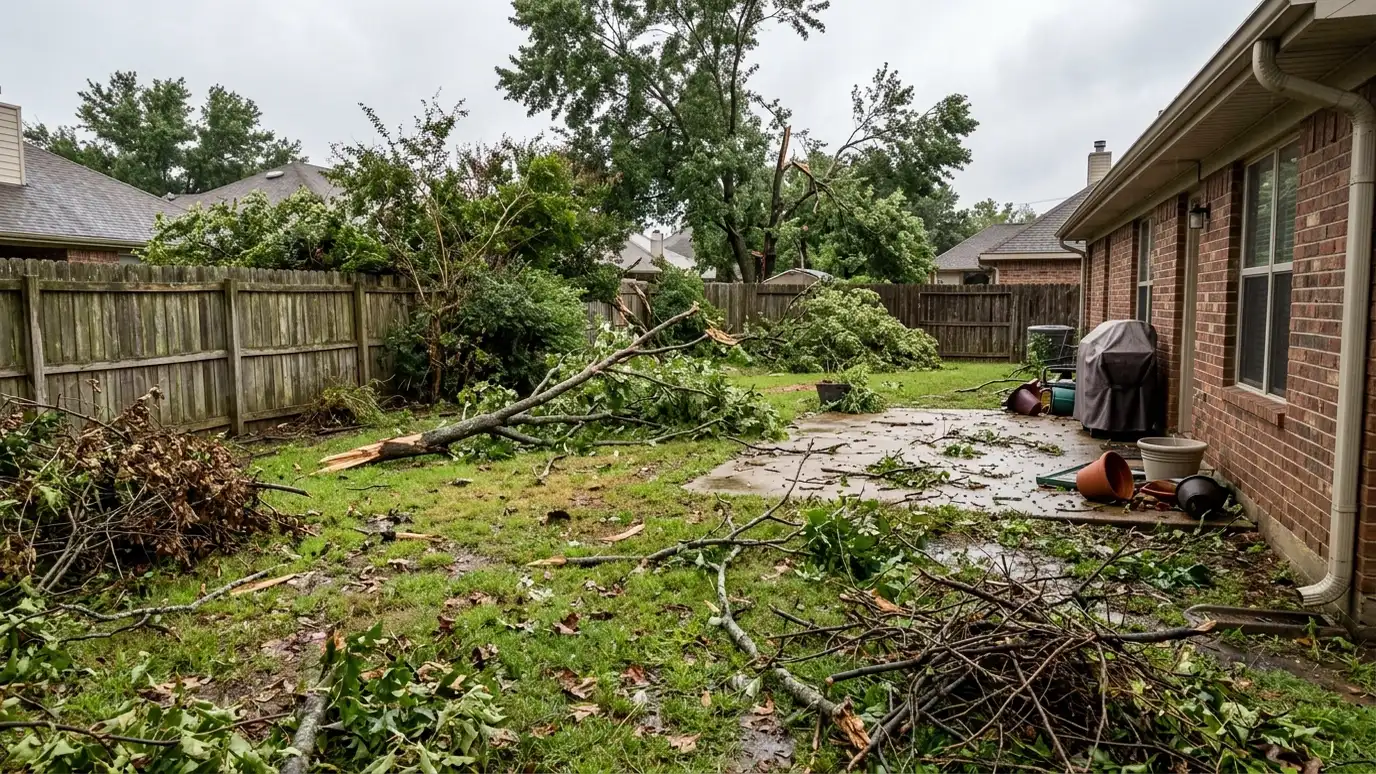 BeforeAfter
Made for soil, rock and gravel.
Dirt weighs more than it looks.
Easier to process without trash.
Utilities should be marked first.
Moisture adds real weight.
Ground that supports the truck.
Every topic has its own page with what to expect and how we approach it.
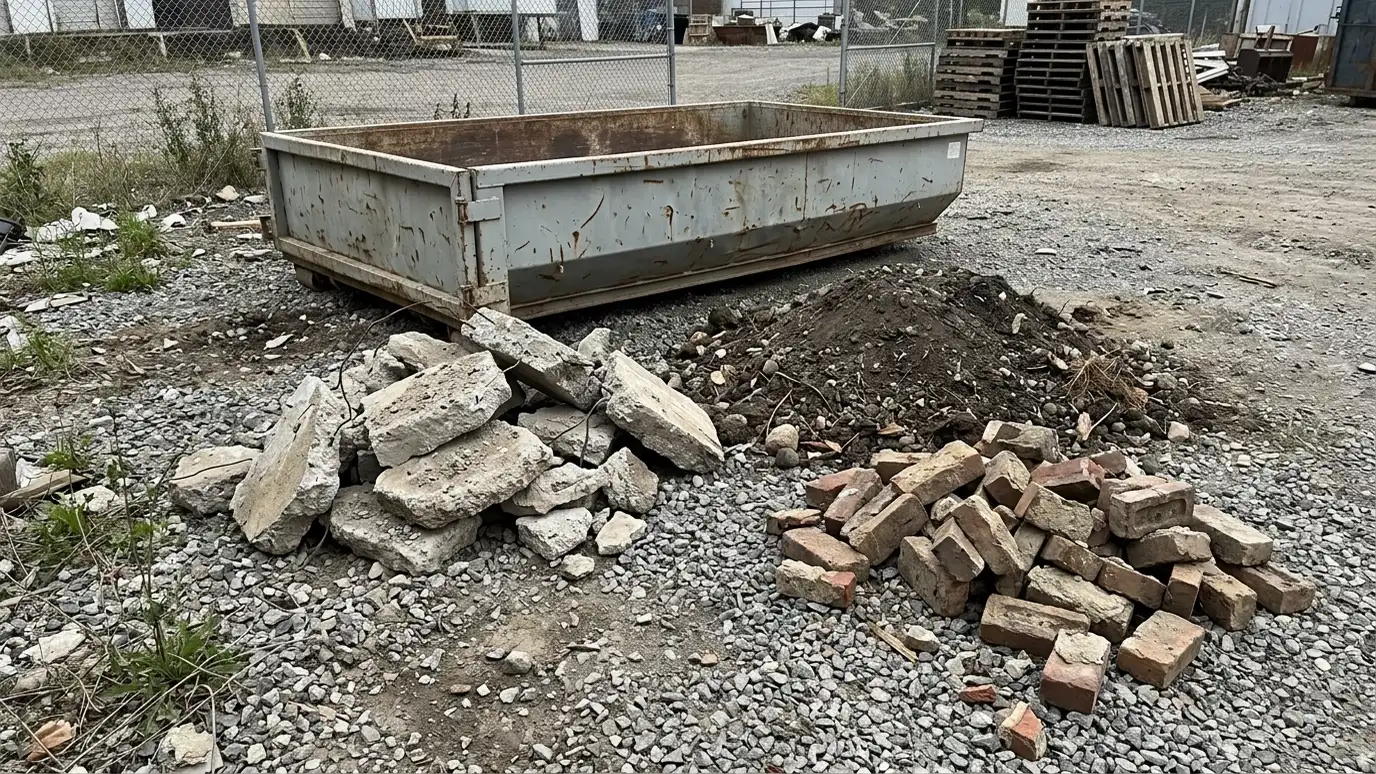 Comparison guideHeavy Material DumpstersWhy dense materials need low-side containers, how fill lines work and how to plan loads of concrete, brick…Learn more
 ResourceTennessee 811The state one-call center that notifies utility companies before excavation so buried lines can be marked.Learn more
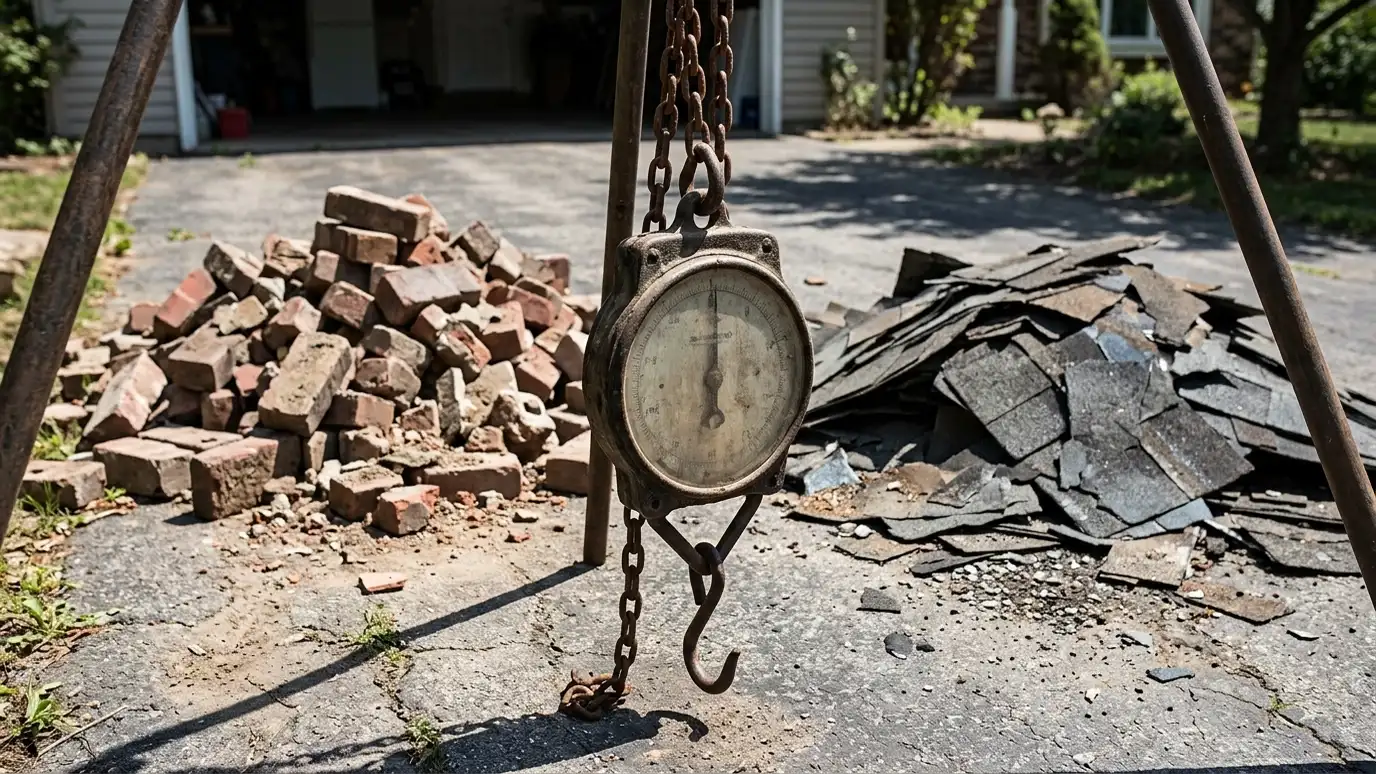 Comparison guideDumpster Weight ExplainedHow weight allowances work, which materials are heaviest and how to keep a load within its limit.Learn more
Enter up to three quotes and score size, weight allowance, rental period, terms and communication with your own weights.
You tell us what you are removing, where the container will sit and when you need it, and we recommend a size and set the details.
We check the spot, the slope, the wires and the truck path from photos or a visit and talk through weight and materials.
You get a plain written quote with the size, the rental days, the weight allowance and the terms before anything is scheduled.
The truck sets the container where we agreed, on plywood when needed, and we confirm the placement with you.
Load heavy items first, spread the weight, keep prohibited items out and stay below the fill line. Call if you need a swap or more days.
Call when you are done and we schedule the pickup, haul the container and leave the site ready for the next step.
A ten-yard low-side container is the most common because of weight.
Mixed loads are harder to process, so keep clean fill separate.
Yes. Rock is heavy, so tell us how much you have.
Yes. Contact Tennessee 811 before any excavation.
Water adds weight, so a wet load can exceed limits quickly.
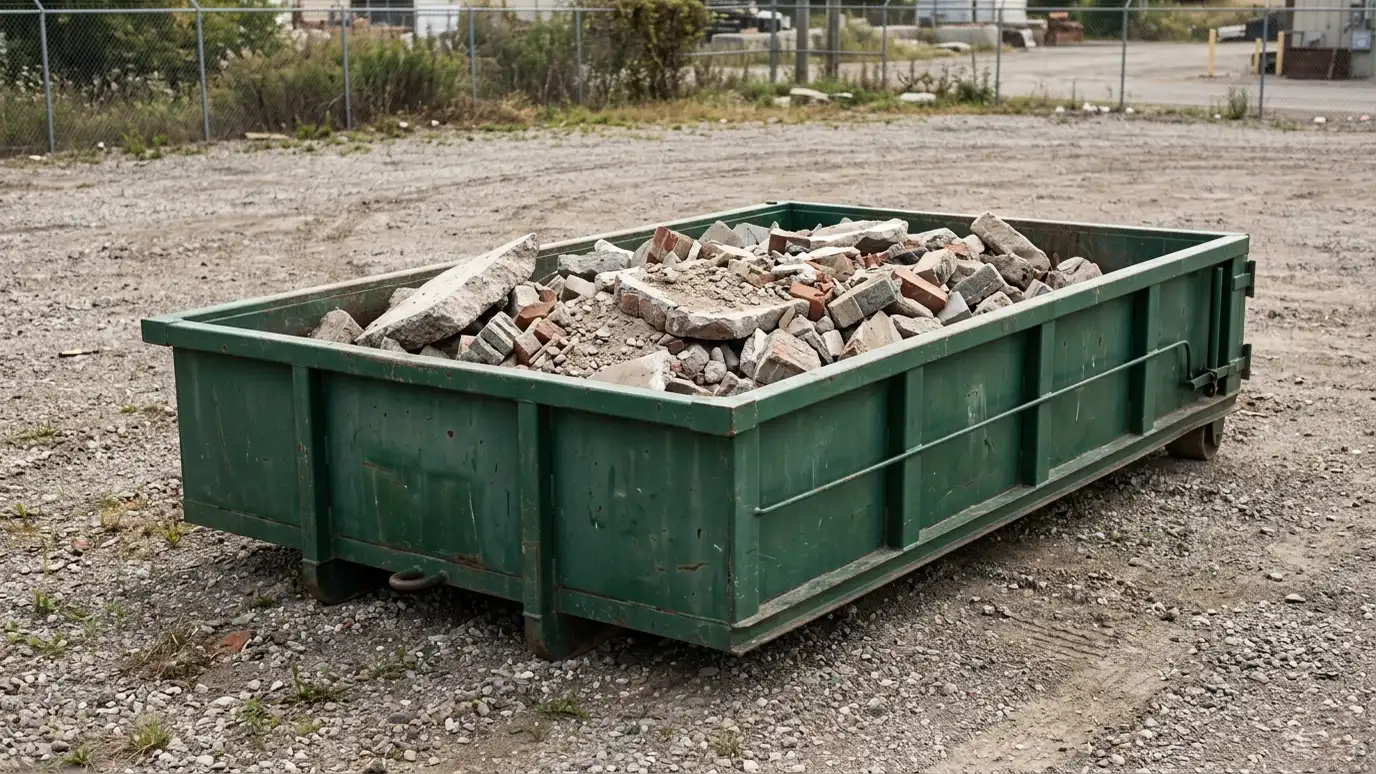 Heavy Material DumpstersLow-side heavy material dumpsters for concrete, brick, block, asphalt, dirt and rock, sized and filled so the load…Explore
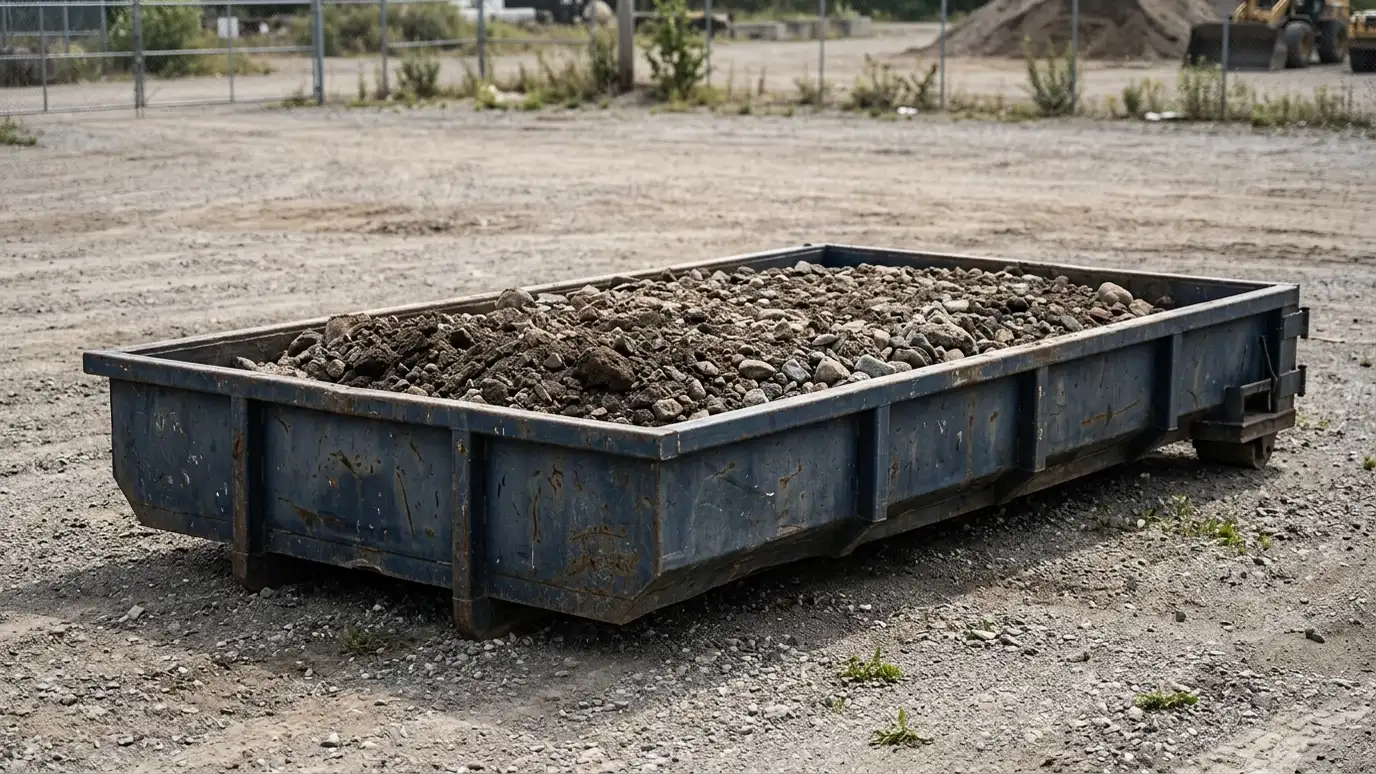 Clean Dirt and Fill DisposalClean dirt and fill disposal for soil, sand, gravel and rock from digging, grading and landscaping, using low-side…Explore
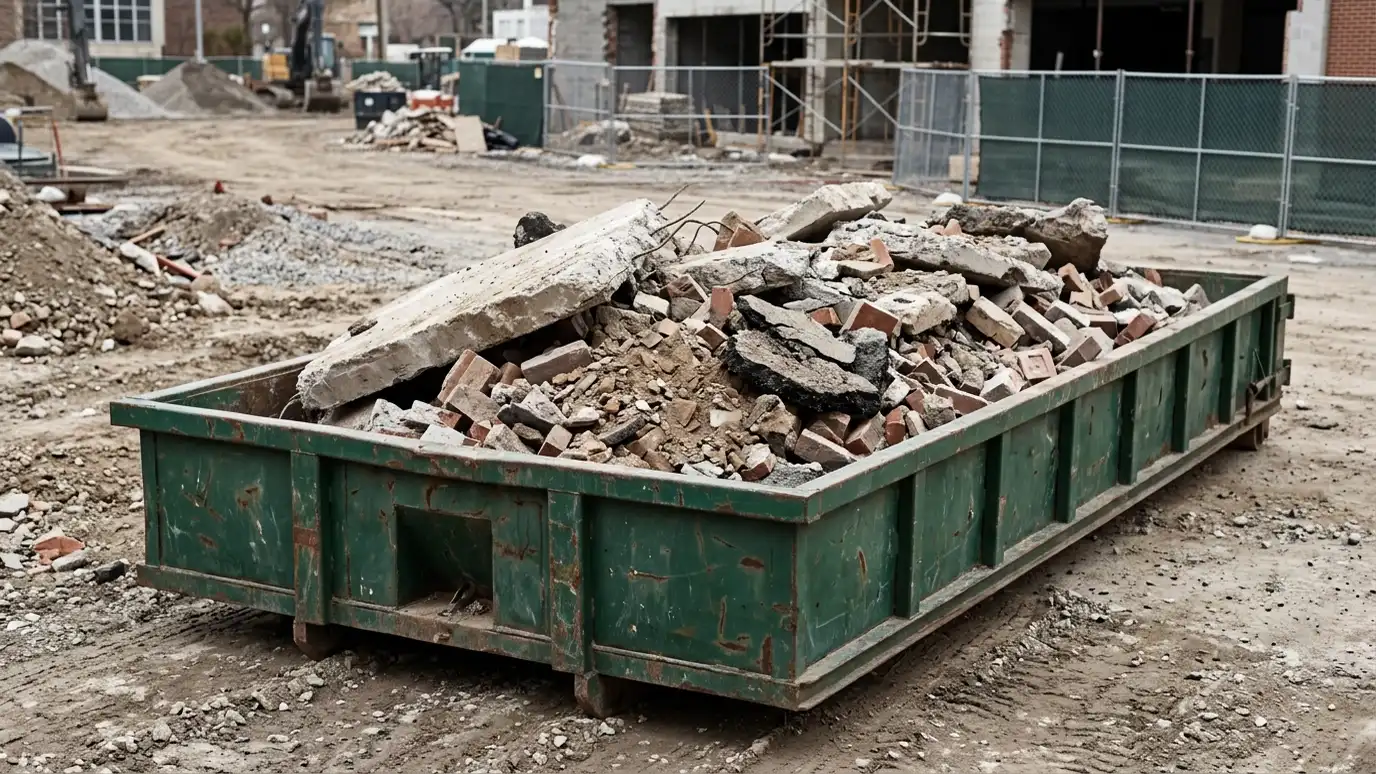 Concrete and Brick DumpstersConcrete, asphalt and brick dumpsters in low-side containers sized to keep dense loads within safe weight limits.Explore
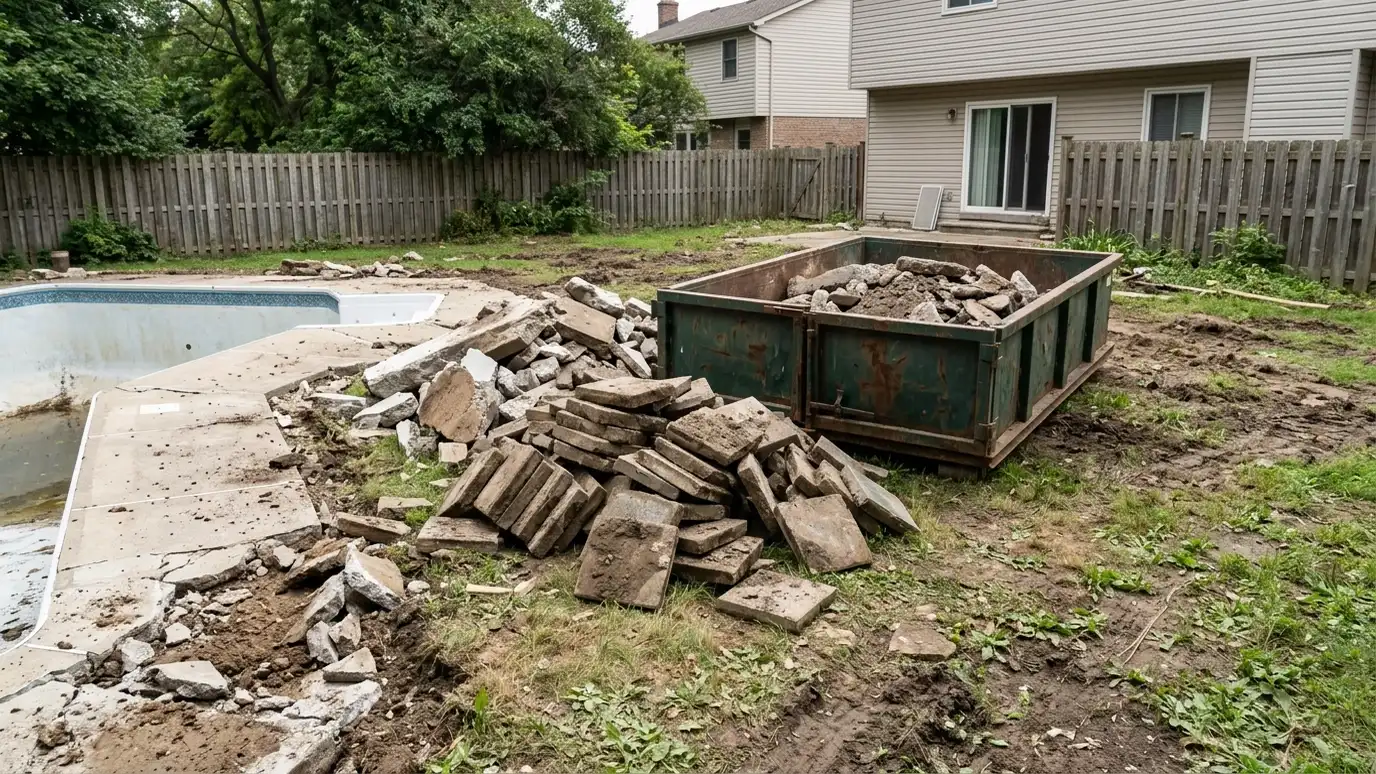 Hardscape Removal DumpstersPool removal and hardscape dumpsters for broken decking, pavers, retaining walls and old pool demolition, with low-side containers…Explore
Tell us about your project and we will call you back to set up delivery.
Or call (615) 357-7797 to talk now.