Metal and scrap disposal for pipes, sheet metal, gutters, old equipment and shop scrap, with weight guidance and options for separate scrap loads.
Old gutters, pipes, sheet metal, shelving and equipment add up in a shop, a garage or a renovation. Metal is heavy, sharp and sometimes valuable, so how you handle it matters. A roll-off container gives you a safe place to load it, and a separate scrap load can sometimes be recycled. In Nashville, contractors, shops and homeowners all end up with metal at some point, and the right plan makes it easy.
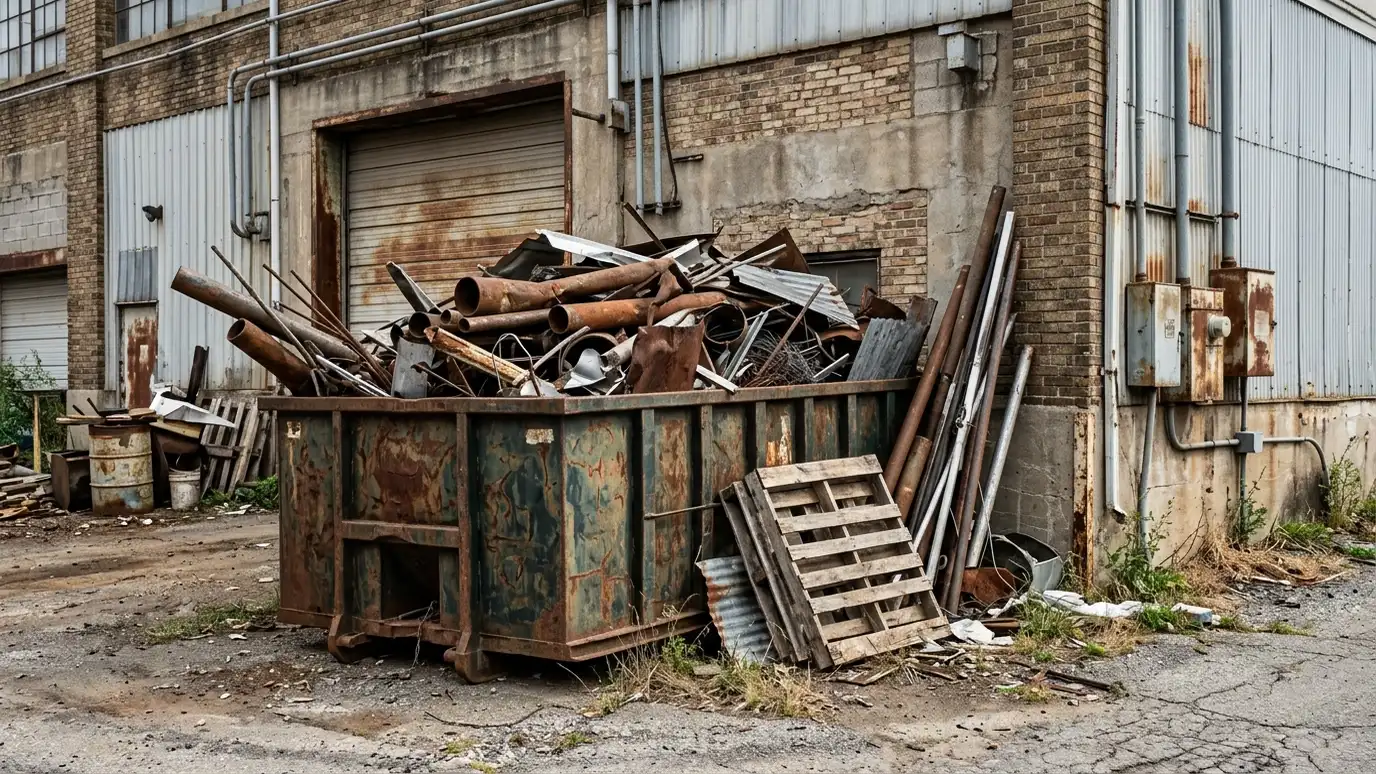
Weight is the main issue: a few pieces of heavy equipment can use up an allowance, so we often recommend a low-side container for metal. Sharp edges call for gloves and careful loading, and we suggest folding or bundling long pieces. Appliances with refrigerants and items with fluids or batteries need special handling, and we explain how. If you have clean scrap, ask us whether a recycling option fits your project. Separate metal by type when you can, such as steel, aluminum and copper, because clean piles are easier to recycle. Keep sharp pieces bundled with wire or tape, wear heavy gloves and check that anything with oil, gas or coolant has been drained or removed by a professional first.
A low-side box keeps weight safe.
Sharp edges call for careful loading.
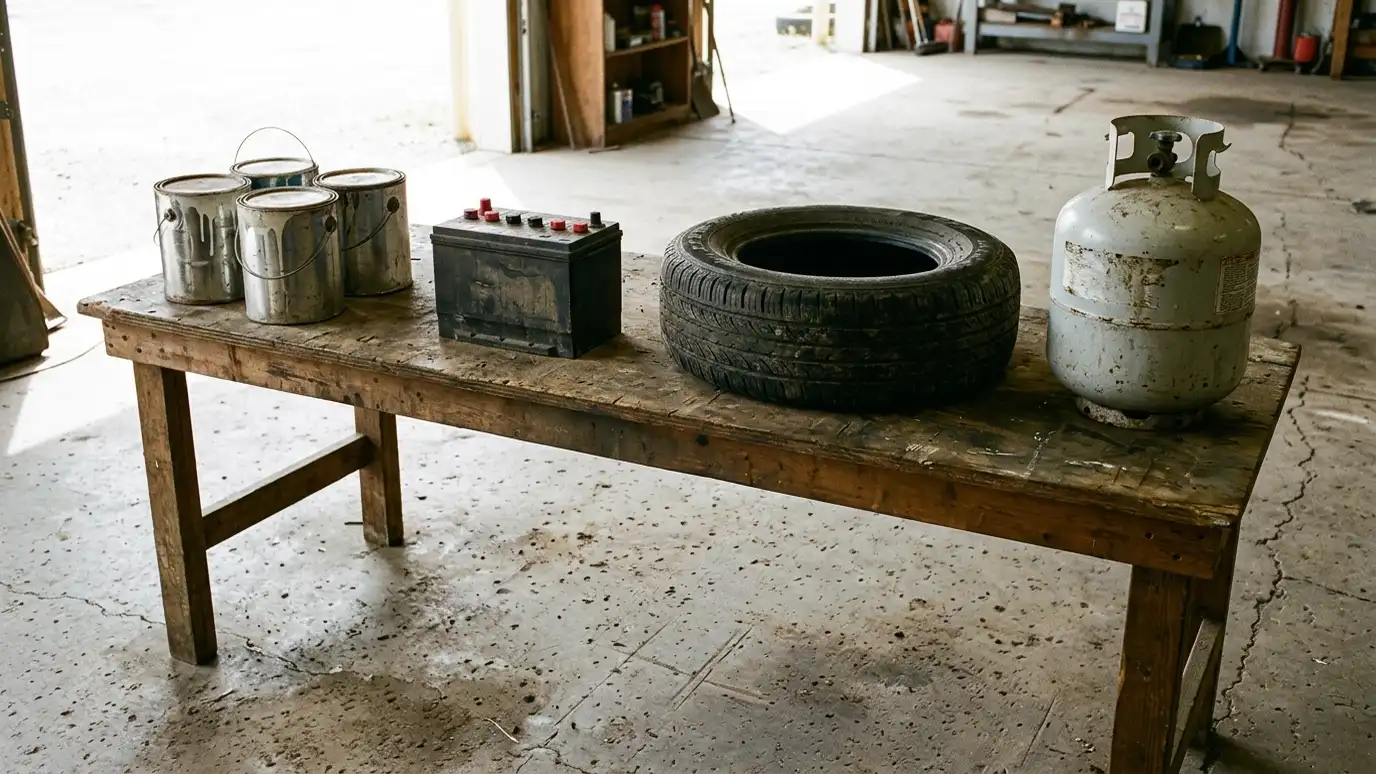
Items with fluids or batteries need special care.
Clean metal may be recycled.
Drag the handle to compare.
 BeforeAfter
Low-side container for heavy scrap.
Gloves, bundling and careful loading.
Clean scrap may be recycled.
Special handling is explained.
Stack safely and use space well.
We match the container to the scrap.
Every topic has its own page with what to expect and how we approach it.
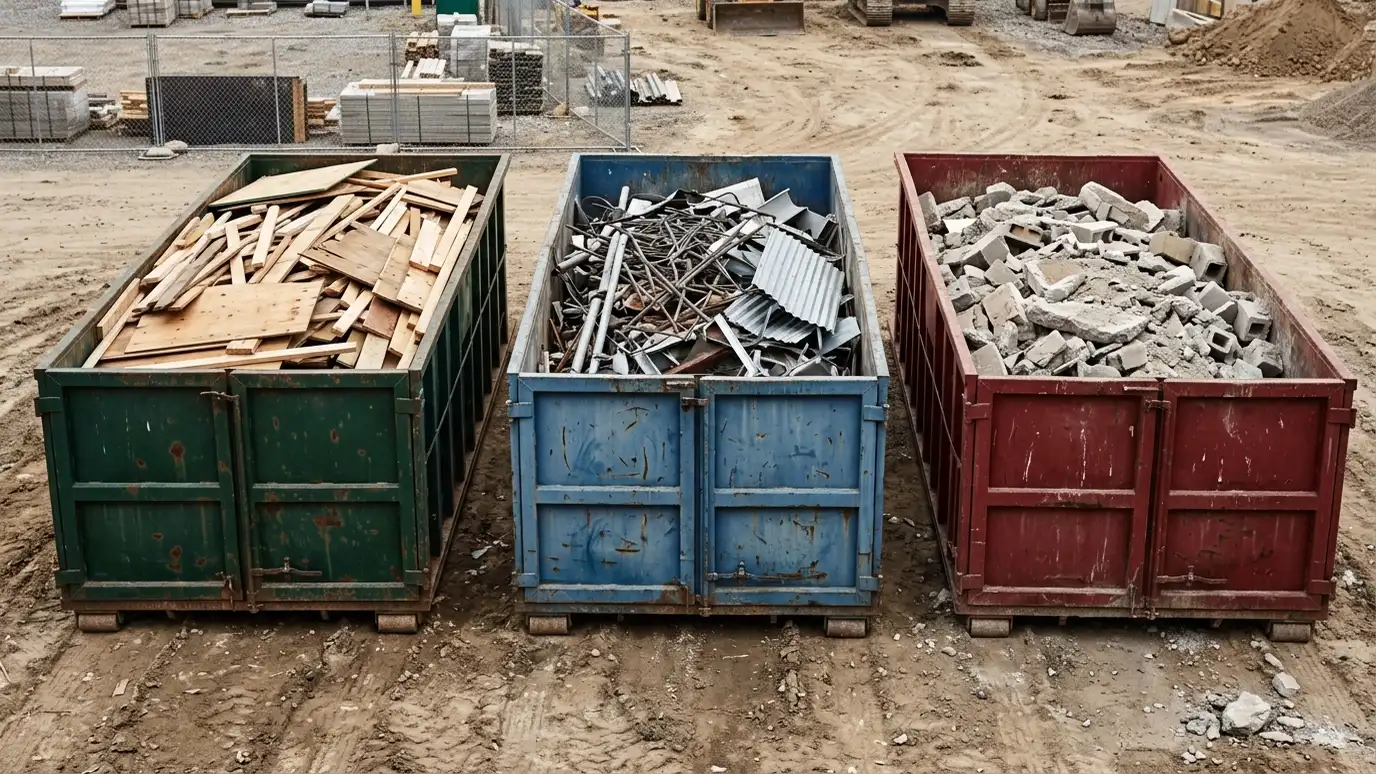 Comparison guideConstruction RecyclingWhat diversion means, which construction materials are commonly separated and how to run a simple recycling plan on…Learn more
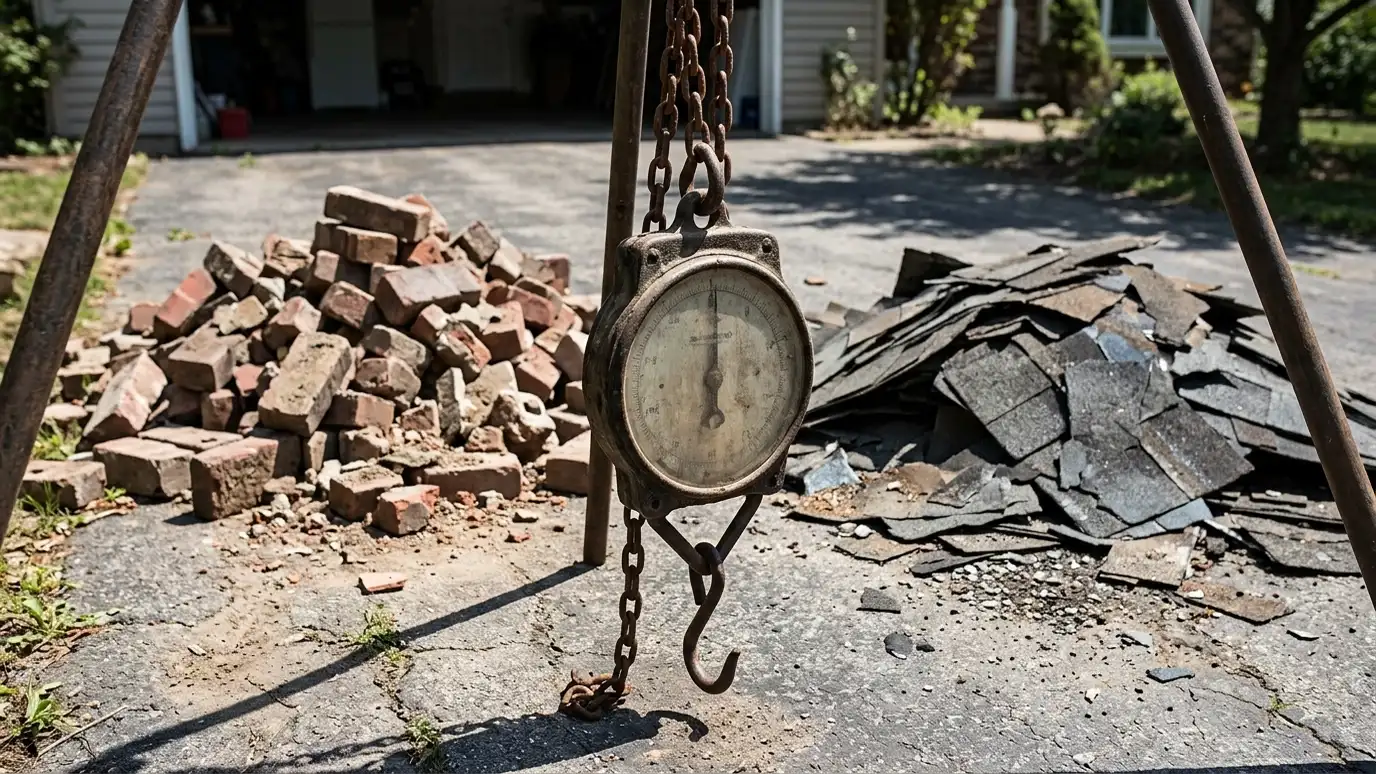 Comparison guideDumpster Weight ExplainedHow weight allowances work, which materials are heaviest and how to keep a load within its limit.Learn more
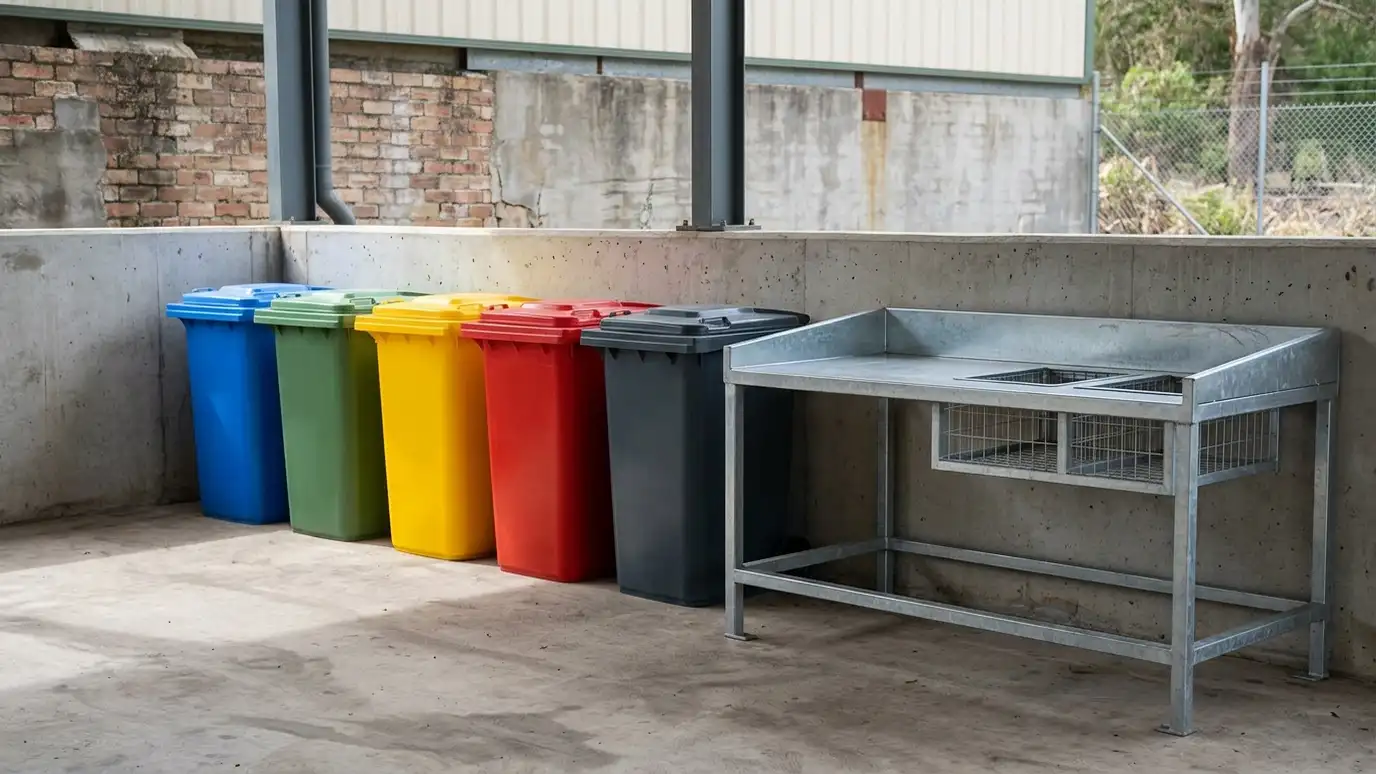 ResourceEarth911A recycling information site with a search tool for finding where to recycle many kinds of household and…Learn more
Answer five questions about your project, materials and timing to see which services to start with.
You tell us what you are removing, where the container will sit and when you need it, and we recommend a size and set the details.
We check the spot, the slope, the wires and the truck path from photos or a visit and talk through weight and materials.
You get a plain written quote with the size, the rental days, the weight allowance and the terms before anything is scheduled.
The truck sets the container where we agreed, on plywood when needed, and we confirm the placement with you.
Load heavy items first, spread the weight, keep prohibited items out and stay below the fill line. Call if you need a swap or more days.
Call when you are done and we schedule the pickup, haul the container and leave the site ready for the next step.
A low-side ten-yard is common for heavy scrap.
Sometimes. Clean scrap may be recycled, so ask us.
Often yes, but items with refrigerants and fluids need special handling.
Wear gloves, bundle pieces and stack them carefully.
You can, but keeping scrap separate may make recycling possible.
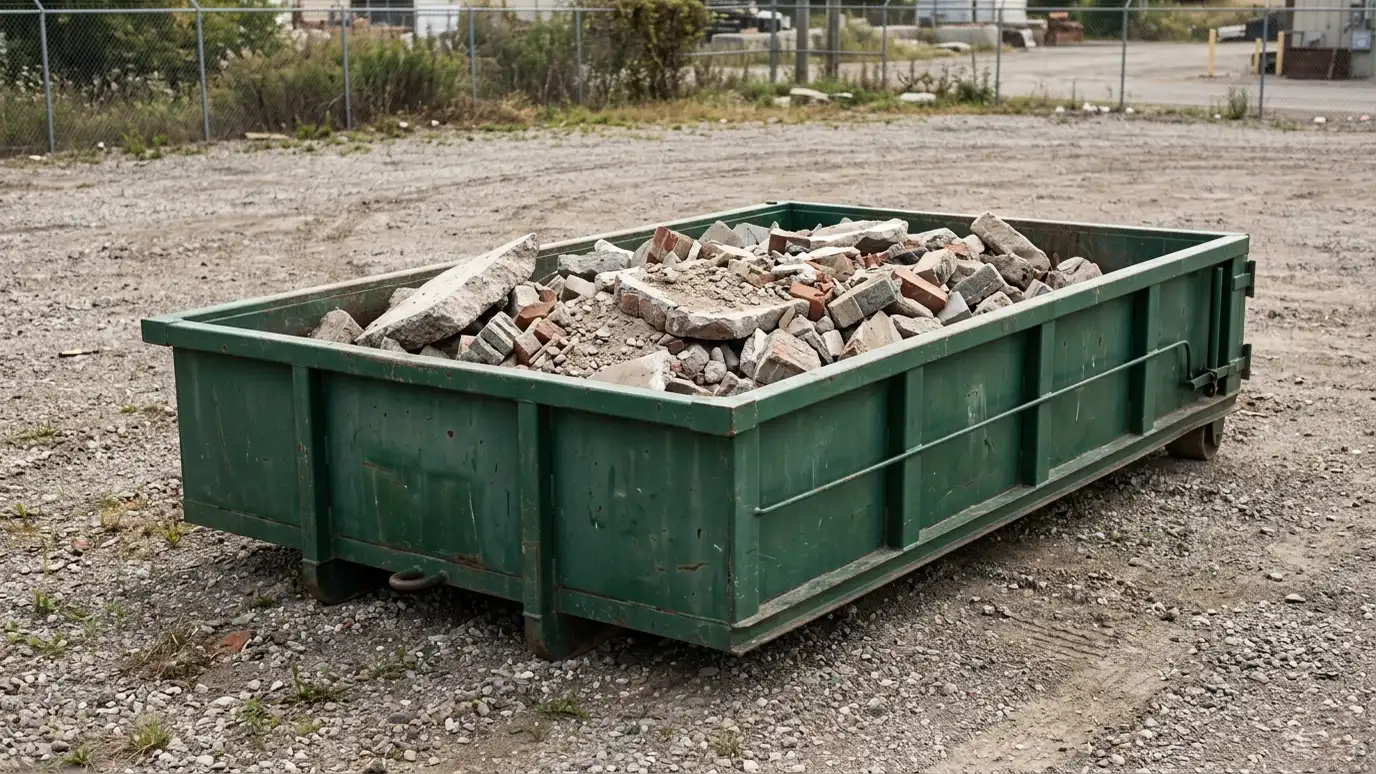 Heavy Material DumpstersLow-side heavy material dumpsters for concrete, brick, block, asphalt, dirt and rock, sized and filled so the load…Explore
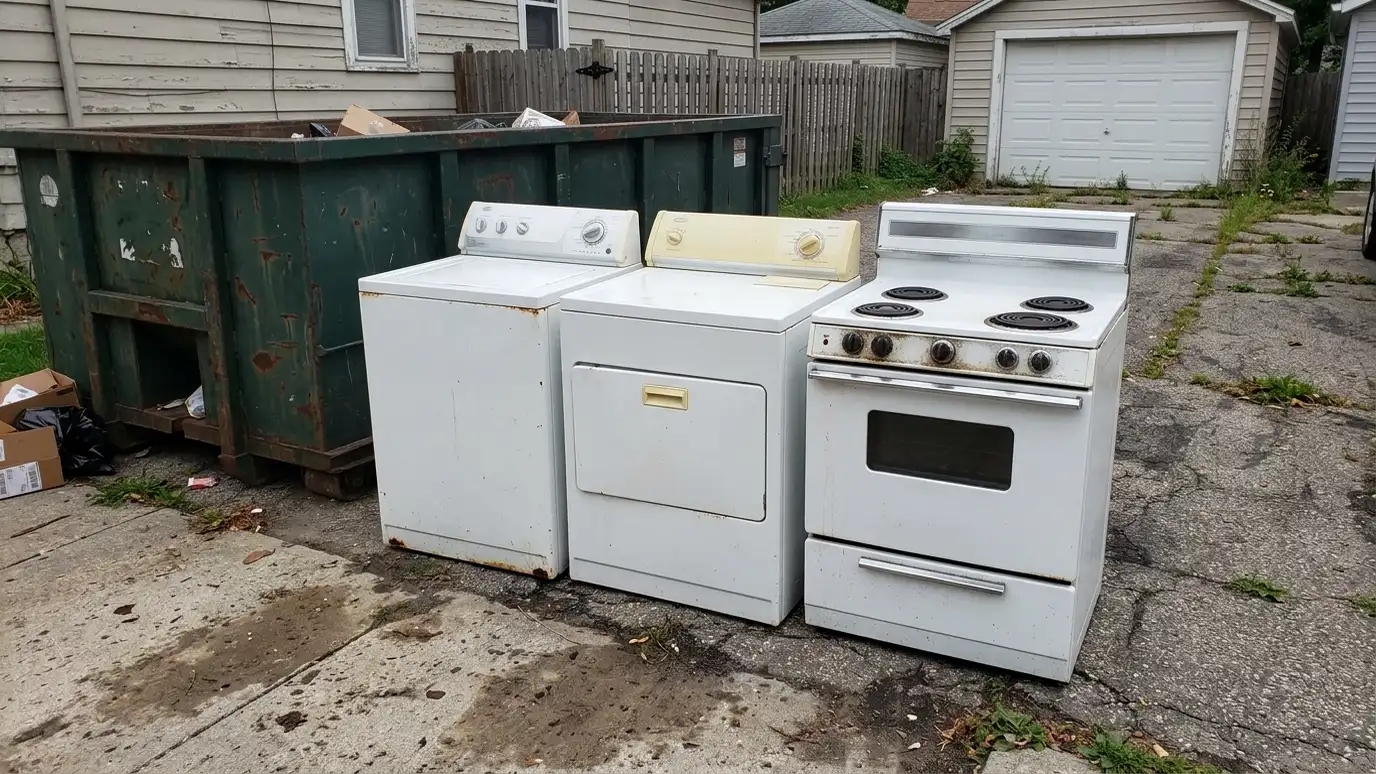 Appliance DisposalAppliance disposal guidance for refrigerators, washers, dryers, stoves and water heaters, including what is allowed and what needs…Explore
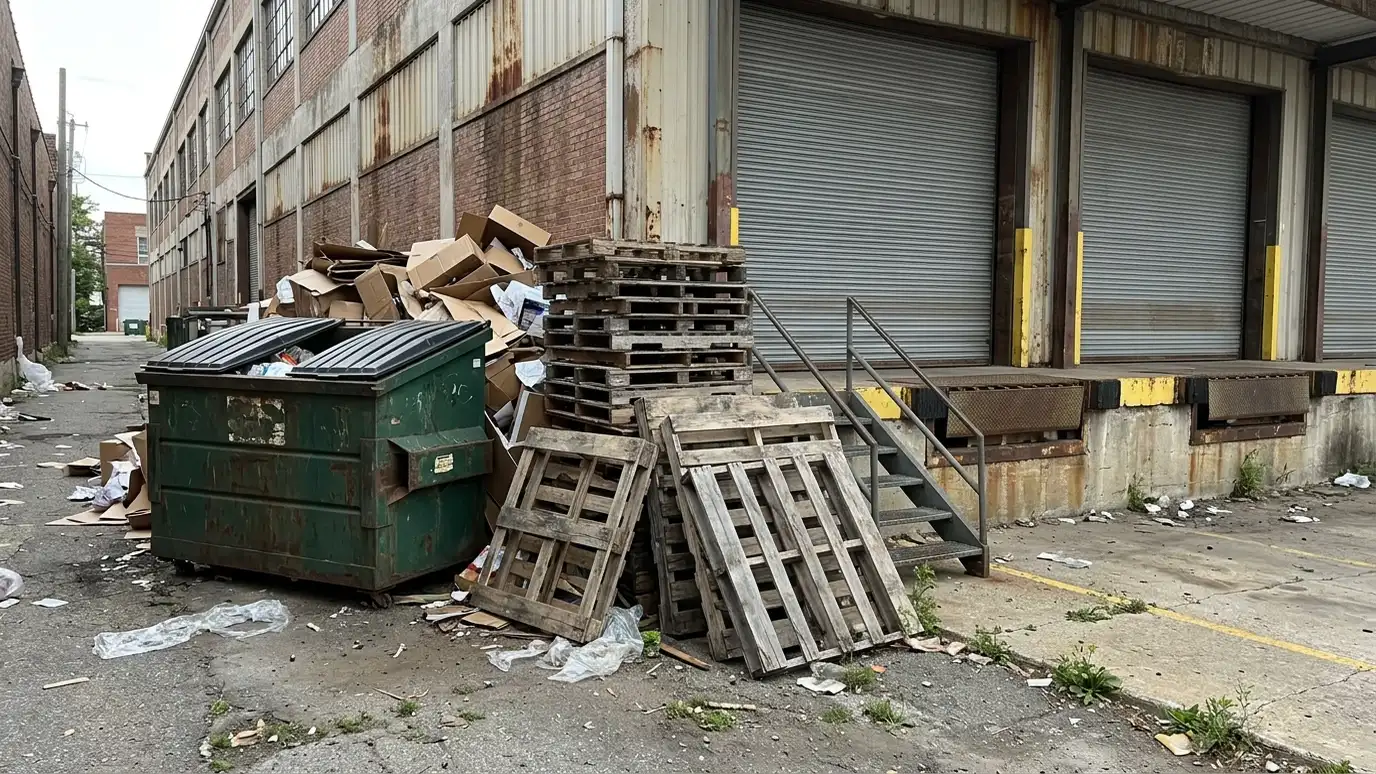 Warehouse Cleanout DumpstersWarehouse and industrial cleanout dumpsters for pallets, racking, packaging, old equipment and bulk debris, with large containers and…Explore
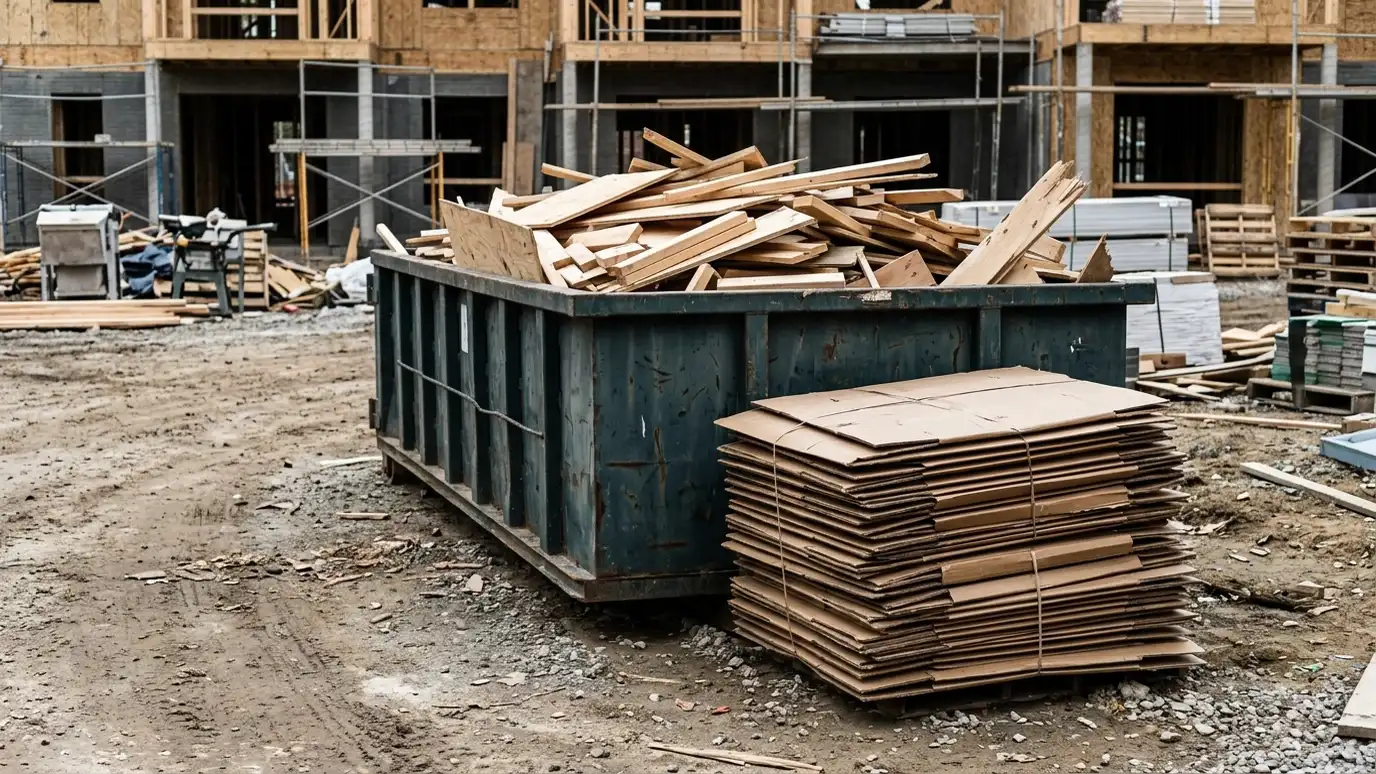 Construction Recycling DumpstersConstruction waste recycling dumpsters for clean wood, metal, cardboard and concrete, with separate containers and tips for keeping…Explore
Tell us about your project and we will call you back to set up delivery.
Or call (615) 357-7797 to talk now.