Carpet and flooring disposal for old carpet, pad, laminate, hardwood, vinyl and tile, with tips for rolling, bundling and weight.
Pulling up an old floor creates a surprising amount of waste. Carpet and pad come up in heavy rolls, laminate and vinyl in long strips and tile in dense chunks. A roll-off dumpster at the front door lets you carry it all out in a few trips. In Nashville, flooring projects are among the most common reasons for renting a container, and a ten or fifteen-yard size handles most of them.
Roll carpet tightly and tape it so it stays put, and bundle laminate and vinyl strips so they stack neatly. Tile and thinset are heavy, so keep them low and tell us how much you have. If tile is a big part of the project, a separate low-side container may be a better plan. We help you pick a size from the square footage and the materials, so you do not pay for space you will not use. Cut carpet into strips about three feet wide before rolling, which makes the rolls easier to carry and load. Remove tack strips and staples when you can, since they are a hazard for hands. Keep vinyl, laminate and tile in separate piles so you can load heavy items first.
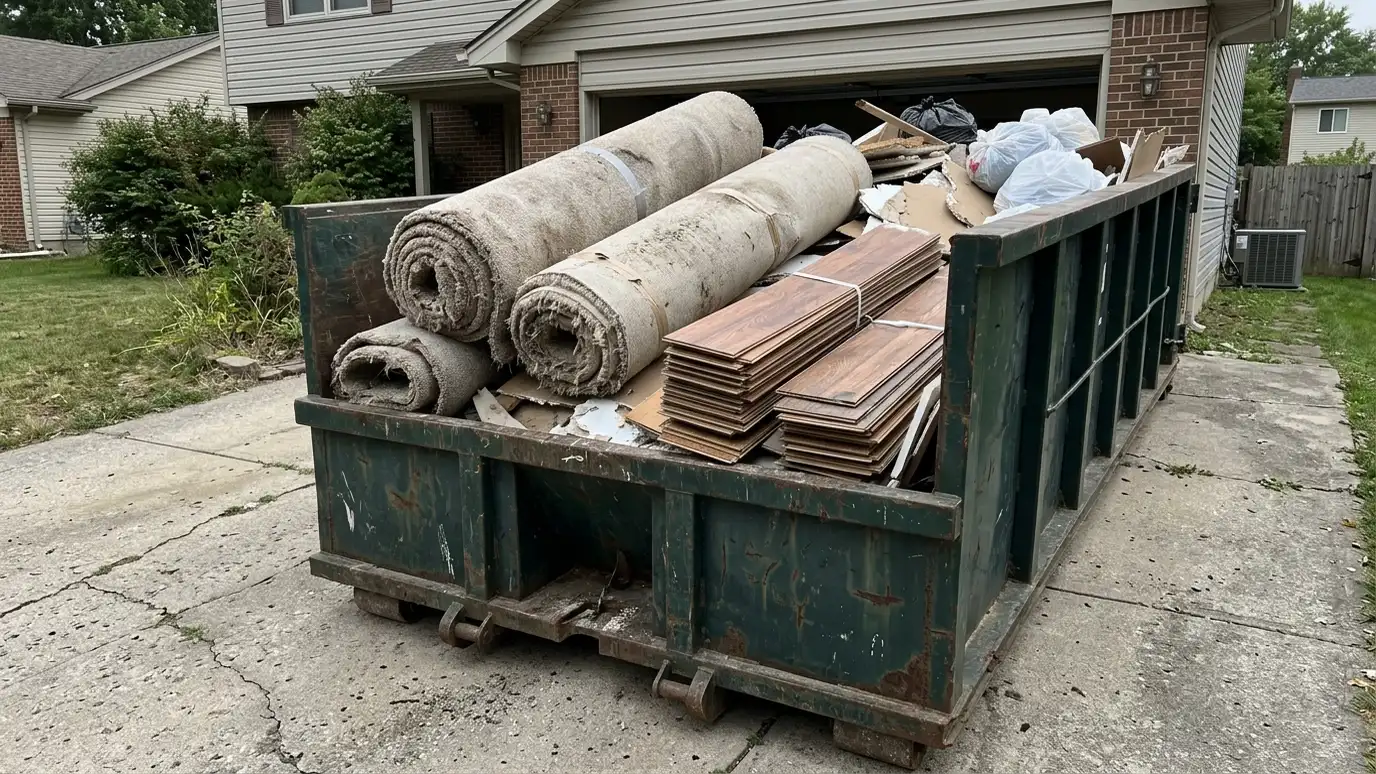
Carpet stays tight and tidy.
Laminate and vinyl stack neatly.
Heavy flooring sits at the bottom.
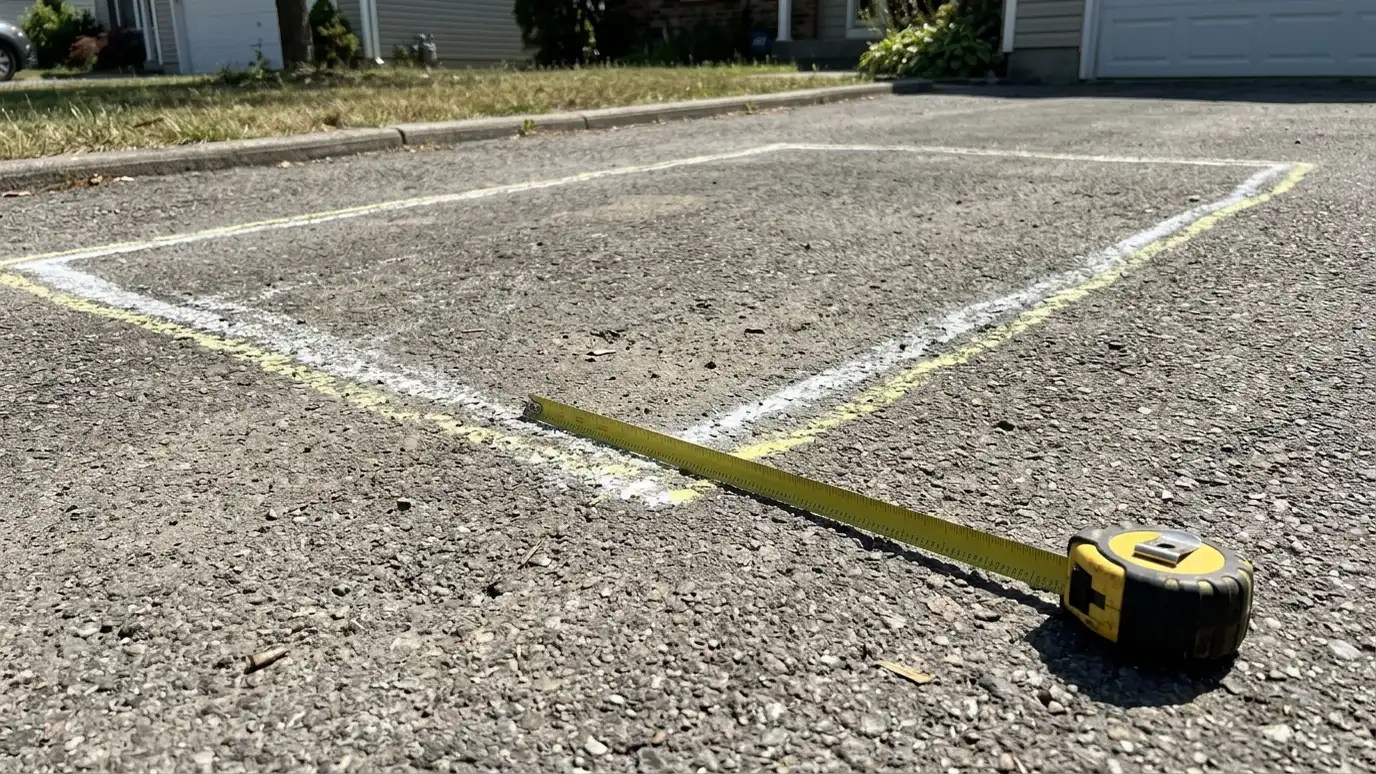
Square footage tells us the container size.
Drag the handle to compare.
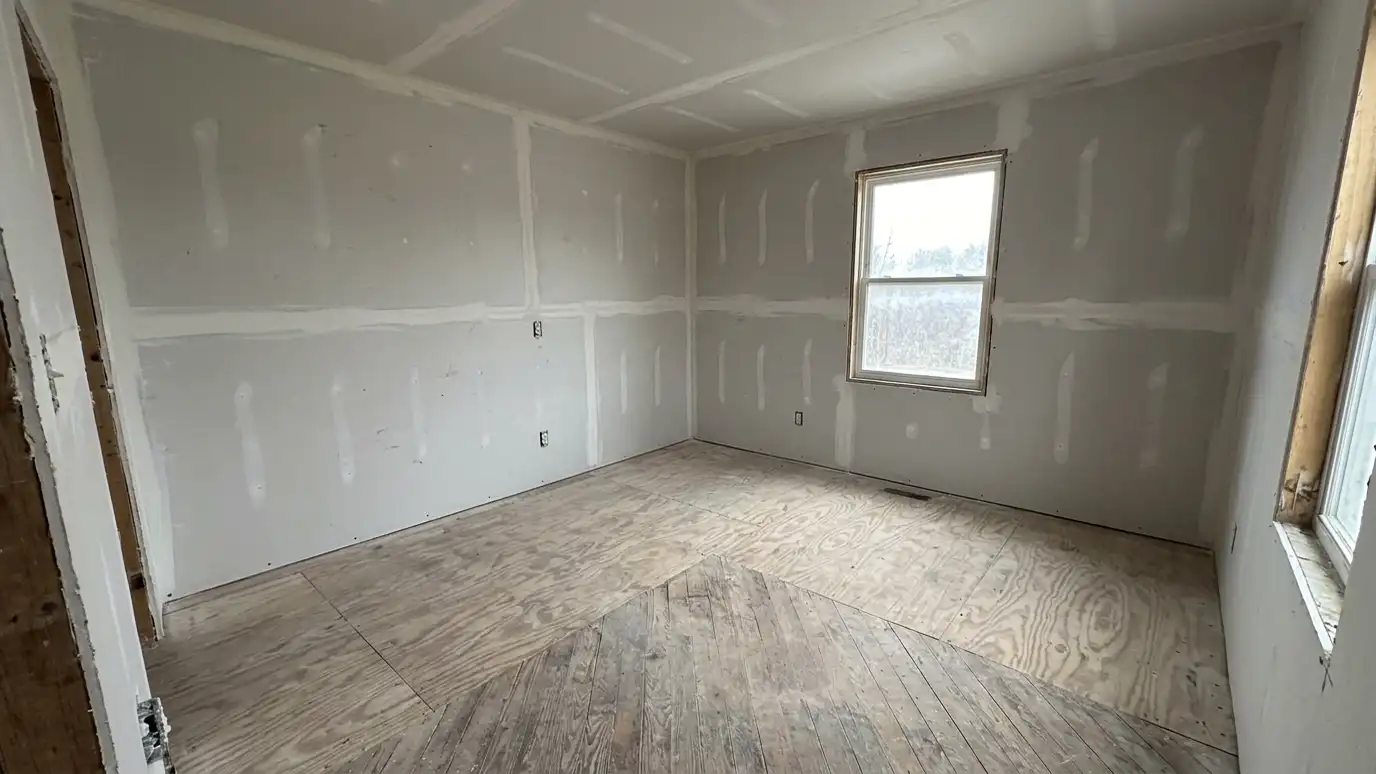
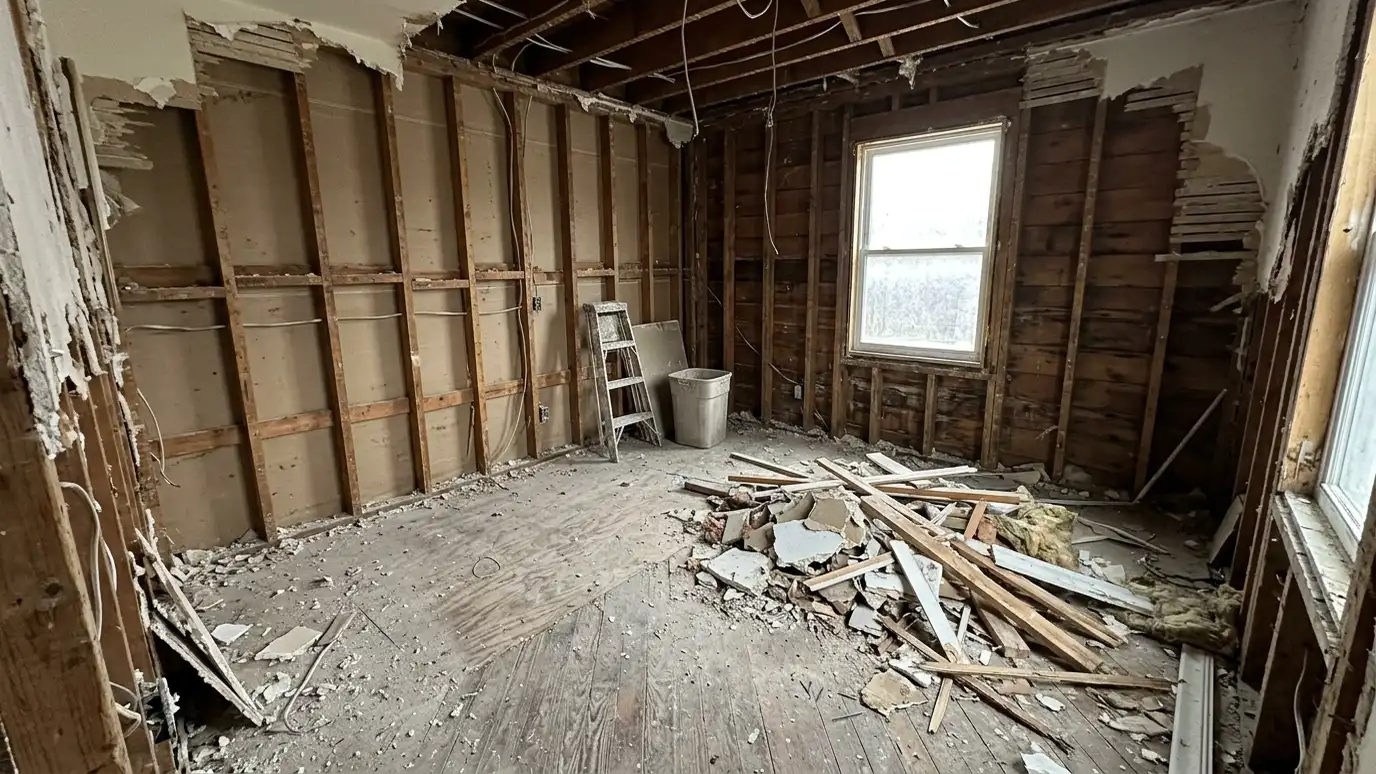 BeforeAfter
Carpet stays tight and tidy.
Laminate and vinyl stack neatly.
Heavy loads sit on the floor of the box.
Your area tells us the size.
A low-side box for big tile jobs.
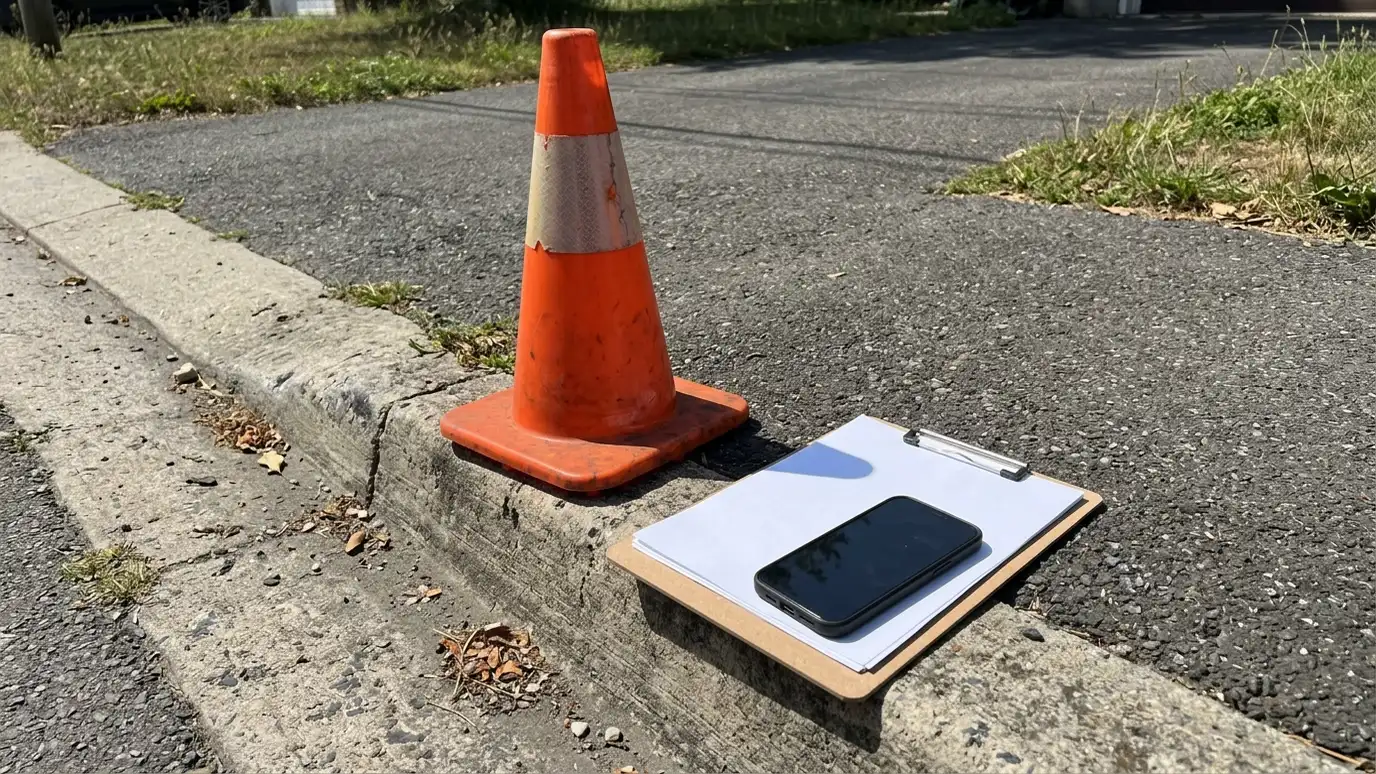
Short carries from room to container.
Every topic has its own page with what to expect and how we approach it.
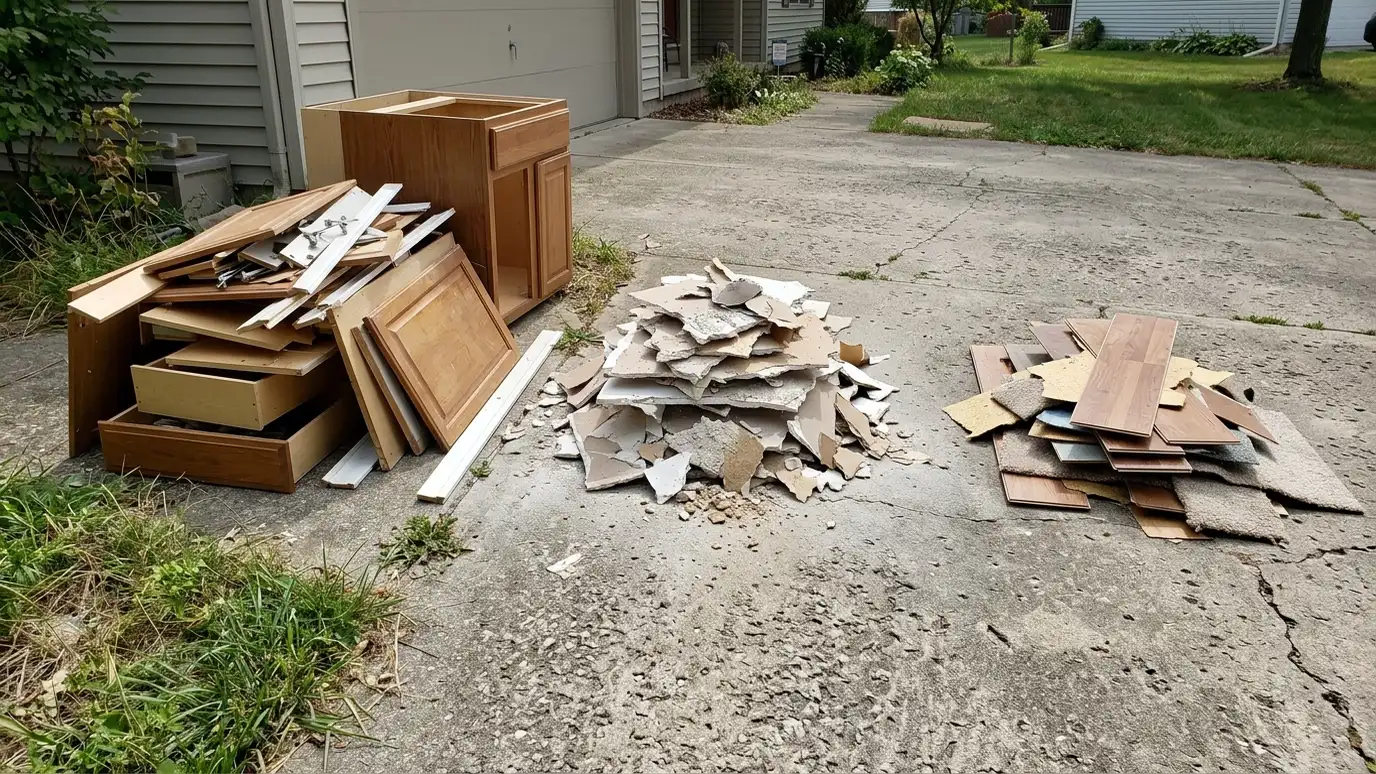 Comparison guideEstimating Remodel DebrisHow to estimate the debris from a kitchen, bath, flooring, roof or whole-house remodel so you can pick…Learn more
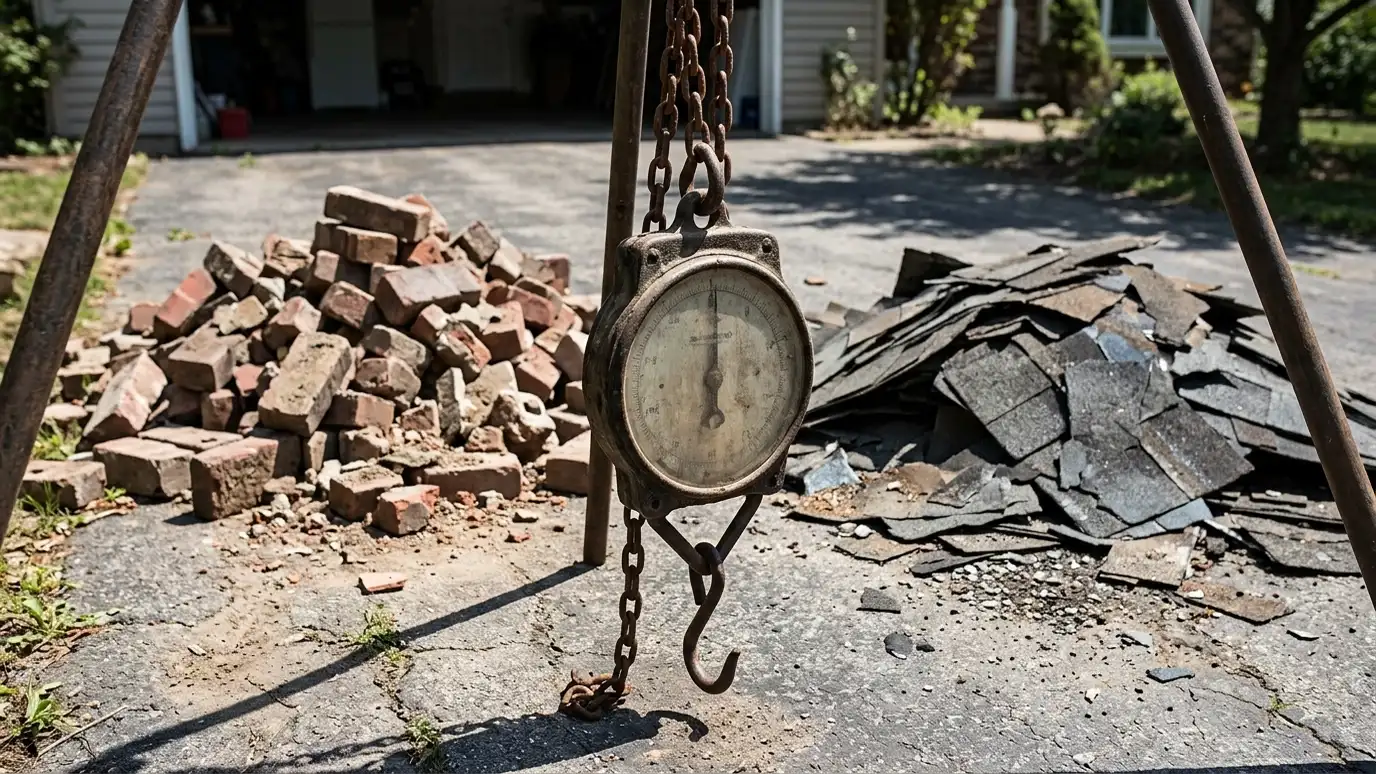 Comparison guideDumpster Weight ExplainedHow weight allowances work, which materials are heaviest and how to keep a load within its limit.Learn more
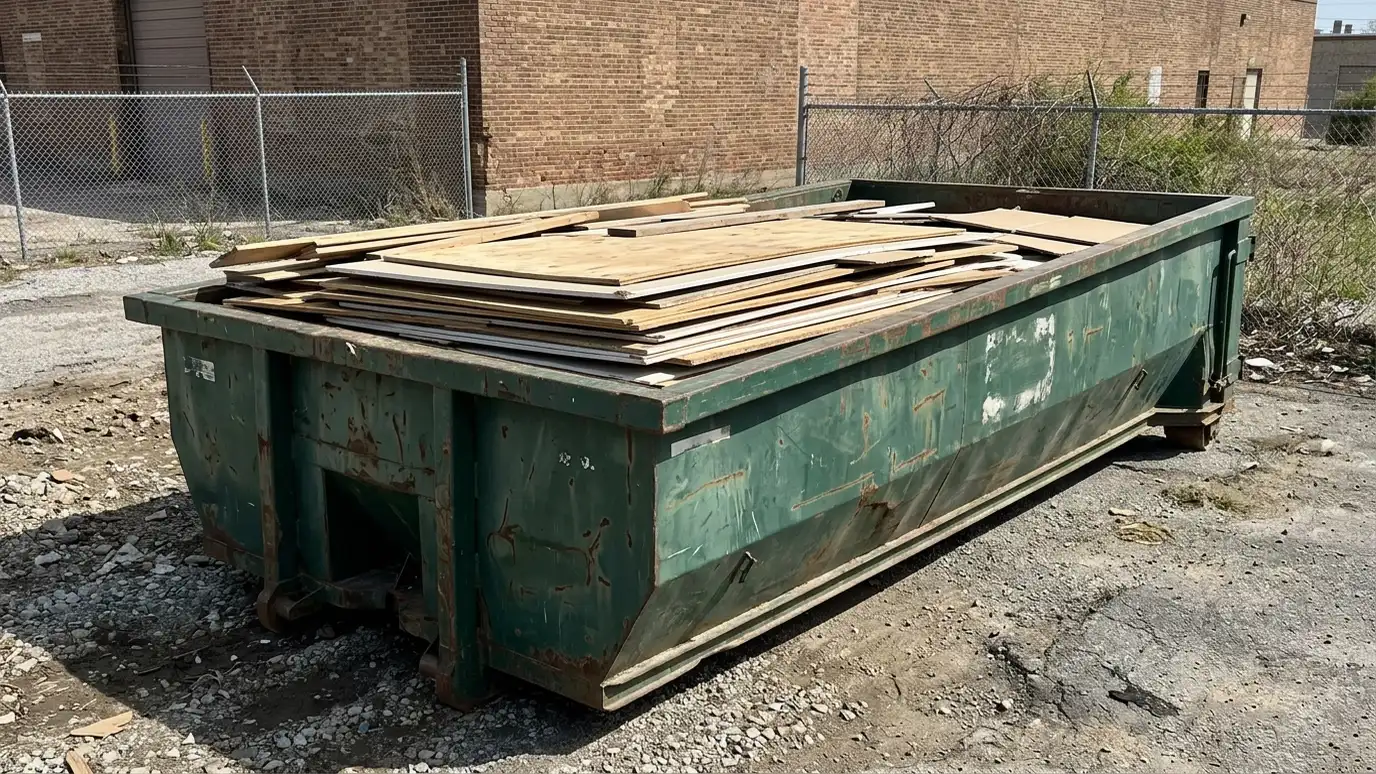 Comparison guideHow to Load a DumpsterA simple method for loading heavy items first, spreading the weight, staying below the fill line and keeping…Learn more
Add shingles, concrete, drywall, furniture and other debris to see a planning weight, which container fits and which materials need a low-side box.
You tell us what you are removing, where the container will sit and when you need it, and we recommend a size and set the details.
We check the spot, the slope, the wires and the truck path from photos or a visit and talk through weight and materials.
You get a plain written quote with the size, the rental days, the weight allowance and the terms before anything is scheduled.
The truck sets the container where we agreed, on plywood when needed, and we confirm the placement with you.
Load heavy items first, spread the weight, keep prohibited items out and stay below the fill line. Call if you need a swap or more days.
Call when you are done and we schedule the pickup, haul the container and leave the site ready for the next step.
A ten or fifteen-yard handles most rooms and some whole floors.
Roll it tightly and tape it to save space.
Yes, but it is heavy, so keep it low and tell us how much.
Yes. Pad is light but bulky, so roll it too.
For a lot of tile, a low-side container is a safer plan.
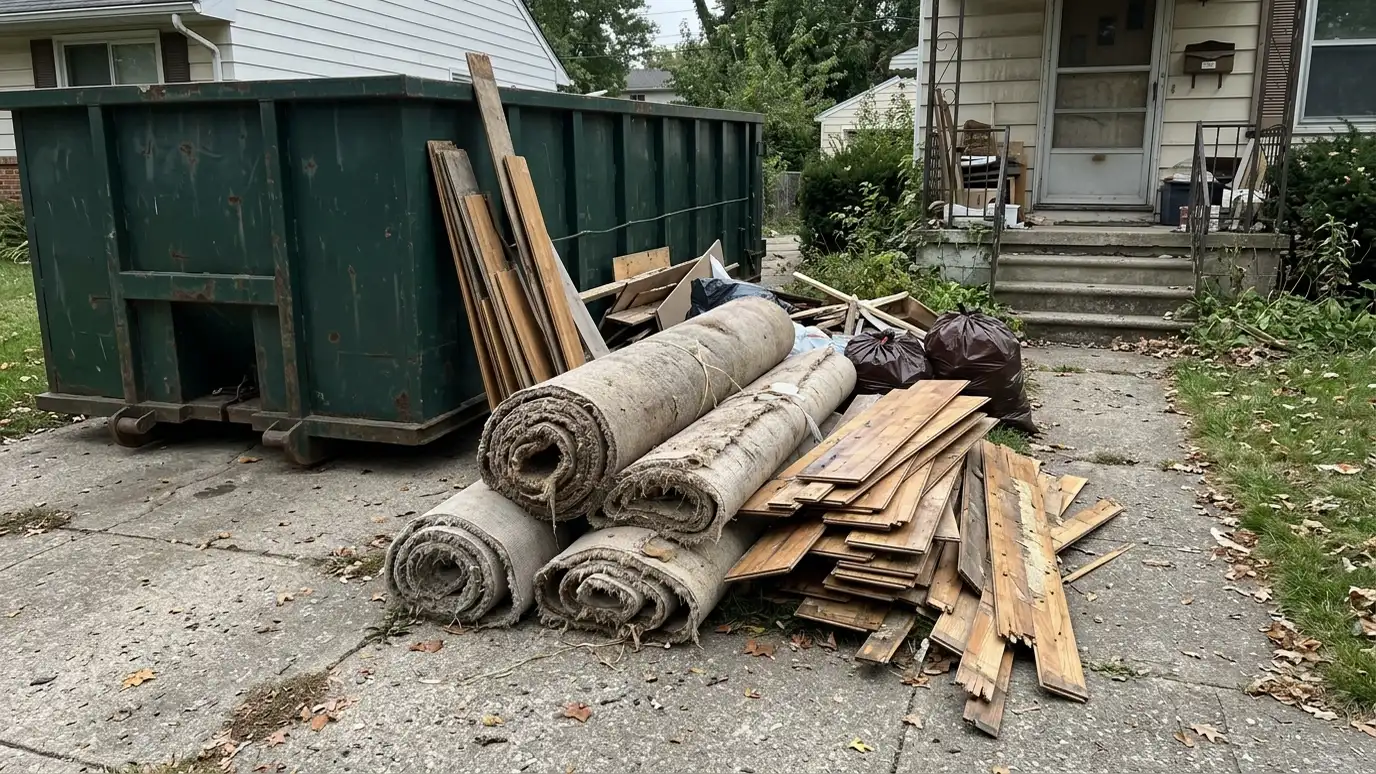 Flooring Removal DumpstersFlooring and carpet removal dumpsters for old carpet, pad, tile, hardwood and laminate, with weight tips and sizes…Explore
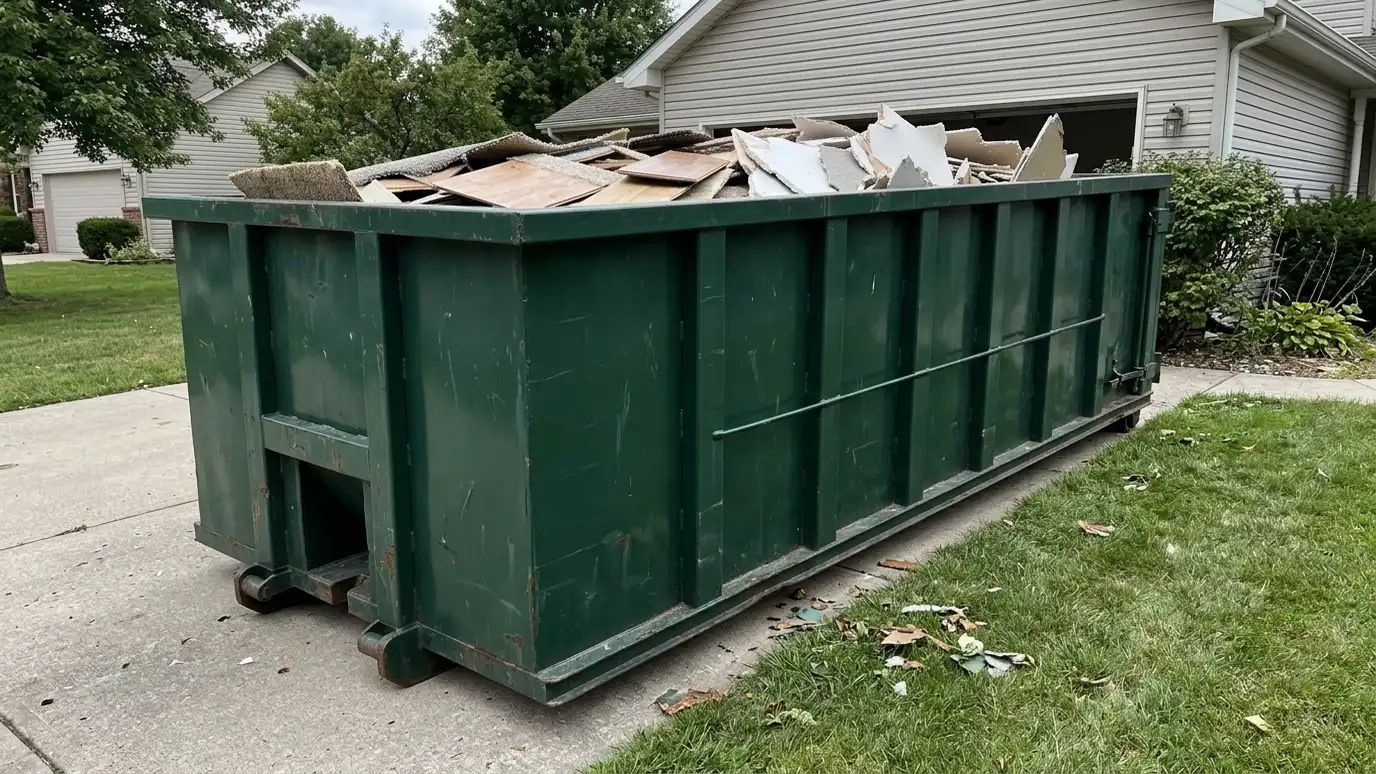 Fifteen-Yard DumpsterFifteen-yard roll-off dumpster rental for kitchen remodels, flooring removal, medium cleanouts and small roofing jobs that outgrow a…Explore
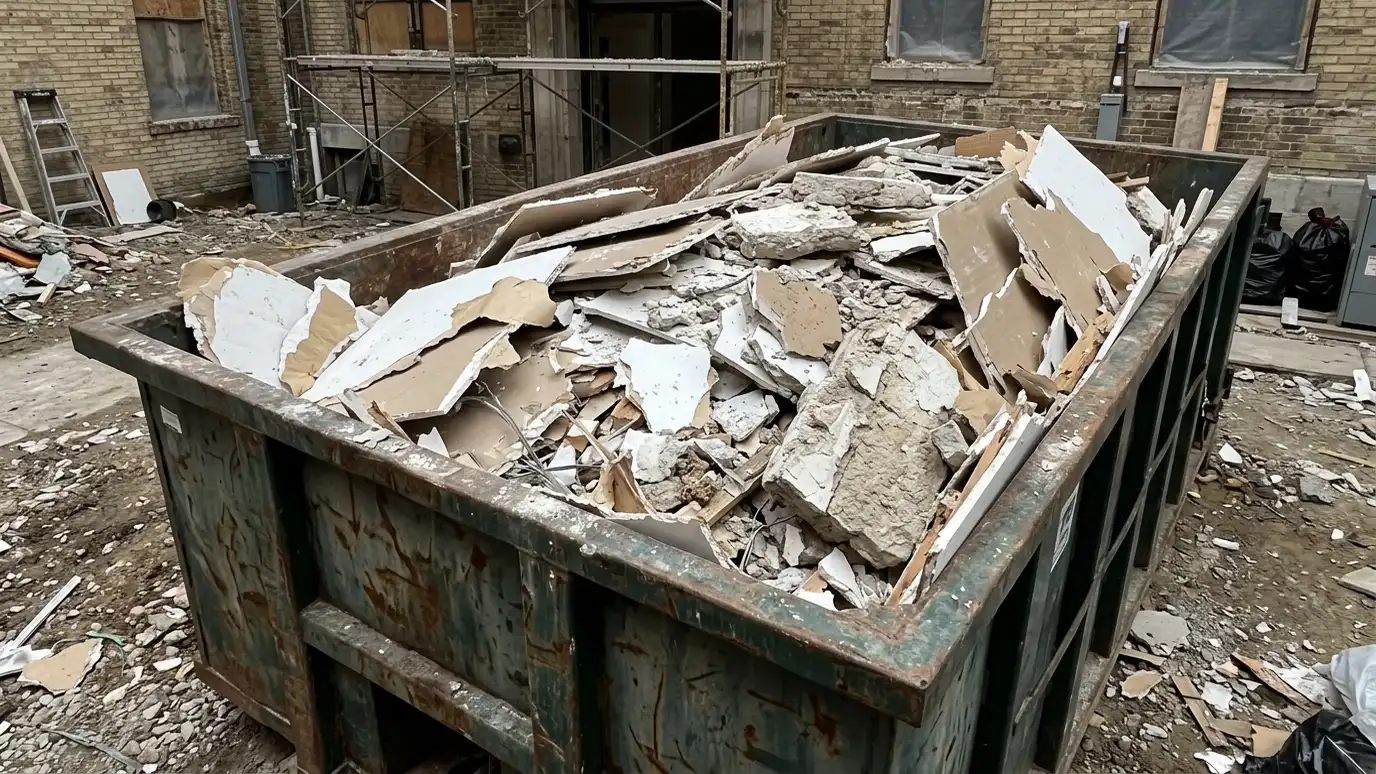 Drywall and Plaster DisposalDrywall and plaster disposal for sheets, scraps, lath and old plaster walls, with notes on weight, water and…Explore
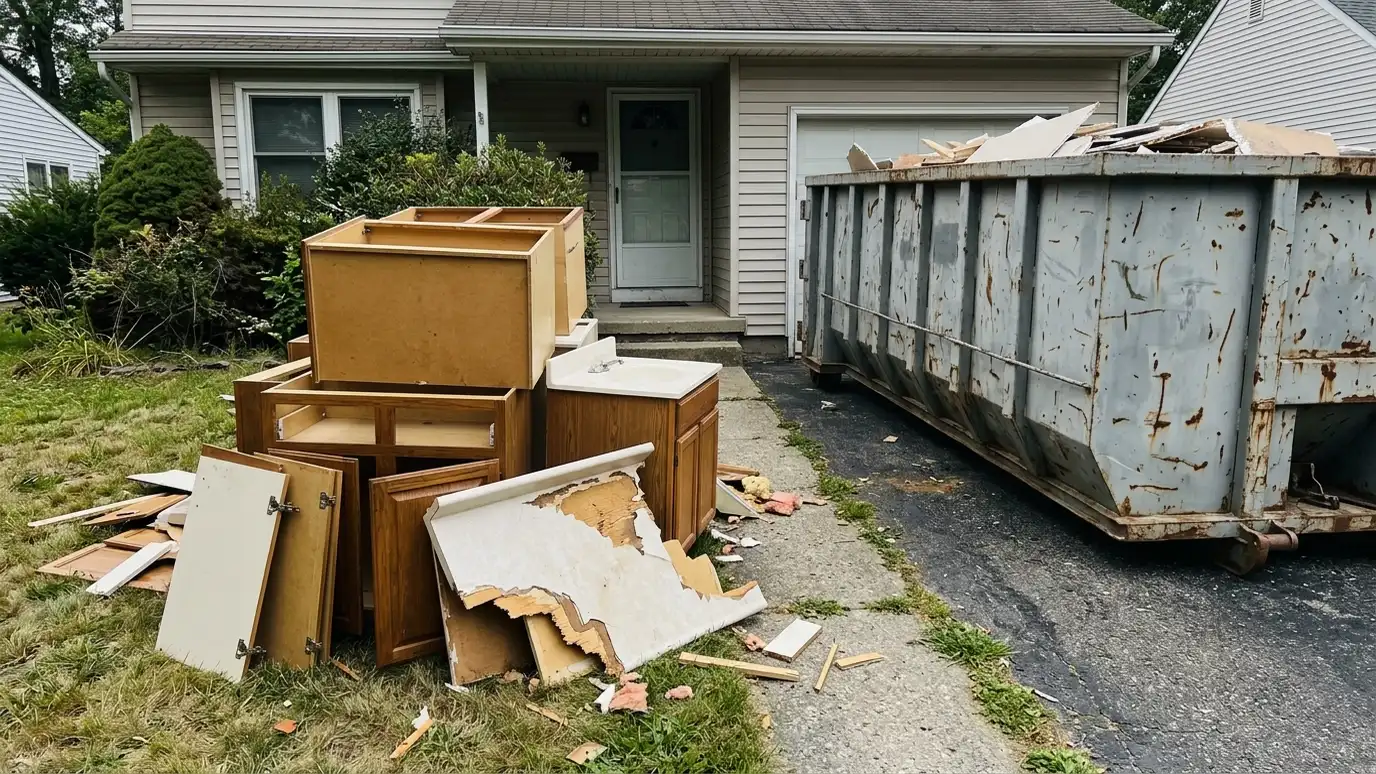 Kitchen and Bath DumpstersKitchen and bath remodel dumpsters sized for cabinets, countertops, tile, fixtures and drywall, with advice on weight and…Explore
Tell us about your project and we will call you back to set up delivery.
Or call (615) 357-7797 to talk now.