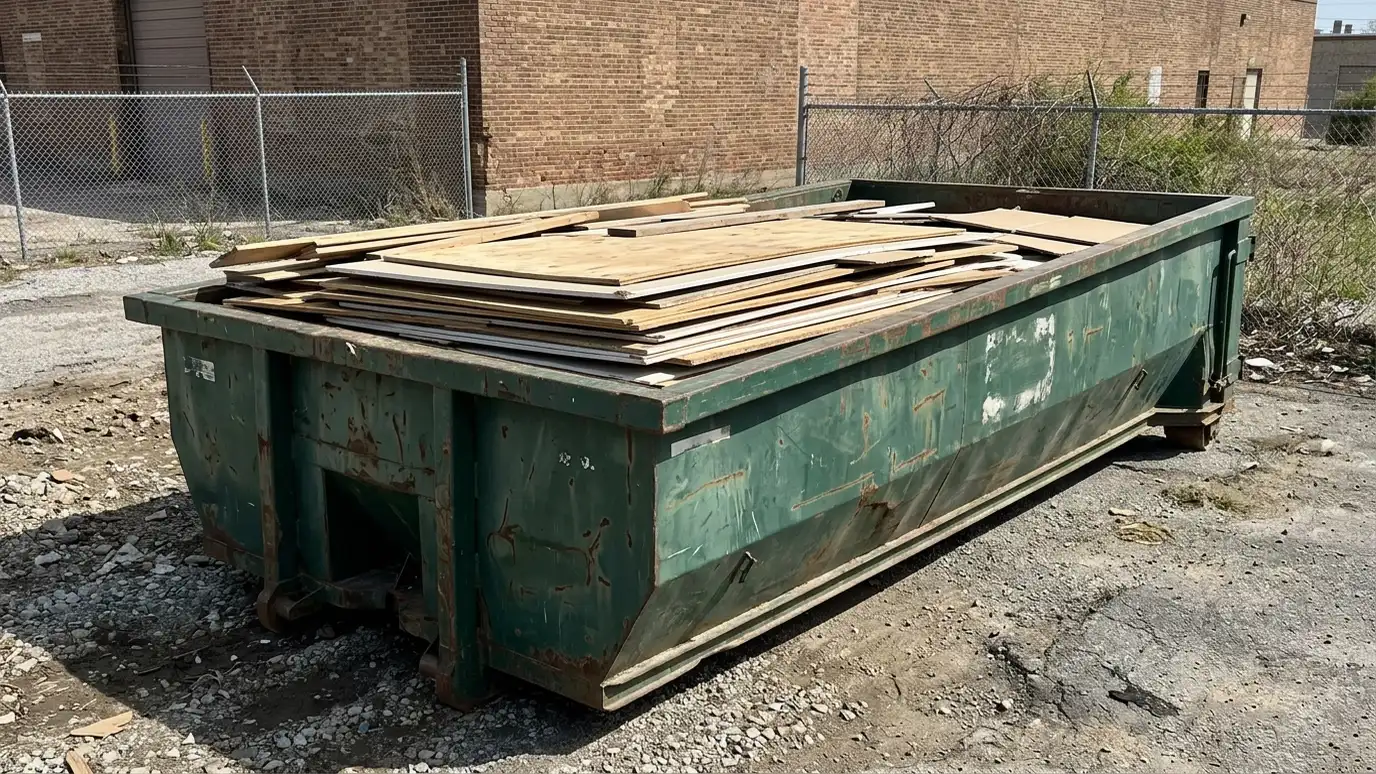
A simple method for loading heavy items first, spreading the weight, staying below the fill line and keeping everyone safe.
A little method makes a container hold more and keeps everyone safe. Start with the biggest, flattest items along the floor, then fill the gaps with smaller pieces. Heavy items go first and low, and light items go on top. Break down furniture, flatten boxes and cut long boards to fit. Always stop at the fill line, because an overloaded container cannot be hauled.
Safety starts before the first load. Wear gloves, boots and eye protection, use the walk-in door or a ladder instead of climbing over the sides and keep children and pets away. People in Nashville who work in teams find it helps to assign one person to arrange the load inside the container while the others carry. Keep the path clear and take breaks, because tired people make mistakes.
Start with the largest, flattest items.
Even loading is safer to haul.
Short pieces pack tighter.
Never load above it.
Use the door or a ladder.
One person arranges the load.
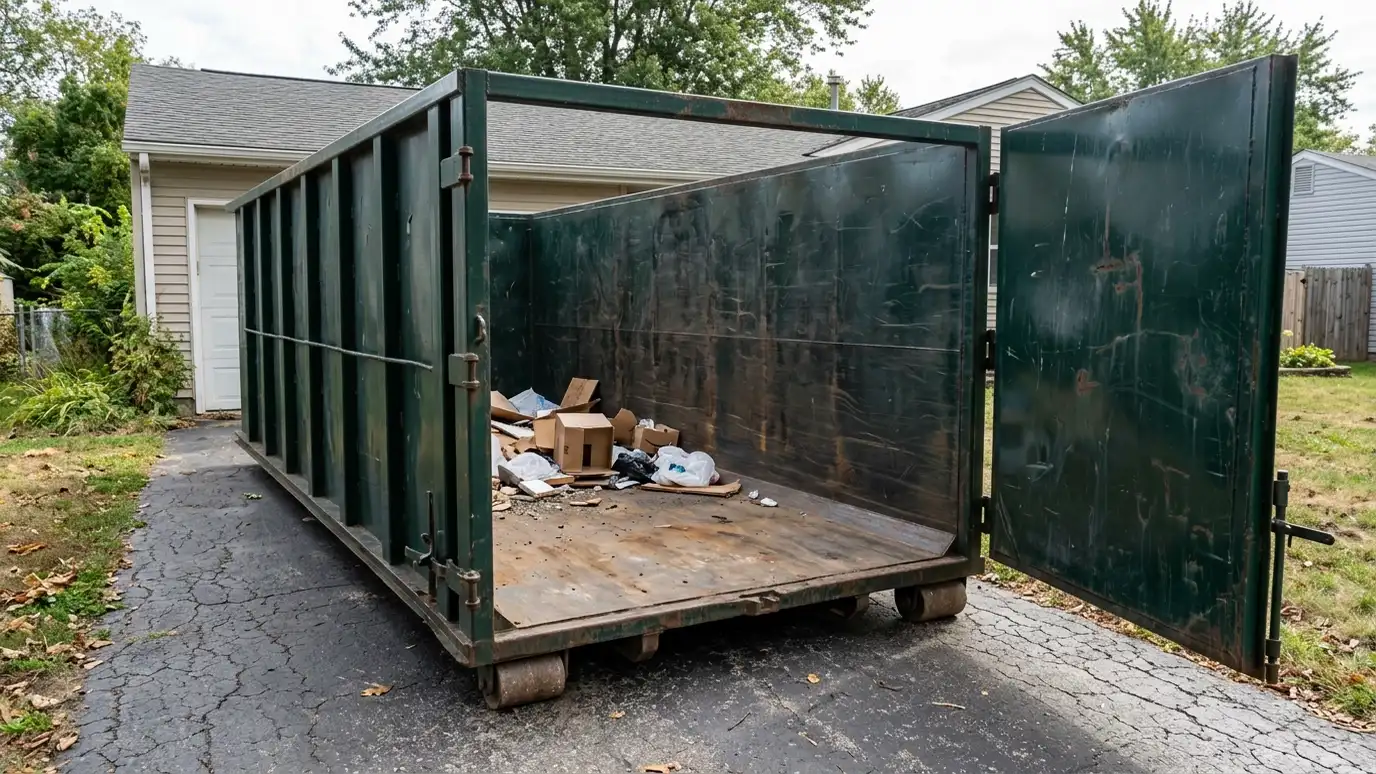 Walk-In Door DumpstersWalk-in door dumpsters with a rear swing door or ramp-style access so you can walk bulky items in…Explore
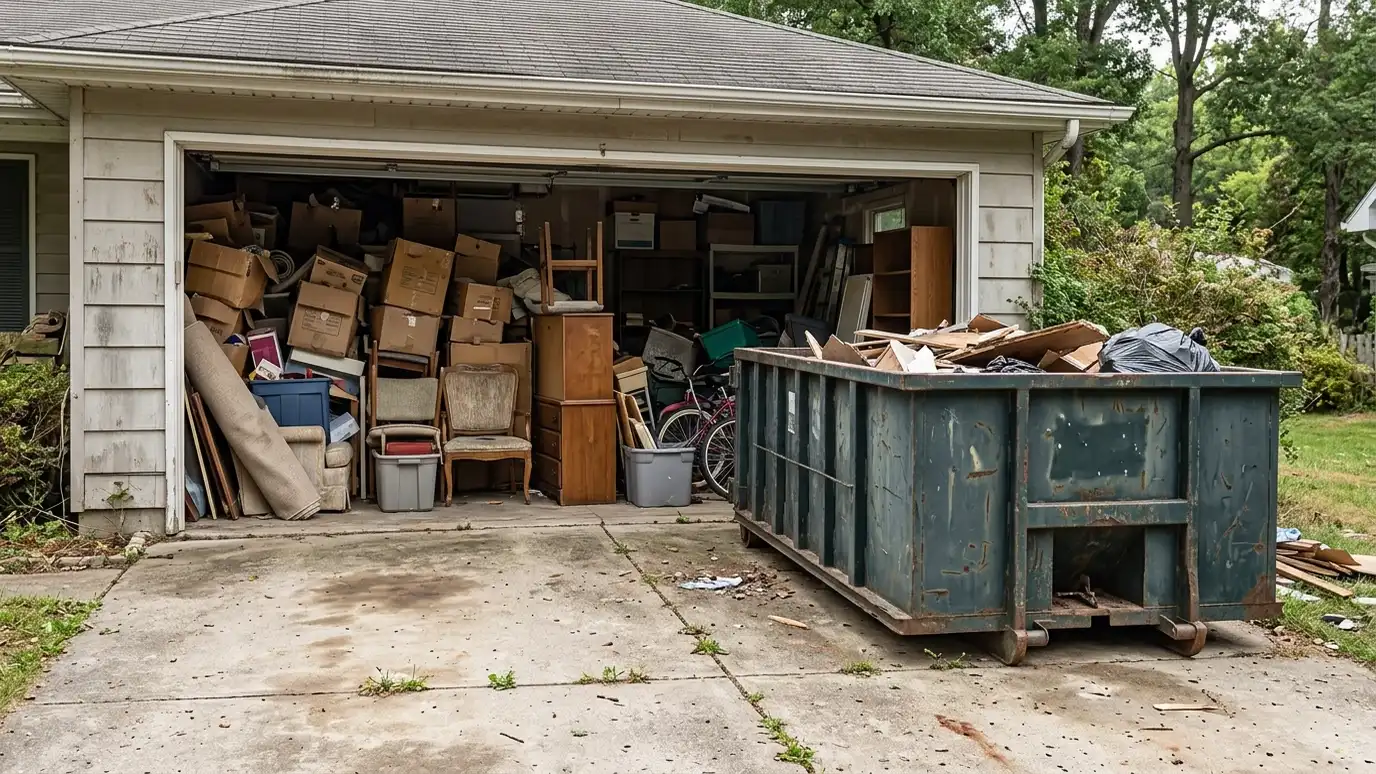 Garage Cleanout DumpstersGarage and basement cleanout dumpsters that make it easy to clear years of boxes, broken furniture and stored…Explore
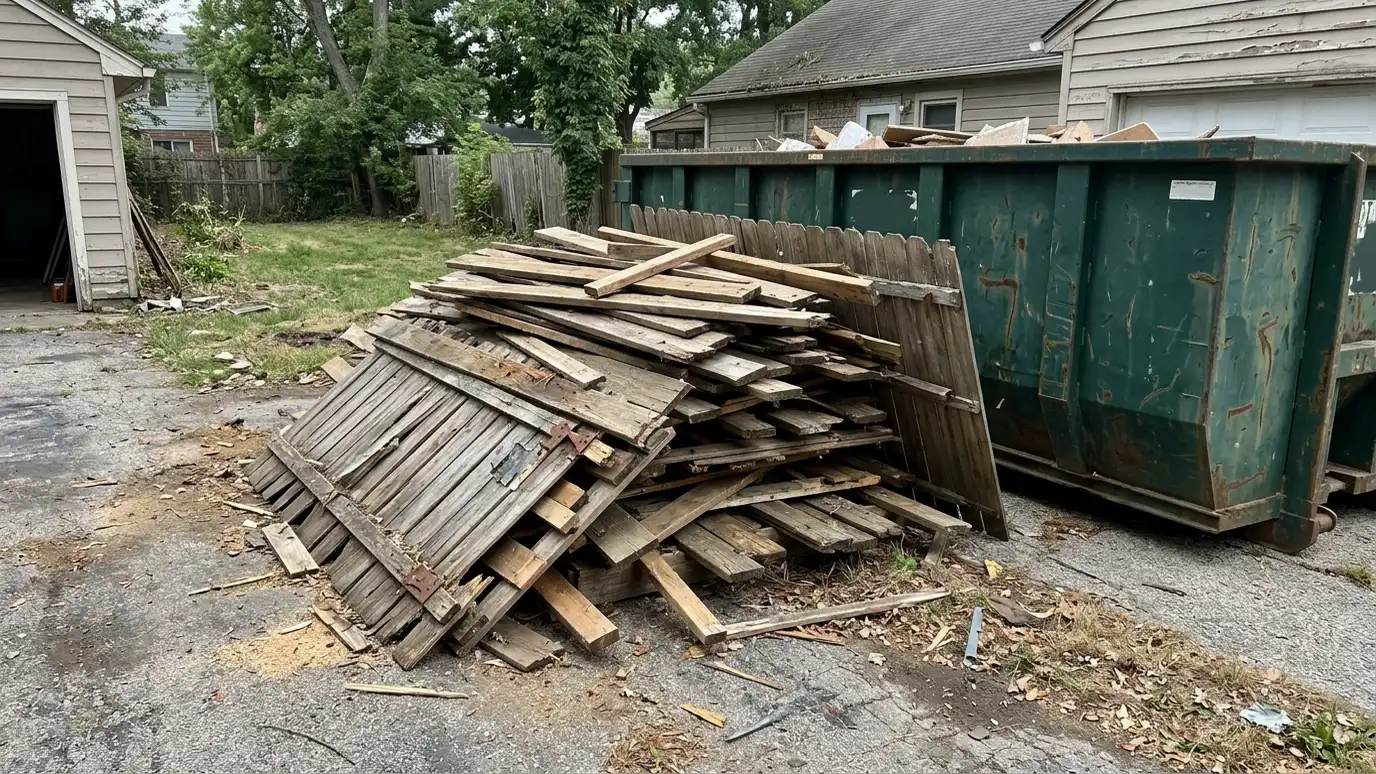 Deck and Fence DumpstersDeck, fence and shed removal dumpsters for old boards, posts, panels and outbuildings, with tips for nails, treated…Explore
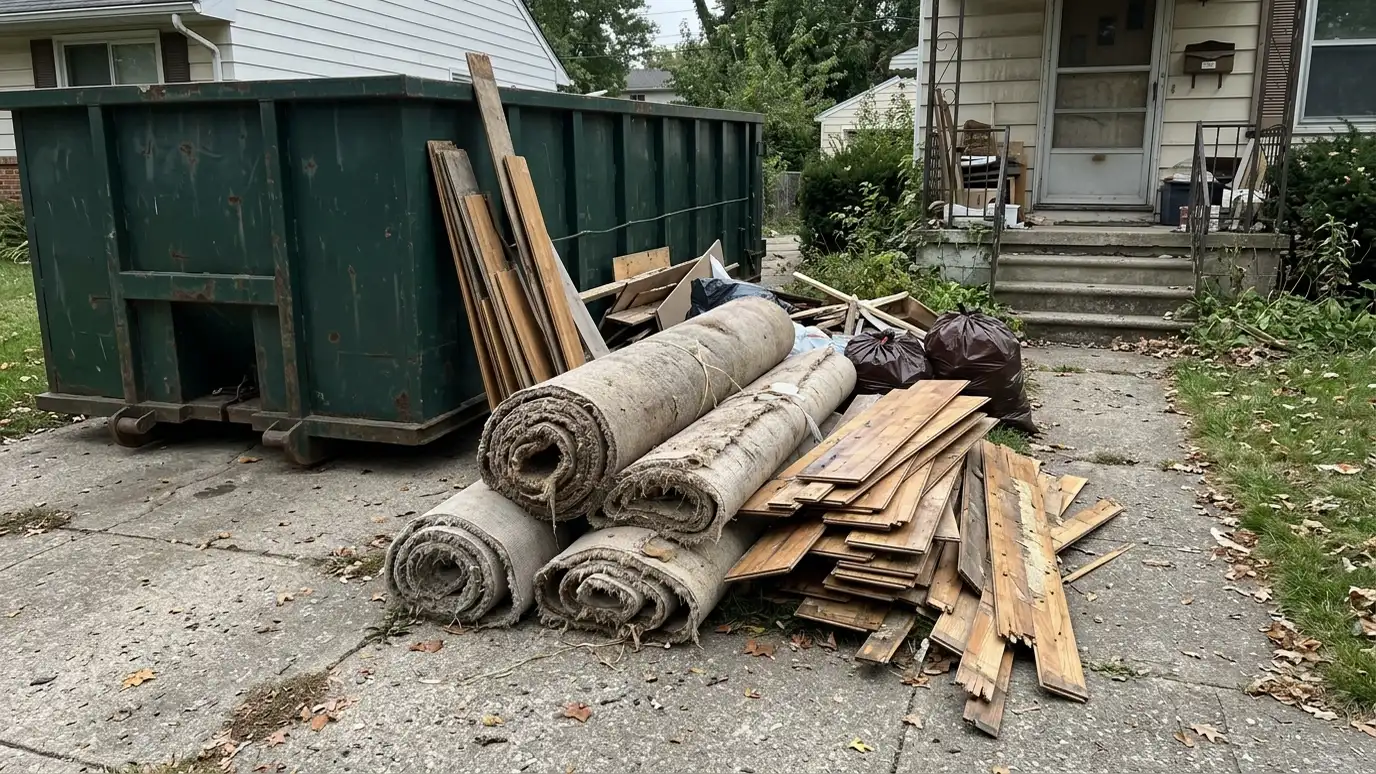 Flooring Removal DumpstersFlooring and carpet removal dumpsters for old carpet, pad, tile, hardwood and laminate, with weight tips and sizes…Explore
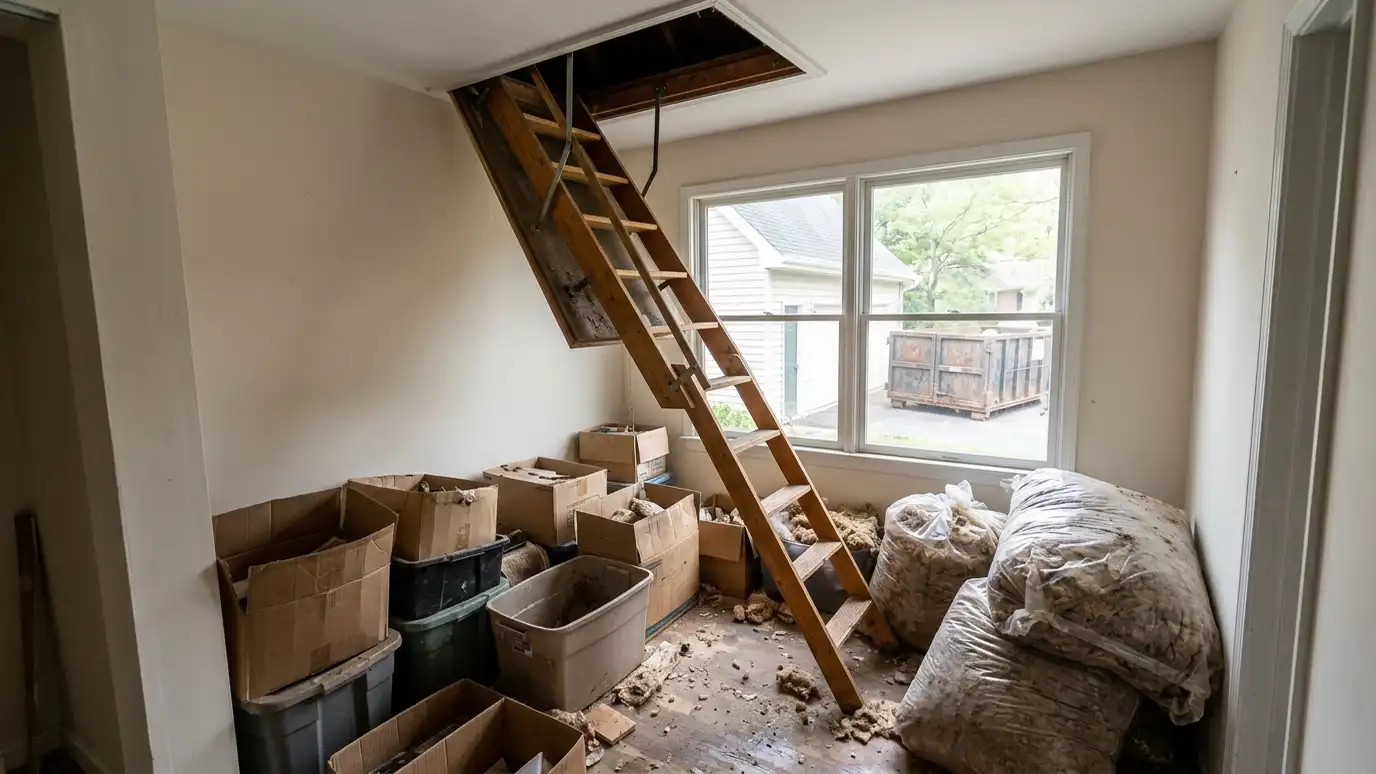 Attic Cleanout DumpstersAttic and crawl space cleanout dumpsters for old boxes, insulation, stored furniture and debris, with safety tips for…Explore
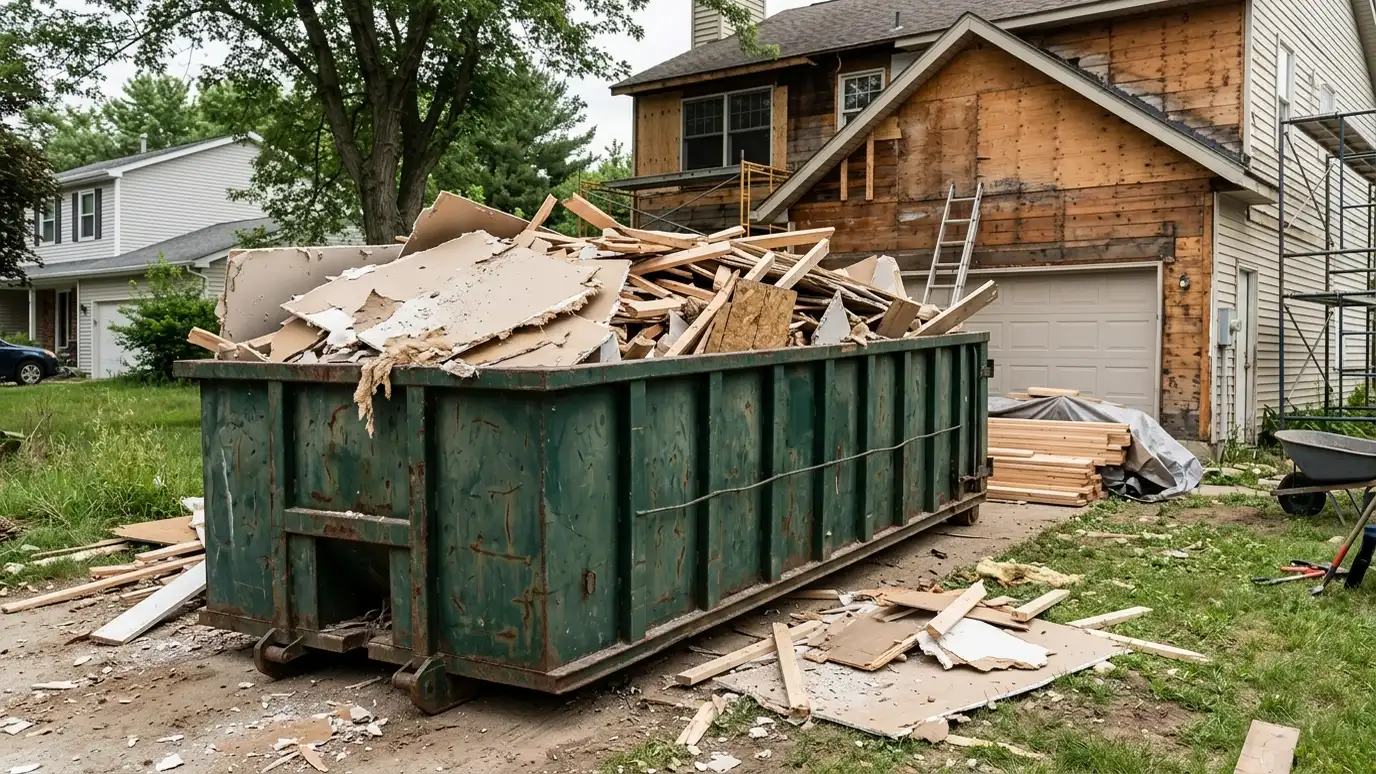 Drywall and Framing DumpstersDrywall and framing debris dumpsters for new builds, additions and remodels, with sizes and loading tips for bulky…Explore
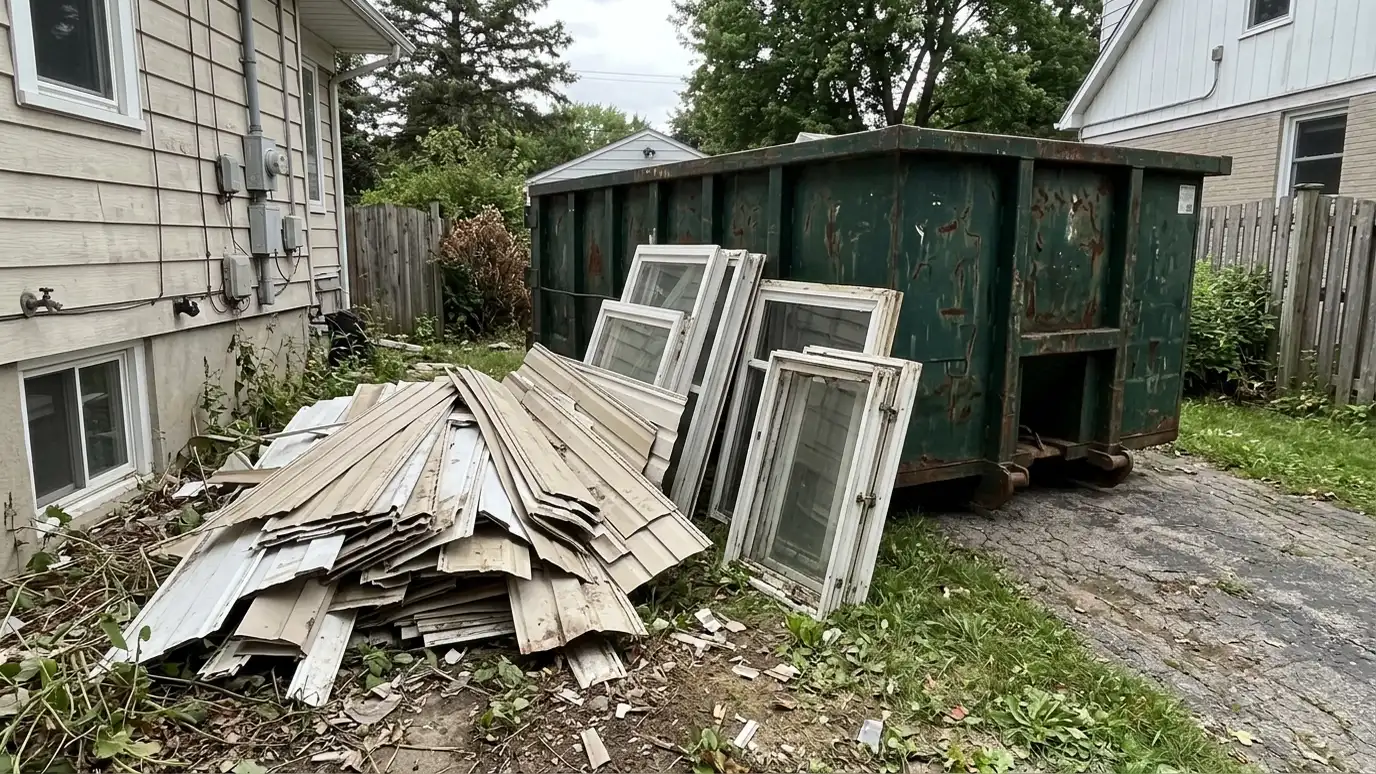 Siding and Window DumpstersSiding and window replacement dumpsters for old panels, trim, frames and glass, with safe loading tips and sizes…Explore
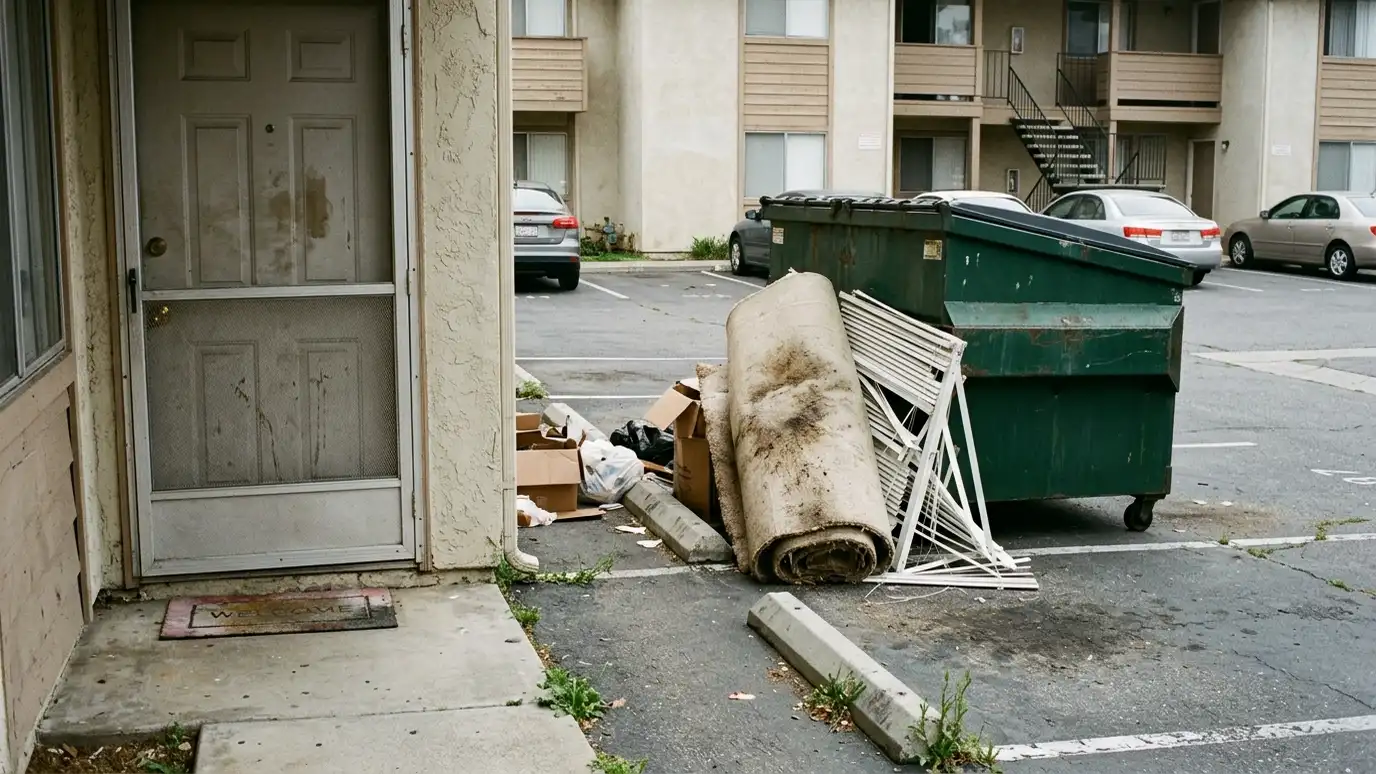 Apartment Turnover DumpstersApartment turnover dumpsters for clearing carpet, blinds, appliances and left-behind items between tenants, with walk-in options and quick…Explore
Plan your driveway, size a job or ballpark a budget.
 Dumpster Placement StudioDraw your driveway, pick a container size and see a top-down plan with truck clearance, plywood and overhead checks, then send the plan to us.Try it
 Dumpster Size CalculatorPick your project and its size to see the roll-off size that usually fits, with truck-load estimates and notes on weight and space.Try it
 Dumpster Rental Budget PlannerPick a container size, rental period and extras like swaps, permits help and heavy material to see a ballpark planning range. Placeholder values only.Try it
Break down items, flatten boxes and fill gaps with small pieces.
Avoid it. Use a walk-in door or a ladder.
Gloves, sturdy boots and eye protection.
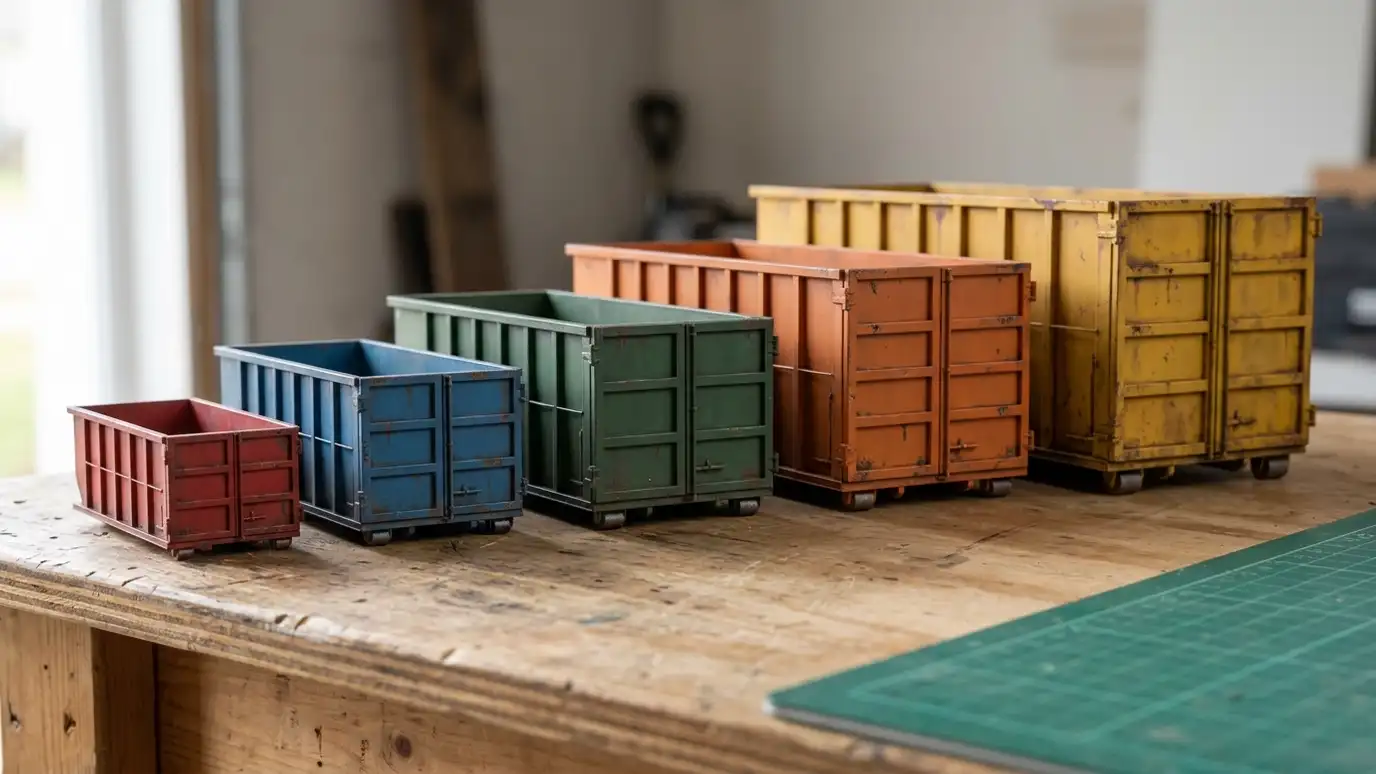 Comparison guideDumpster Sizes ComparedHow the five common roll-off sizes differ in length, wall height, capacity and the kinds of projects each…Learn more
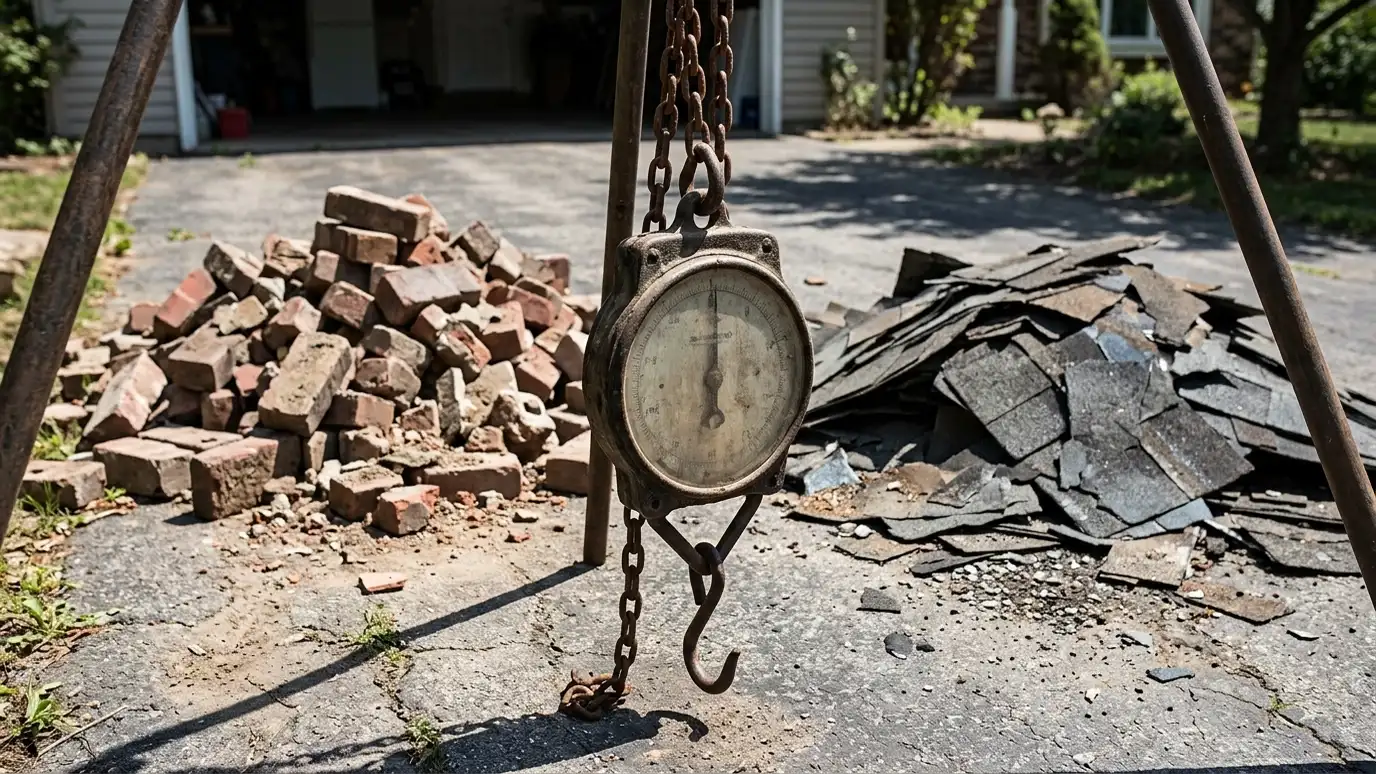 Comparison guideDumpster Weight ExplainedHow weight allowances work, which materials are heaviest and how to keep a load within its limit.Learn more
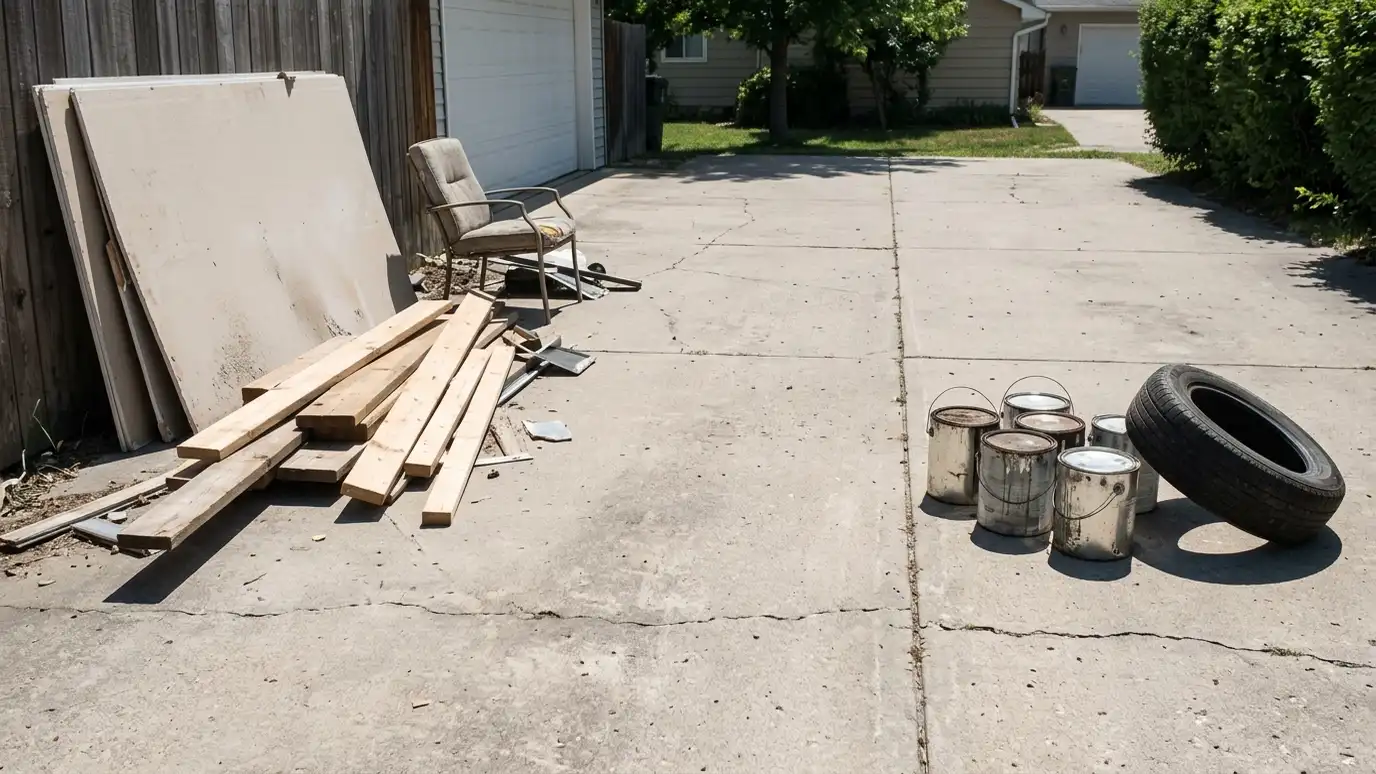 Comparison guideWhat Goes in a DumpsterA plain list of the materials that are usually accepted, the ones that need special handling and the…Learn more
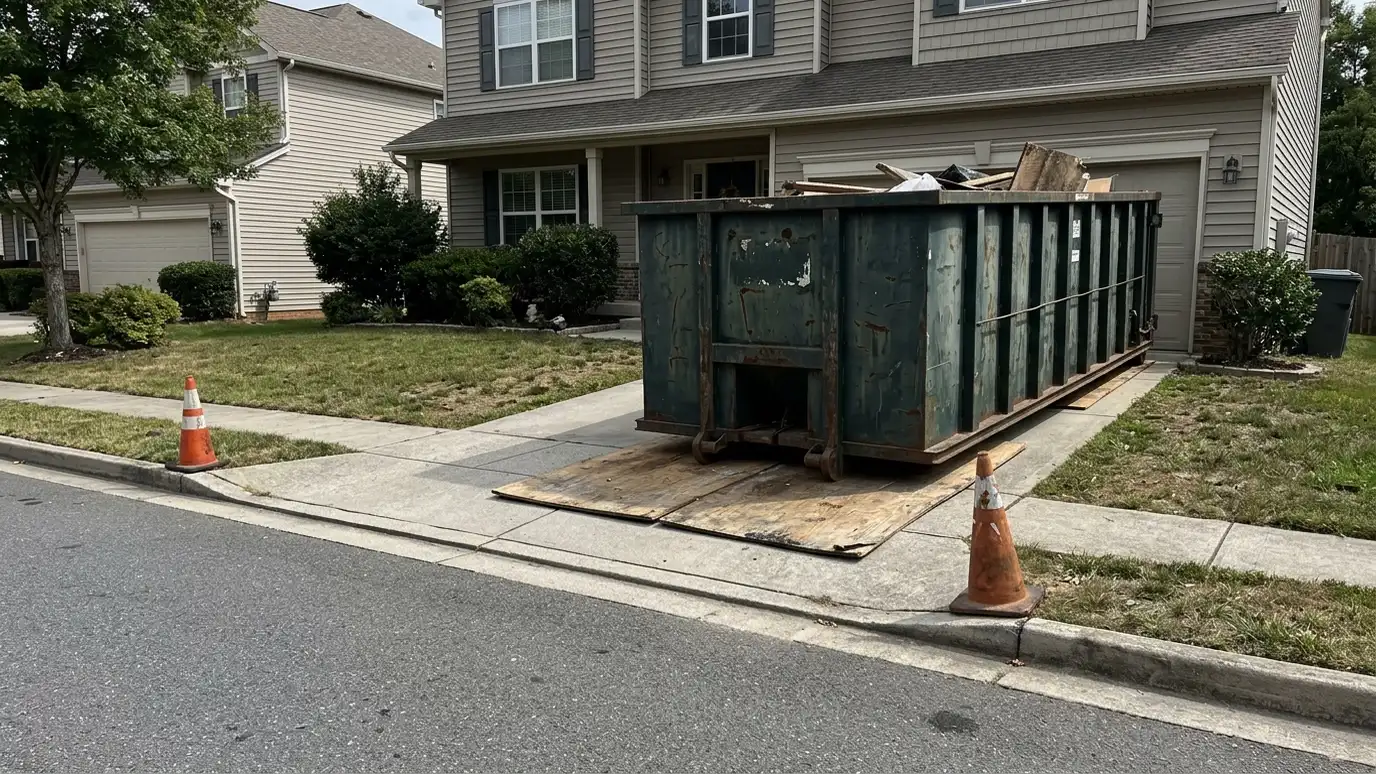 Comparison guideDumpster Placement RulesWhere a dumpster can sit, how much space it needs, what to check before delivery and when street…Learn more
Call us and describe your project. We will recommend a size, check the spot and give you a clear written quote.