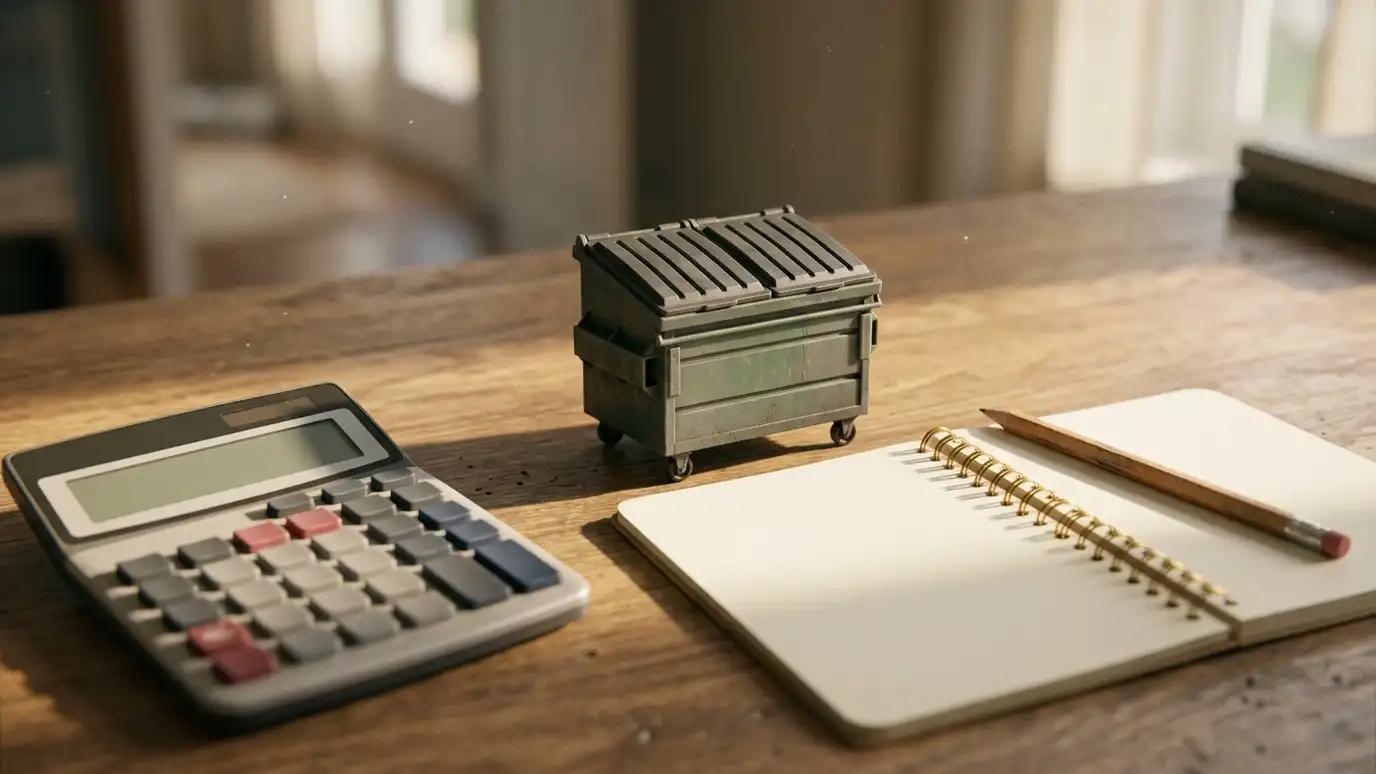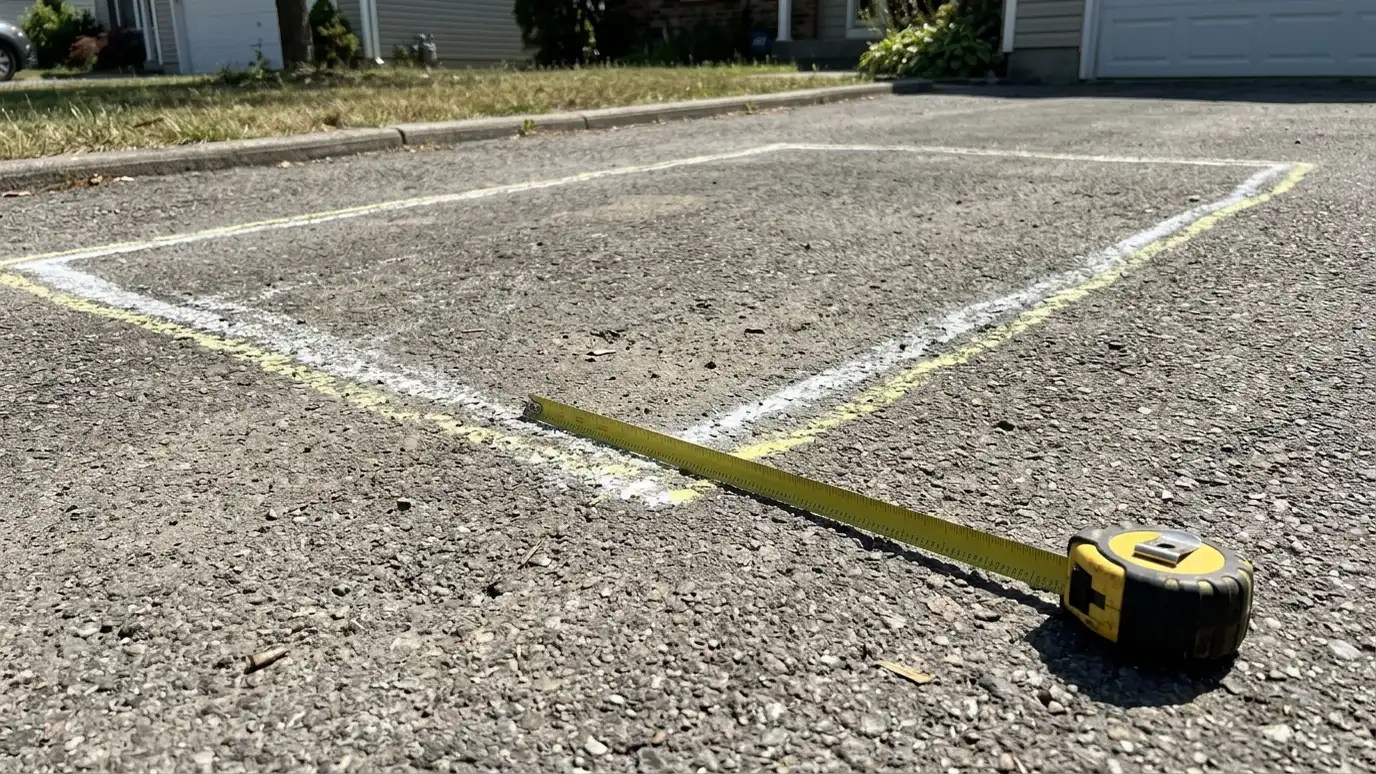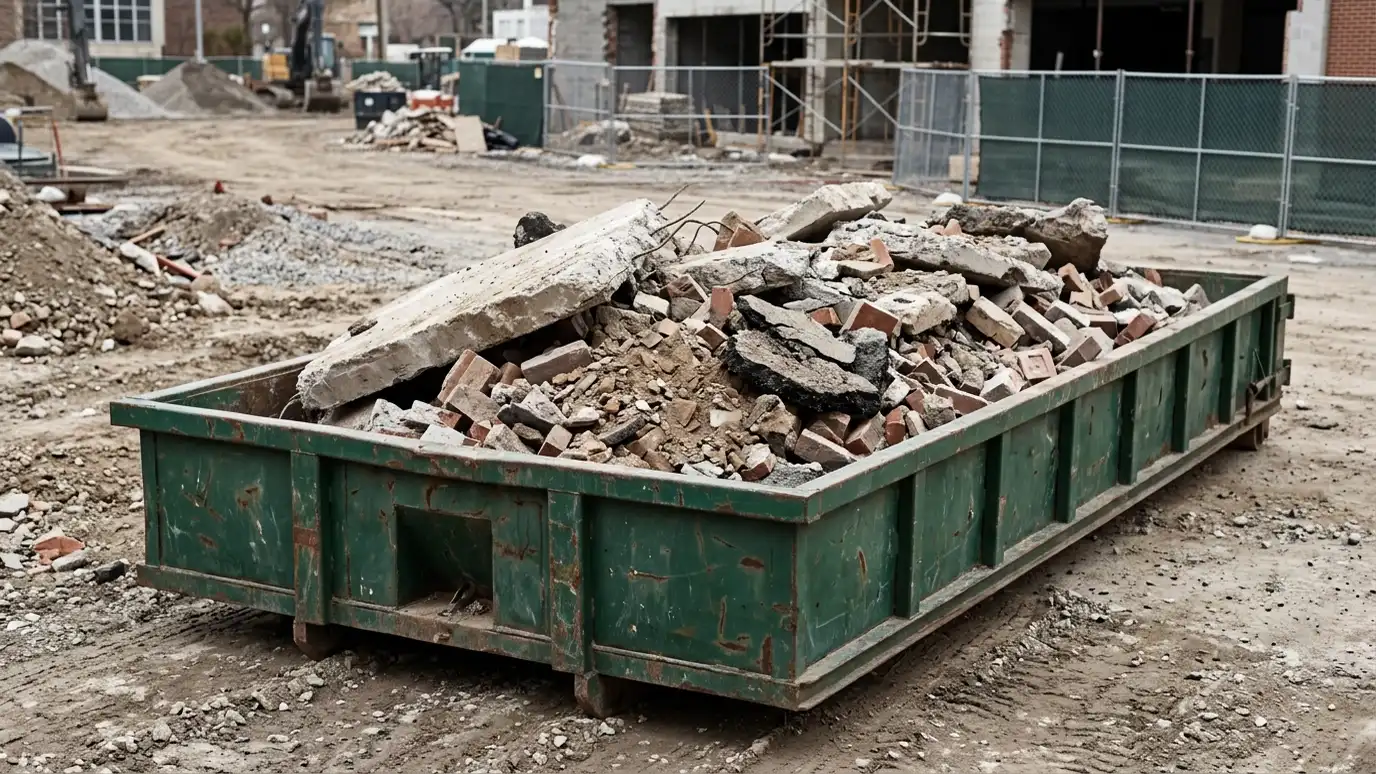
Concrete, asphalt and brick dumpsters in low-side containers sized to keep dense loads within safe weight limits.
Concrete, asphalt and brick are some of the heaviest materials a dumpster ever holds. A small volume weighs a lot, which is why a container only partly filled with slabs can already be at its limit. In Nashville, driveways, patios, walkways and old foundations come out as chunks, and the right low-side container lets you load them without risking an overweight haul.
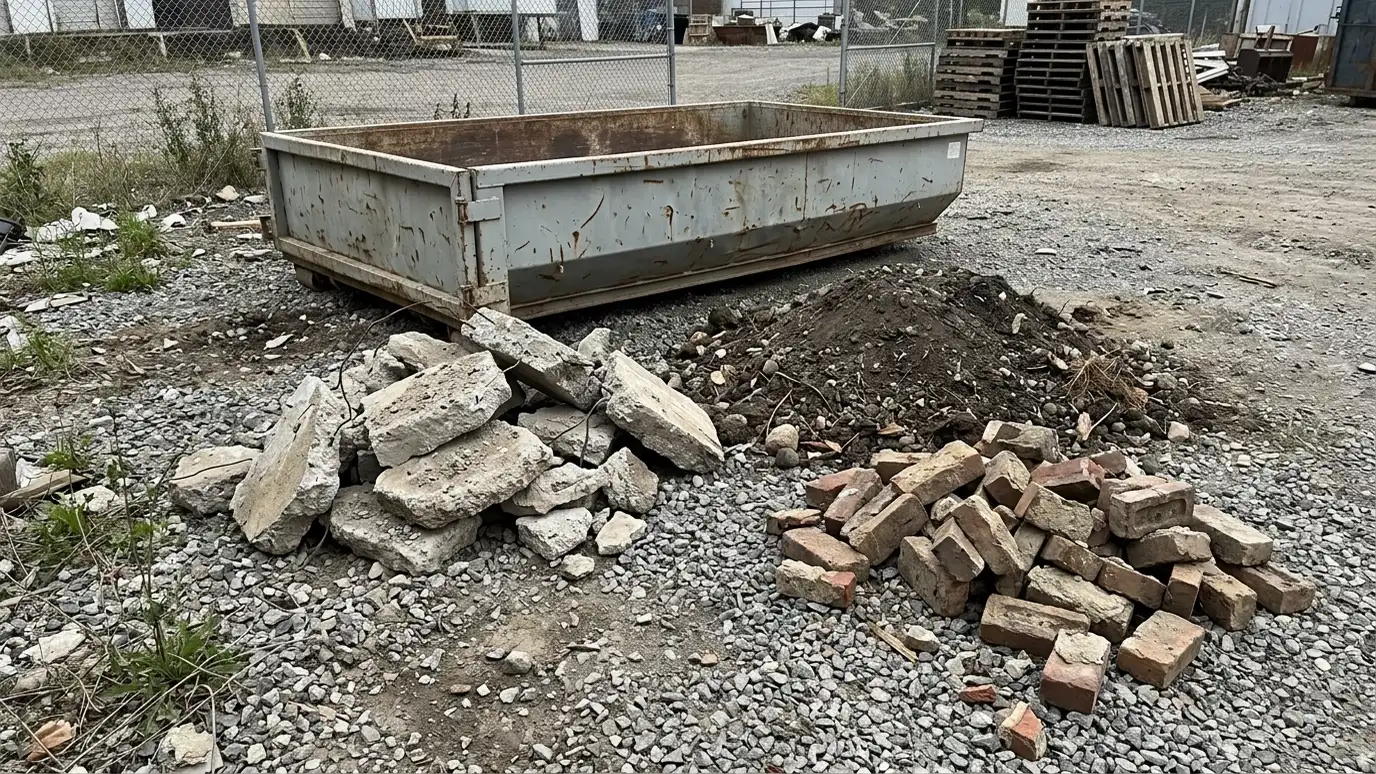
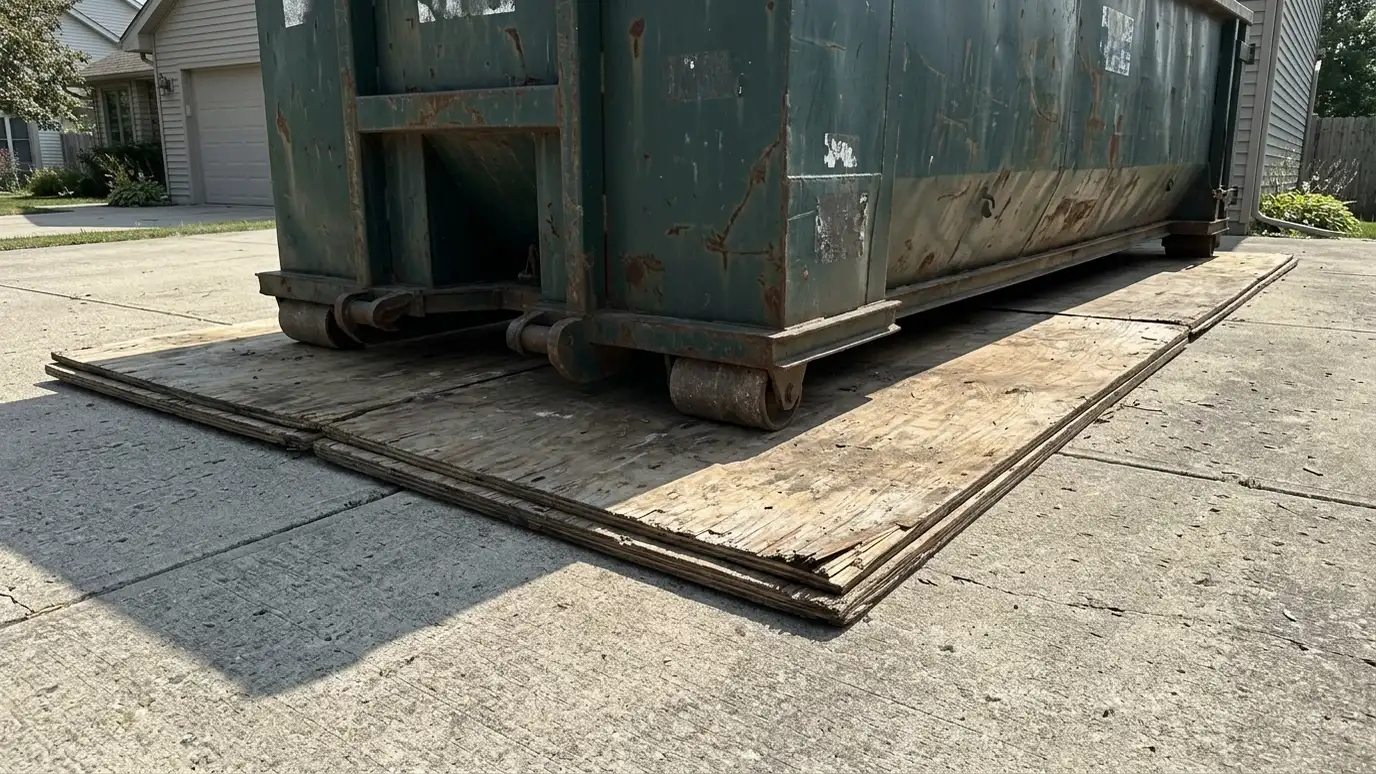
We recommend a ten-yard container for most concrete projects, with a fill line that keeps weight in check. Clean concrete handled alone is often processed differently from mixed debris, so keep it separate when you can. Remove rebar sticking out and break slabs into manageable pieces. We also explain how to place the container on a firm base and protect the driveway under it. A short chat about how much concrete you have helps us pick the right number of containers. Break slabs into pieces that two people can lift, and place them flat across the floor of the container instead of stacking them in a heap. Keep the fill line in mind, remove protruding rebar and never add lighter trash on top. If the amount is large, plan a second container early.
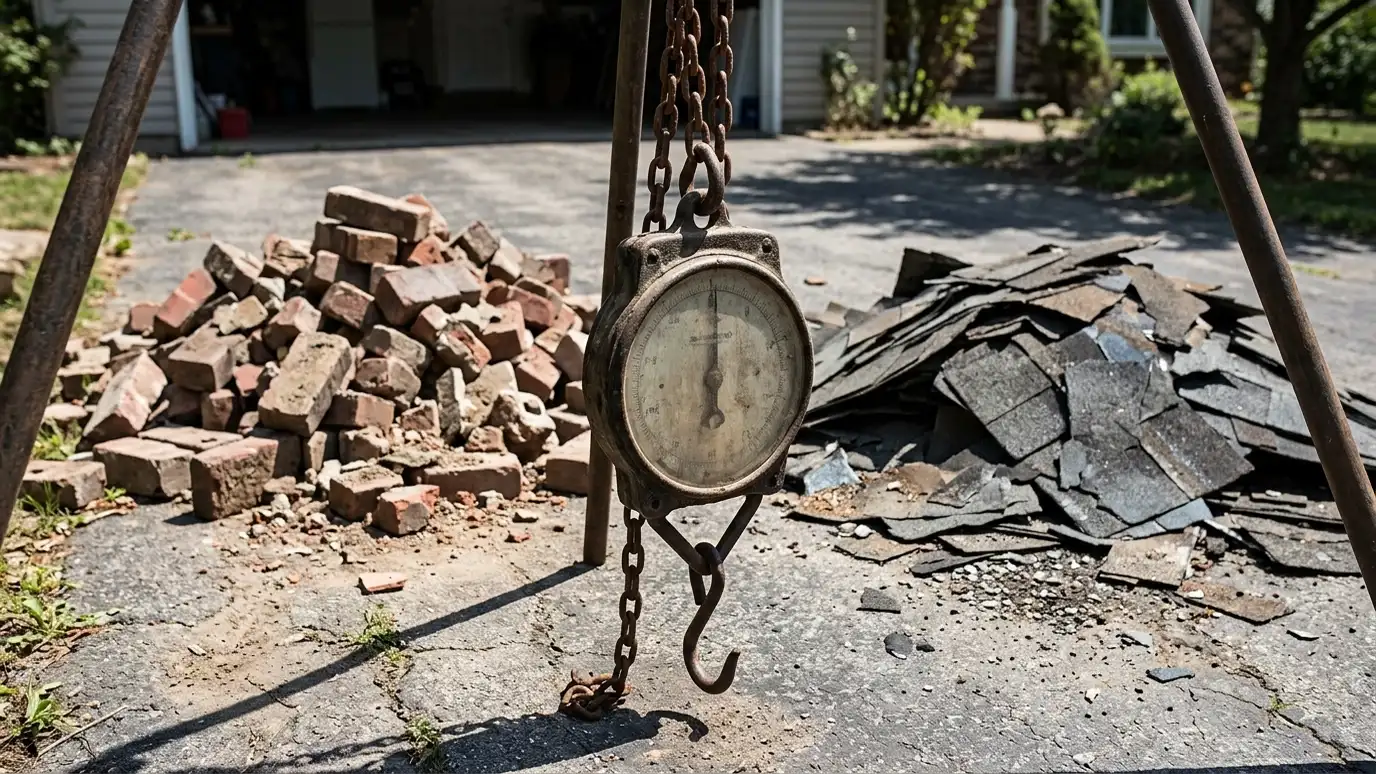
A small volume of concrete can reach the limit.
Loads stay below the line for safe hauling.
Protruding bars are a hazard and need attention.
Boards spread weight under the container.
Drag the handle to compare.
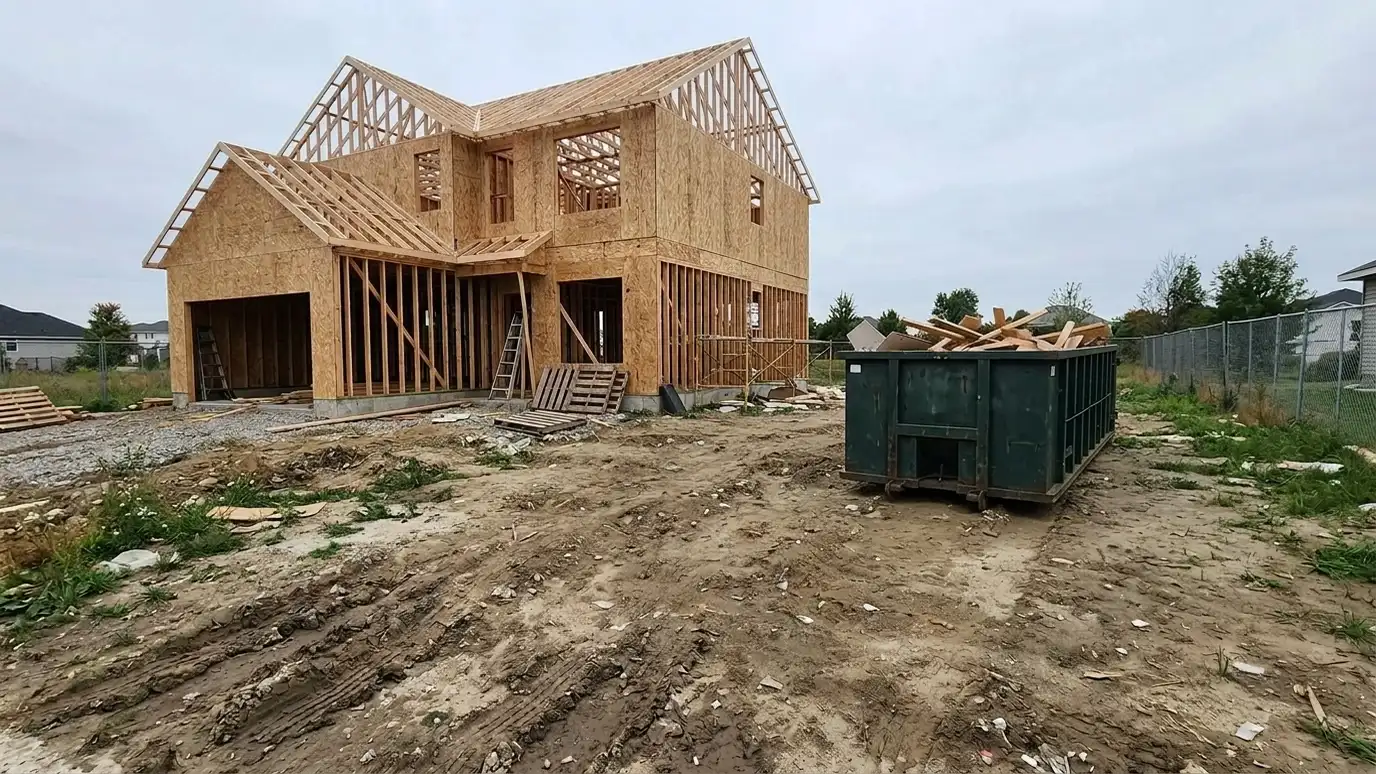
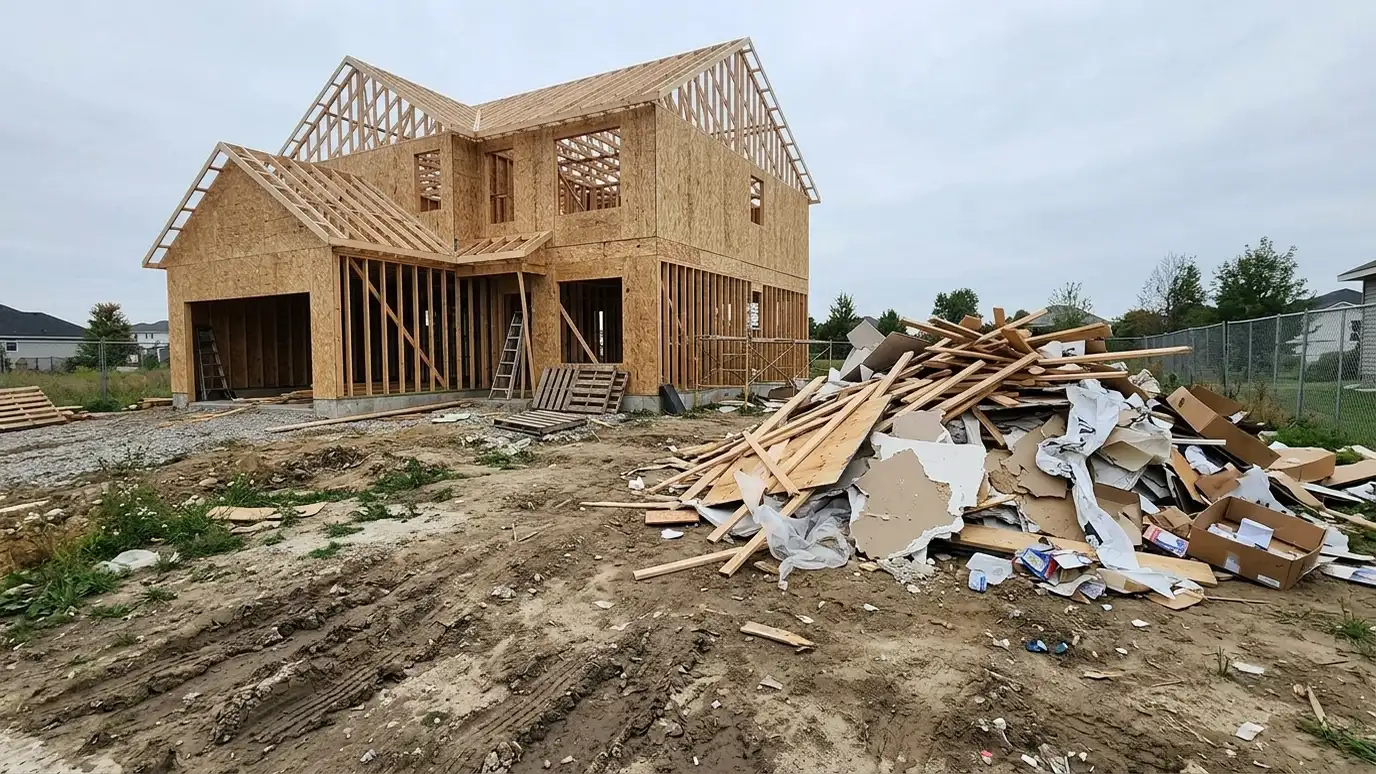 BeforeAfter
Built for dense, heavy material.
Never load above it.
Concrete alone is easier to process.
Cut slabs into manageable pieces.
Boards under the container.
More than one container if needed.
Every topic has its own page with what to expect and how we approach it.
 Comparison guideHeavy Material DumpstersWhy dense materials need low-side containers, how fill lines work and how to plan loads of concrete, brick…Learn more
 Comparison guideDumpster Weight ExplainedHow weight allowances work, which materials are heaviest and how to keep a load within its limit.Learn more
 Comparison guideProtecting Your DrivewayHow plywood, pads and smart placement protect concrete, asphalt, pavers and lawns from the weight of a loaded…Learn more
Enter up to three quotes and score size, weight allowance, rental period, terms and communication with your own weights.
You tell us what you are removing, where the container will sit and when you need it, and we recommend a size and set the details.
We check the spot, the slope, the wires and the truck path from photos or a visit and talk through weight and materials.
You get a plain written quote with the size, the rental days, the weight allowance and the terms before anything is scheduled.
The truck sets the container where we agreed, on plywood when needed, and we confirm the placement with you.
Load heavy items first, spread the weight, keep prohibited items out and stay below the fill line. Call if you need a swap or more days.
Call when you are done and we schedule the pickup, haul the container and leave the site ready for the next step.
A ten-yard low-side container is common because of weight.
Short pieces of rebar in concrete are common, but protruding rebar is a safety hazard.
They are both heavy. Ask us how mixing affects your load.
Only to the fill line, which is often below the top because of weight.
Yes with boards or pads. Heavy loads stress surfaces, so protection helps.
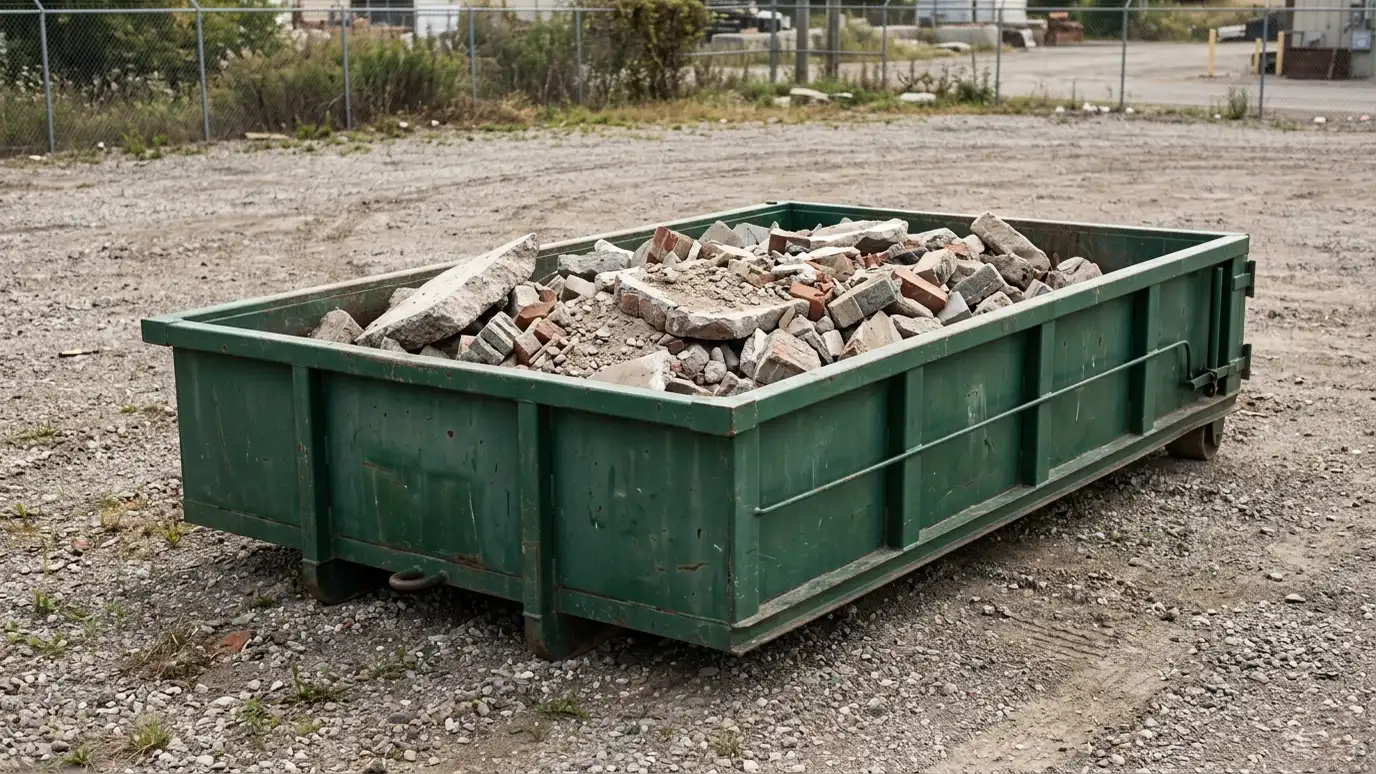 Heavy Material DumpstersLow-side heavy material dumpsters for concrete, brick, block, asphalt, dirt and rock, sized and filled so the load…Explore
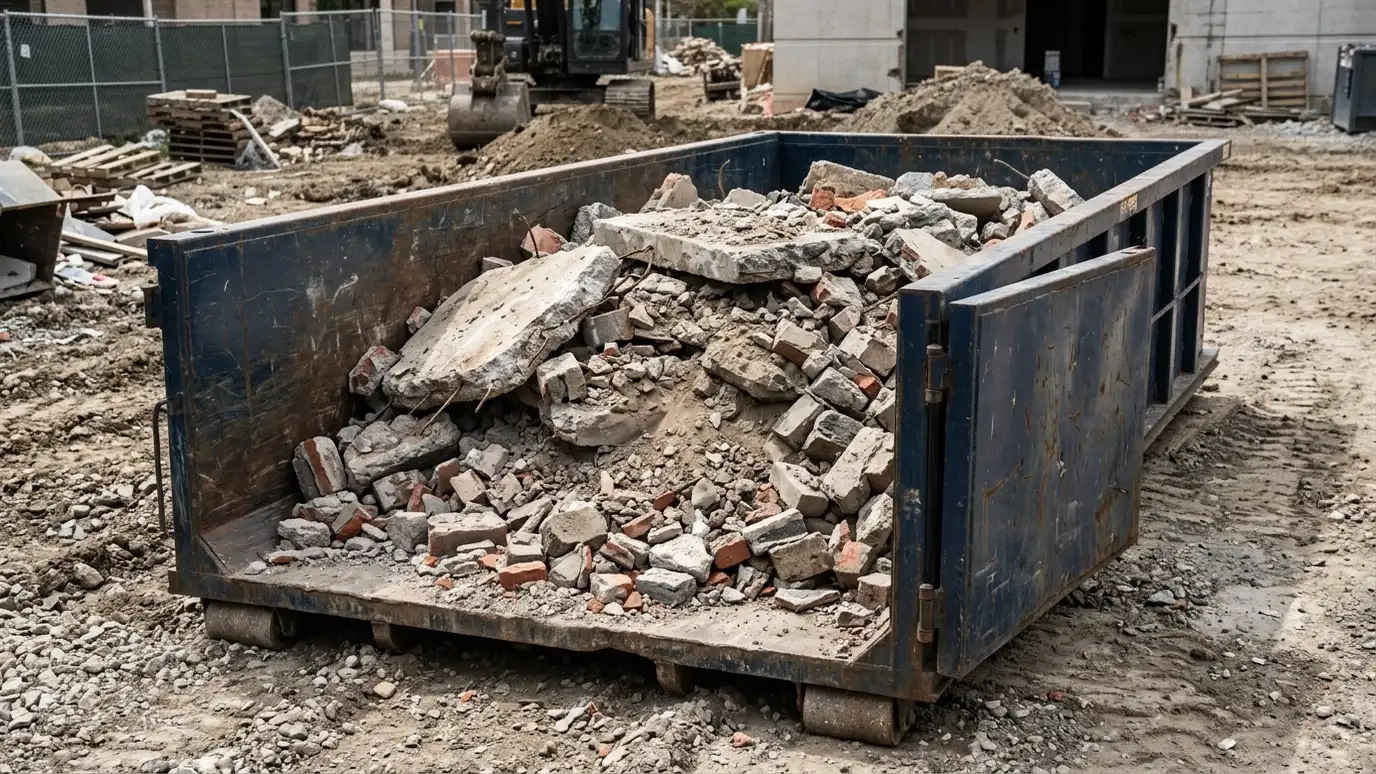 Concrete and Masonry DisposalConcrete and masonry disposal for slabs, block, brick, stone and pavers, using low-side containers that stay within safe…Explore
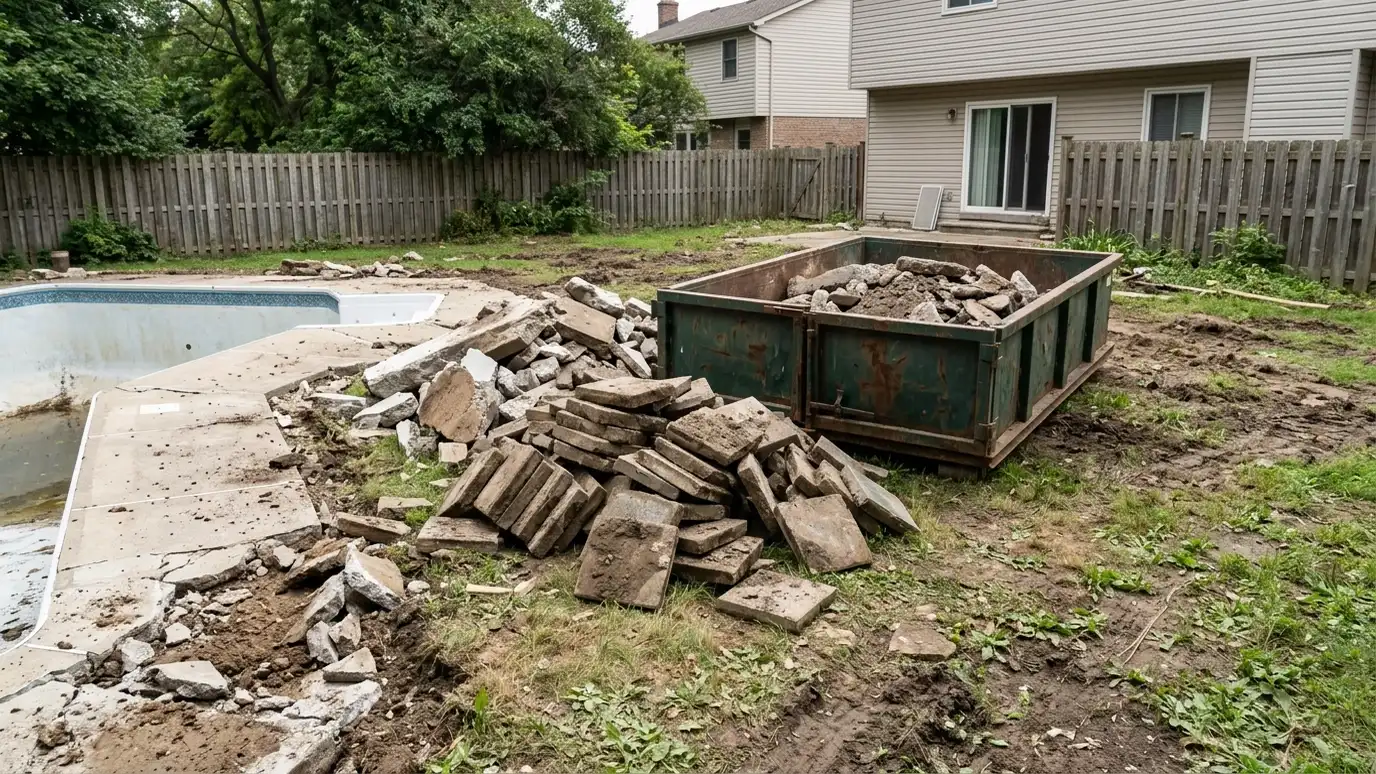 Hardscape Removal DumpstersPool removal and hardscape dumpsters for broken decking, pavers, retaining walls and old pool demolition, with low-side containers…Explore
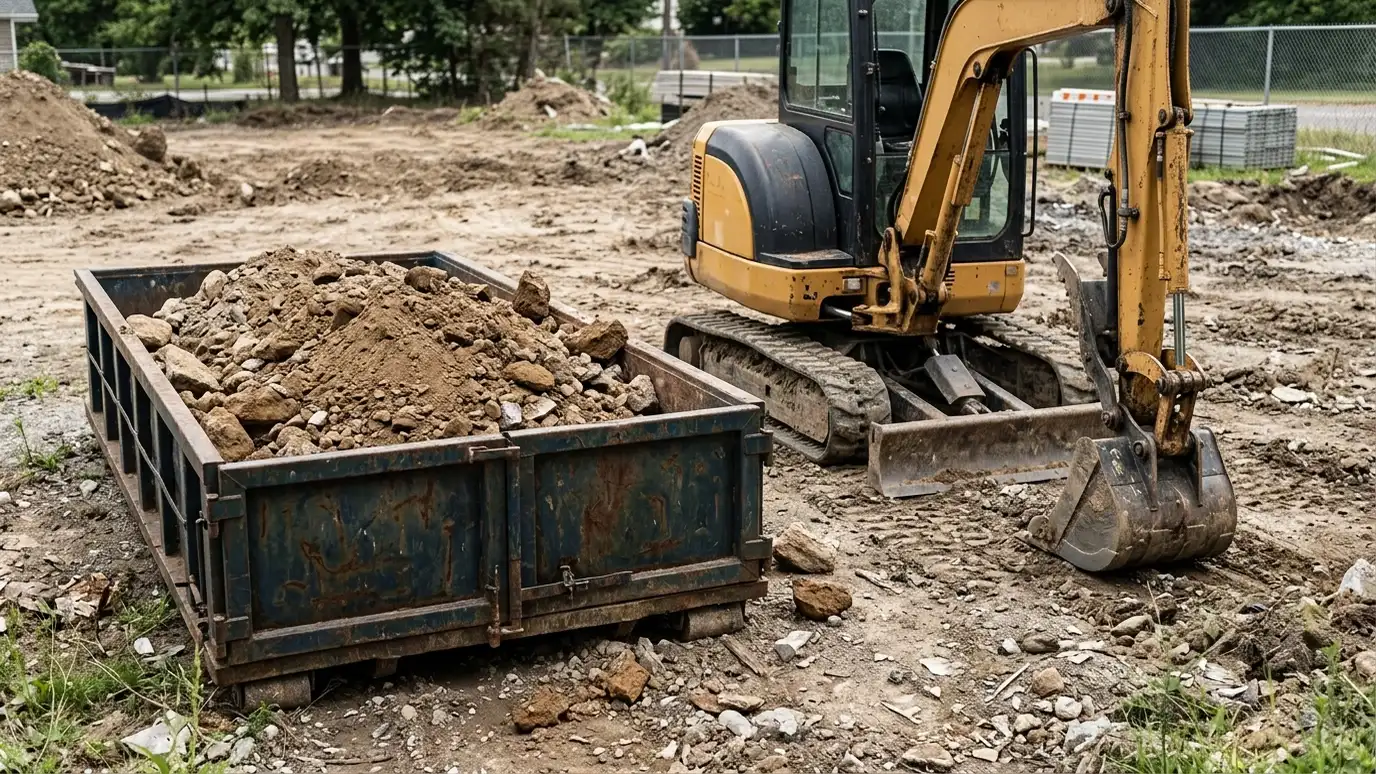 Excavation DumpstersExcavation and clean fill dumpsters for soil, rock and gravel from foundation, trench and landscaping work, with low-side…Explore
Tell us about your project and we will call you back to set up delivery.
Or call (615) 357-7797 to talk now.