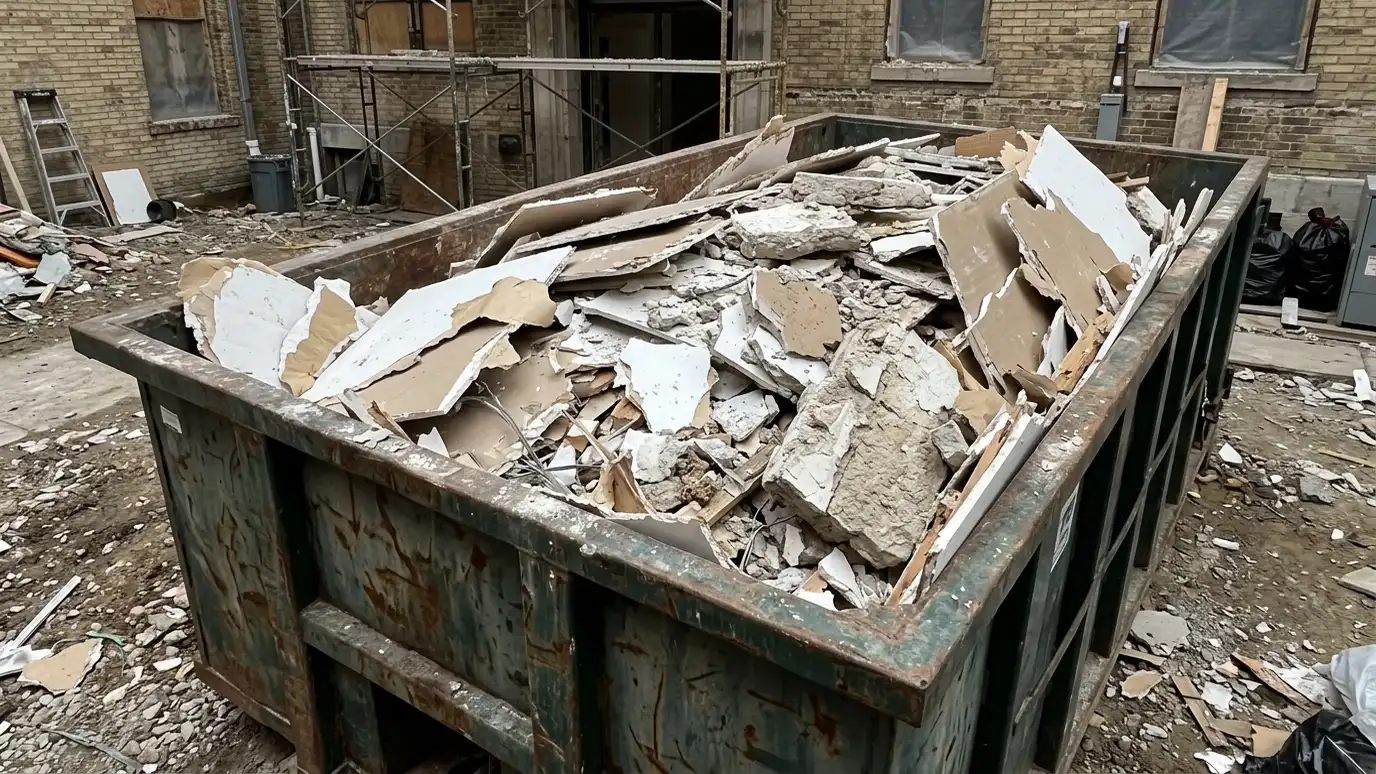
Drywall and plaster disposal for sheets, scraps, lath and old plaster walls, with notes on weight, water and clean loading.
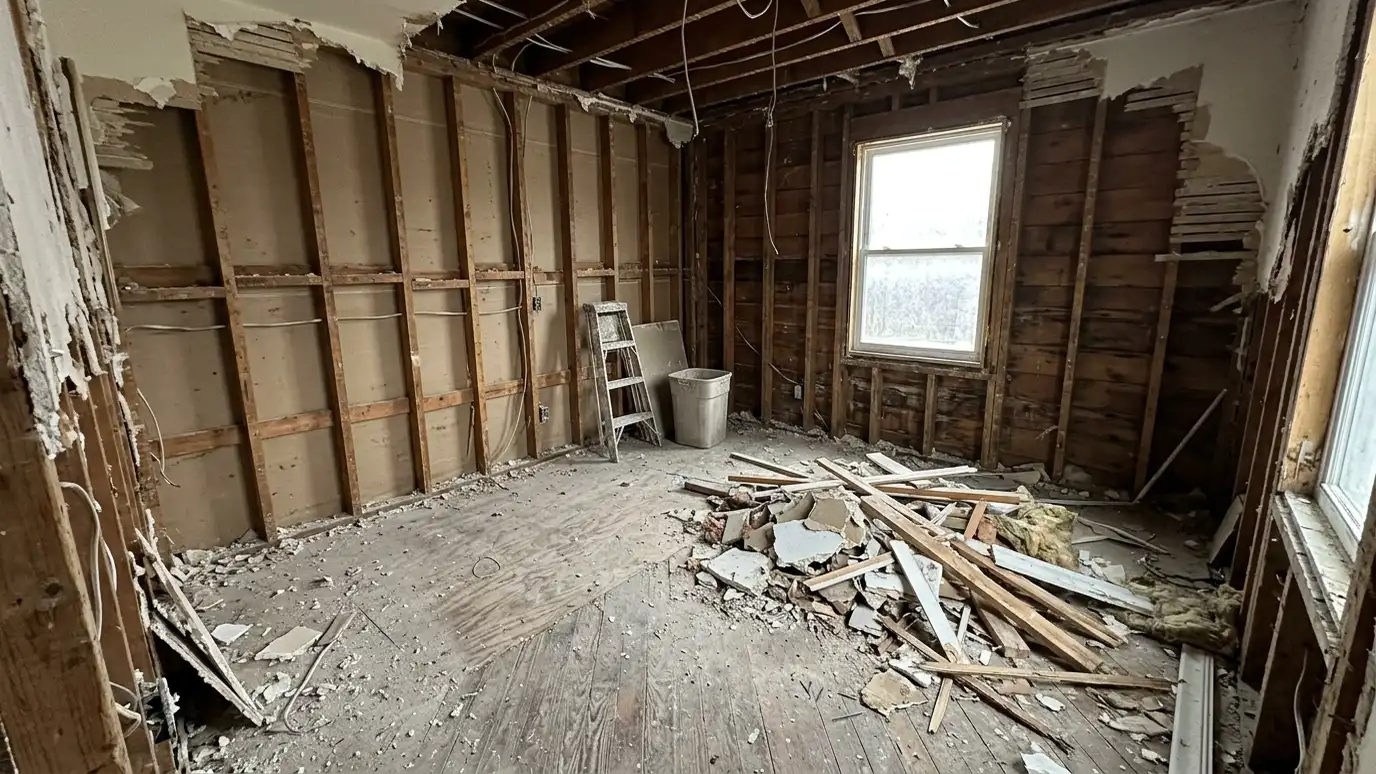
Drywall is light when it is dry and surprisingly heavy when it is wet, and plaster is dense in any condition. Tearing out a room of either one produces a lot of dust, sharp pieces and more weight than you expect. A roll-off dumpster gives you a safe, tidy way to handle it. In Nashville, older homes often have plaster and lath, and newer ones have drywall, so we plan for both.
Break drywall down into manageable pieces and stack it flat, and keep the container covered if rain is coming. Plaster and lath are heavier and often come with horsehair, wire or old nails, so wear gloves, a mask and eye protection. If a house is old, ask the right professional about any special materials before you start tearing out walls. We help you pick a size and explain the weight allowance so the haul goes smoothly. Mist the work area lightly to keep dust down, and wear a mask and eye protection. Remove screws and nails when you can, bag the fine dust and break plaster into smaller pieces so it spreads across the floor of the container. Cover the container in wet weather to keep drywall light.
Wet drywall weighs much more.
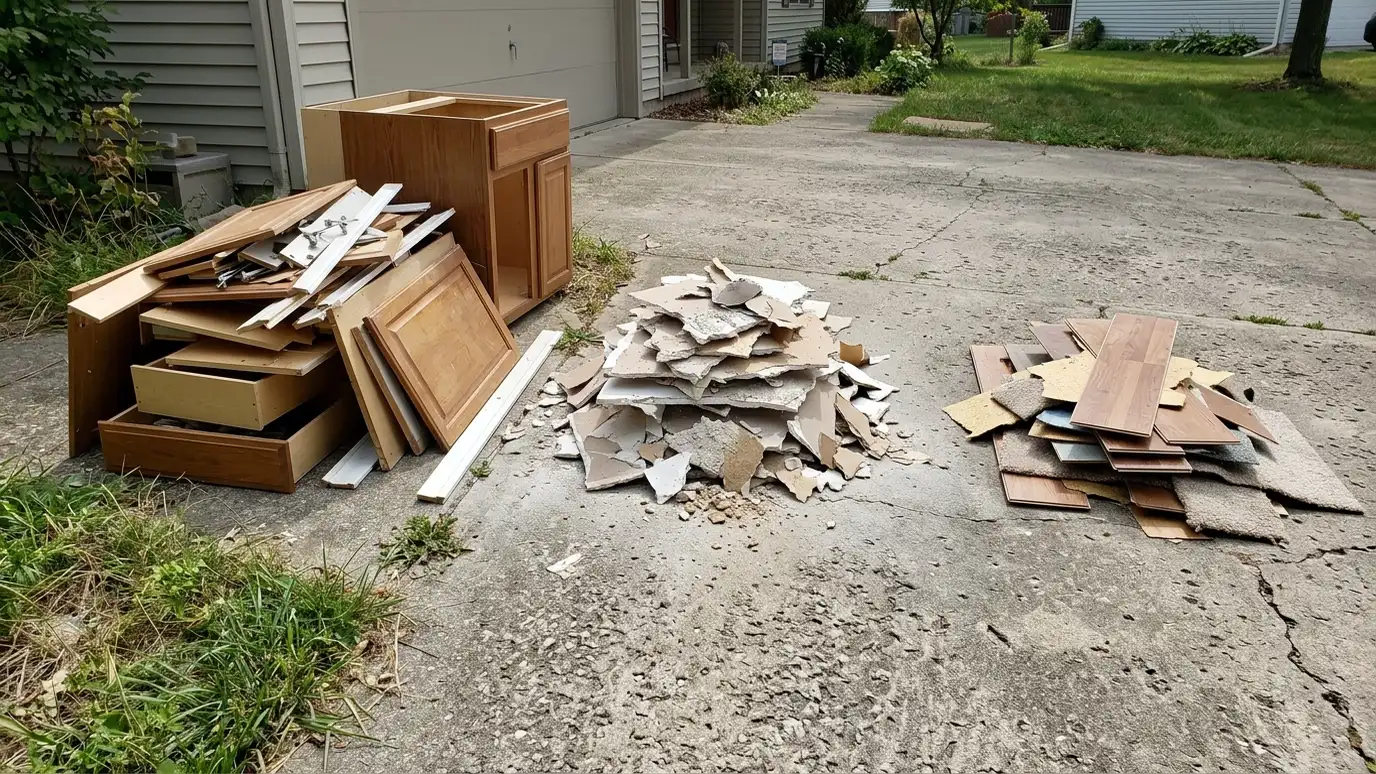
Flat stacking saves space.
Plan for weight over volume.
Masks, gloves and eye protection.
Drag the handle to compare.
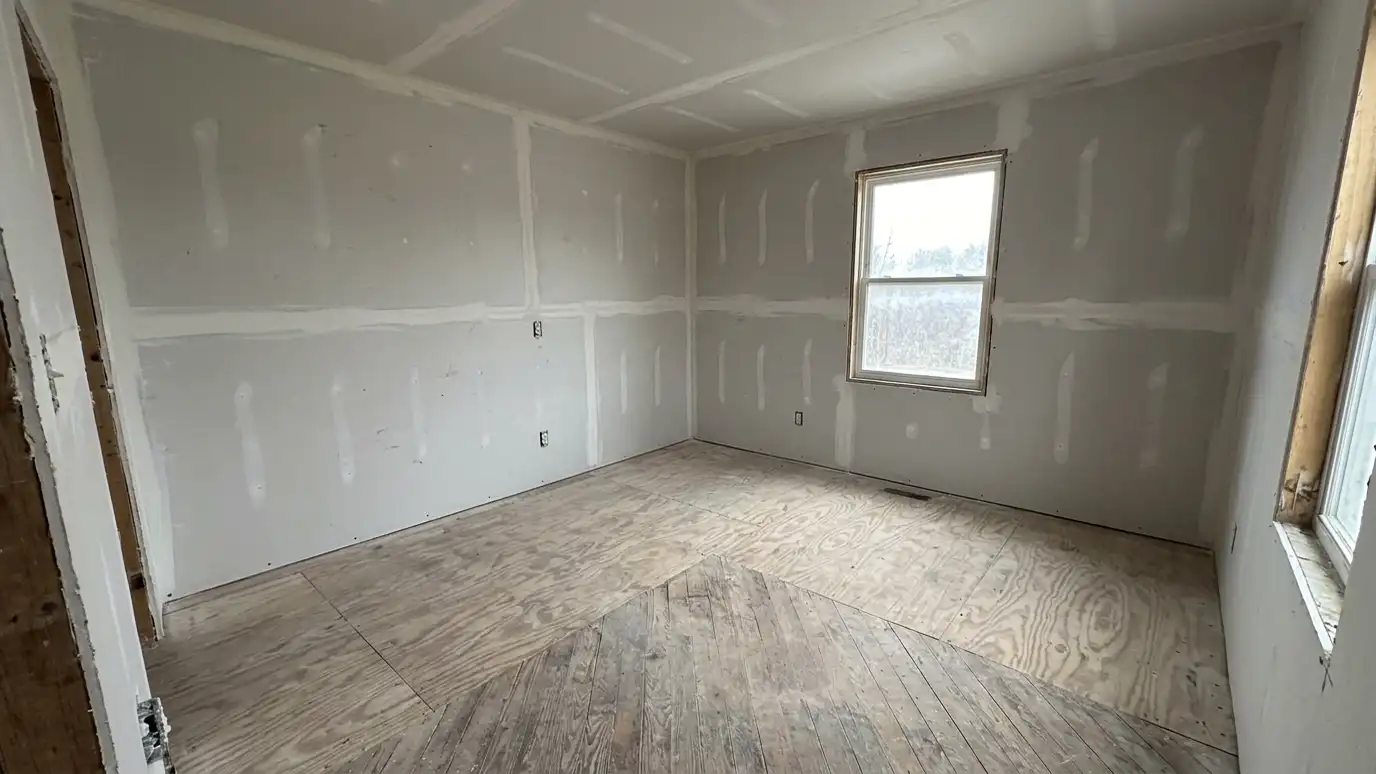
 BeforeAfter
Wet drywall gets heavy.
Break and stack sheets to save space.
Plan for weight, not just volume.
Masks, gloves and eye protection.
Ask a professional about older materials.
Twenty for many whole-room projects.
Every topic has its own page with what to expect and how we approach it.
 Comparison guideEstimating Remodel DebrisHow to estimate the debris from a kitchen, bath, flooring, roof or whole-house remodel so you can pick…Learn more
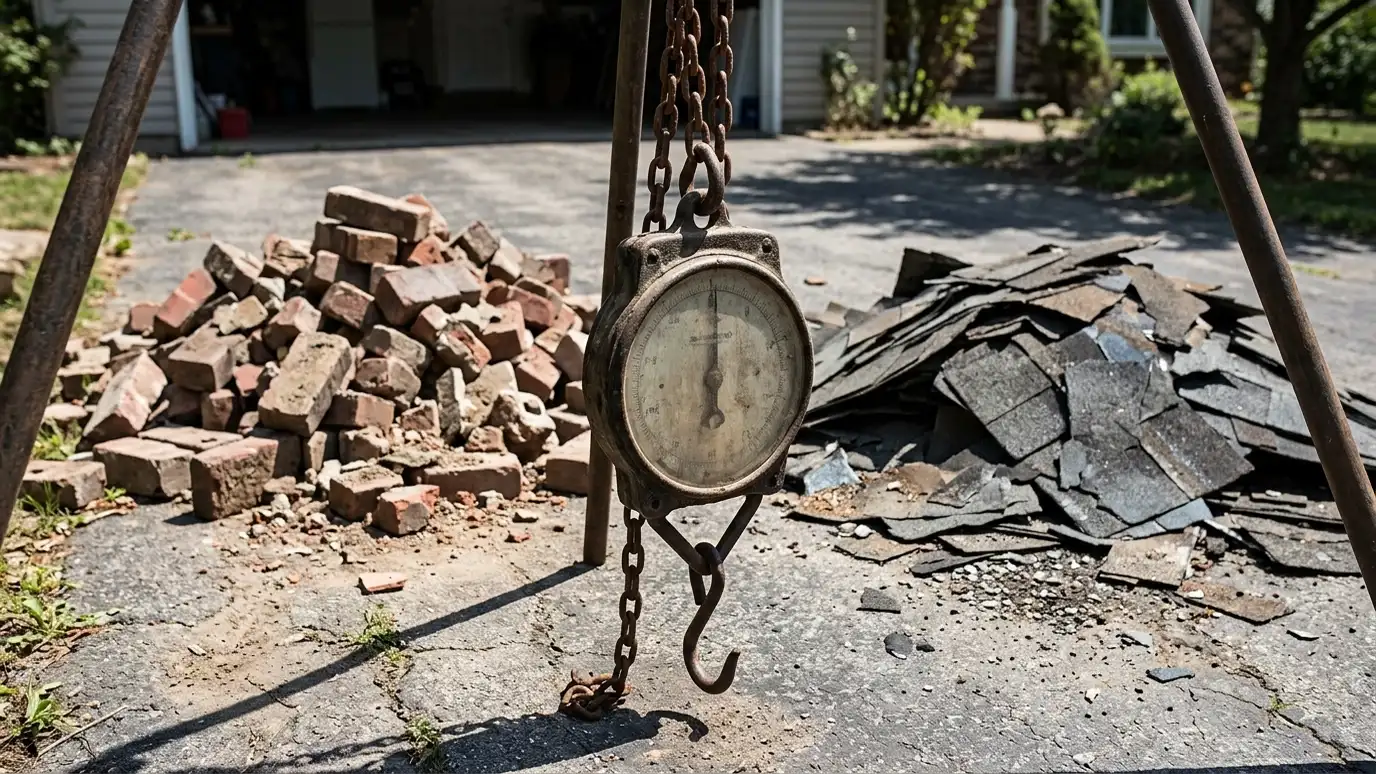 Comparison guideDumpster Weight ExplainedHow weight allowances work, which materials are heaviest and how to keep a load within its limit.Learn more
 Comparison guideJobsite Dumpster SafetyPractical safety habits for loading, climbing, placing and working near roll-off containers on construction sites and at home.Learn more
Pick a concern, such as an overfull container, a heavy load, a blocked pickup or a prohibited item, to get likely causes, what to do first and the service page that fits.
You tell us what you are removing, where the container will sit and when you need it, and we recommend a size and set the details.
We check the spot, the slope, the wires and the truck path from photos or a visit and talk through weight and materials.
You get a plain written quote with the size, the rental days, the weight allowance and the terms before anything is scheduled.
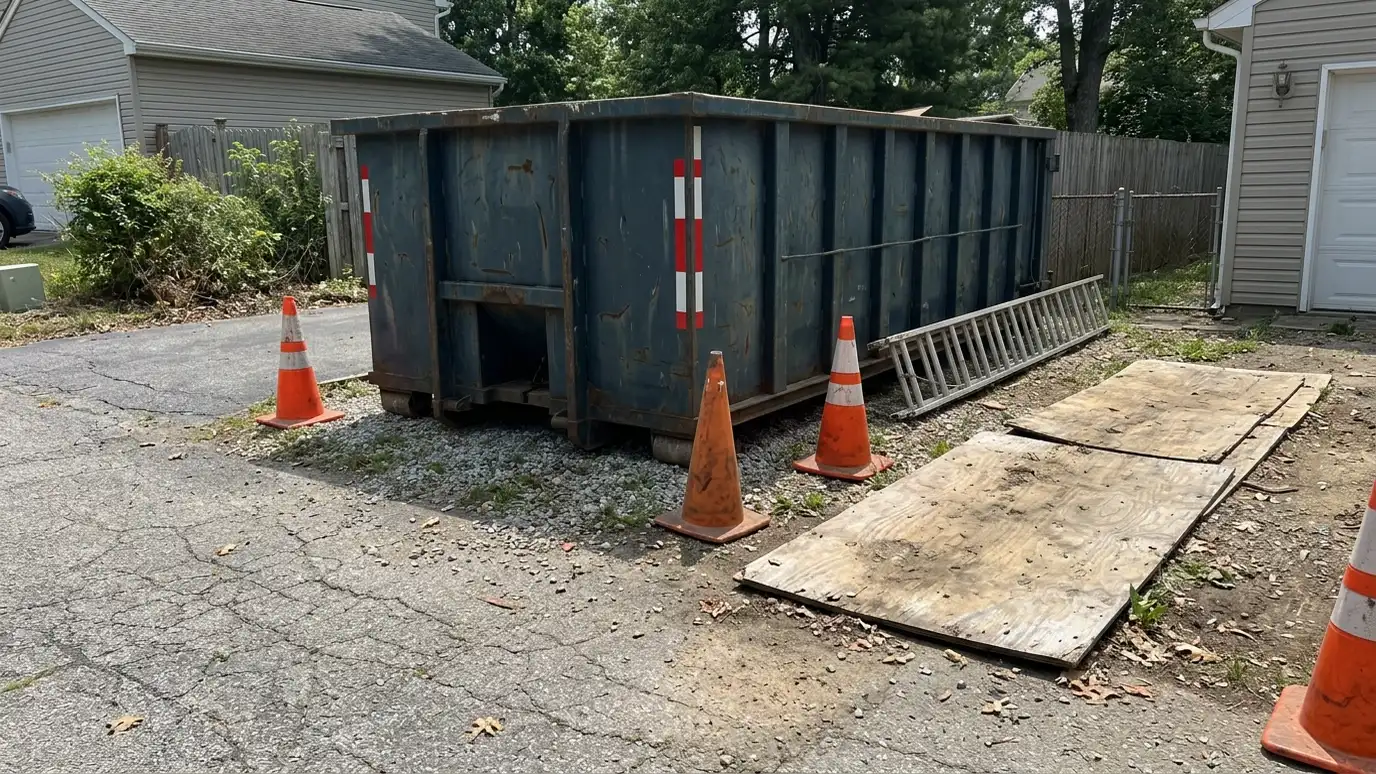
The truck sets the container where we agreed, on plywood when needed, and we confirm the placement with you.
Load heavy items first, spread the weight, keep prohibited items out and stay below the fill line. Call if you need a swap or more days.
Call when you are done and we schedule the pickup, haul the container and leave the site ready for the next step.
A fifteen or twenty-yard handles many rooms, and larger projects may need more.
Yes. It is heavier, so keep the container covered when it rains.
Yes, but plaster is dense, so plan for weight.
Yes. Wear a mask, gloves and eye protection while loading.
Ask a qualified professional about special materials before demolition.
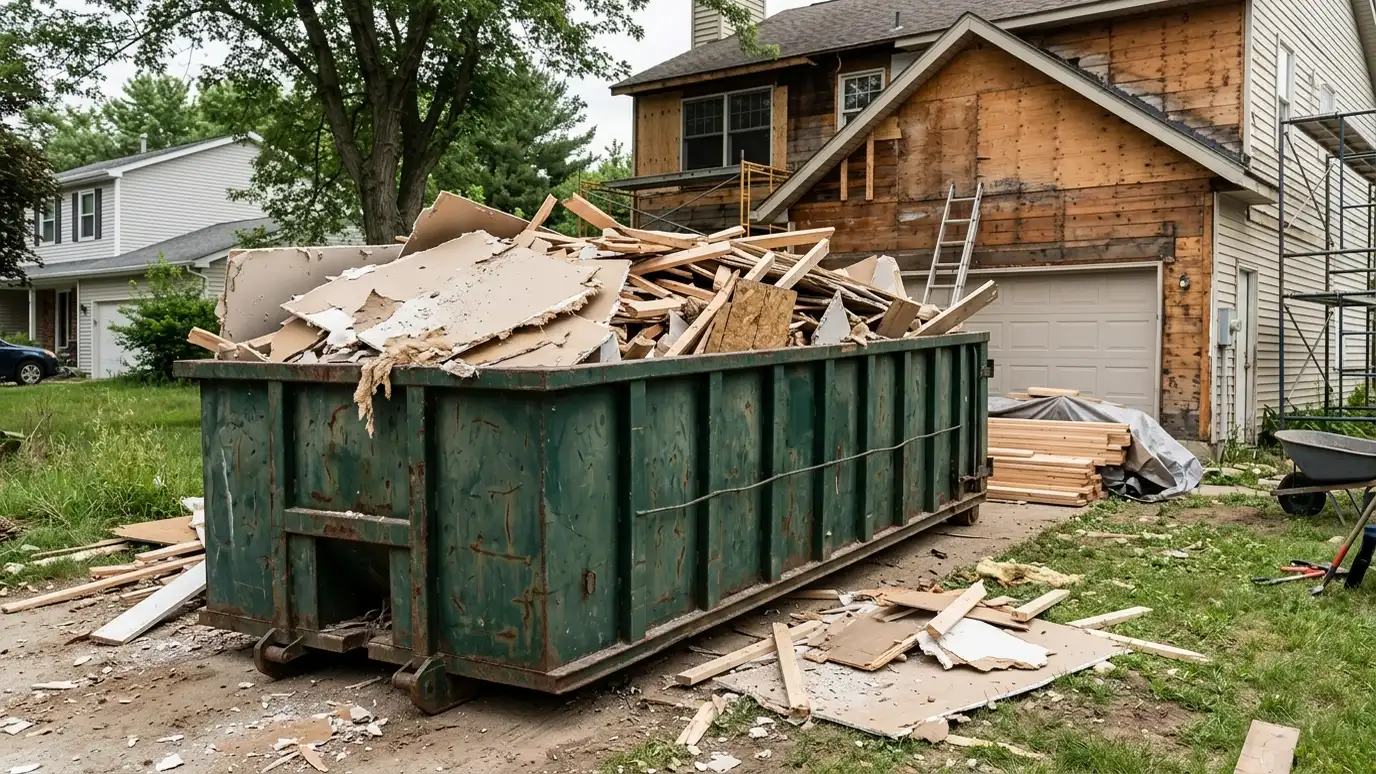 Drywall and Framing DumpstersDrywall and framing debris dumpsters for new builds, additions and remodels, with sizes and loading tips for bulky…Explore
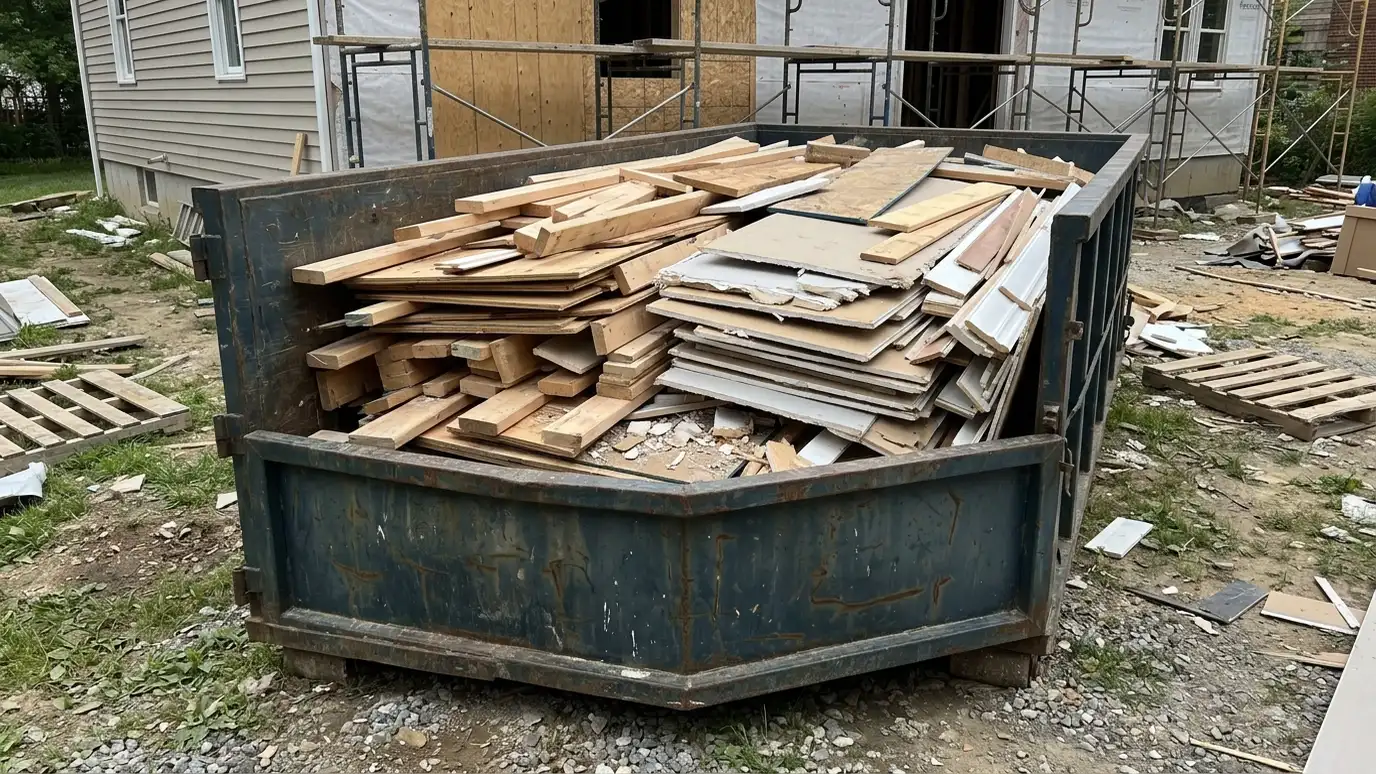 Construction Debris DisposalConstruction debris disposal for lumber, drywall, trim, packaging and mixed job scrap, with a container and a plan…Explore
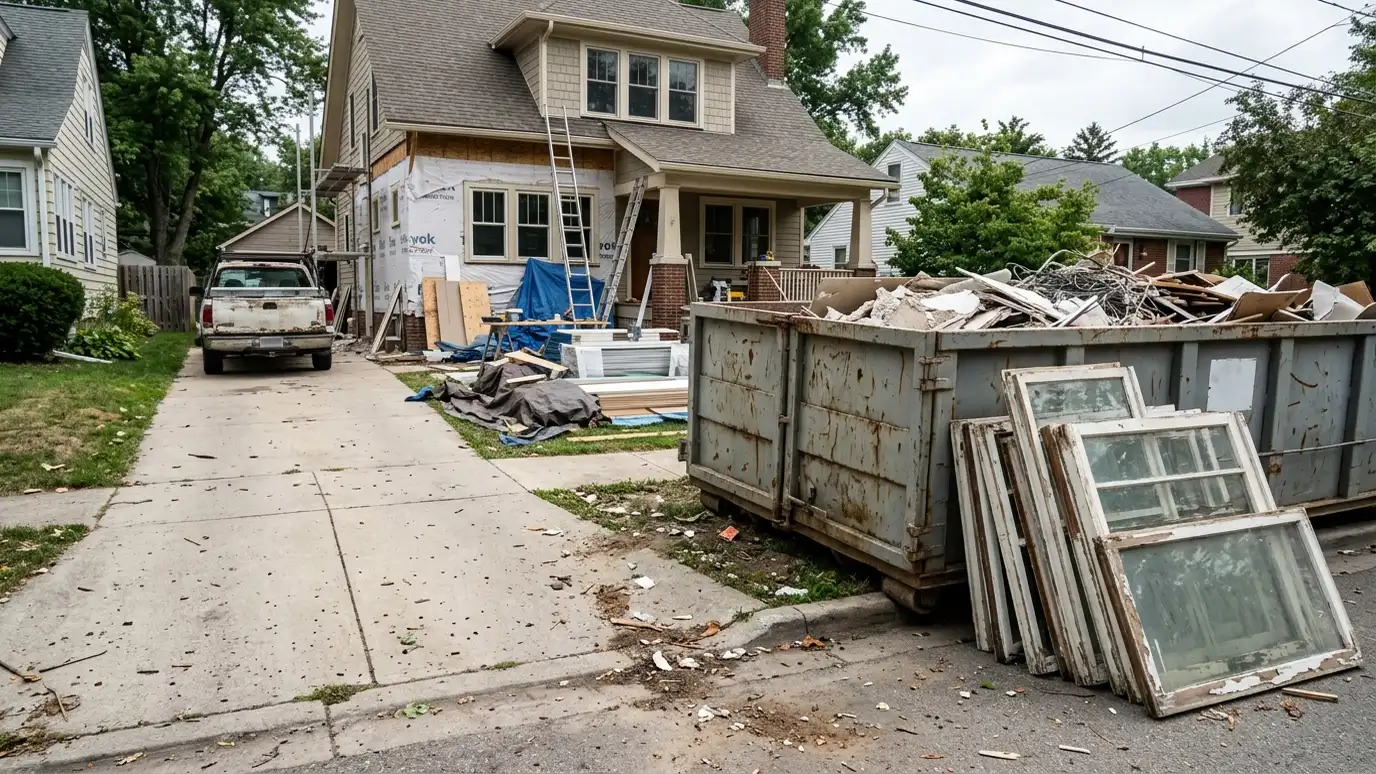 Home Renovation DumpstersHome renovation dumpster rental that keeps a remodel clean and moving, with the right size, easy placement and…Explore
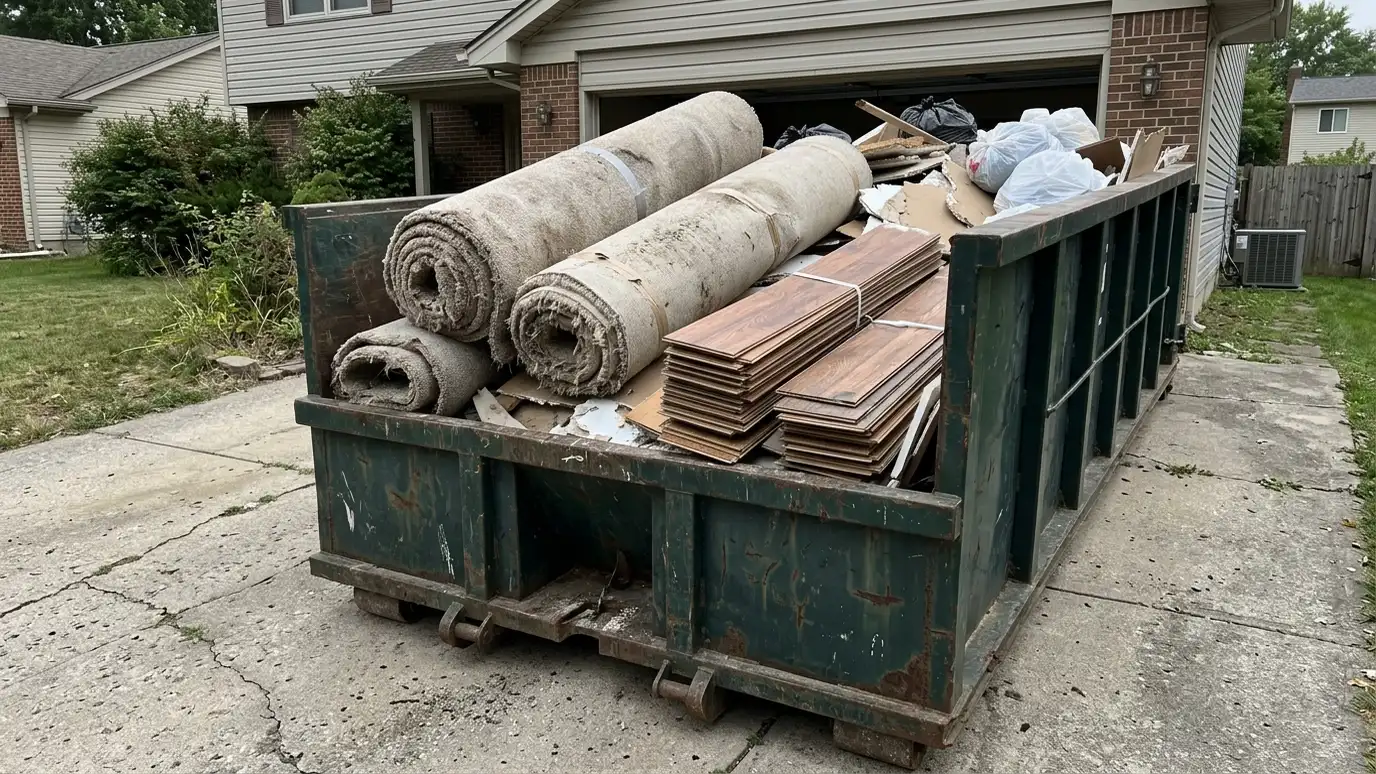 Carpet and Flooring DisposalCarpet and flooring disposal for old carpet, pad, laminate, hardwood, vinyl and tile, with tips for rolling, bundling…Explore
Tell us about your project and we will call you back to set up delivery.
Or call (615) 357-7797 to talk now.