Cardboard and packaging disposal for warehouses, stores, offices and moves, with tips on flattening boxes and options for recycling.
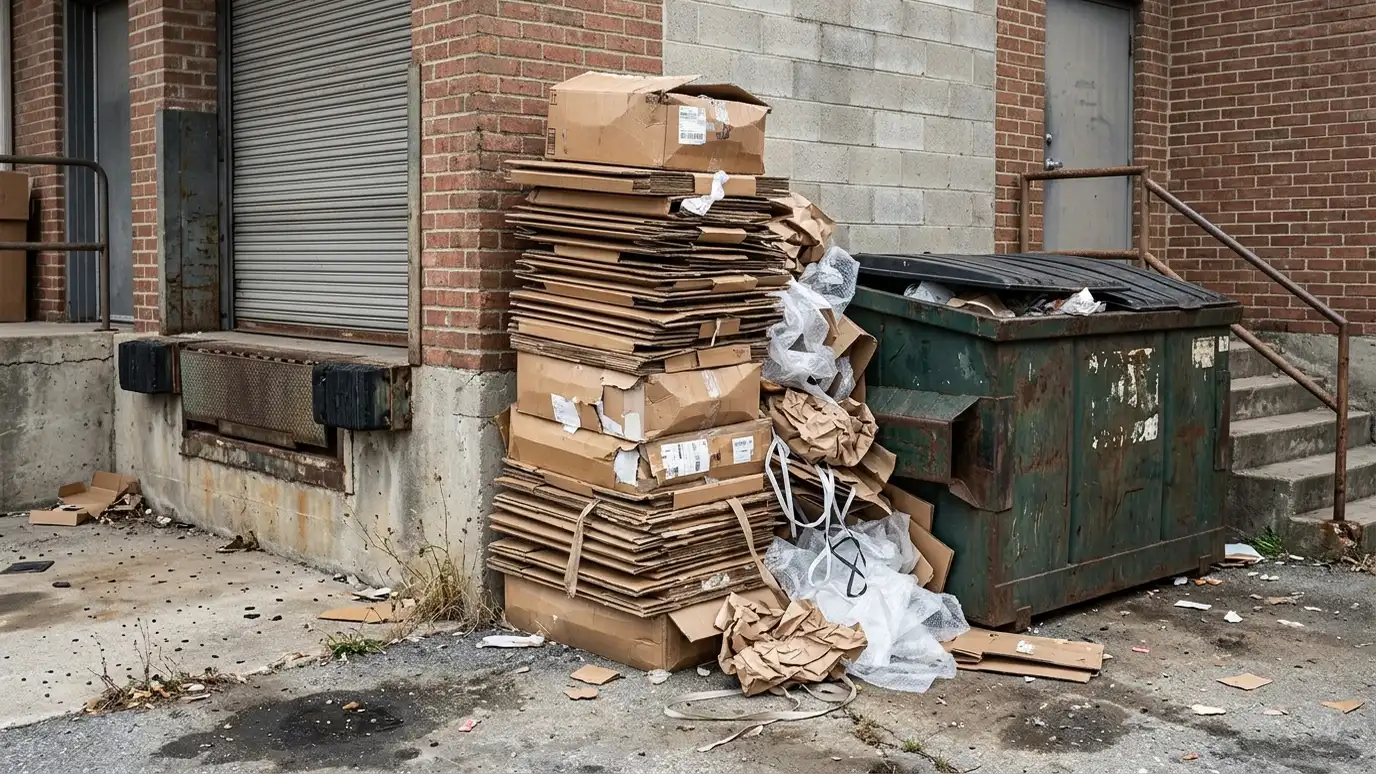
Cardboard and packaging are light but they fill a container quickly. Flattened boxes take a fraction of the space, which is why a few extra minutes of folding can save a swap. A roll-off dumpster at the back of a store or a warehouse gives you a single place for the stream. In Nashville, retail resets, office moves, product launches and home moves all create boxes by the hundreds.
Flatten boxes, remove tape and packing materials when you can and stack them neatly, then fill the container evenly. Clean, dry cardboard may be recycled, while wet or greasy cardboard usually is not, so keep it dry. Polystyrene foam, plastic wrap and packing peanuts are bulky and handled differently, so ask us about them. We recommend a size based on how many boxes you expect and how often you need a pickup. Set up a flattening station near your loading area and make it easy to fold boxes right away. Separate clean cardboard from packing foam and plastic, and keep cardboard dry if it may be recycled. A consistent routine saves space and keeps the container from filling with air.
A few minutes of folding saves a swap.
Wet cardboard is harder to recycle.
Bulky packing materials need a plan.
Clean cardboard may have a better route.
Drag the handle to compare.
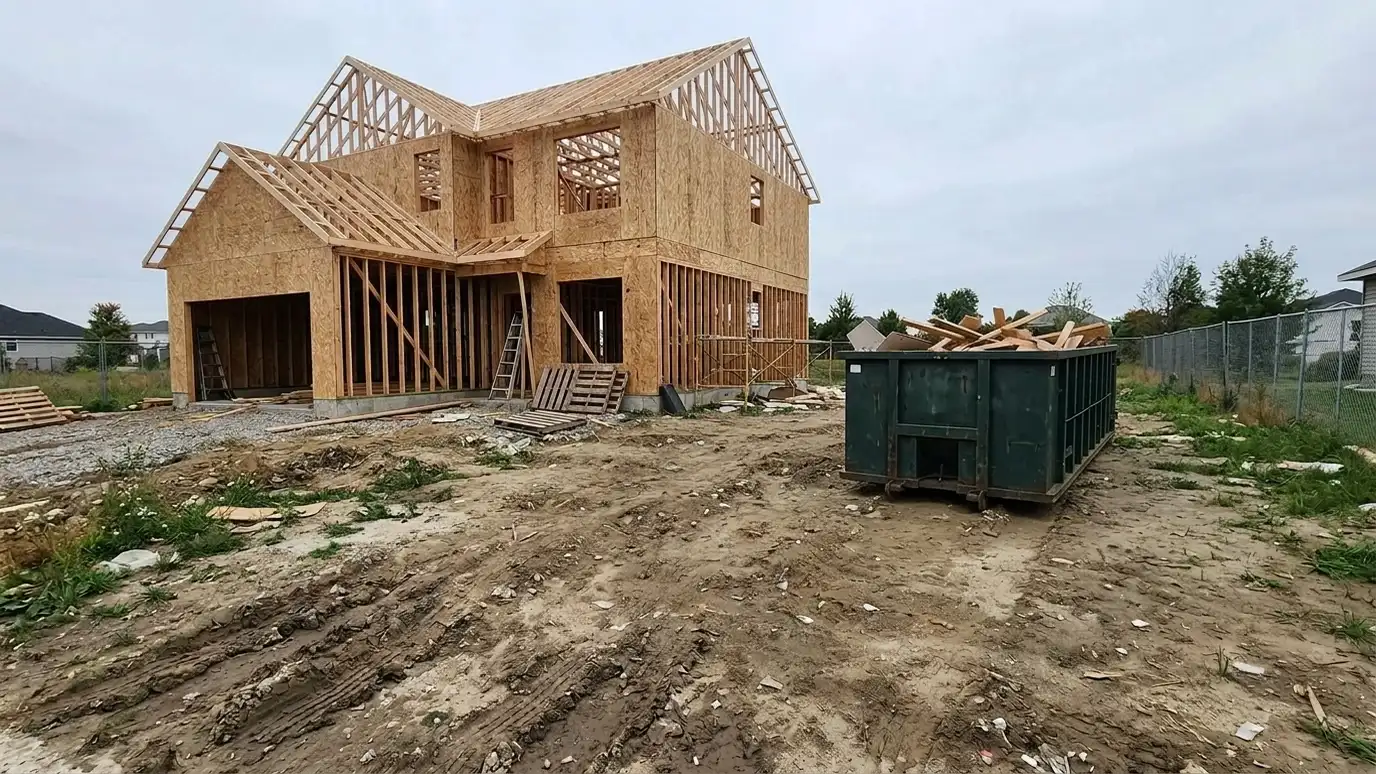
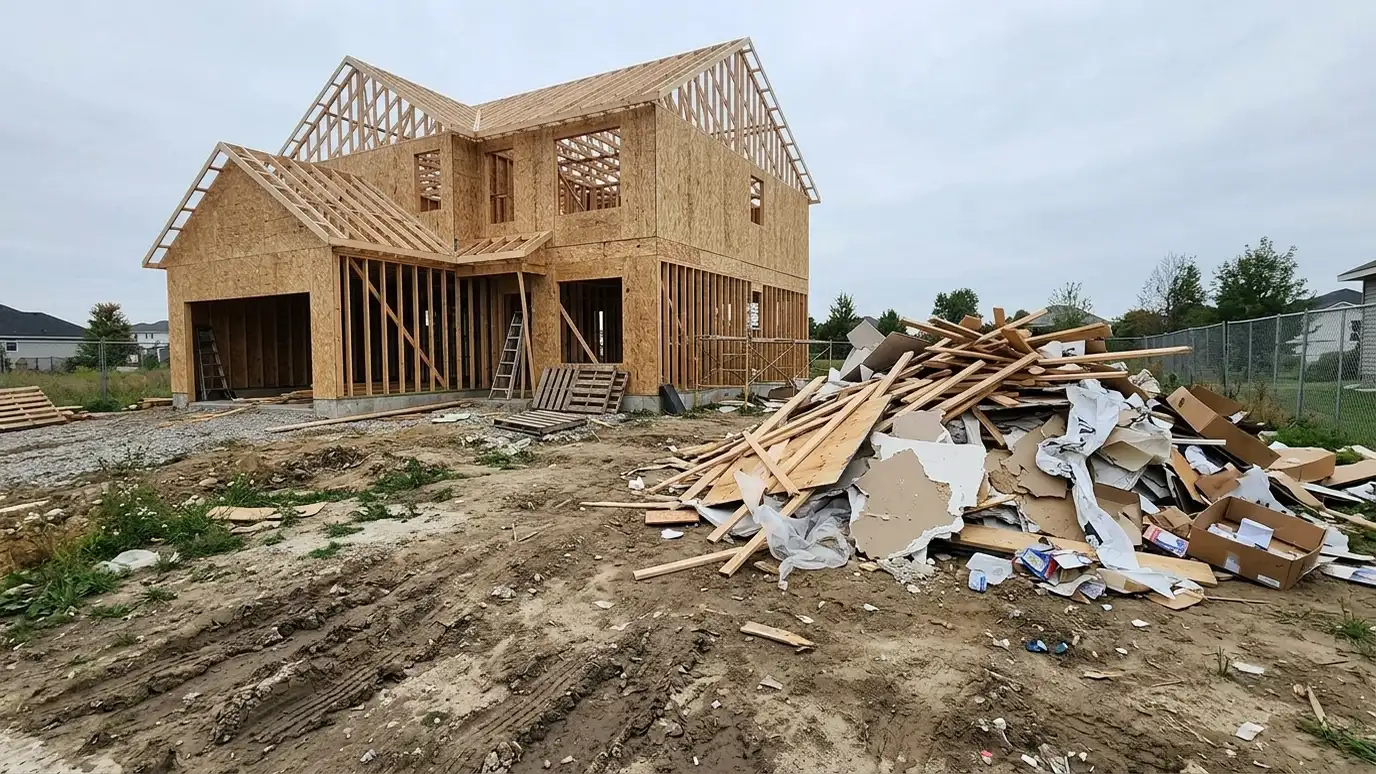 BeforeAfter
Less space, fewer swaps.
Wet cardboard is harder to recycle.
Foam and plastic wrap are bulky.
Clean cardboard may be recycled.
Back-door and dock placement.
Boxes out in one afternoon.
Every topic has its own page with what to expect and how we approach it.
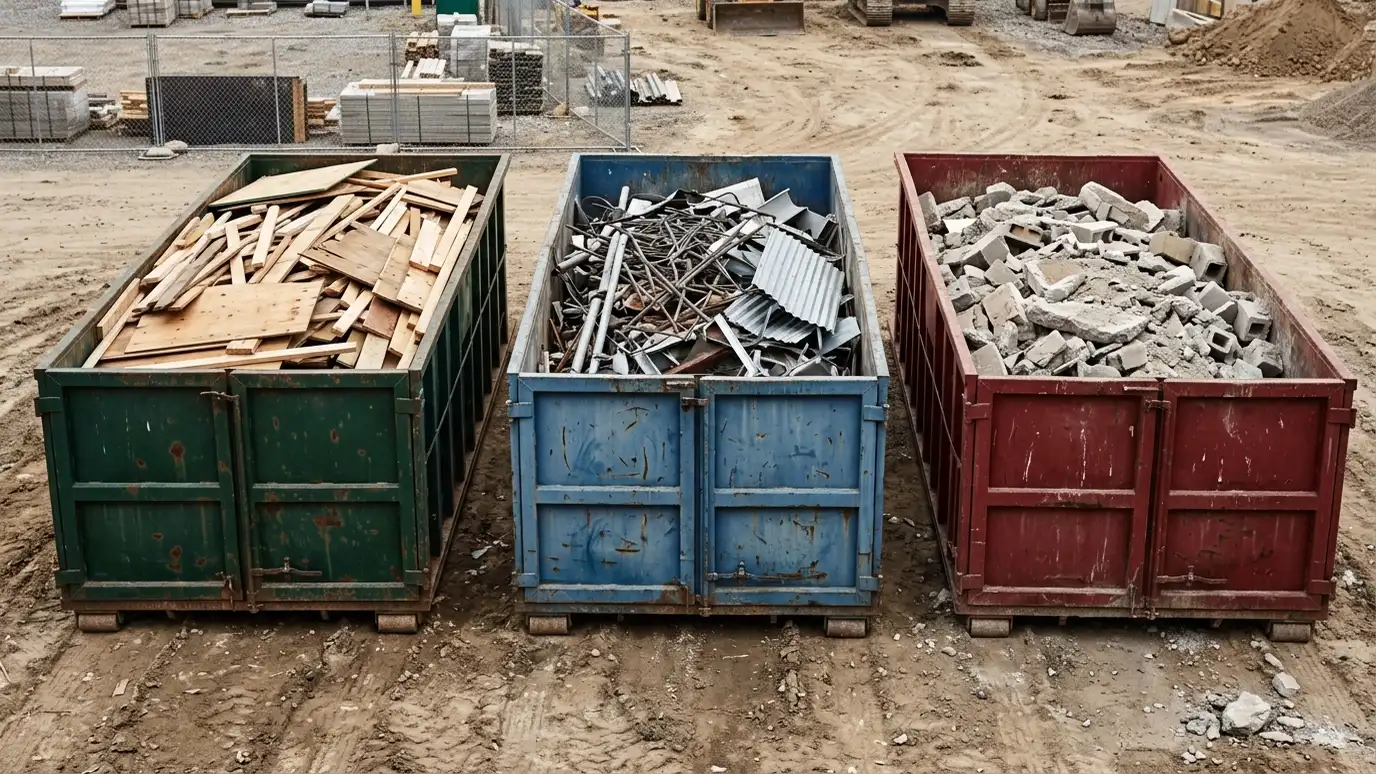 Comparison guideConstruction RecyclingWhat diversion means, which construction materials are commonly separated and how to run a simple recycling plan on…Learn more
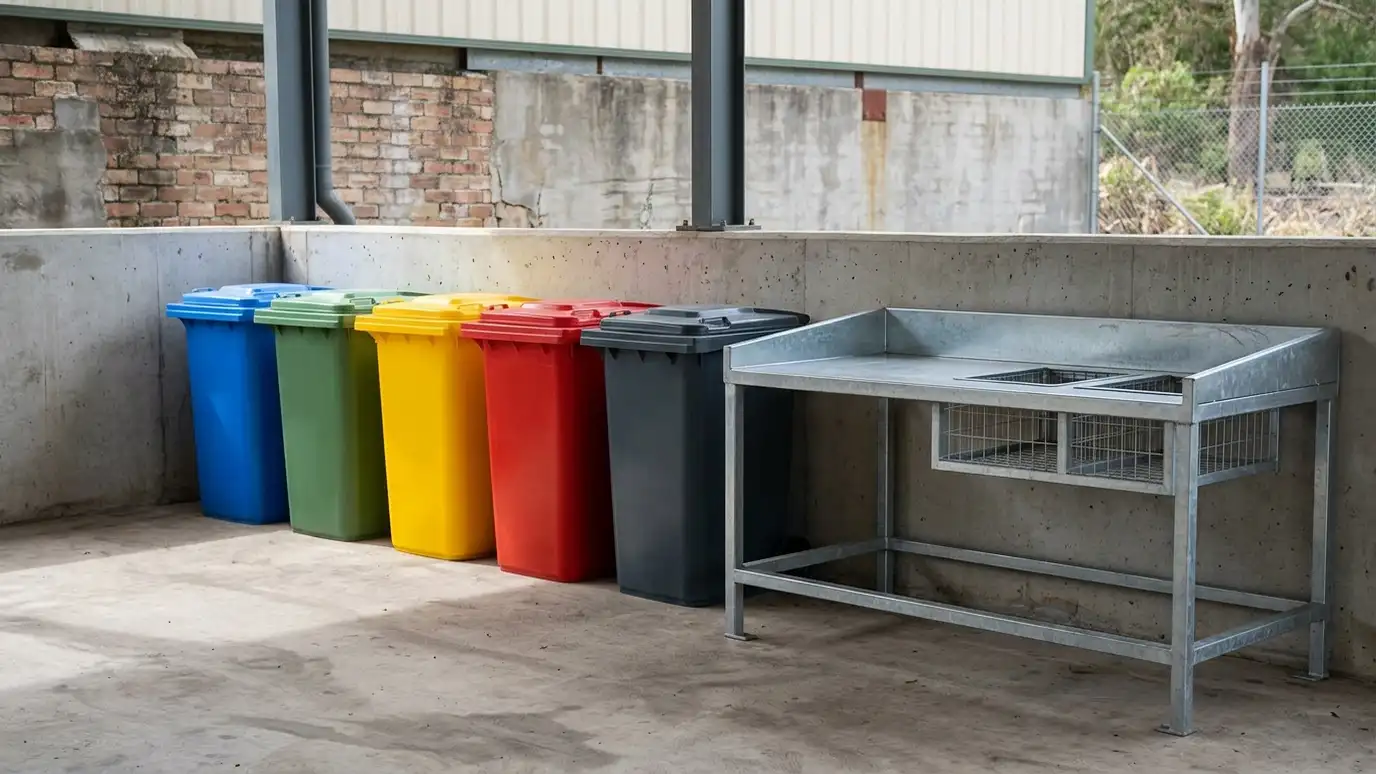 ResourceEarth911A recycling information site with a search tool for finding where to recycle many kinds of household and…Learn more ResourceKeep America BeautifulA nonprofit that supports community cleanups, recycling and beautification programs through local affiliates and national campaigns.Learn more
Answer five questions about your project, materials and timing to see which services to start with.
You tell us what you are removing, where the container will sit and when you need it, and we recommend a size and set the details.
We check the spot, the slope, the wires and the truck path from photos or a visit and talk through weight and materials.
You get a plain written quote with the size, the rental days, the weight allowance and the terms before anything is scheduled.
The truck sets the container where we agreed, on plywood when needed, and we confirm the placement with you.
Load heavy items first, spread the weight, keep prohibited items out and stay below the fill line. Call if you need a swap or more days.
Call when you are done and we schedule the pickup, haul the container and leave the site ready for the next step.
A twenty or thirty-yard handles large volumes, and smaller sizes suit homes.
Yes. Flattening saves a lot of space.
Clean, dry cardboard often can. Ask us about options.
Yes, but it is bulky. Tell us how much you have.
Yes. Ask about scheduled swaps for ongoing cardboard.
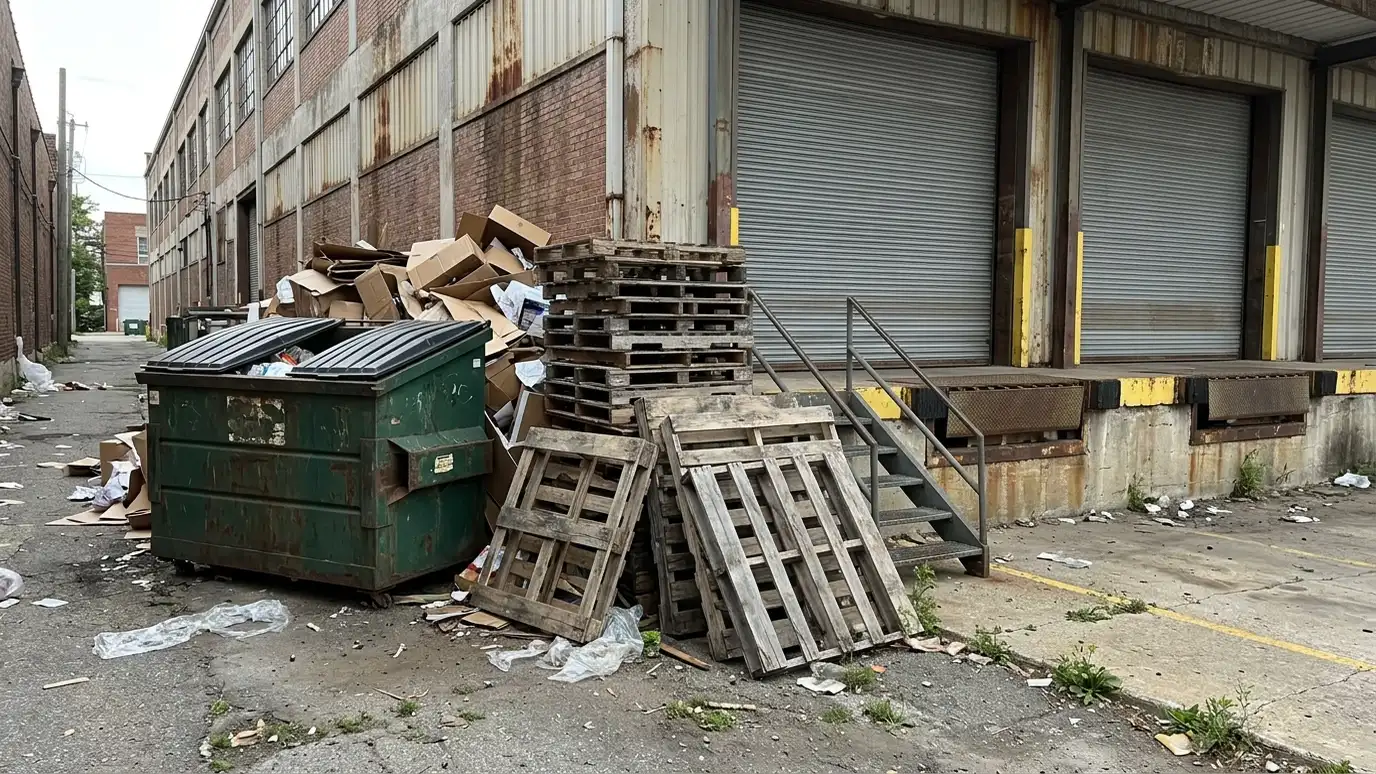 Warehouse Cleanout DumpstersWarehouse and industrial cleanout dumpsters for pallets, racking, packaging, old equipment and bulk debris, with large containers and…Explore
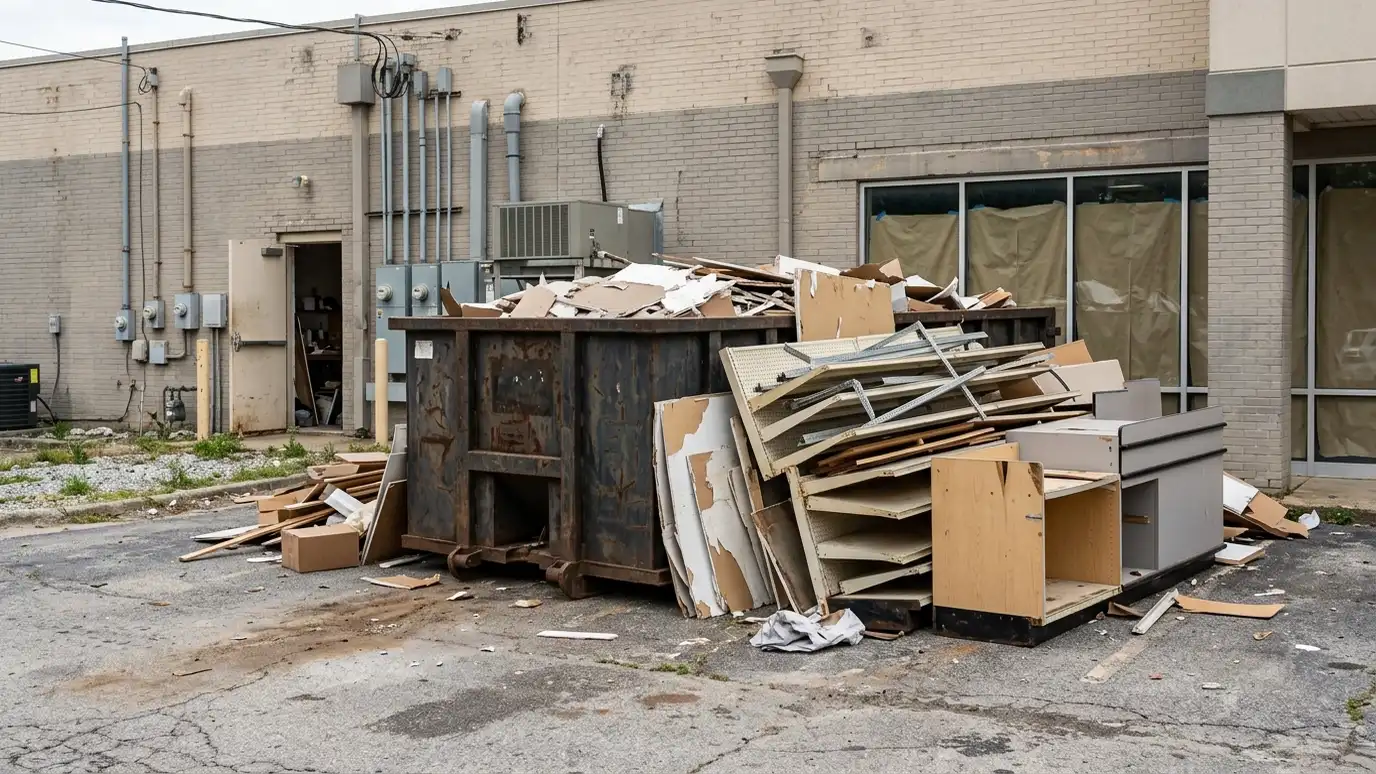 Retail and Restaurant DumpstersRetail and restaurant remodel dumpsters for old fixtures, counters, shelving, ceilings and flooring, scheduled around opening hours and…Explore
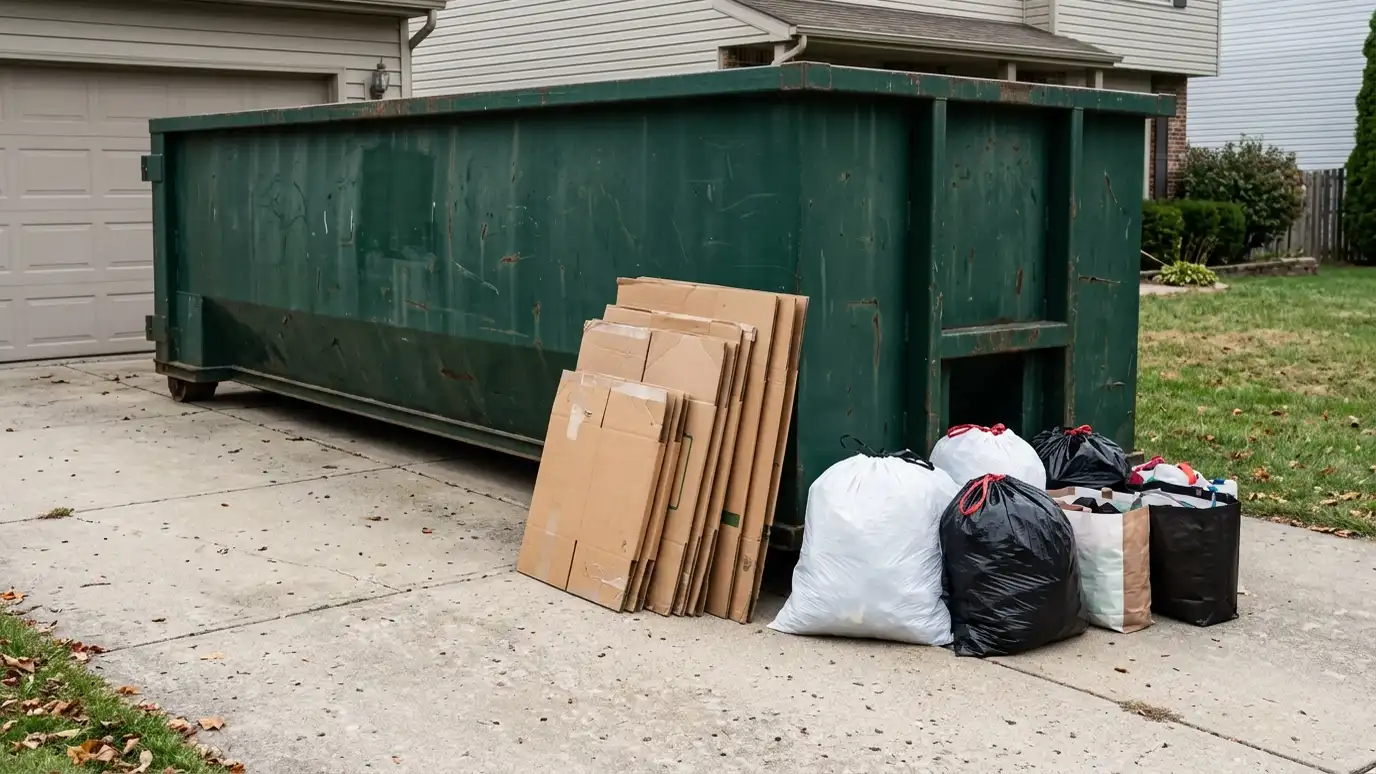 Moving and Declutter DumpstersMoving and decluttering dumpsters for clearing out before a move, downsizing or a fresh start, with simple delivery…Explore
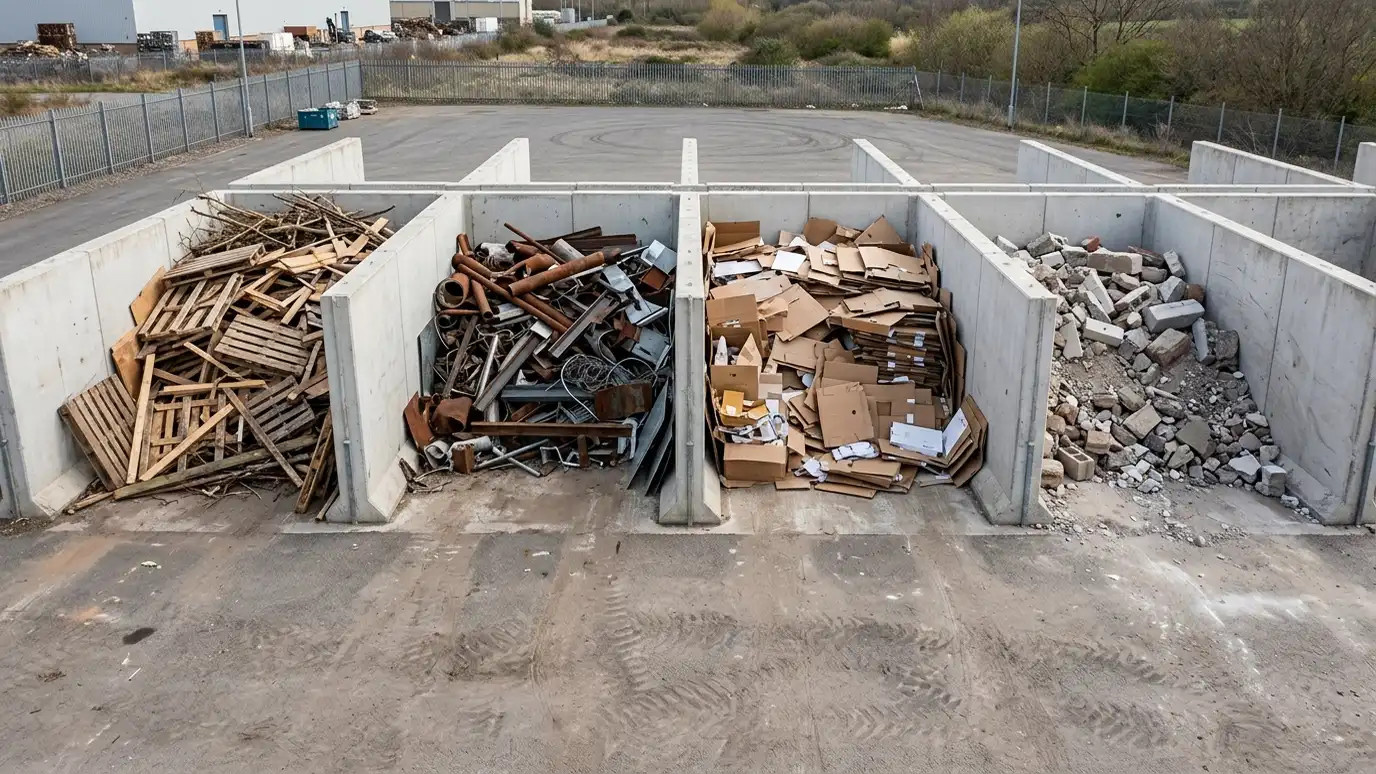 Recycling and SortingRecycling and material sorting guidance for wood, metal, cardboard, concrete and household goods, with ideas for what to…Explore
Tell us about your project and we will call you back to set up delivery.
Or call (615) 357-7797 to talk now.