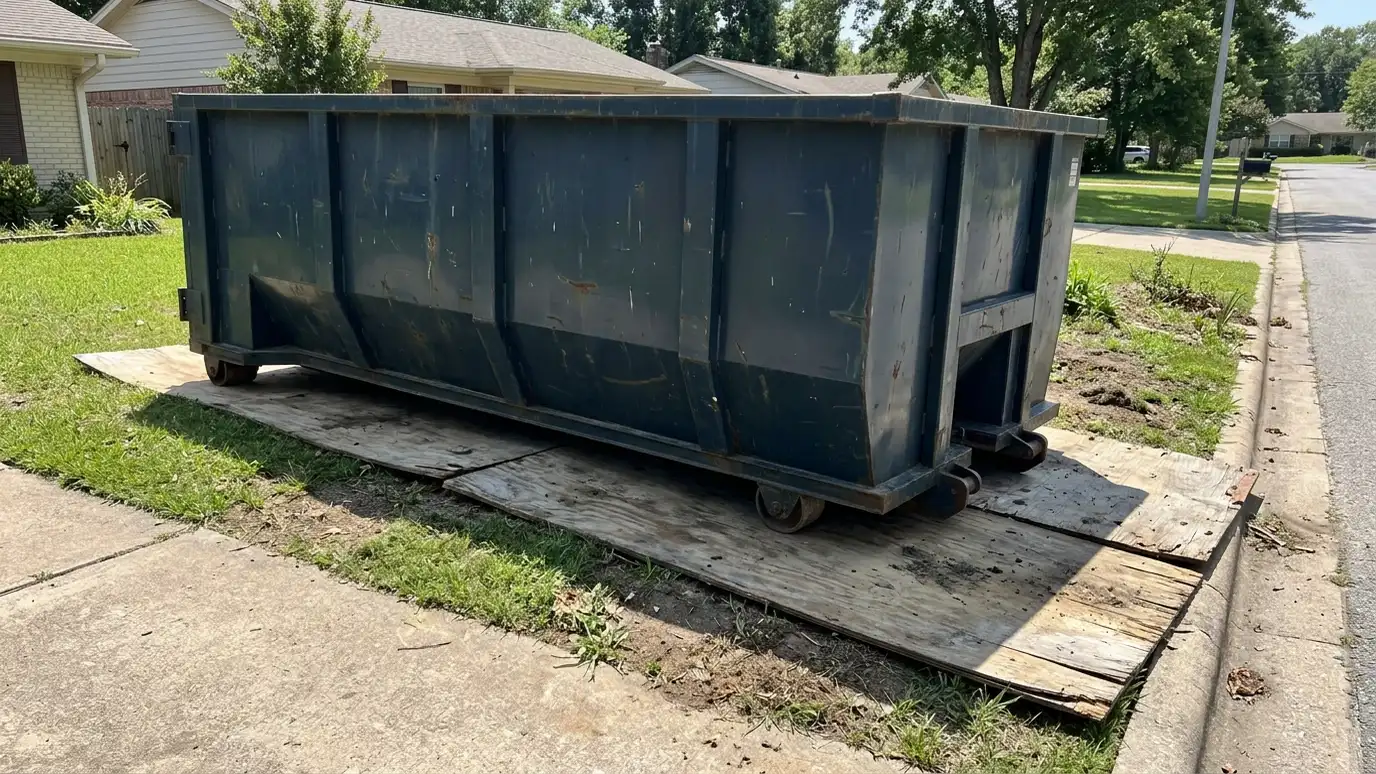
Dumpster pad and ground protection with plywood, rubber mats and pads that shield driveways, lawns and soft ground from heavy containers.
A loaded dumpster concentrates thousands of pounds on a few narrow rails, and soft ground gives way. Plywood sheets, pads and mats spread the weight and protect your driveway, lawn or jobsite from ruts and scars. In Nashville, where spring rain can soften a lawn overnight, a pad can be the difference between a clean pickup and a muddy mess.
We recommend thick plywood sheets laid flat under the rails and, on soft ground, a larger pad or a gravel base. We explain how to arrange the boards so the container rests on them and the truck's tires also have support. On commercial sites we discuss mats and gravel pads, and we ask about any underground utilities, septic or drainage. A little prep before delivery protects the surface and keeps the rental drama free. On soft or sloped ground, ask us about a gravel pad or heavy-duty mats, and avoid placing a loaded container where water collects. After pickup, leave the boards down for a day if the ground is wet, so the lawn can recover without more traffic.
Sheets spread the weight under the rails.
Pads or gravel bases prevent ruts.
Boards help the truck too.
Septic, drains and utilities are avoided.
Drag the handle to compare.
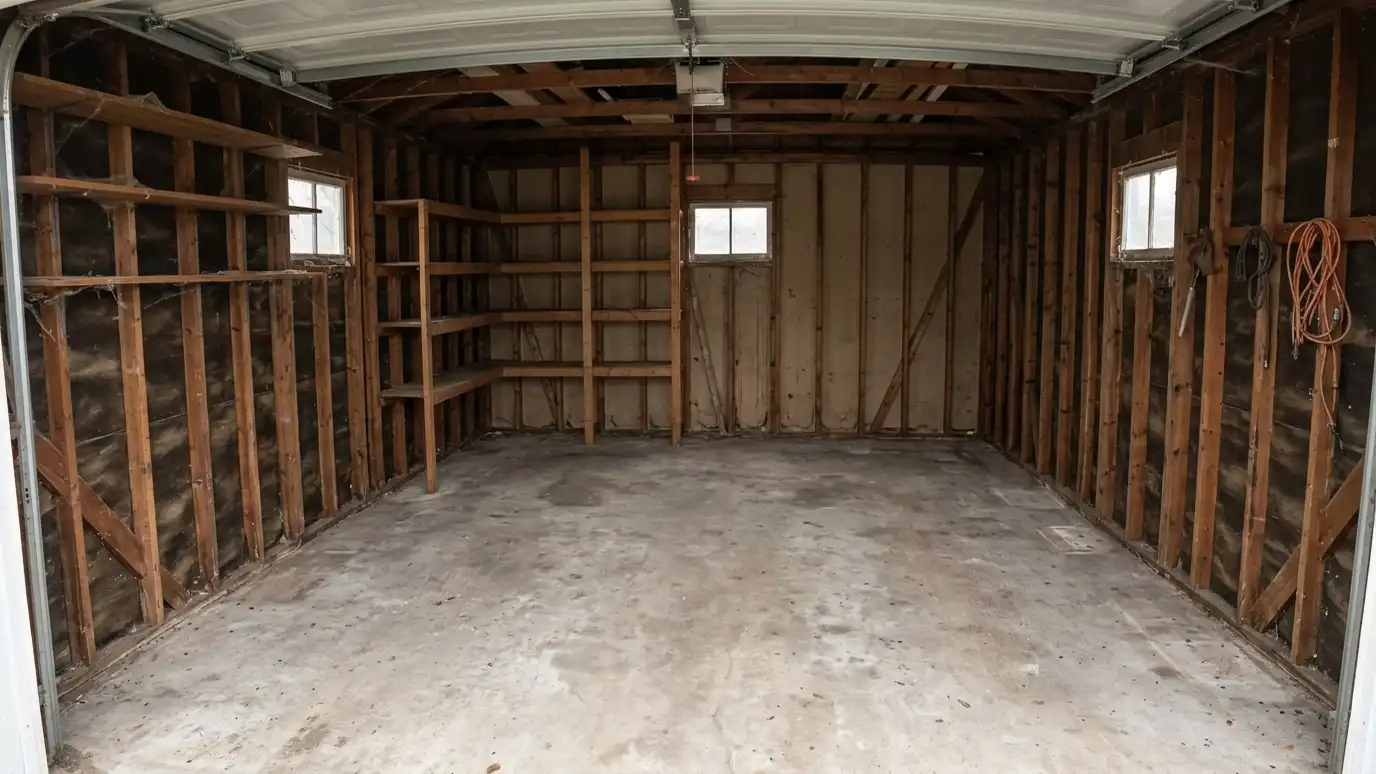
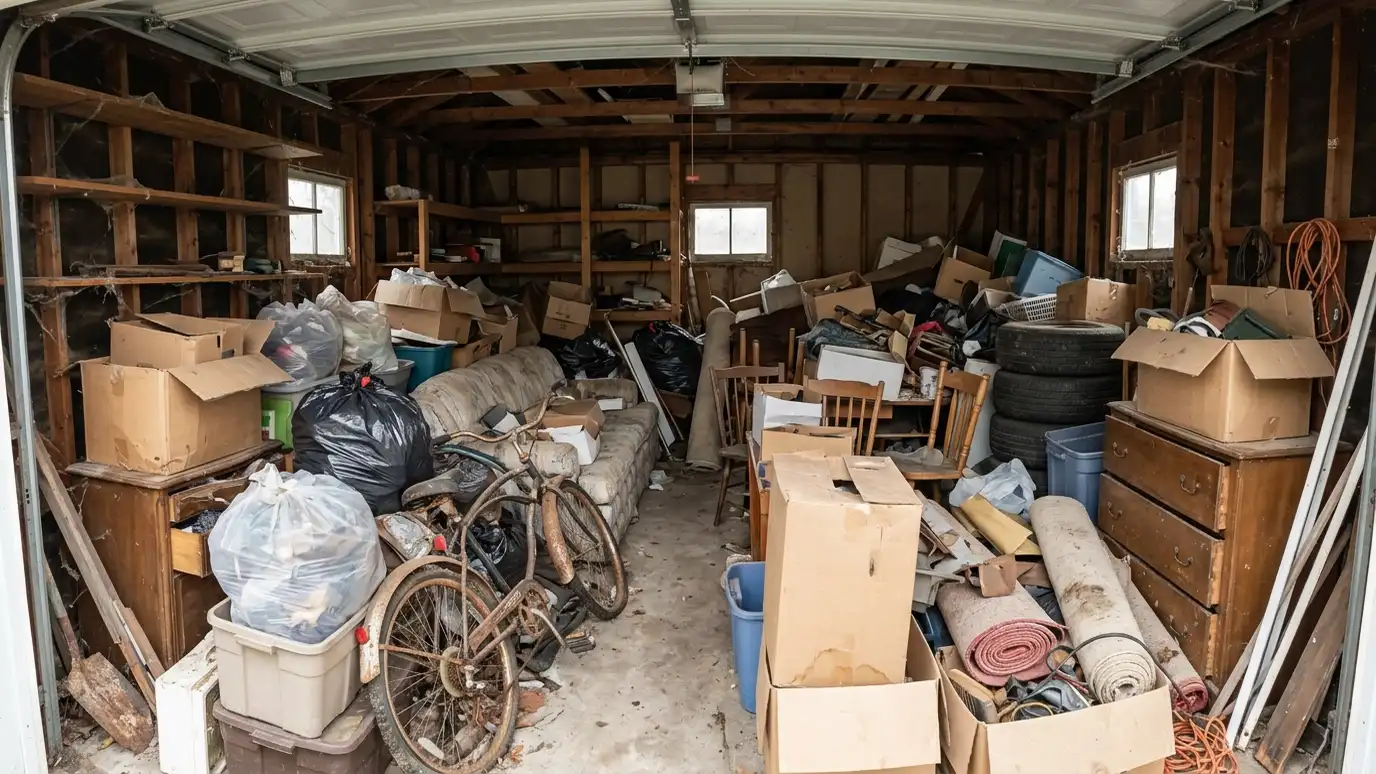 BeforeAfter
Spreads weight on concrete and asphalt.
Larger pads or gravel bases.
Boards for the tires too.
Septic, drains and utilities.
Commercial pad options.
Wet ground needs extra care.
Every topic has its own page with what to expect and how we approach it.
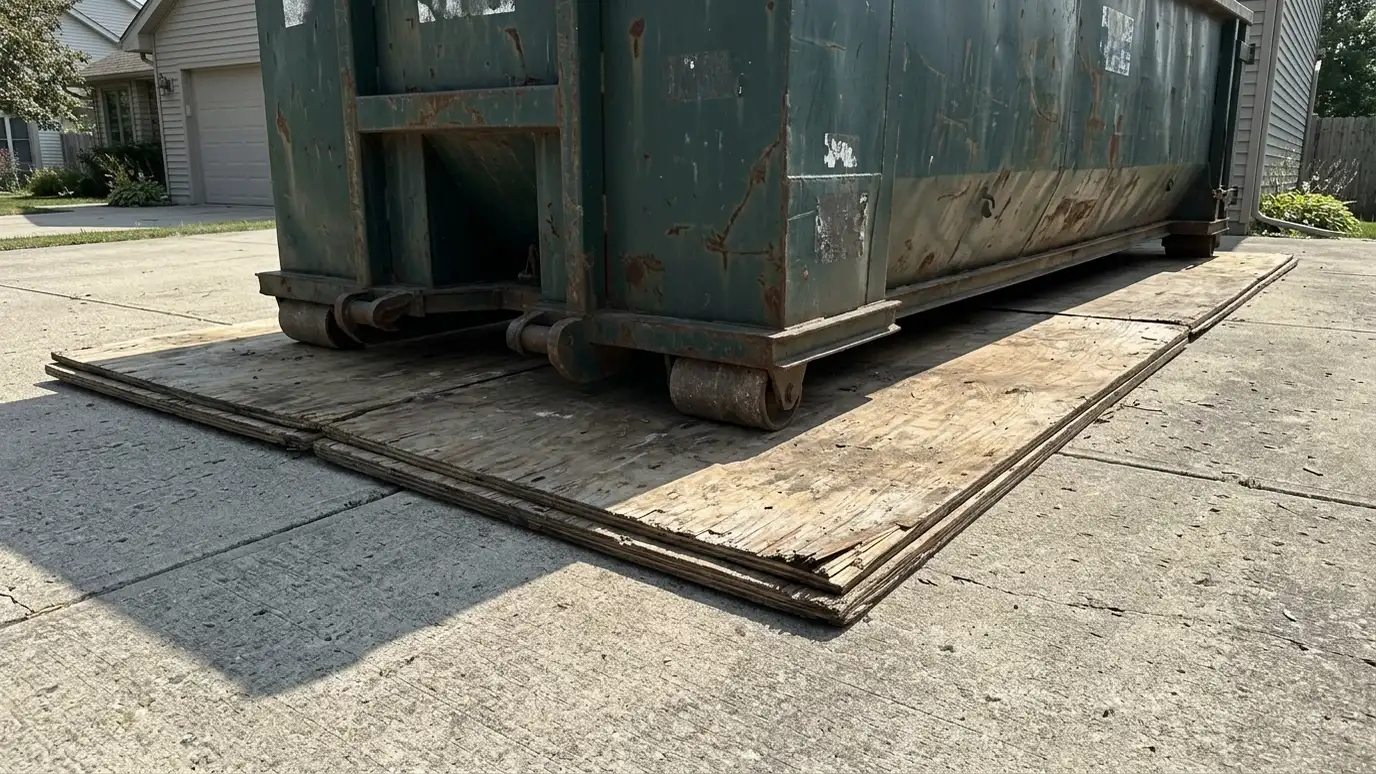 Comparison guideProtecting Your DrivewayHow plywood, pads and smart placement protect concrete, asphalt, pavers and lawns from the weight of a loaded…Learn more
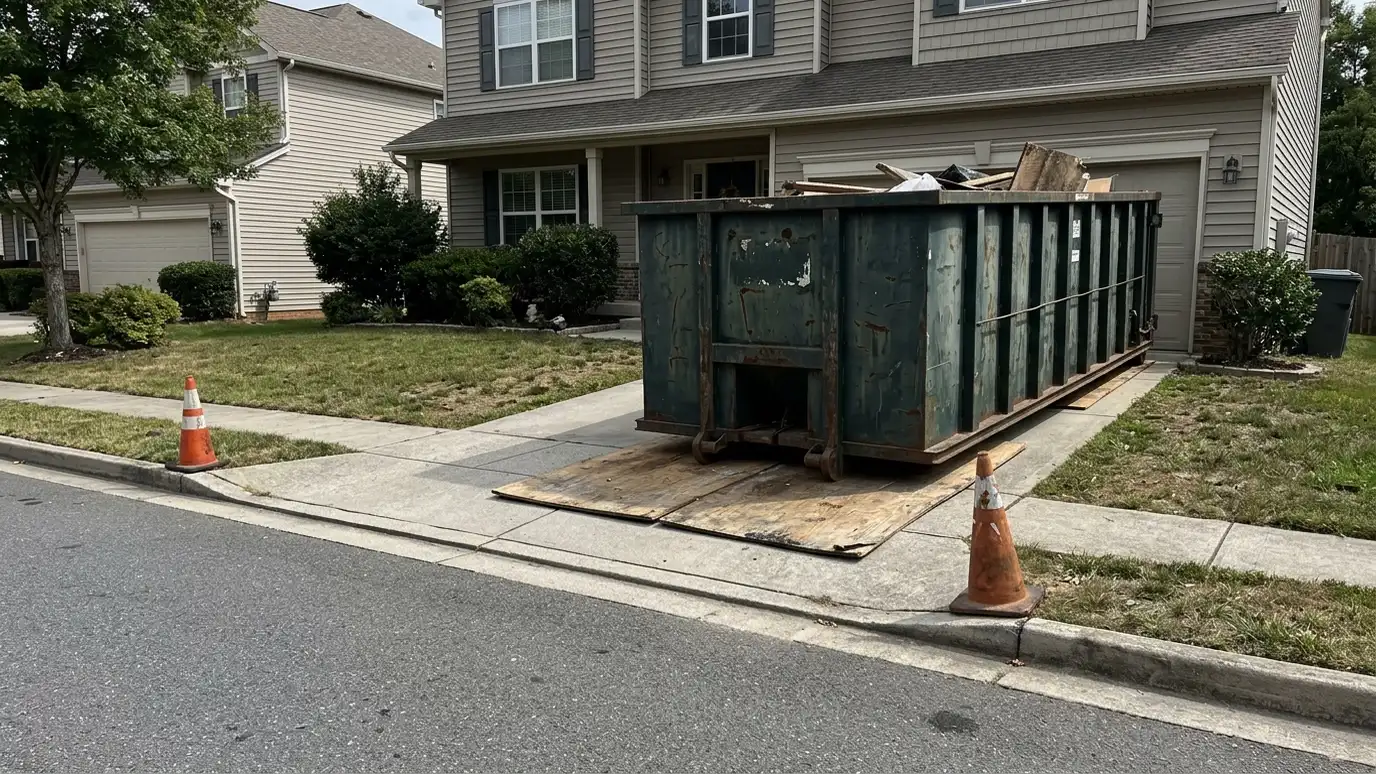 Comparison guideDumpster Placement RulesWhere a dumpster can sit, how much space it needs, what to check before delivery and when street…Learn more
 ResourceNational Weather ServiceThe local forecast office for Middle Tennessee that publishes forecasts, warnings and weather information.Learn more
Pick a concern, such as an overfull container, a heavy load, a blocked pickup or a prohibited item, to get likely causes, what to do first and the service page that fits.
You tell us what you are removing, where the container will sit and when you need it, and we recommend a size and set the details.
We check the spot, the slope, the wires and the truck path from photos or a visit and talk through weight and materials.
You get a plain written quote with the size, the rental days, the weight allowance and the terms before anything is scheduled.
The truck sets the container where we agreed, on plywood when needed, and we confirm the placement with you.
Load heavy items first, spread the weight, keep prohibited items out and stay below the fill line. Call if you need a swap or more days.
Call when you are done and we schedule the pickup, haul the container and leave the site ready for the next step.
Thick plywood sheets laid flat under the rails are common.
Soft ground can rut, so use a pad or choose a firmer spot.
Often a few boards under the rails help. Check local rules too.
Avoid placing heavy containers over a tank or drain field.
Wet ground is softer, so extra protection helps.
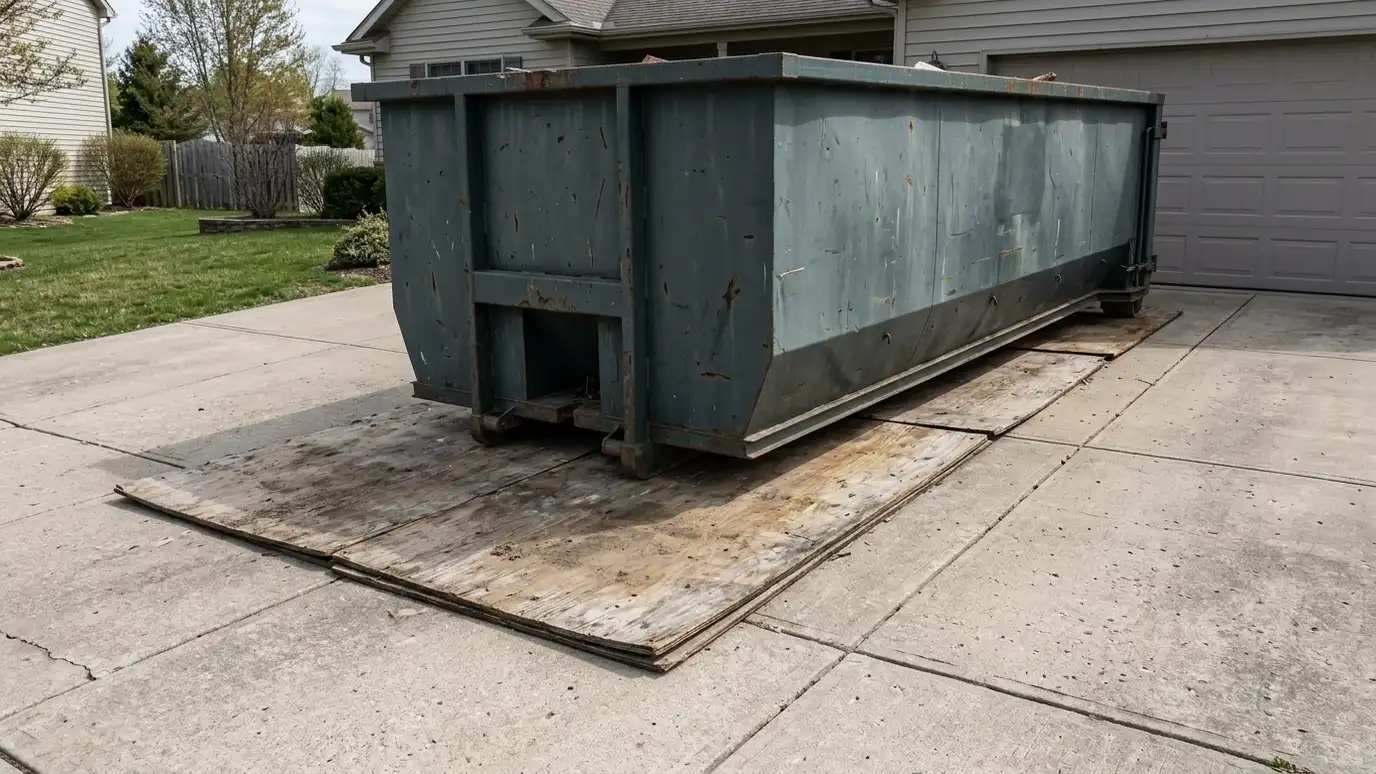 Driveway ProtectionDriveway protection and placement guidance with plywood, pads and smart positioning so a heavy container does not mark…Explore
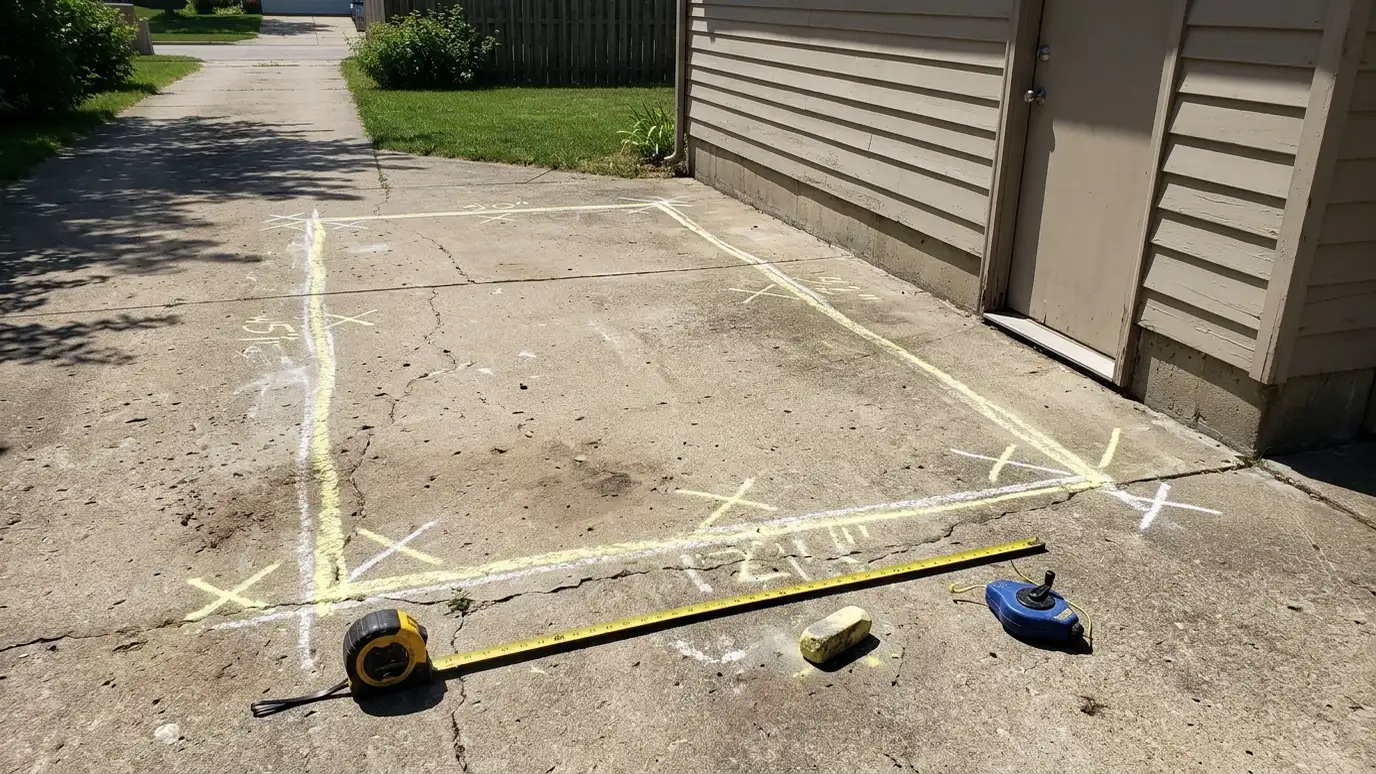 Site Visit and Placement PlanSite visit and placement planning for large or tricky projects, with a look at the driveway, the slope…Explore
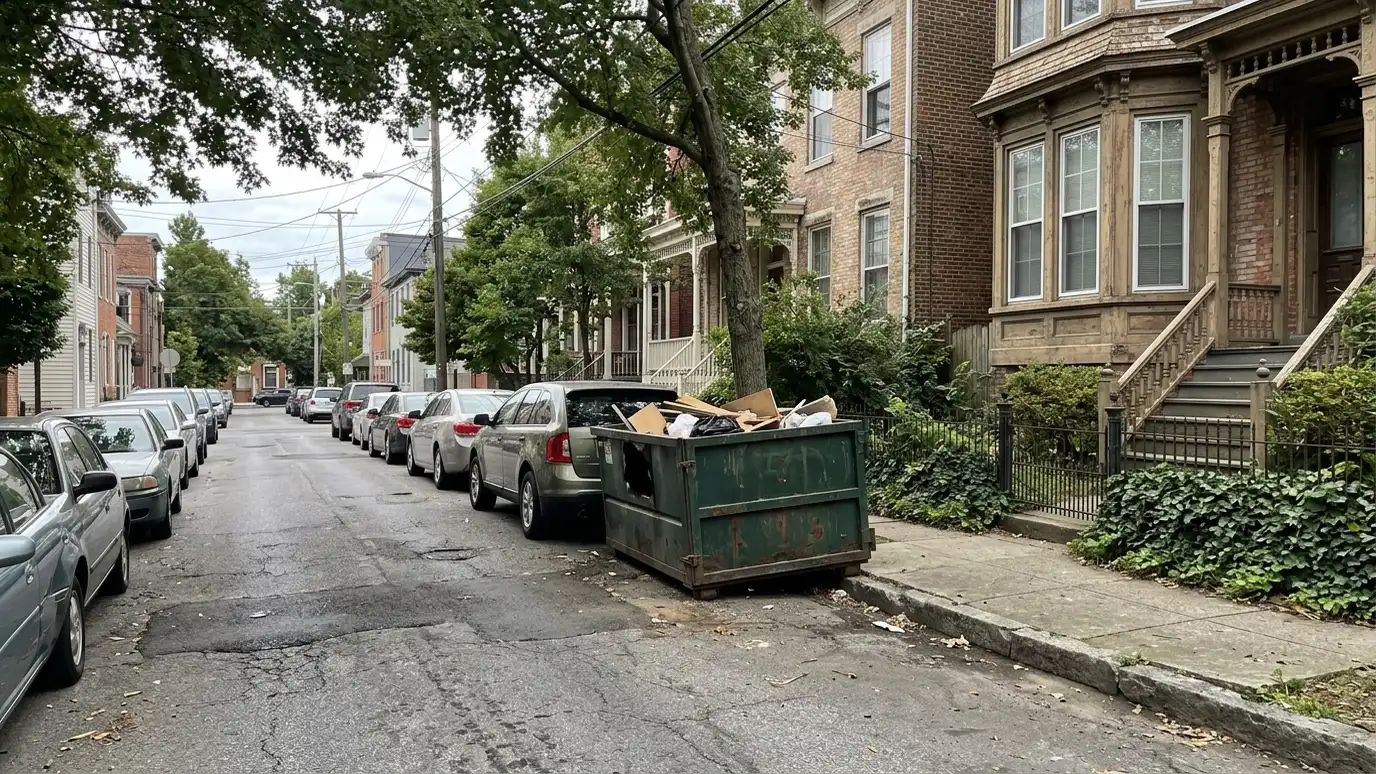 Tight Access DeliveryTight access and narrow street delivery for historic neighborhoods, steep drives and small lots, with compact containers and…Explore
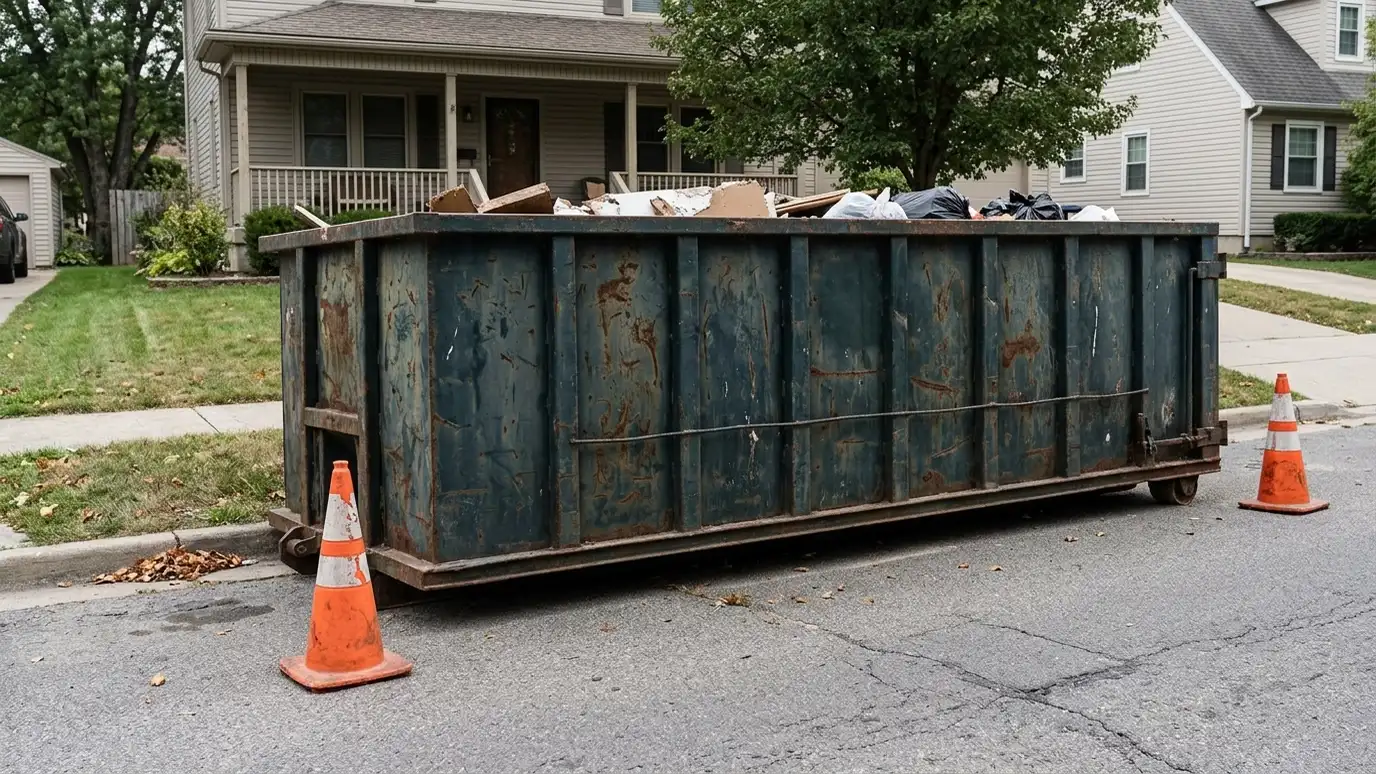 Street Placement and PermitsStreet placement and permit help for dumpsters that cannot fit on the property, with guidance on cones, spacing…Explore
Tell us about your project and we will call you back to set up delivery.
Or call (615) 357-7797 to talk now.