
Size and type
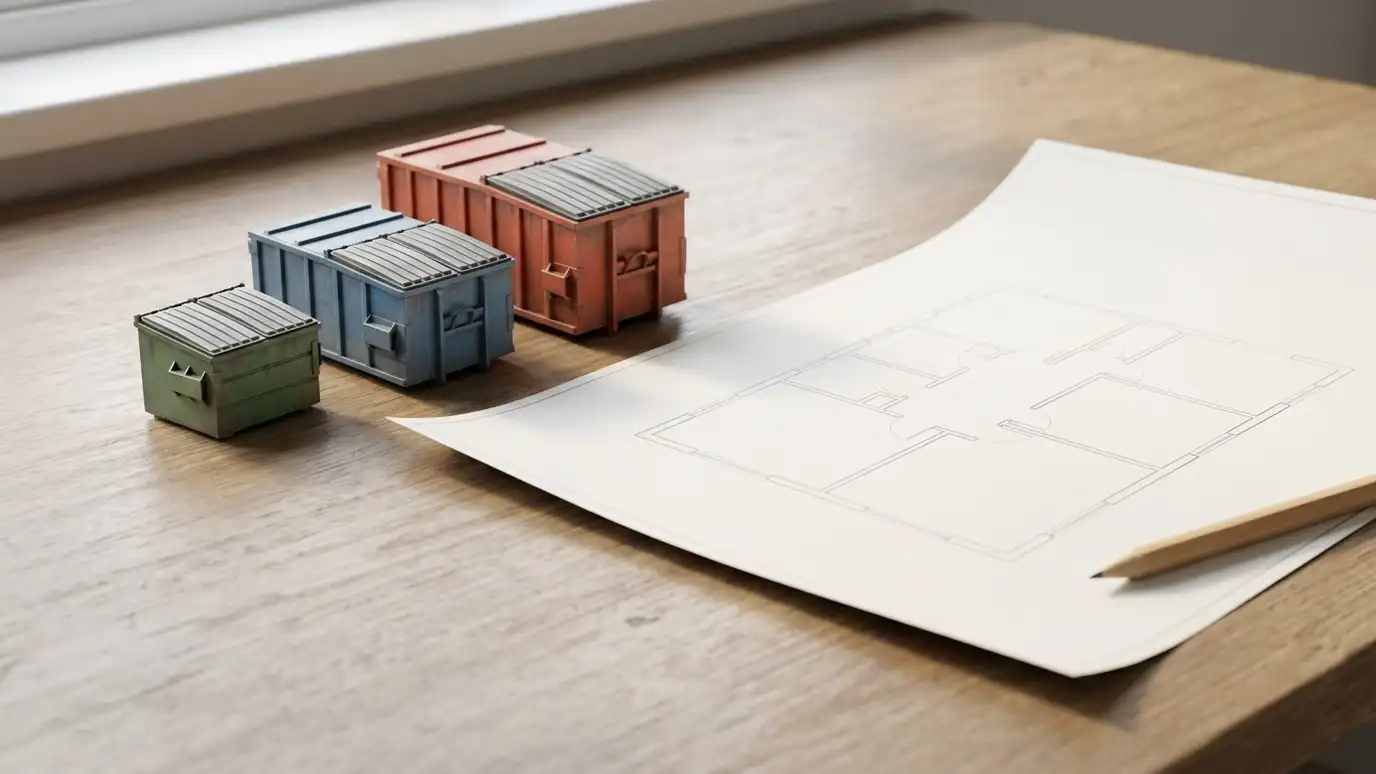
The container size is the first lever. A ten-yard, a twenty-yard and a forty-yard use different trucks, different time and different amounts of space on the road.
Low-side containers for heavy loads and walk-in door containers are priced and handled differently from a standard box.
Choose the size that fits the project, not the one that sounds smallest.
Materials and weight
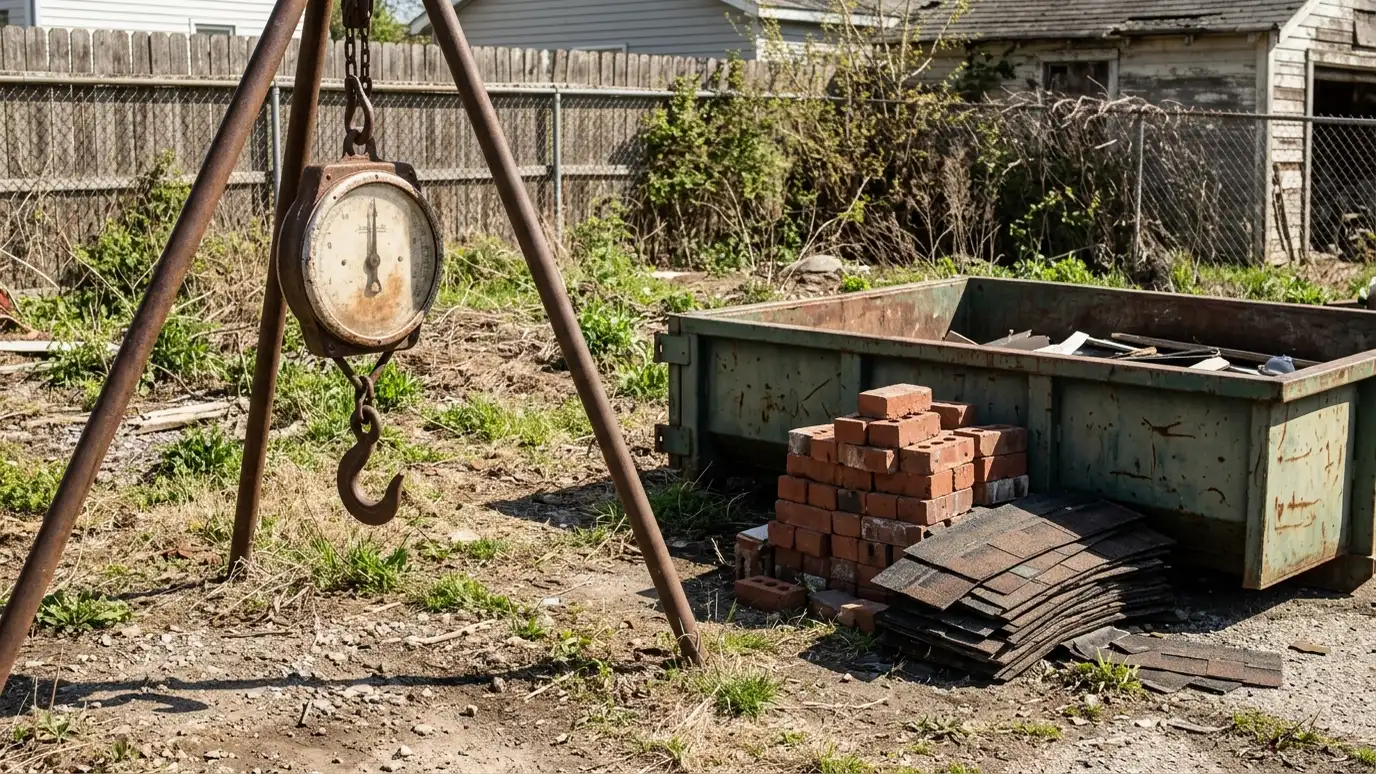
Disposal sites charge based on what they receive, so the material and its weight matter. Concrete, shingles and soil weigh far more than furniture or cardboard.
A quote that does not mention the weight allowance is missing one of the most important details.
Ask what happens if the load goes over, and how it is calculated.
Rental period and timing
A rental includes a set number of days, and extensions add to the total. Rush delivery, weekends and busy spring and fall seasons can also change availability.
Planning ahead gives you more choices and usually a calmer schedule.
Tell us your dates early and we will say what is realistic.
Location and access
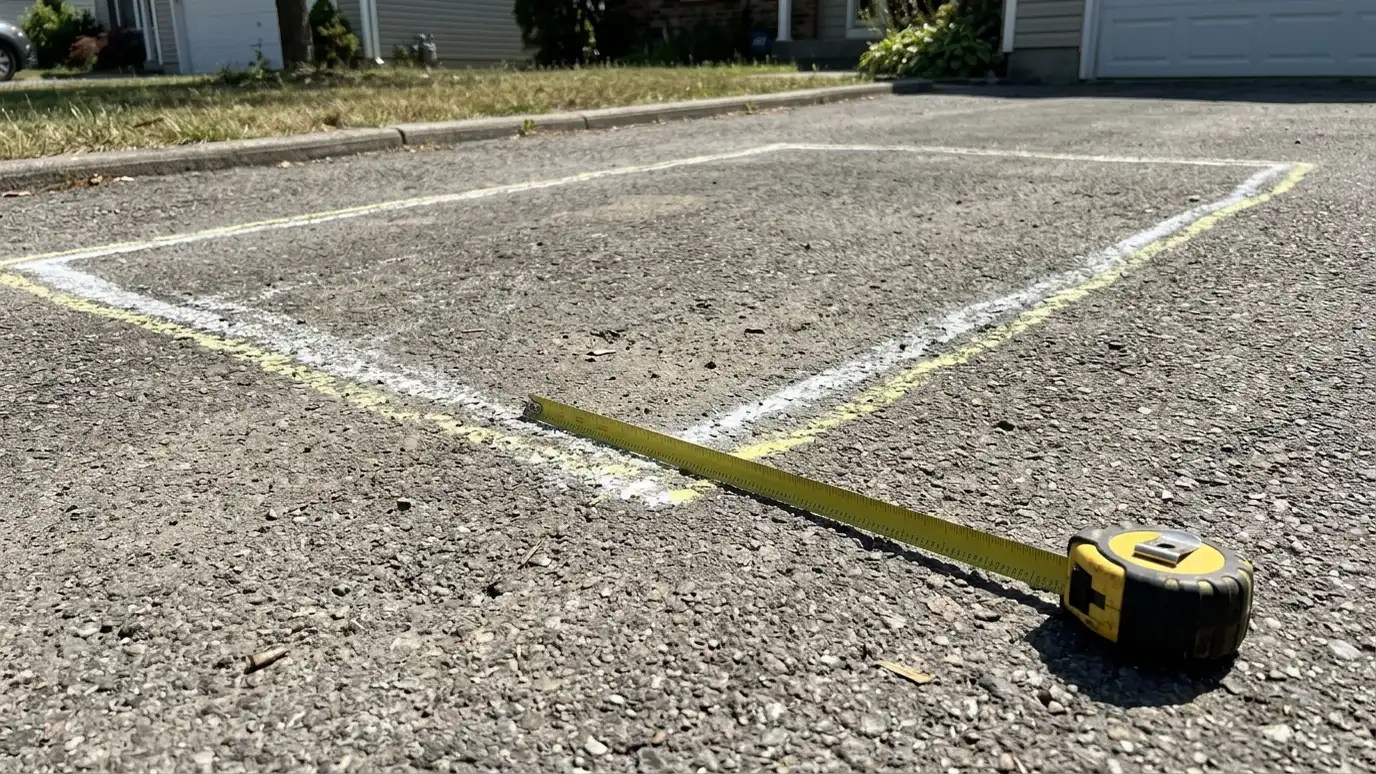
Distance to the site, the difficulty of the approach and the need for permits or extra protection all play a part. A tight street with wires and parked cars is harder than an open driveway.
Photos and a short description of the spot help us quote accurately.
Street placement may involve permits that you handle with local officials.
Extras and special handling
Swaps, multiple hauls, prohibited items, blocked pickups and special handling for certain materials can add to a rental. Most of these are avoidable with a clear plan.
Keep the load below the fill line and the path clear, and ask before you load anything unusual.
A written list of what is included and what is extra keeps everything transparent.
Comparing quotes fairly
Give each company the same description and ask for the same breakdown: size, included days, weight allowance, extension and overage terms, delivery and pickup and prohibited items.
A lower number that leaves out important terms is not a bargain.
Our quote scorecard and budget planner help you line up quotes using your own priorities.
Compare the terms before the total: size, weight allowance, days and extras should be written down in every quote.