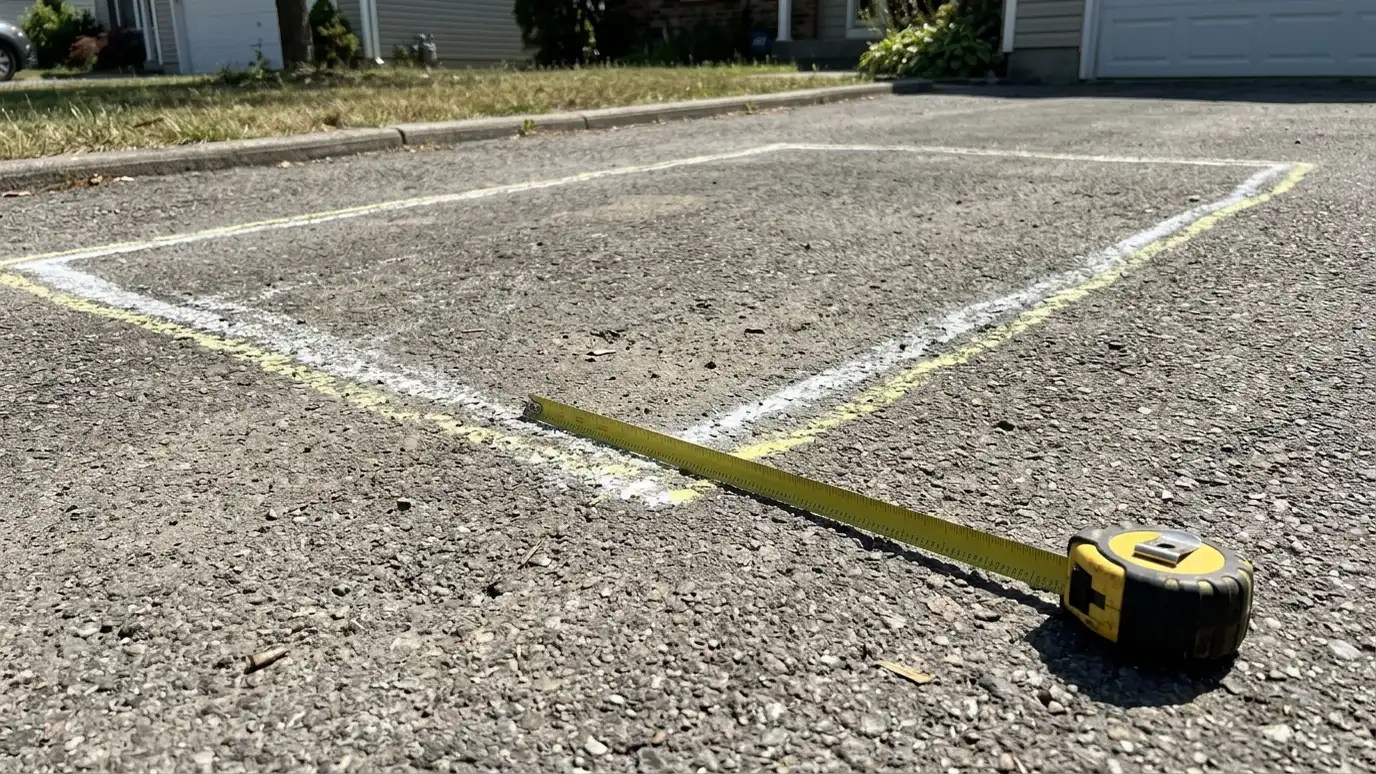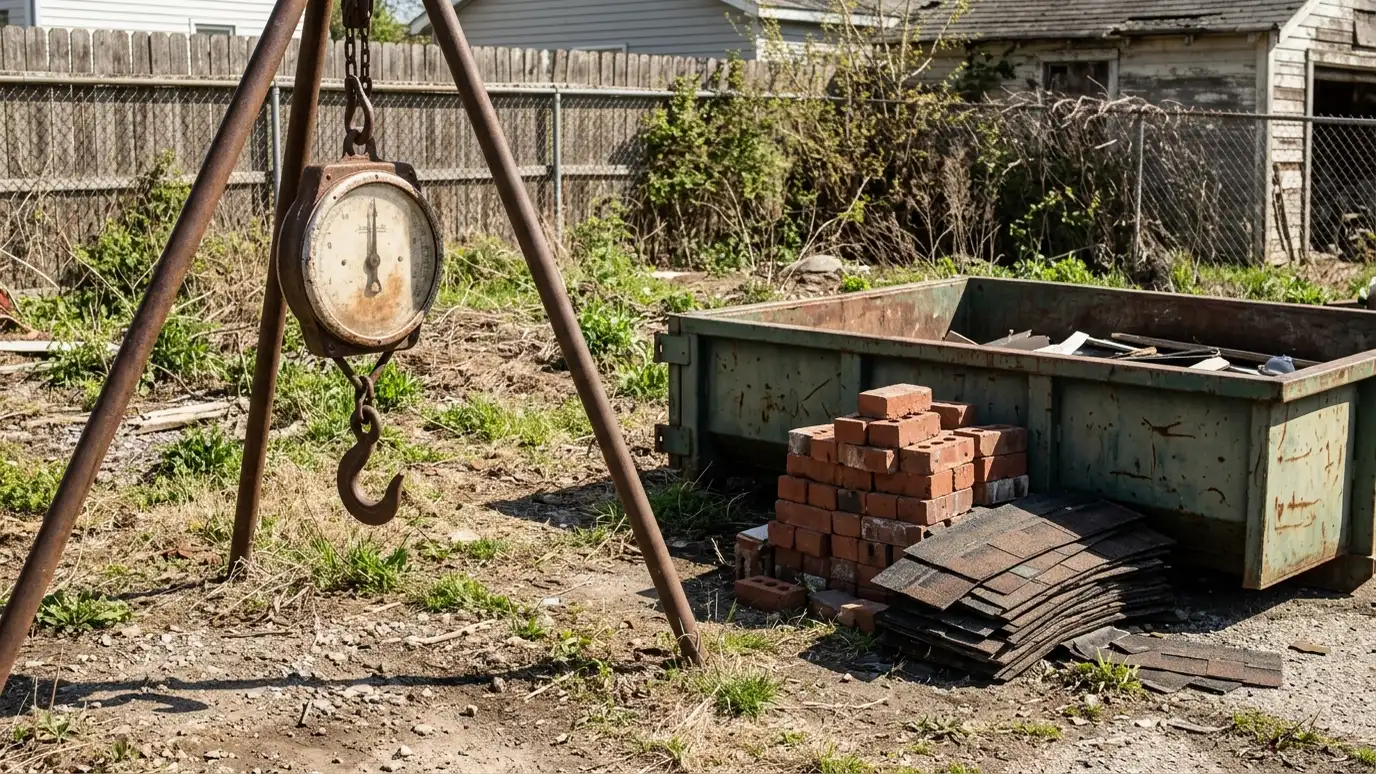
Weight limits and overage guidance that explain how weight allowances work, how to estimate your load and how to stay within the limit.
Every dumpster rental has a weight allowance, and almost every surprise on a rental comes from weight. A container that looks half full of shingles, tile or wet drywall can already be at its limit. Understanding how weight works before you load takes the guesswork out of the rental. In Nashville, we explain allowances at booking, remind you which materials are heaviest and suggest ways to stay under the limit.
We ask what you are throwing away, then estimate the weight and recommend a size. Heavy materials such as concrete, brick, soil, tile and shingles need low-side containers or careful loading. Water adds weight, so covering the container in rain helps. If a load goes over the allowance, there is an overage handling, and we explain how it works up front so it never feels like a surprise. Our material checker helps you estimate before you load. A practical test: if you can barely lift a piece, it counts as heavy. Keep a mental tally of heavy items and place them first, low and spread out. When in doubt, ask us to estimate the weight, or use our material checker to see how a mixed load stacks up.
You see the limit before you rent.
Concrete, brick, tile, soil and shingles.
Cover the container in wet weather.
Plan the load before it goes in.
You know the limit before you start.
Concrete, tile and shingles.
Cover the container in rain.
Low-side boxes for dense loads.
Check weight before you load.
Overage terms are clear up front.
Every topic has its own page with what to expect and how we approach it.
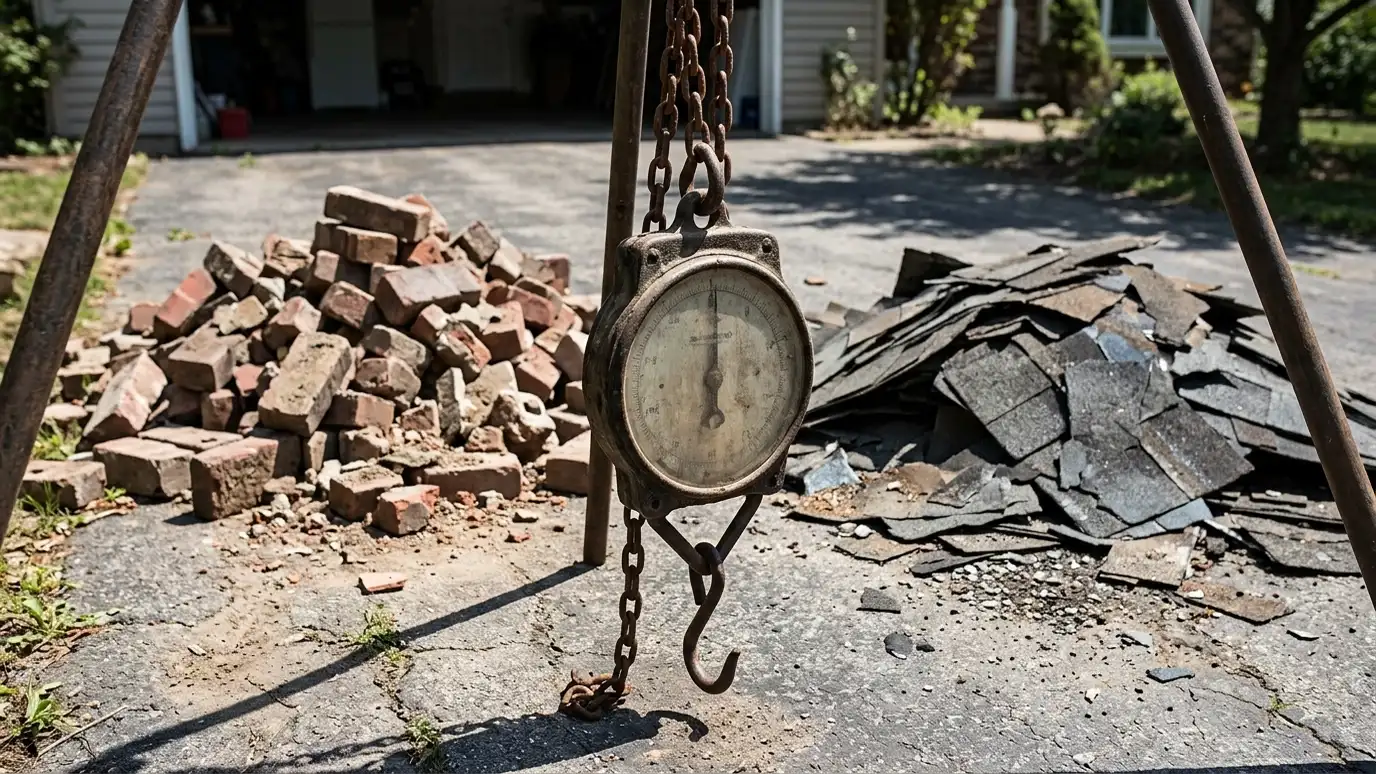 Comparison guideDumpster Weight ExplainedHow weight allowances work, which materials are heaviest and how to keep a load within its limit.Learn more
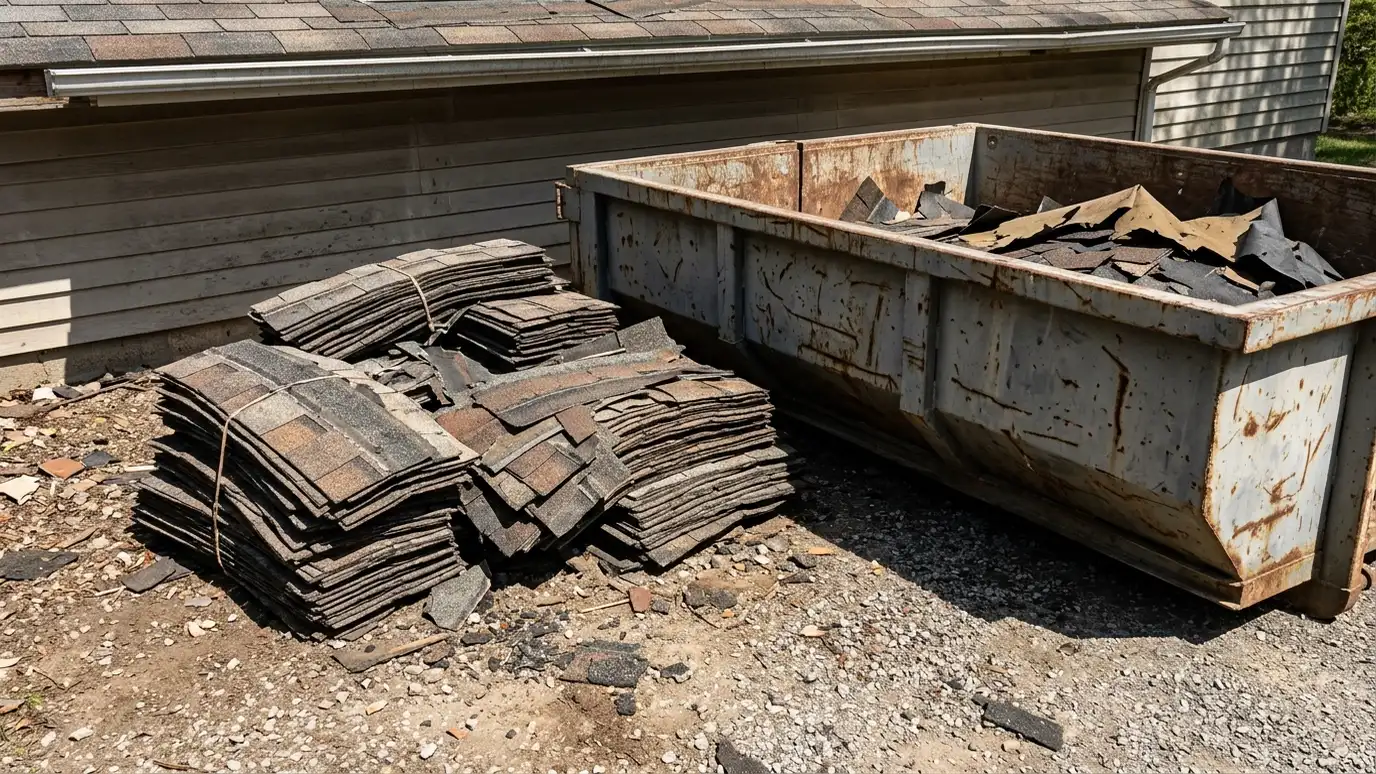 Comparison guideRoofing Debris and SizeHow roofing squares, layers and shingle types turn into weight and container size, with tips for protecting the…Learn more
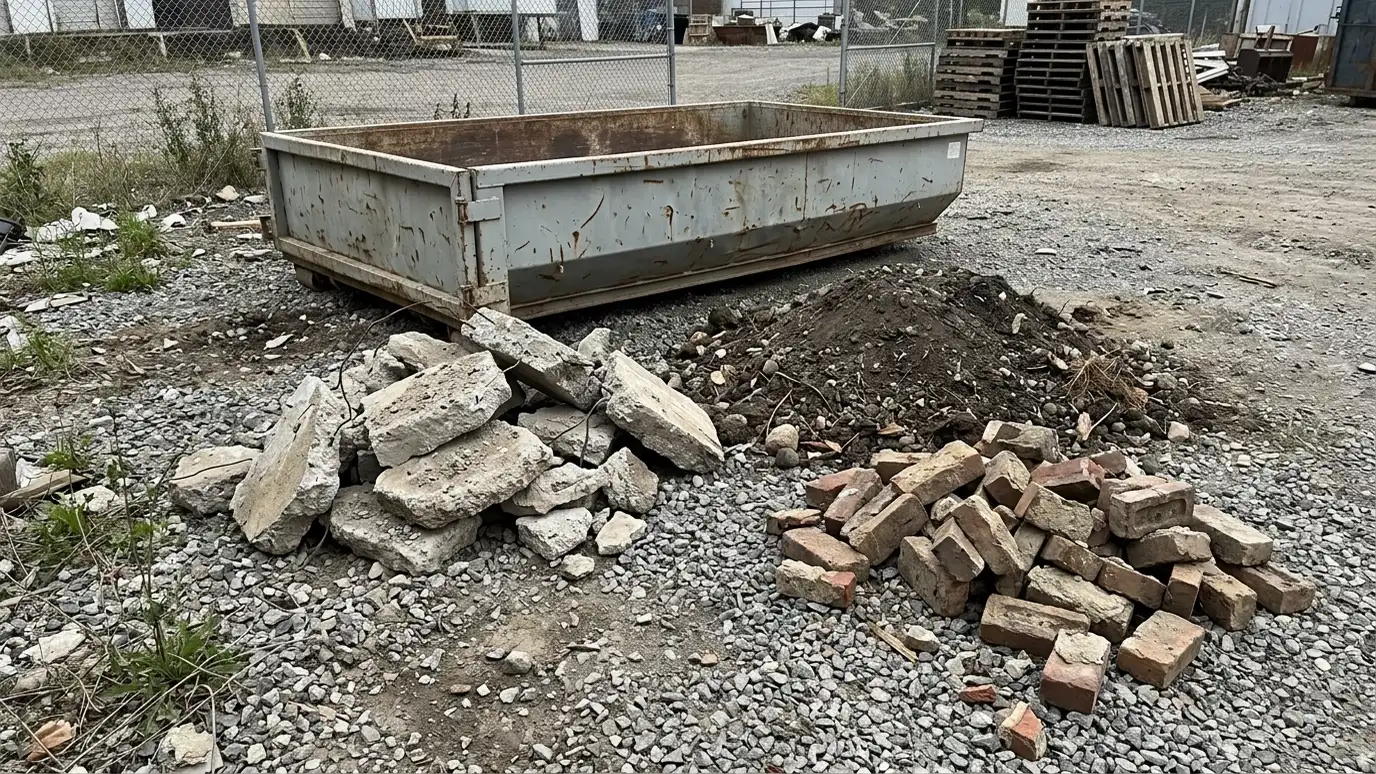 Comparison guideHeavy Material DumpstersWhy dense materials need low-side containers, how fill lines work and how to plan loads of concrete, brick…Learn more
Add shingles, concrete, drywall, furniture and other debris to see a planning weight, which container fits and which materials need a low-side box.
You tell us what you are removing, where the container will sit and when you need it, and we recommend a size and set the details.
We check the spot, the slope, the wires and the truck path from photos or a visit and talk through weight and materials.
You get a plain written quote with the size, the rental days, the weight allowance and the terms before anything is scheduled.
The truck sets the container where we agreed, on plywood when needed, and we confirm the placement with you.
Load heavy items first, spread the weight, keep prohibited items out and stay below the fill line. Call if you need a swap or more days.
Call when you are done and we schedule the pickup, haul the container and leave the site ready for the next step.
The amount of weight included in your rental. We explain it when you book.
Overage is handled under your quote terms, which we explain before you rent.
Concrete, brick, soil, tile, shingles and wet material.
Our material checker gives a planning estimate, and we can help you refine it.
Yes. Water adds weight, so cover the container if rain is coming.
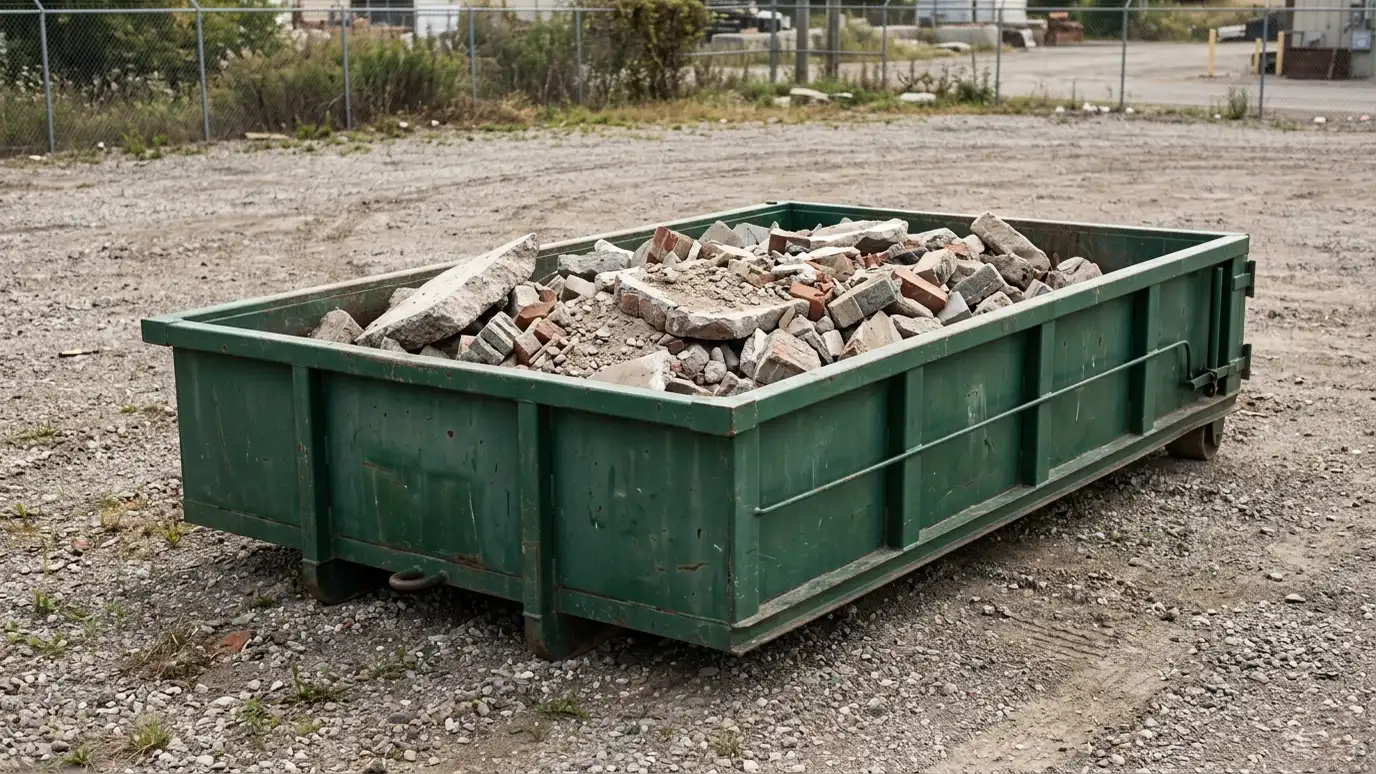 Heavy Material DumpstersLow-side heavy material dumpsters for concrete, brick, block, asphalt, dirt and rock, sized and filled so the load…Explore
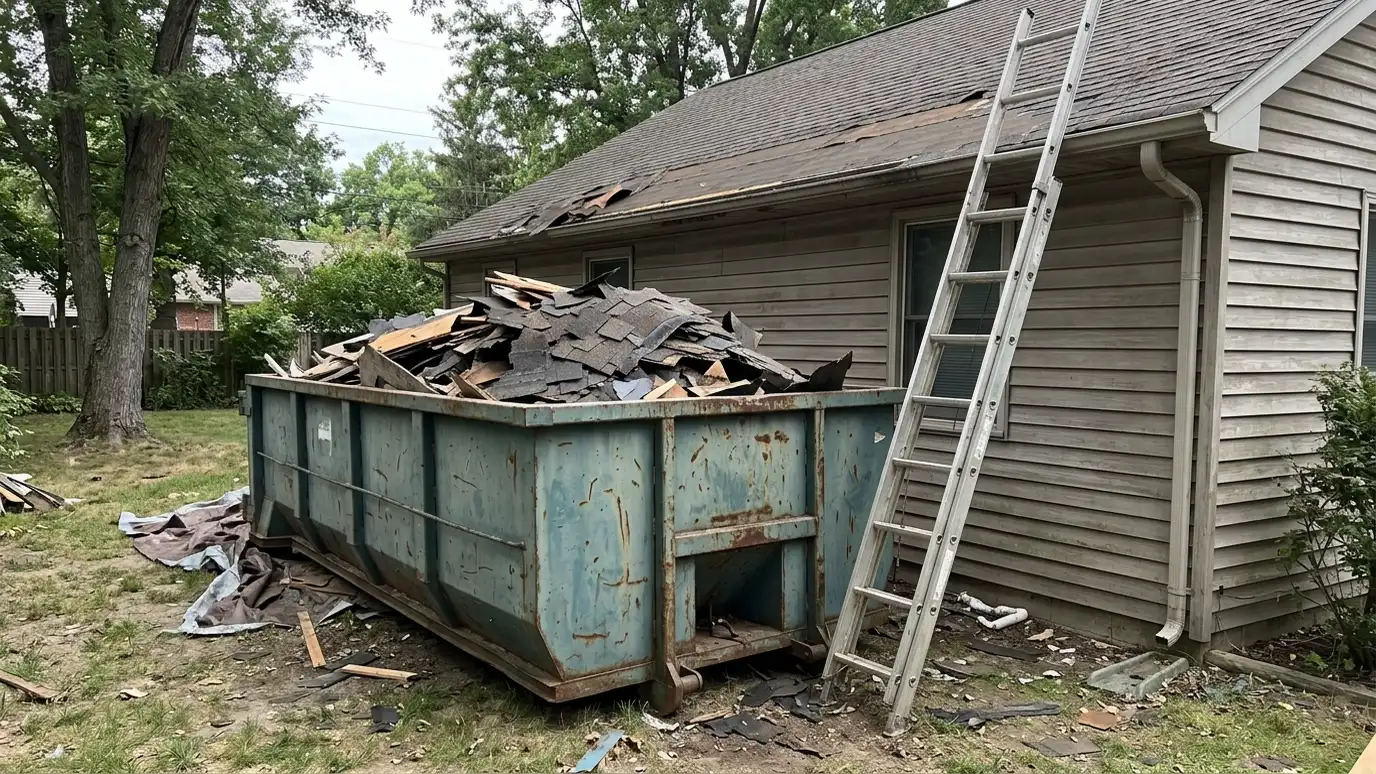 Roofing DumpstersRoofing shingle dumpsters for tear-offs of any size, with weight guidance, sizing by roofing squares and placement close…Explore
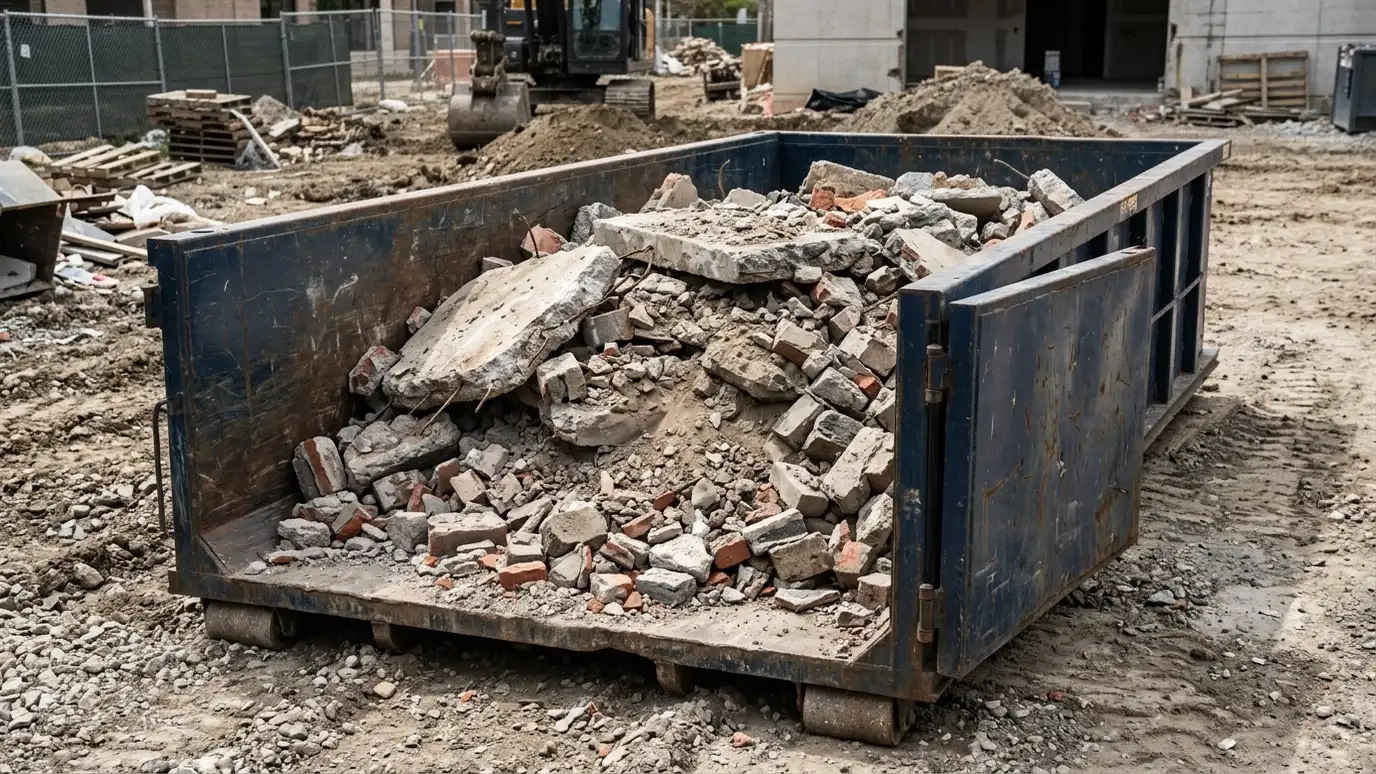 Concrete and Masonry DisposalConcrete and masonry disposal for slabs, block, brick, stone and pavers, using low-side containers that stay within safe…Explore
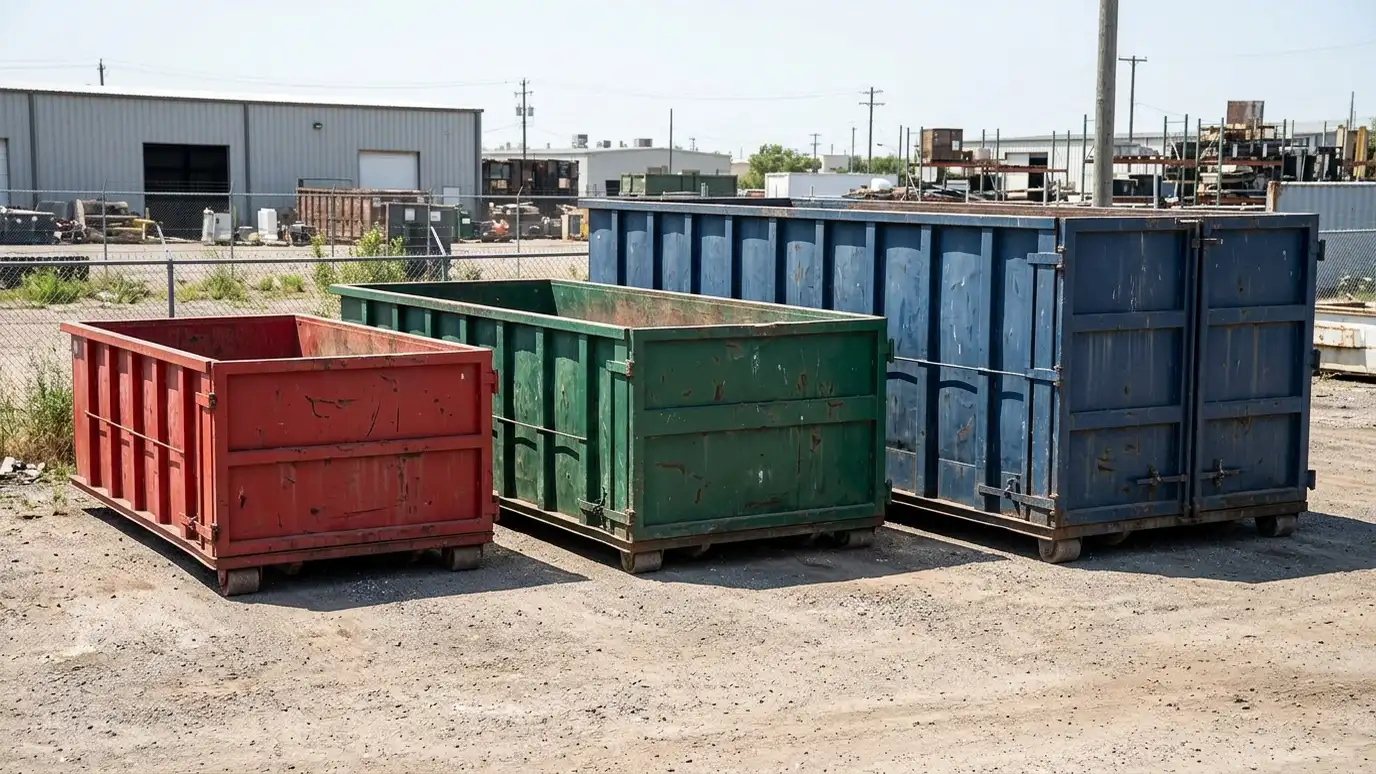 Size Selection HelpDumpster size selection help that matches your project, your debris and your driveway to a ten, fifteen, twenty…Explore
Tell us about your project and we will call you back to set up delivery.
Or call (615) 357-7797 to talk now.