Wood and lumber disposal for scrap framing, old boards, fence panels, pallets and trim, with tips for cutting down long pieces and for clean wood loads.
Wood is one of the most common things people throw away, from fence boards and decks to pallets and scrap from a build. It is bulky, and long pieces can waste a lot of space if they are not cut down. A roll-off container makes quick work of it, and a clean load of untreated wood may be easier to process or recycle. In Nashville, a fifteen or twenty-yard container is a popular choice for wood projects.
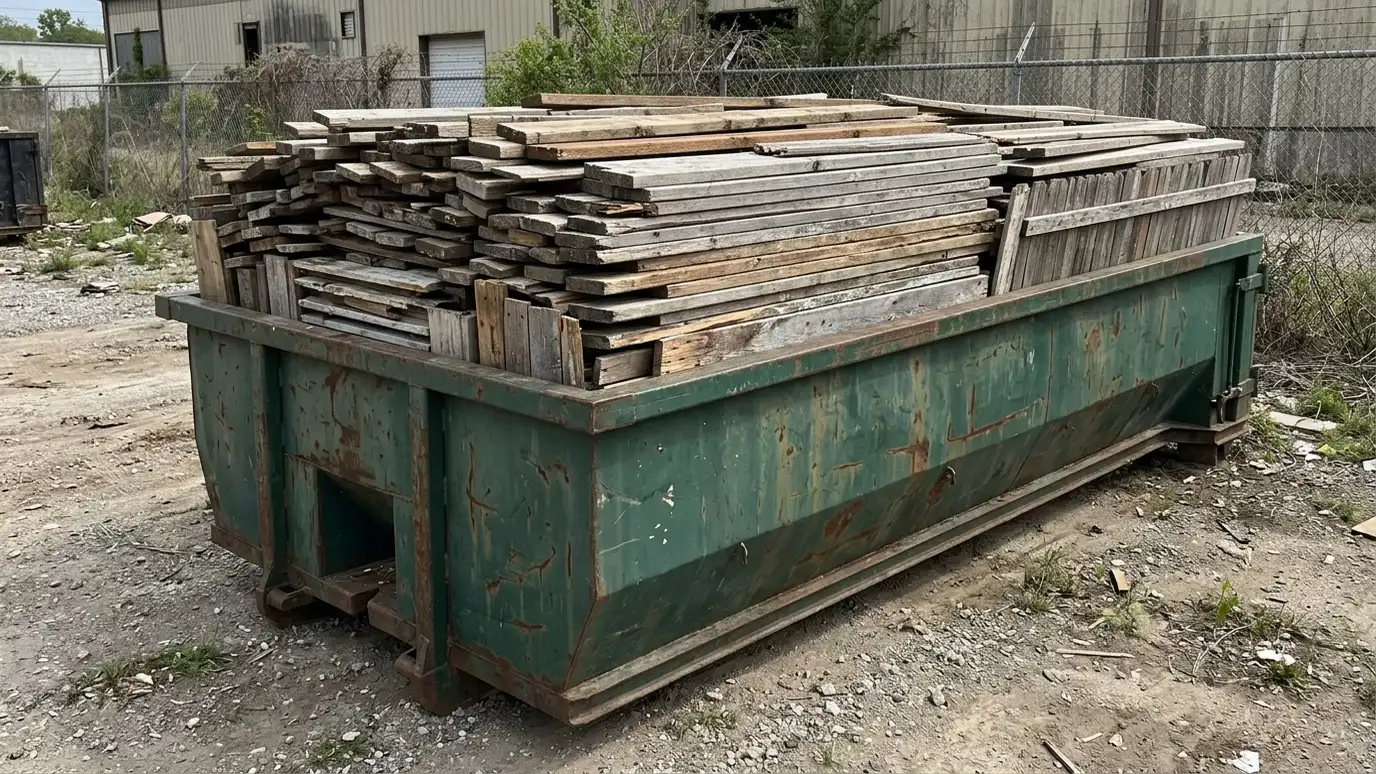
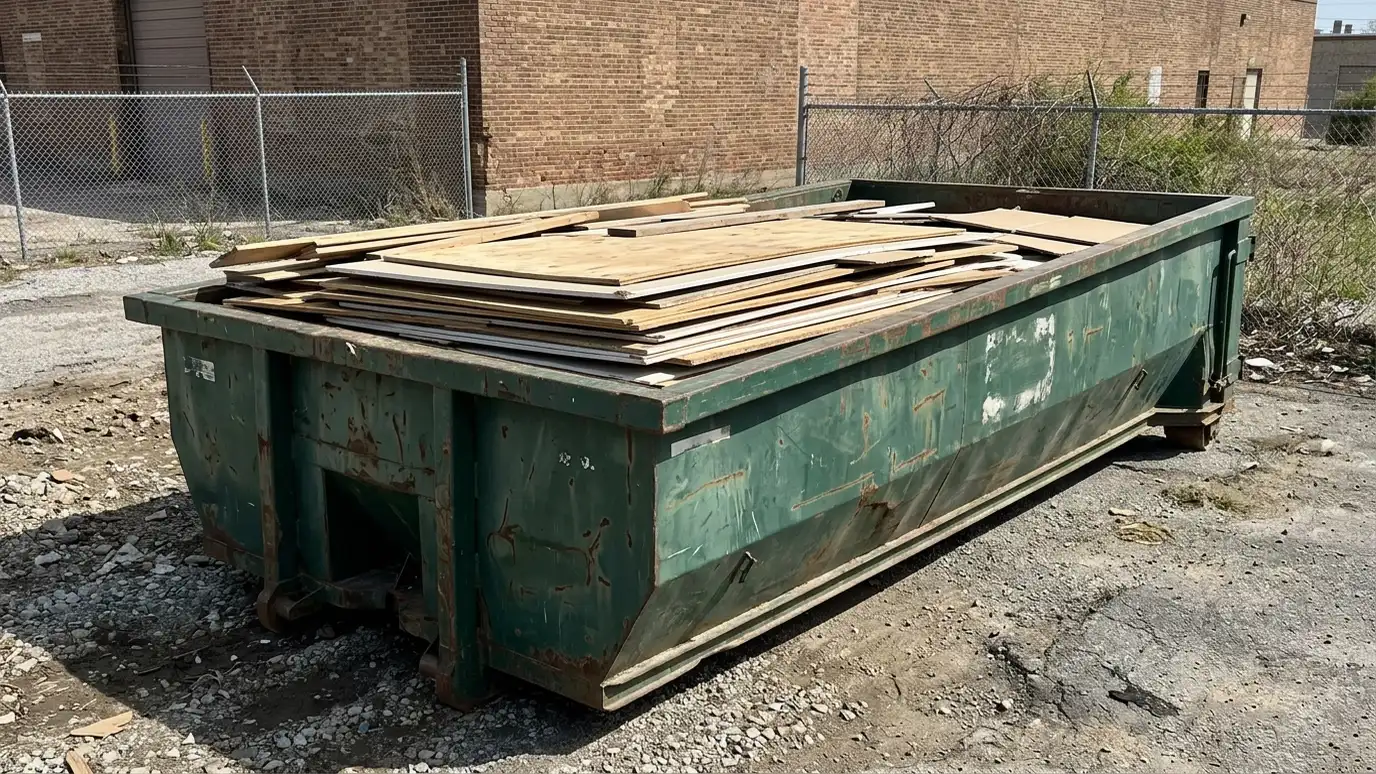
Cut long boards to a manageable length and stack them flat to use every inch. Remove loose hardware where you can, and keep paint cans, chemicals and trash out of a clean wood load. Treated or painted lumber may be handled differently from natural wood, so tell us what you have. If you have a lot of pallets or fence panels, a walk-in door container makes loading easier. We help you pick the right size. Sort out any pieces with metal brackets, paint or chemical treatment, and tell us if you are not sure what you have. Stack boards with the ends lined up so they pack tight, and keep nails, screws and metal hardware in a small bucket so they do not end up on the ground.
Long boards waste space if left whole.
Even layers use the whole floor.
Tell us if it is treated or painted.
A walk-in door speeds loading.
Drag the handle to compare.
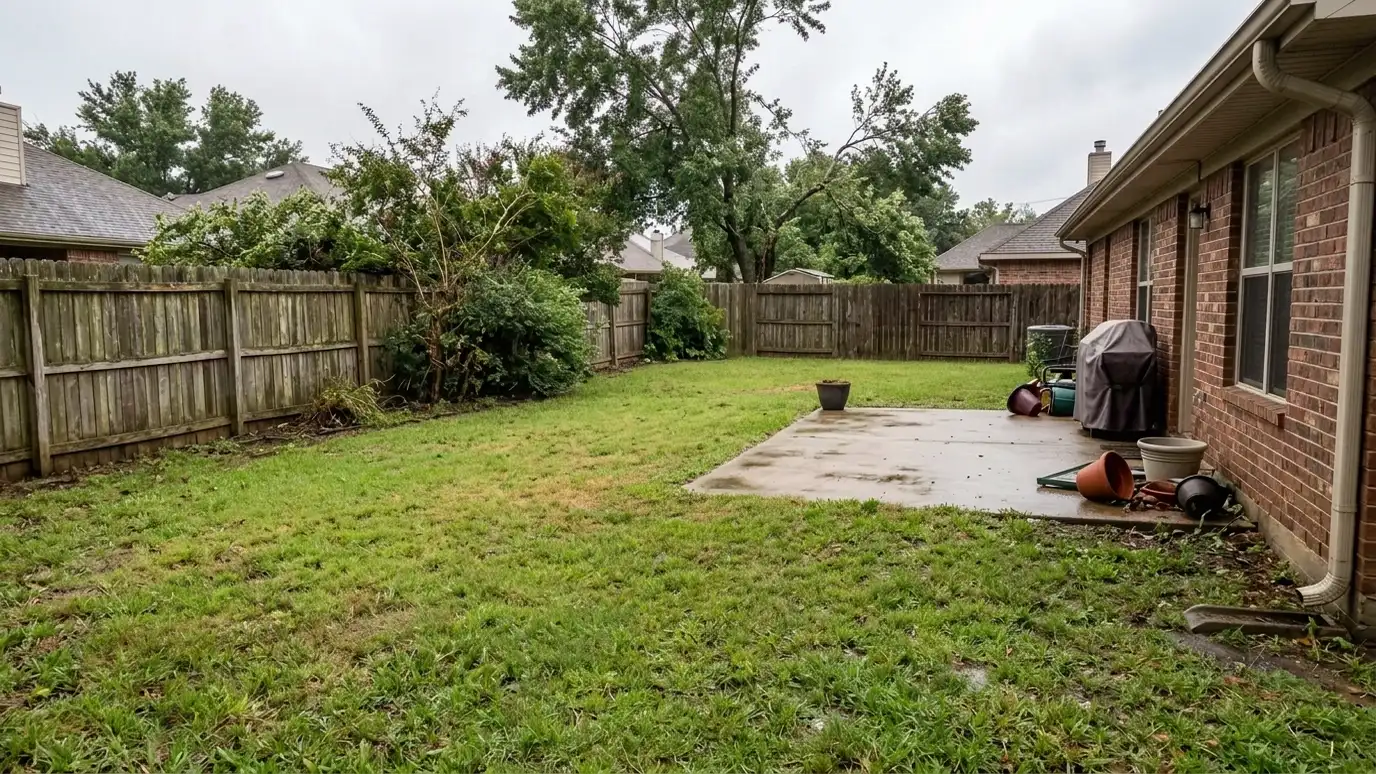
 BeforeAfter
Large containers handle the volume.
Shorter pieces pack tighter.
Untreated wood may be easier to recycle.
Tell us what you have.
Easier for pallets and panels.
Fifteen or twenty for most projects.
Every topic has its own page with what to expect and how we approach it.
 Comparison guideConstruction RecyclingWhat diversion means, which construction materials are commonly separated and how to run a simple recycling plan on…Learn more
 Comparison guideHow to Load a DumpsterA simple method for loading heavy items first, spreading the weight, staying below the fill line and keeping…Learn more
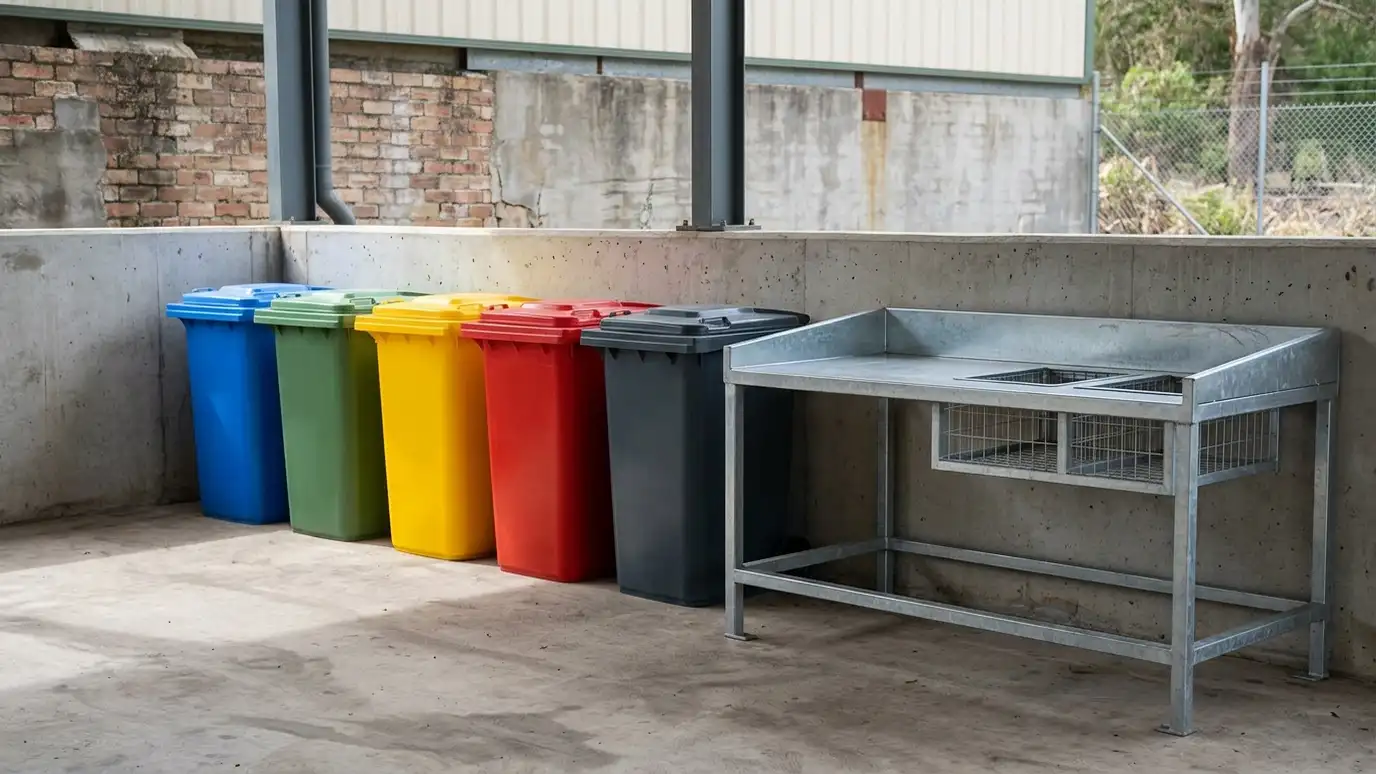 ResourceEarth911A recycling information site with a search tool for finding where to recycle many kinds of household and…Learn more
Pick a concern, such as an overfull container, a heavy load, a blocked pickup or a prohibited item, to get likely causes, what to do first and the service page that fits.
You tell us what you are removing, where the container will sit and when you need it, and we recommend a size and set the details.
We check the spot, the slope, the wires and the truck path from photos or a visit and talk through weight and materials.
You get a plain written quote with the size, the rental days, the weight allowance and the terms before anything is scheduled.
The truck sets the container where we agreed, on plywood when needed, and we confirm the placement with you.
Load heavy items first, spread the weight, keep prohibited items out and stay below the fill line. Call if you need a swap or more days.
Call when you are done and we schedule the pickup, haul the container and leave the site ready for the next step.
A fifteen or twenty-yard container handles most fence, deck and pallet projects.
Yes. Shorter pieces pack better and are easier to handle.
Often yes, but tell us. It can change how the load is processed.
Usually yes, but ask about any special handling.
Sometimes. Ask whether a clean wood option fits your project.
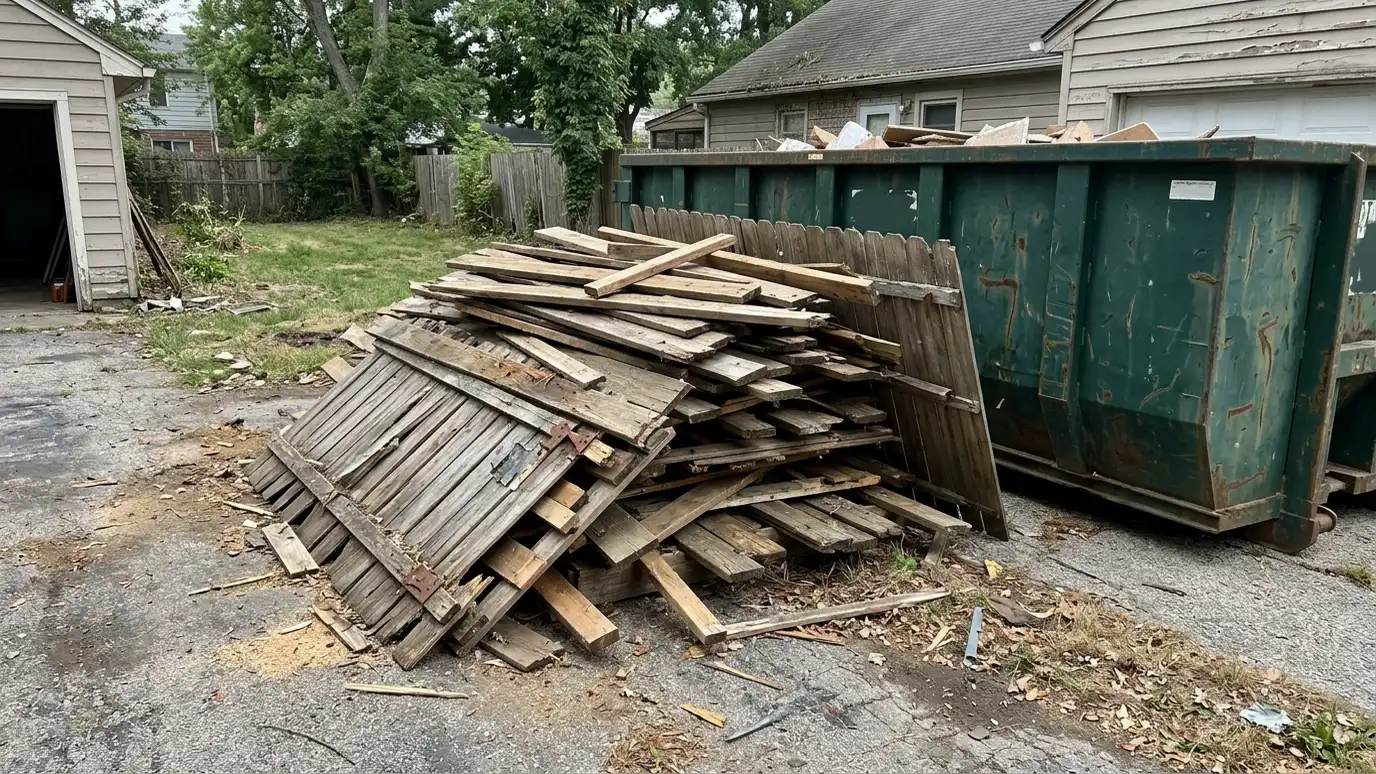 Deck and Fence DumpstersDeck, fence and shed removal dumpsters for old boards, posts, panels and outbuildings, with tips for nails, treated…Explore
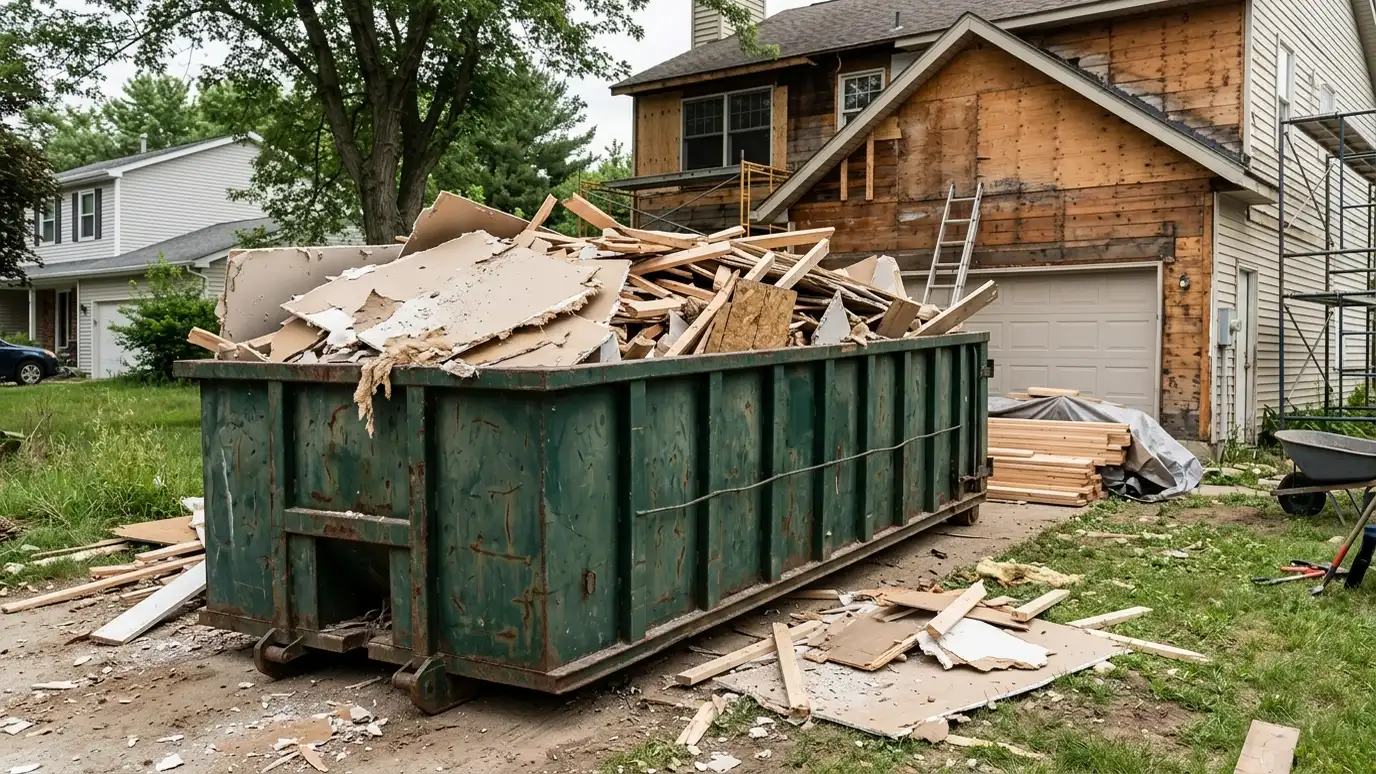 Drywall and Framing DumpstersDrywall and framing debris dumpsters for new builds, additions and remodels, with sizes and loading tips for bulky…Explore
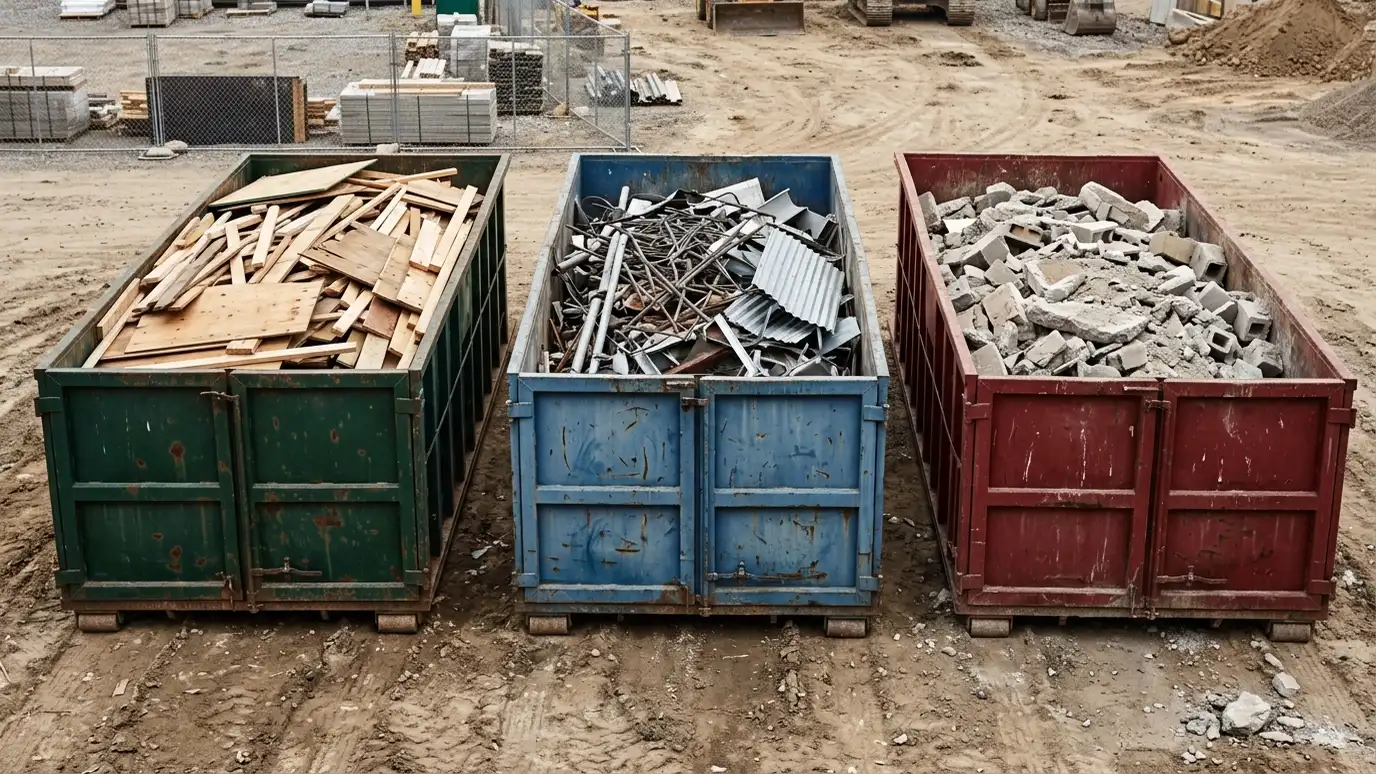
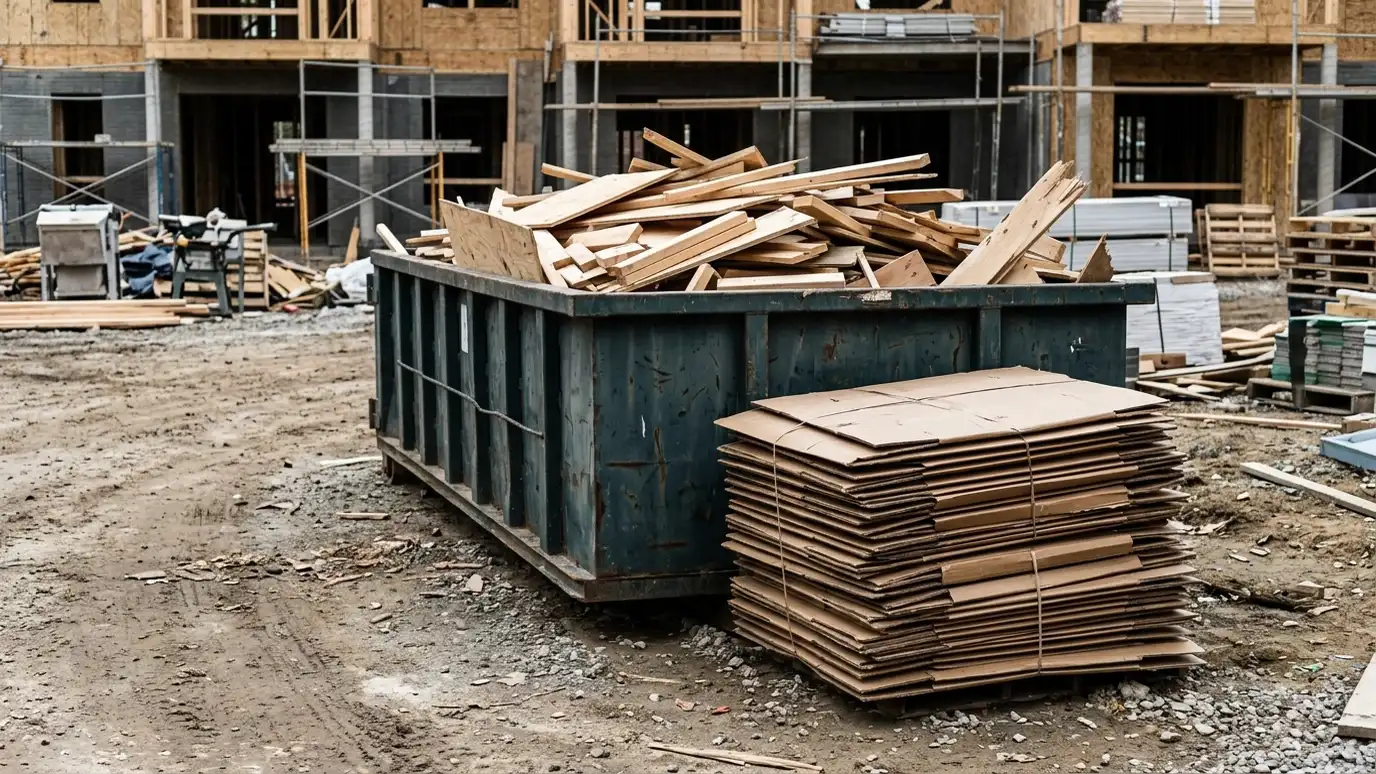 Construction Recycling DumpstersConstruction waste recycling dumpsters for clean wood, metal, cardboard and concrete, with separate containers and tips for keeping…Explore
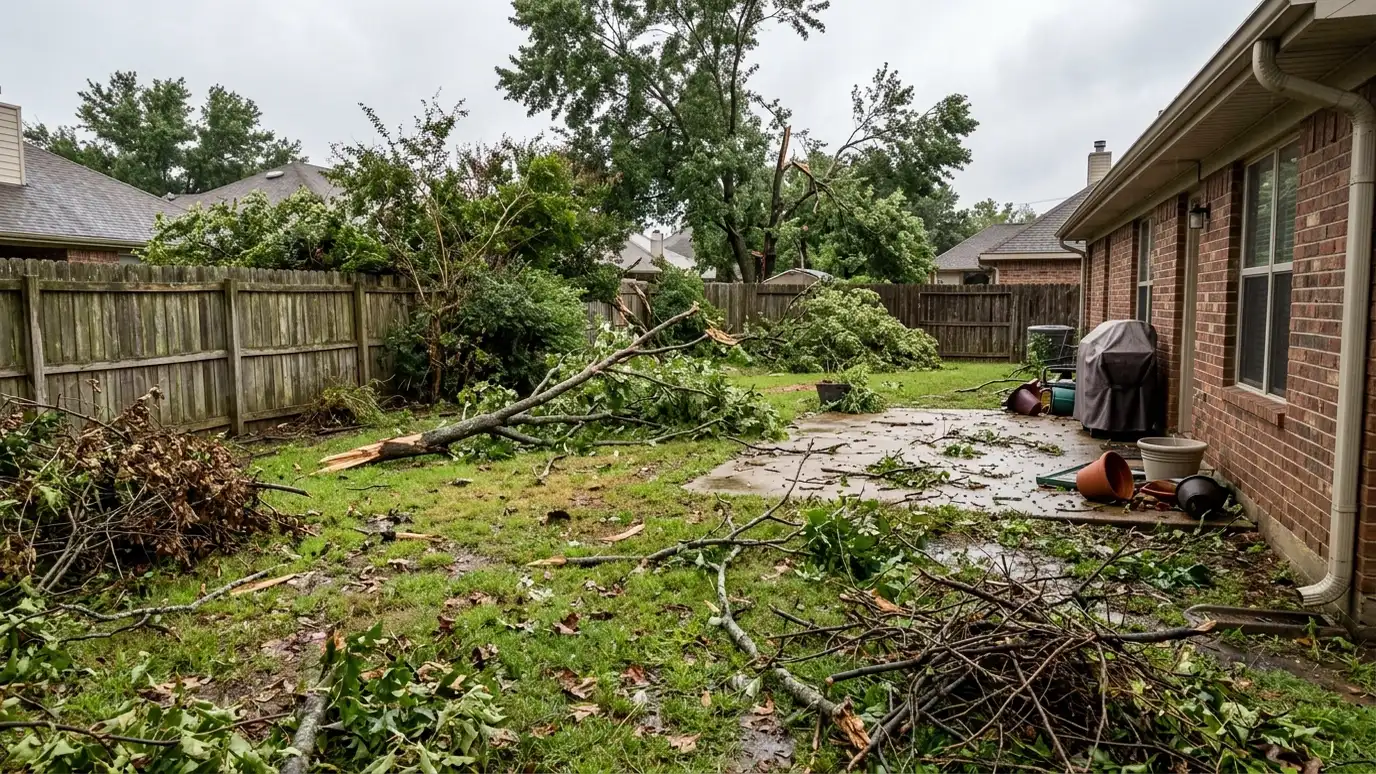
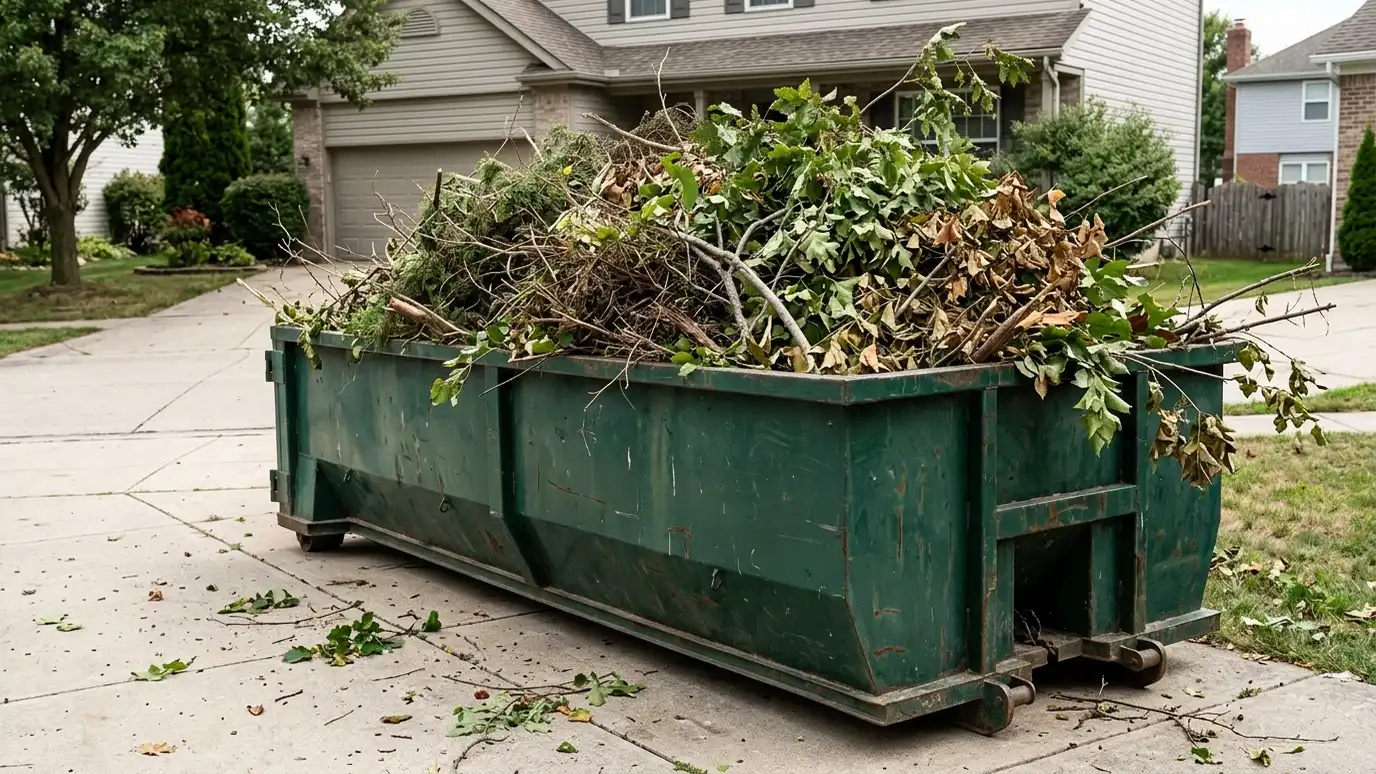 Yard Waste DisposalYard waste and brush disposal for branches, leaves, shrubs, sod and clippings, with a container sized for bulk…Explore
Tell us about your project and we will call you back to set up delivery.
Or call (615) 357-7797 to talk now.