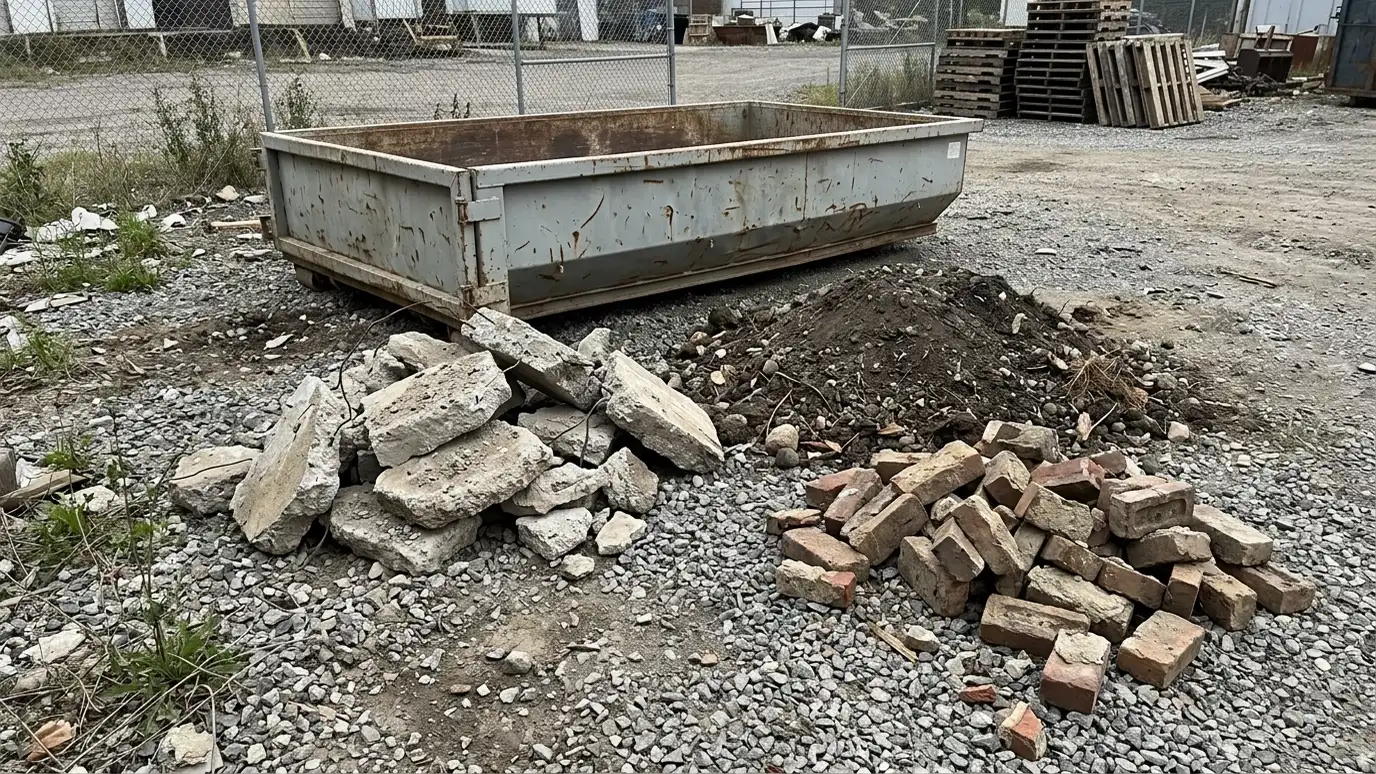
Why dense materials need low-side containers, how fill lines work and how to plan loads of concrete, brick, soil and rock.
Concrete, brick, block, asphalt, soil and rock are dense, so a small amount weighs a lot. That is why they go in low-side containers with a fill line. A ten-yard with short walls can be loaded safely with these materials, while a taller container would be easy to overload. Keeping heavy material in its own box also protects the truck, the driveway and the schedule.
Clean loads of a single material are often processed differently from mixed debris, so keep concrete, dirt and brick separate from trash when you can. Break slabs into manageable pieces, spread weight across the floor and never stack above the line. People in Nashville with big hardscape or excavation projects often plan several smaller containers and schedule swaps, which is usually safer than one large box.
Short walls and a clear fill line.
Dense loads fill by weight, not space.
Single-material loads are easier to process.
Even weight across the floor.
Several small loads beat one big one.
A firm pad protects the driveway.
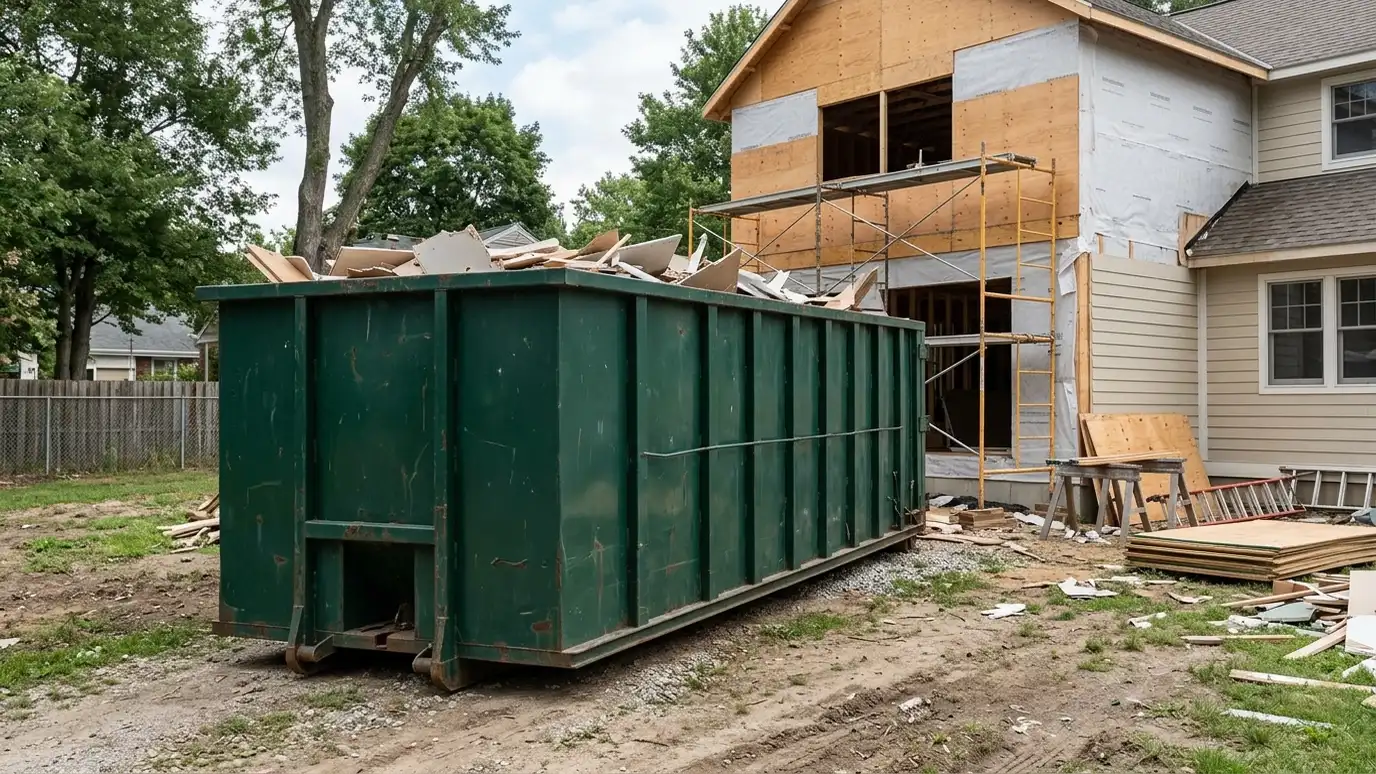 Thirty-Yard DumpsterThirty-yard roll-off dumpster rental for whole-house cleanouts, new construction, additions and large demolition with six-foot walls and lots…Explore
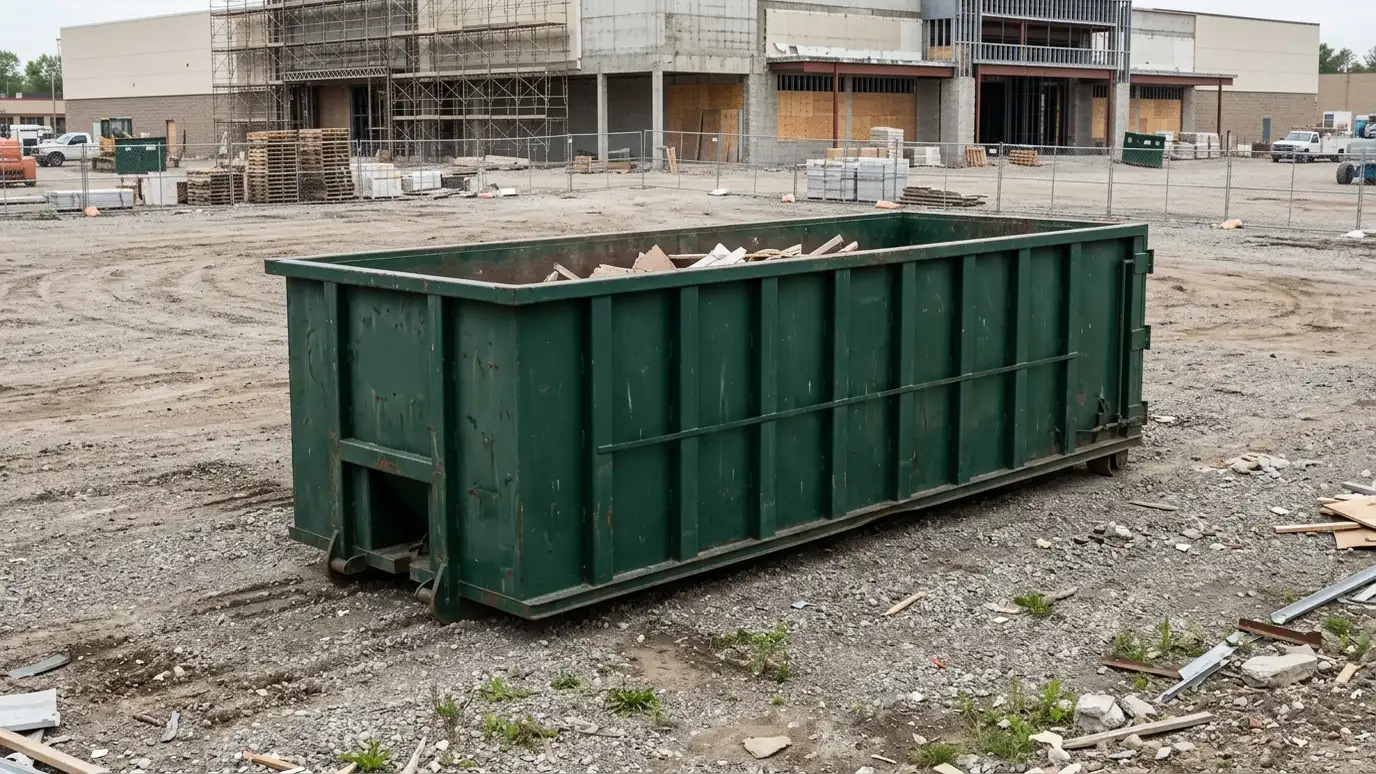 Forty-Yard DumpsterForty-yard roll-off dumpster rental for commercial remodels, large demolition, warehouse cleanouts and big construction sites that need the…Explore
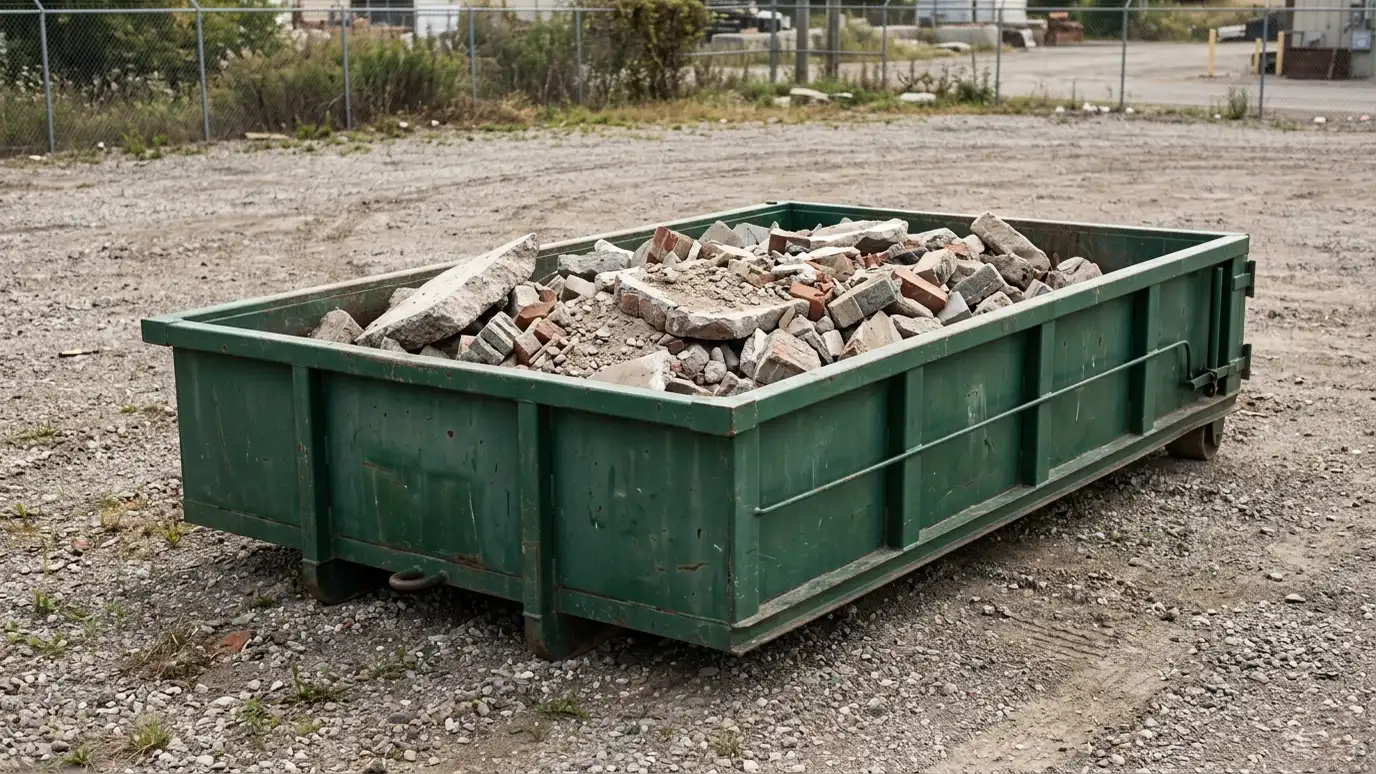 Heavy Material DumpstersLow-side heavy material dumpsters for concrete, brick, block, asphalt, dirt and rock, sized and filled so the load…Explore
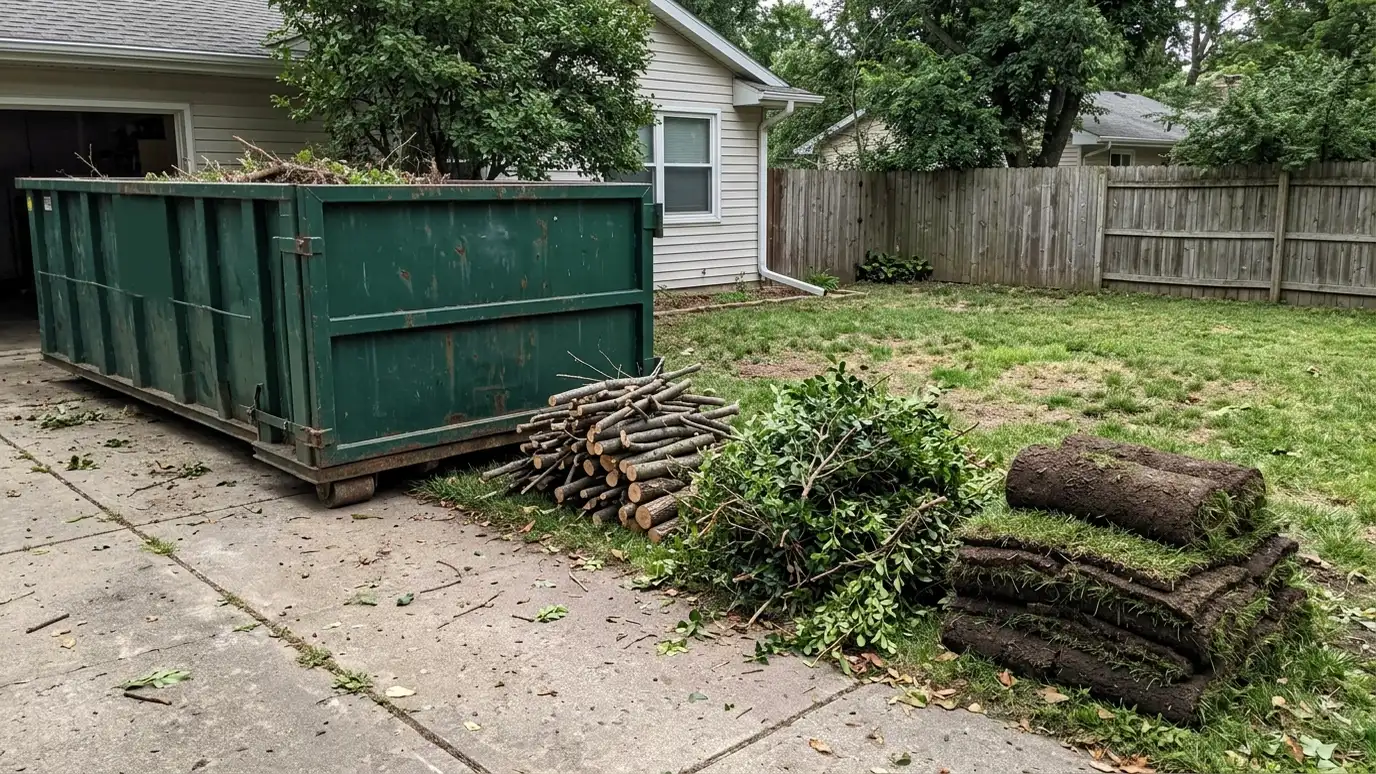 Yard Waste DumpstersYard waste and landscaping dumpsters for brush, shrubs, sod, mulch and trimmings, with tips on clean loads and…Explore
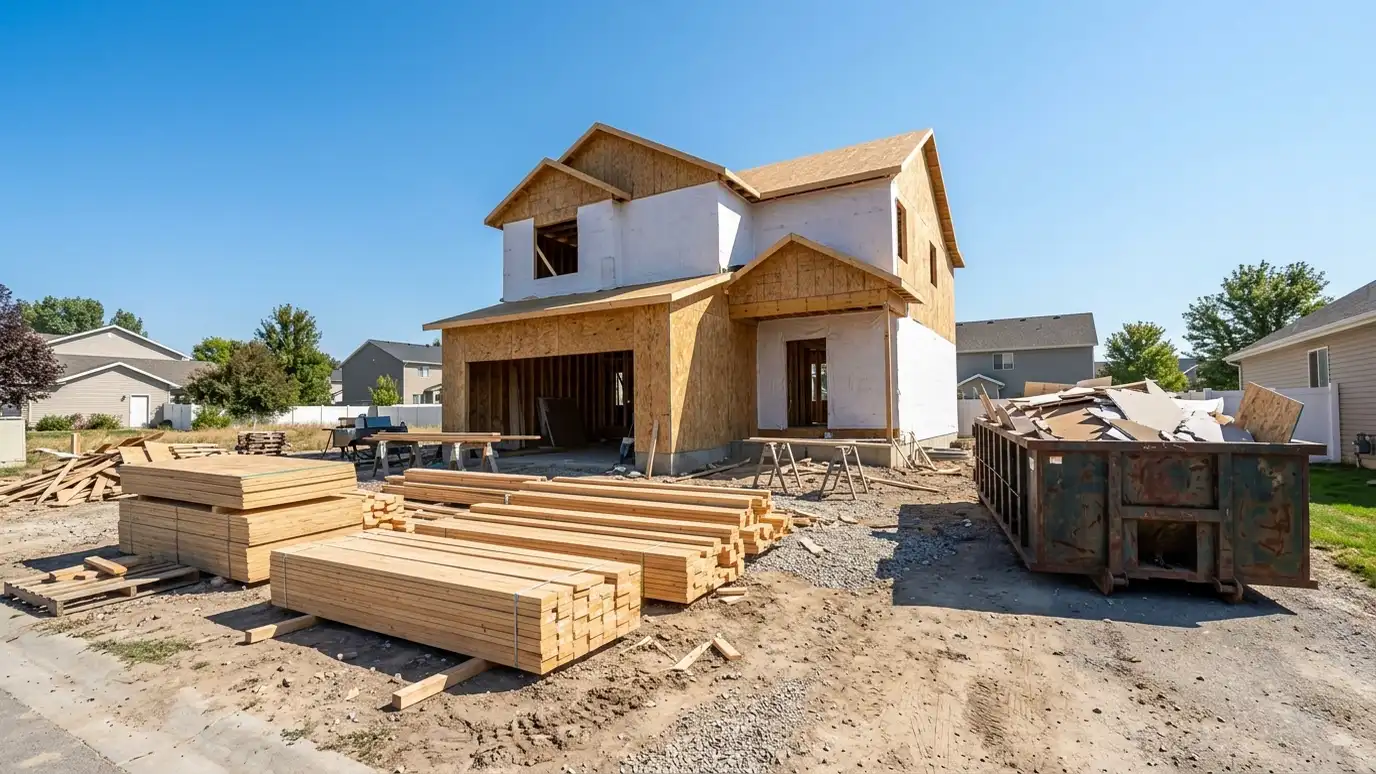 Construction Site DumpstersConstruction site dumpster rental that keeps a jobsite clean, safe and on schedule, with sizes, swaps and placement…Explore
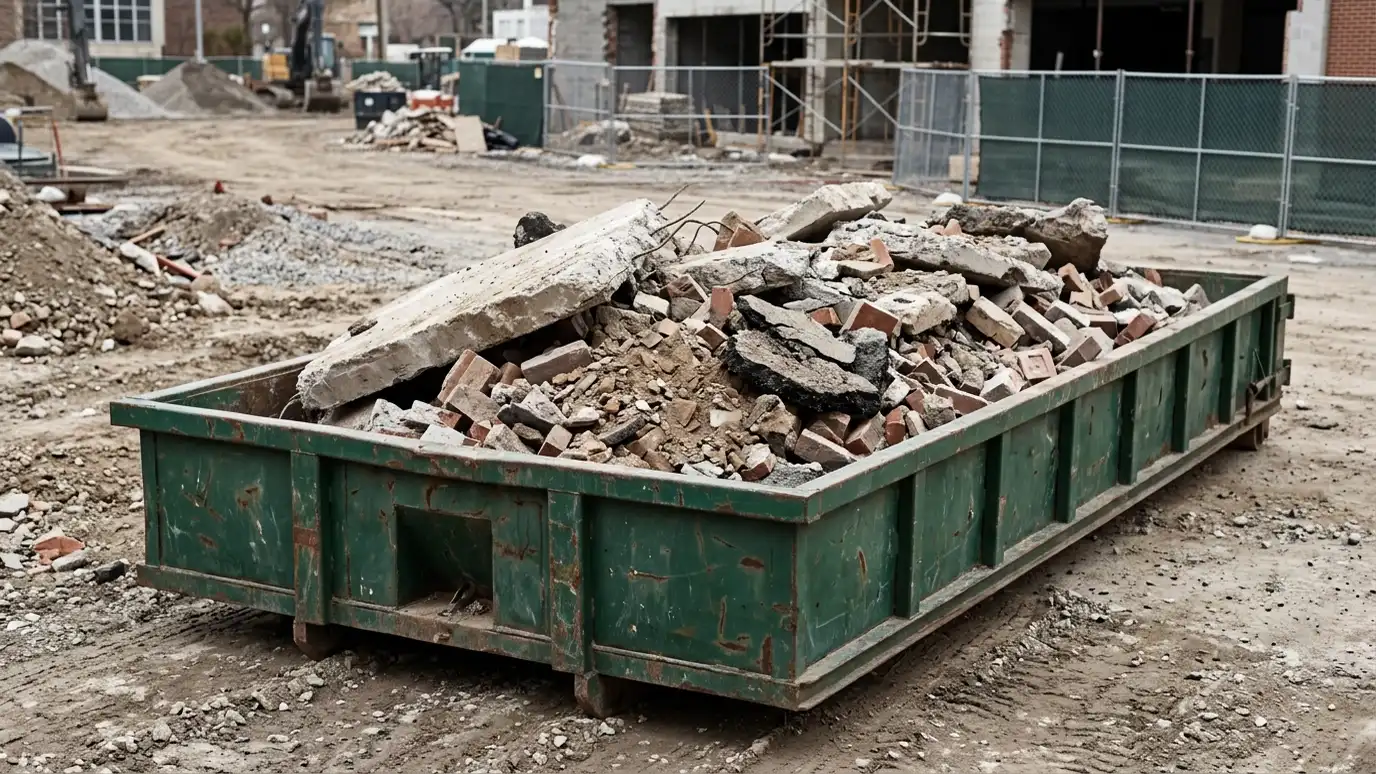 Concrete and Brick DumpstersConcrete, asphalt and brick dumpsters in low-side containers sized to keep dense loads within safe weight limits.Explore
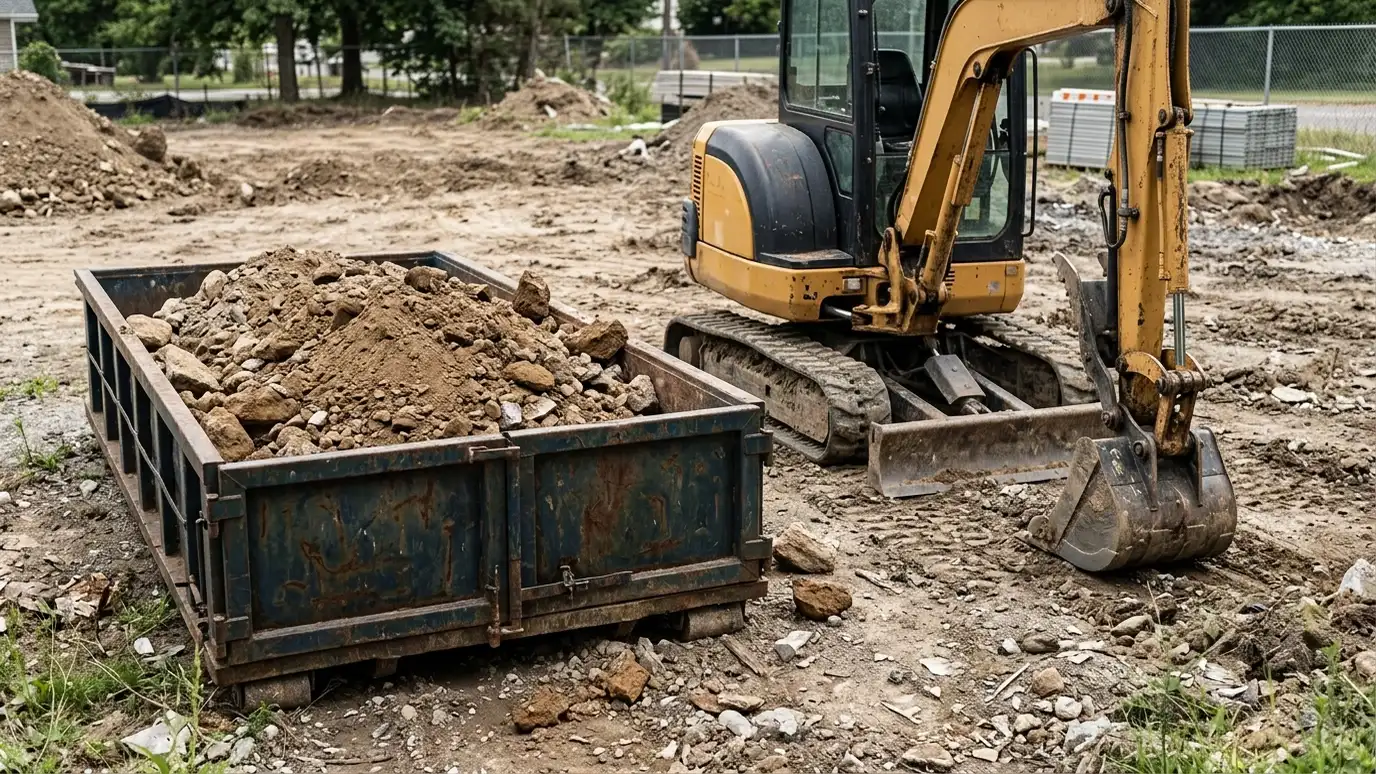 Excavation DumpstersExcavation and clean fill dumpsters for soil, rock and gravel from foundation, trench and landscaping work, with low-side…Explore
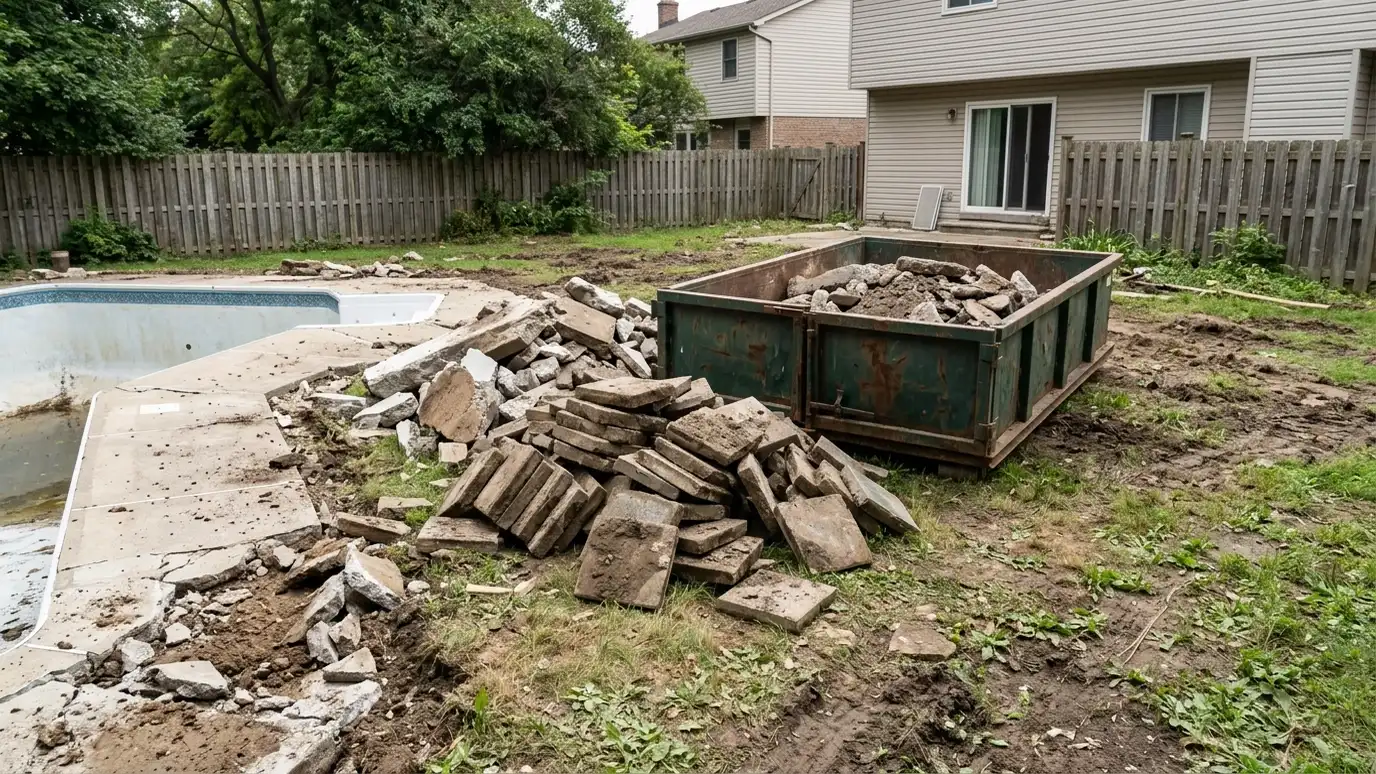 Hardscape Removal DumpstersPool removal and hardscape dumpsters for broken decking, pavers, retaining walls and old pool demolition, with low-side containers…Explore
Plan your driveway, size a job or ballpark a budget.
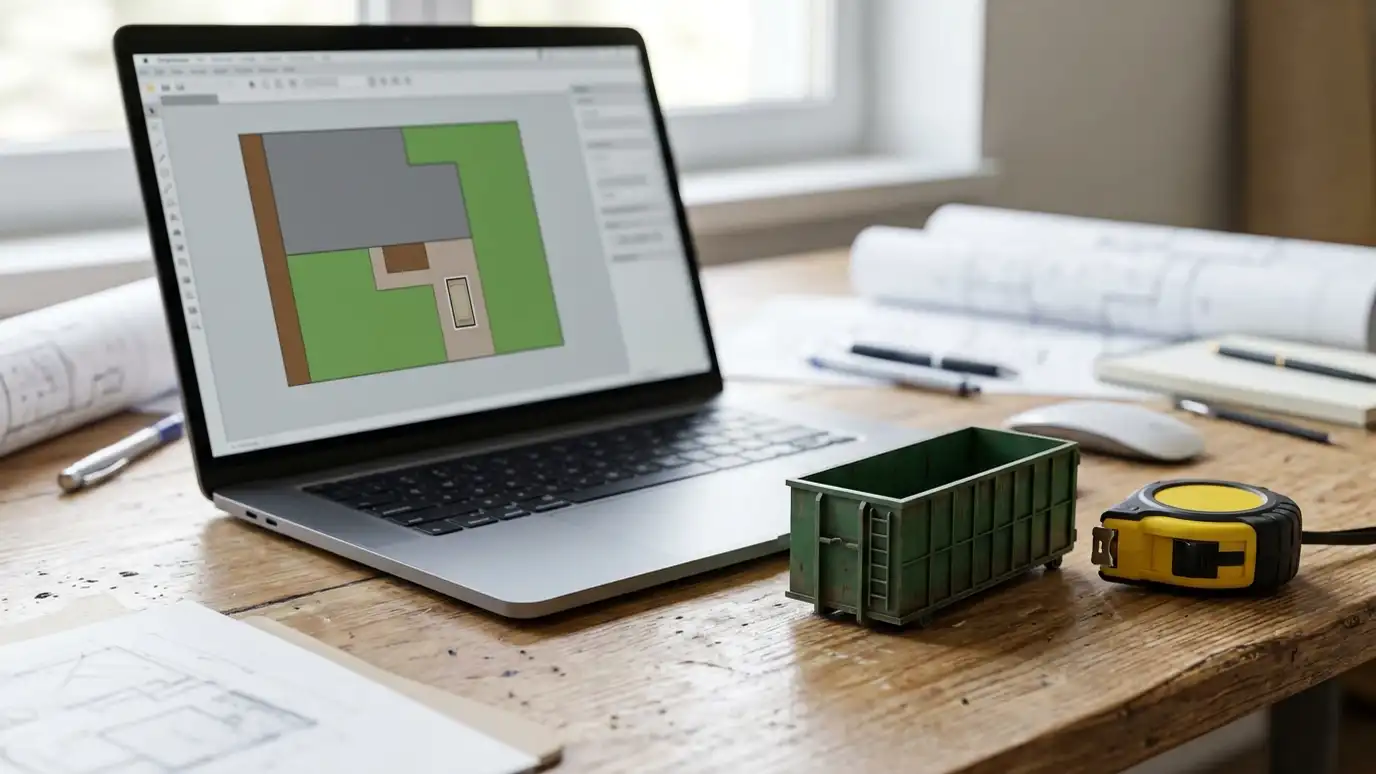 Dumpster Placement StudioDraw your driveway, pick a container size and see a top-down plan with truck clearance, plywood and overhead checks, then send the plan to us.Try it
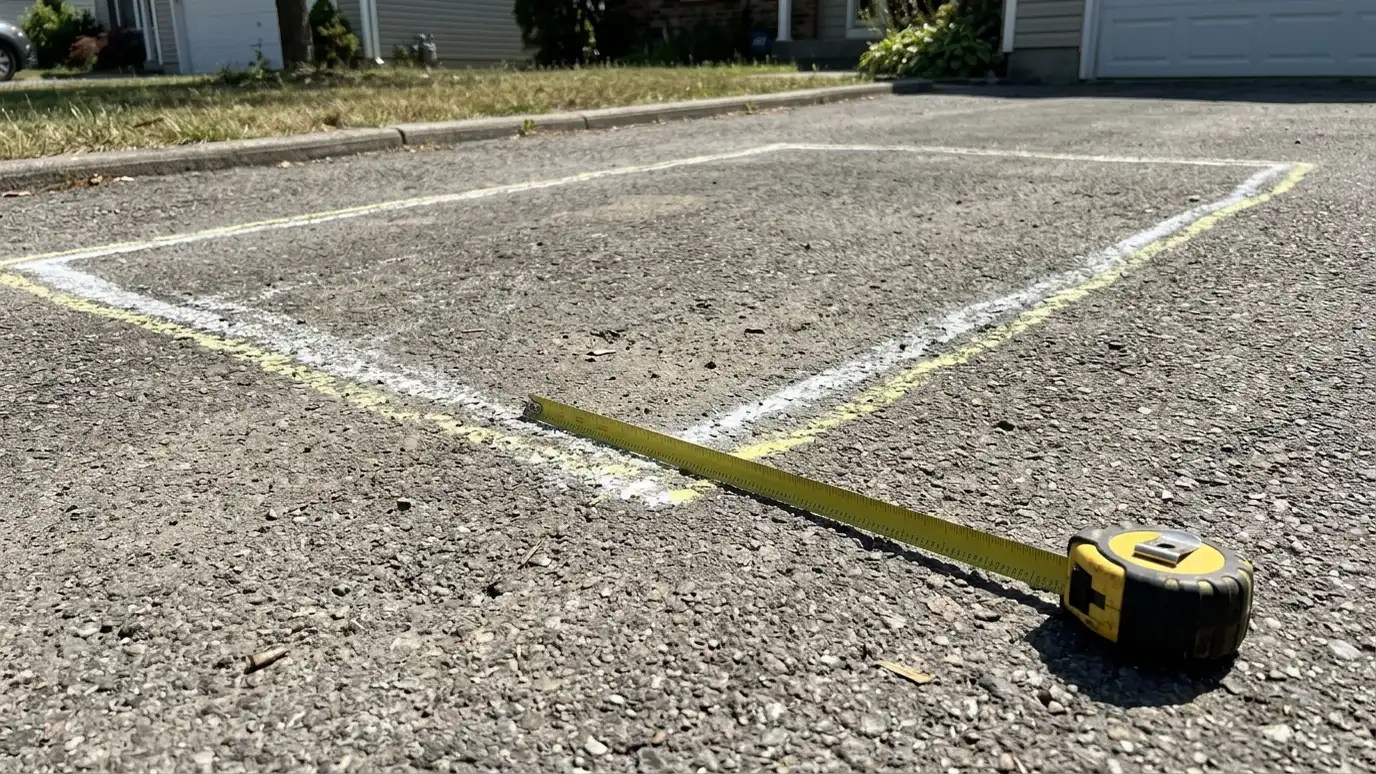 Dumpster Size CalculatorPick your project and its size to see the roll-off size that usually fits, with truck-load estimates and notes on weight and space.Try it
 Dumpster Rental Budget PlannerPick a container size, rental period and extras like swaps, permits help and heavy material to see a ballpark planning range. Placeholder values only.Try it
Short walls and a fill line keep dense loads within safe limits.
Mixed loads are harder to process. Keep clean fill separate.
That depends on the amount. Several small boxes are often better than one large one.
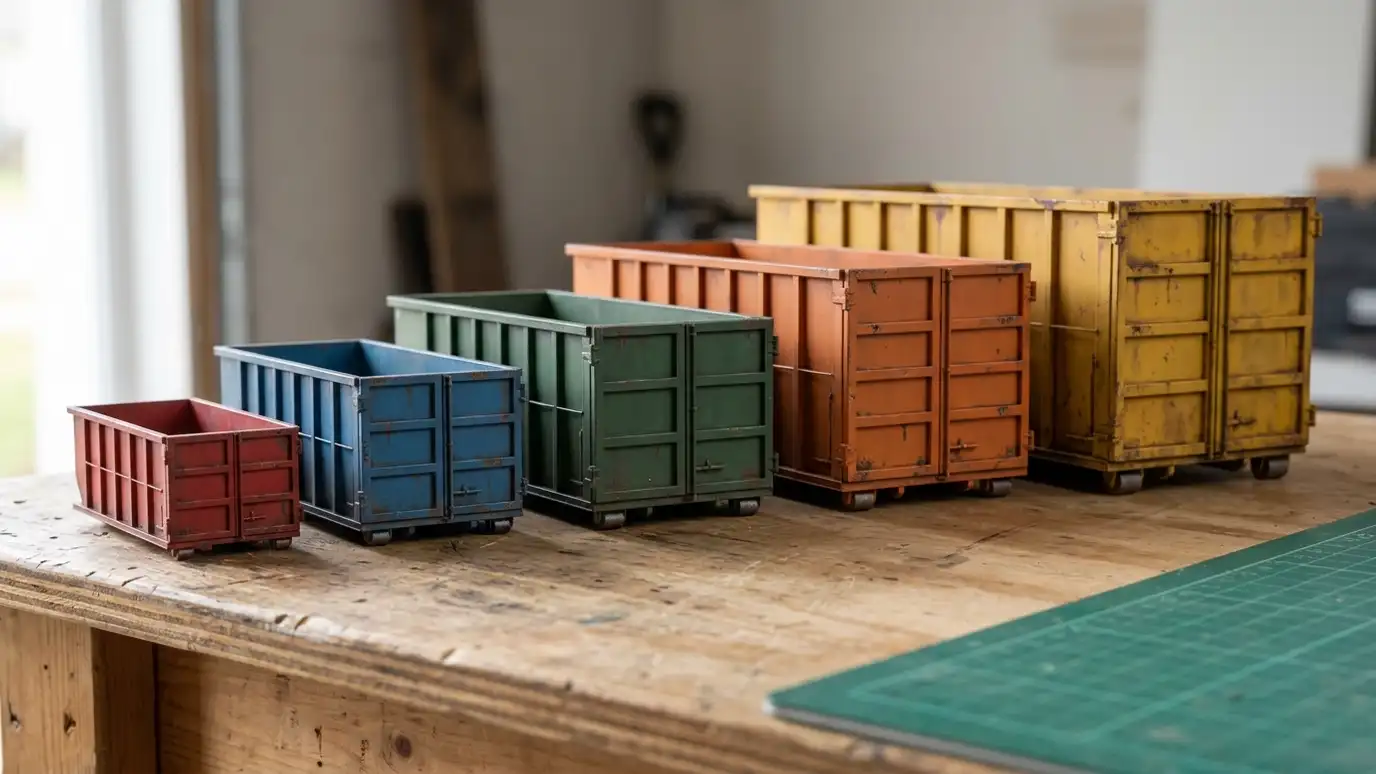 Comparison guideDumpster Sizes ComparedHow the five common roll-off sizes differ in length, wall height, capacity and the kinds of projects each…Learn more
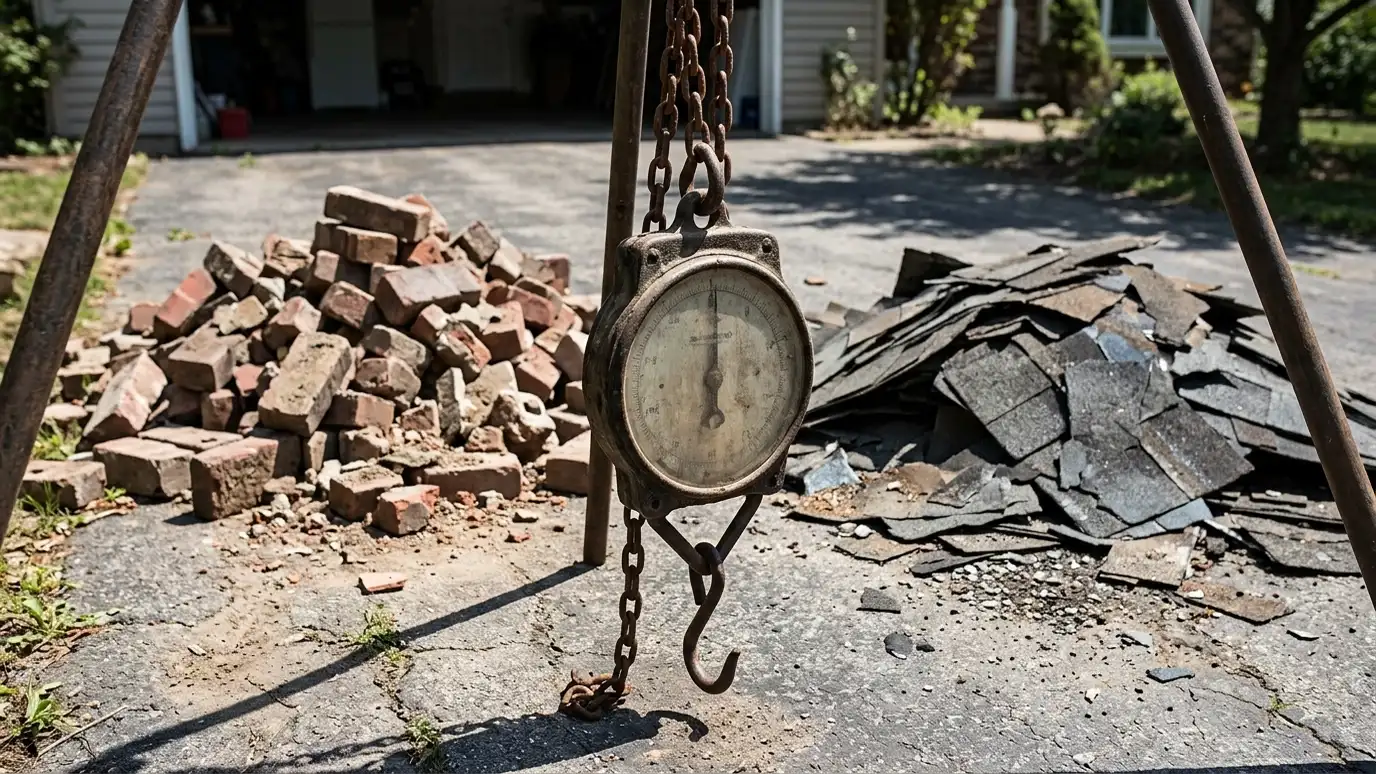 Comparison guideDumpster Weight ExplainedHow weight allowances work, which materials are heaviest and how to keep a load within its limit.Learn more
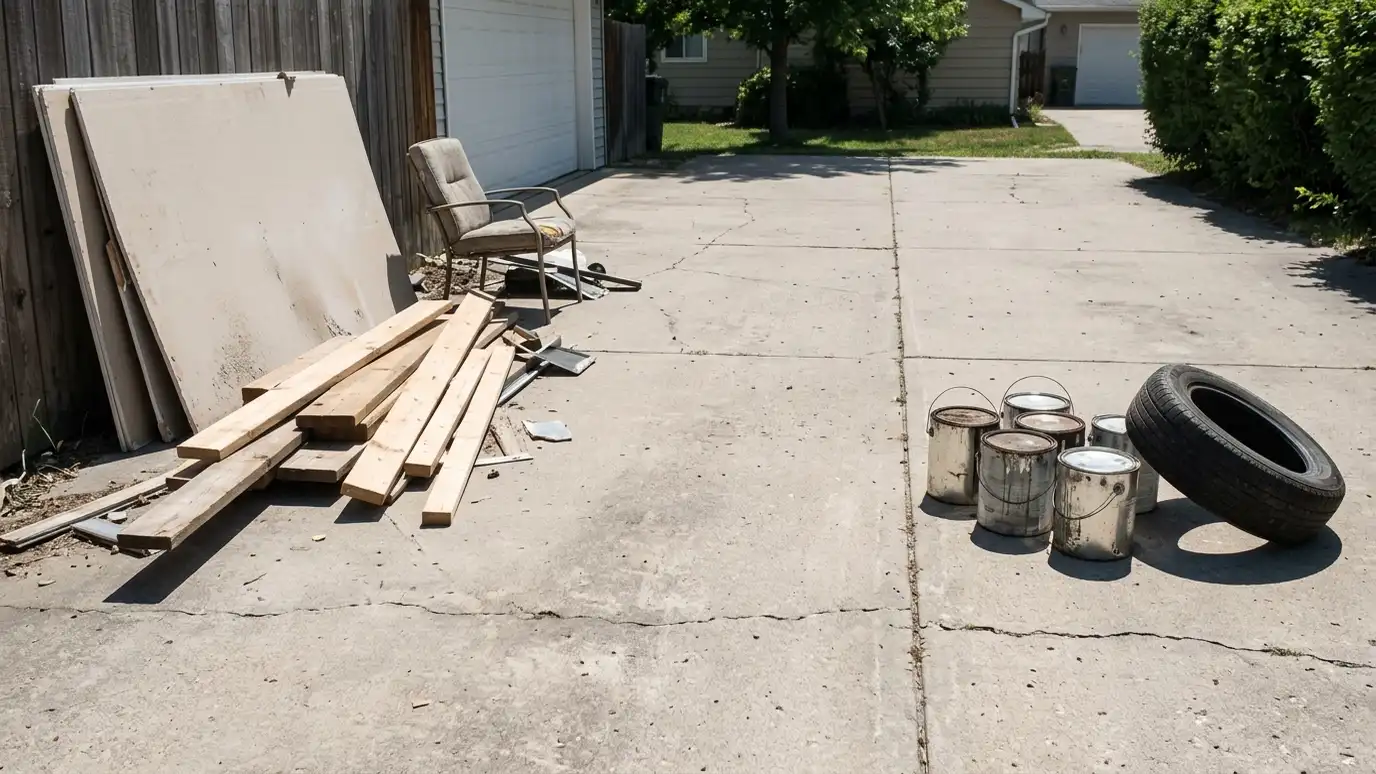 Comparison guideWhat Goes in a DumpsterA plain list of the materials that are usually accepted, the ones that need special handling and the…Learn more
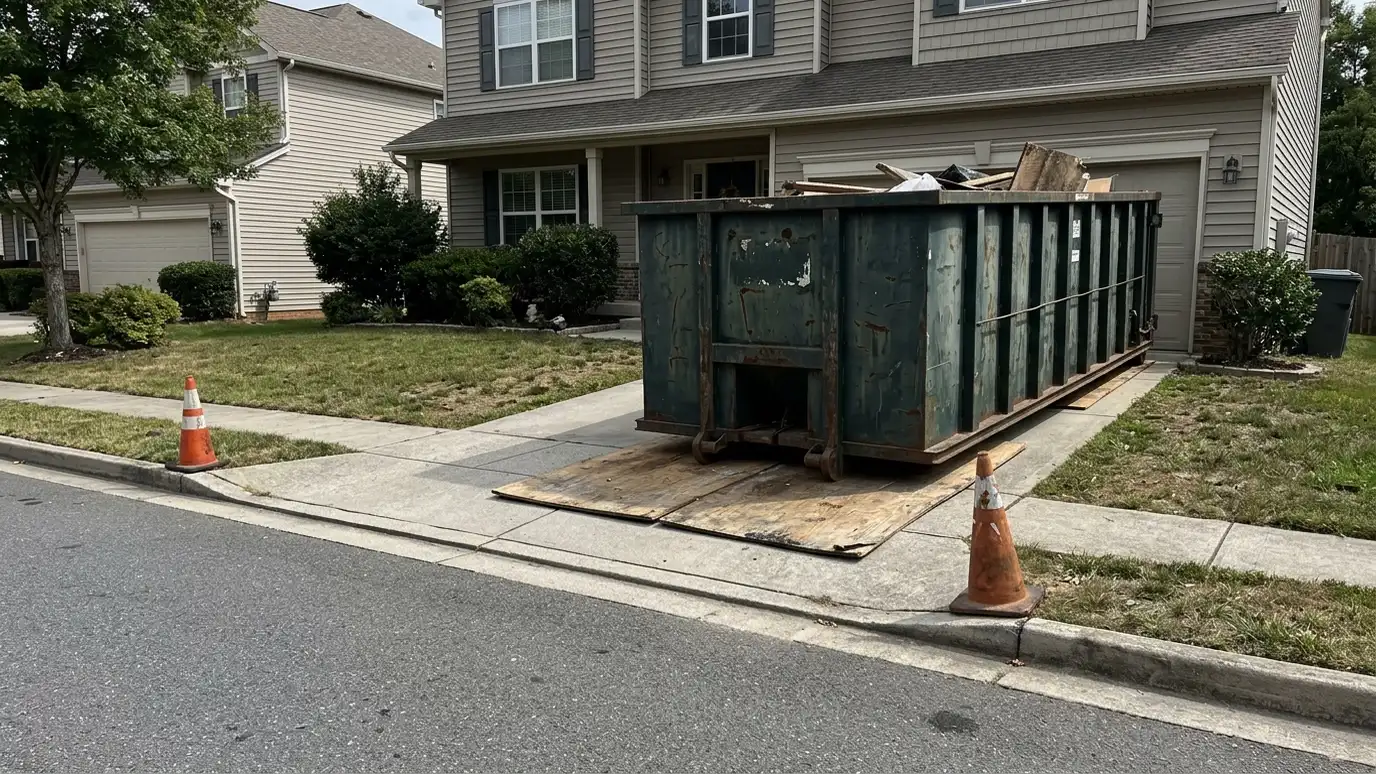 Comparison guideDumpster Placement RulesWhere a dumpster can sit, how much space it needs, what to check before delivery and when street…Learn more
Call us and describe your project. We will recommend a size, check the spot and give you a clear written quote.