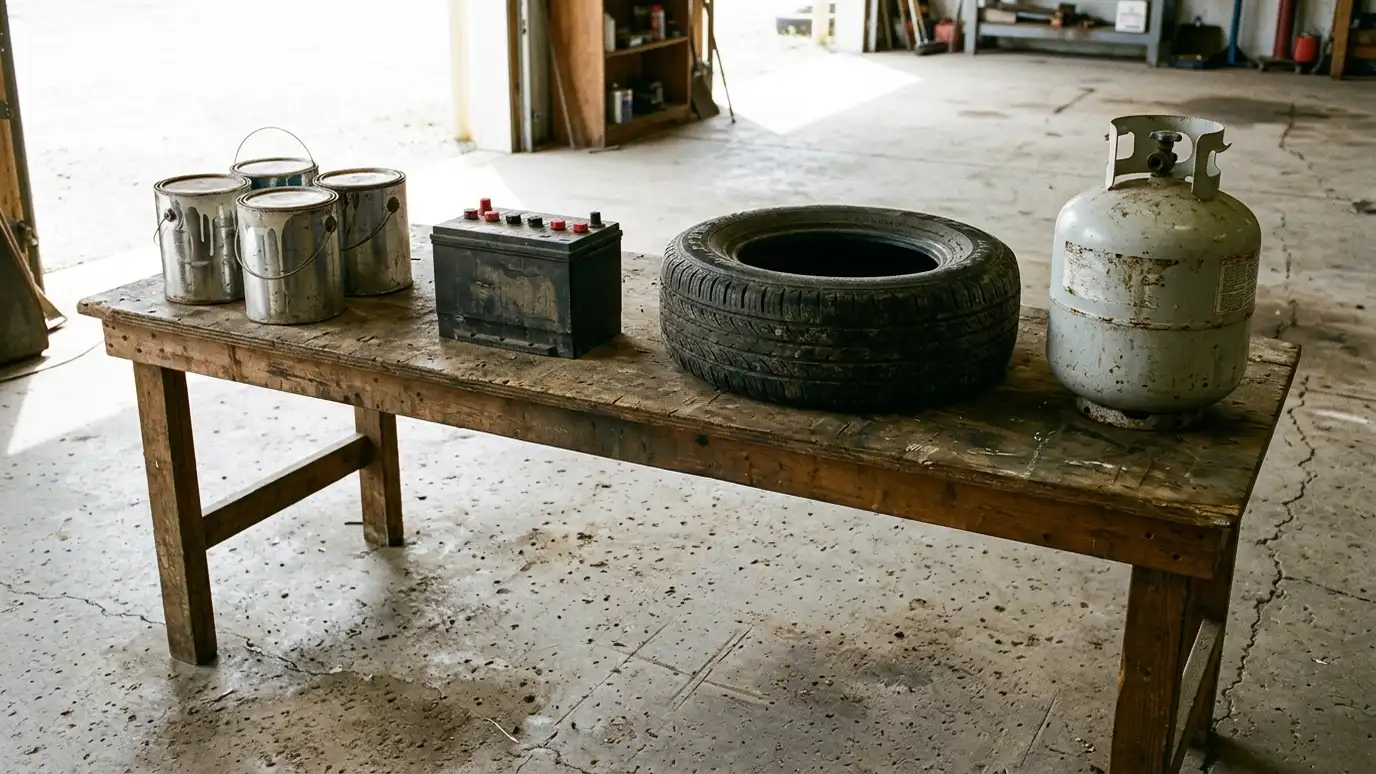
The short list
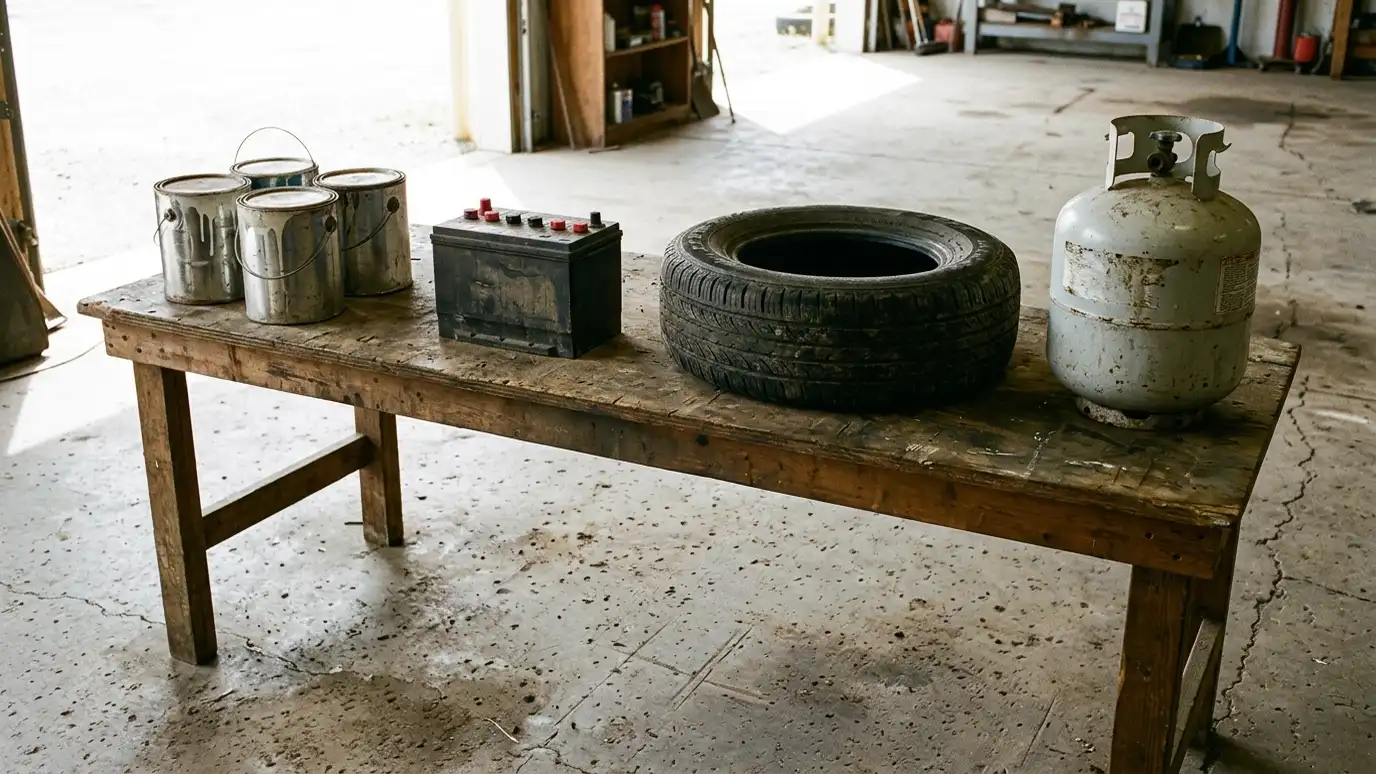
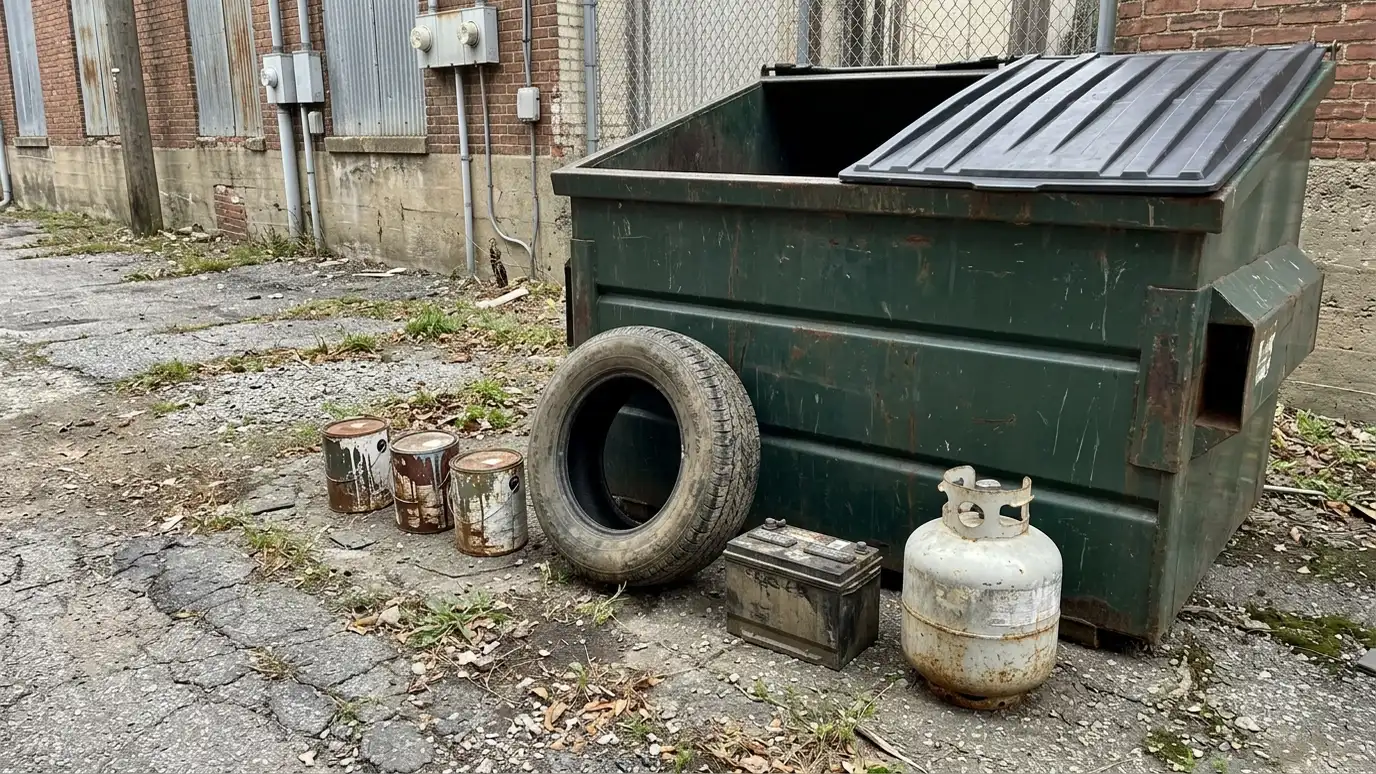
Liquids, paint, solvents, chemicals, batteries, tires, propane tanks, asbestos, medical waste and some electronics are common examples of items that are not allowed.
The list comes from disposal sites and can change.
We share the current list when you book.
Why the rules exist
These items can be dangerous to people, trucks and the environment. A leaking can in a compactor can cause real harm.
An overlooked battery or aerosol can start a fire.
Keeping them out protects everyone.
Items that need special handling
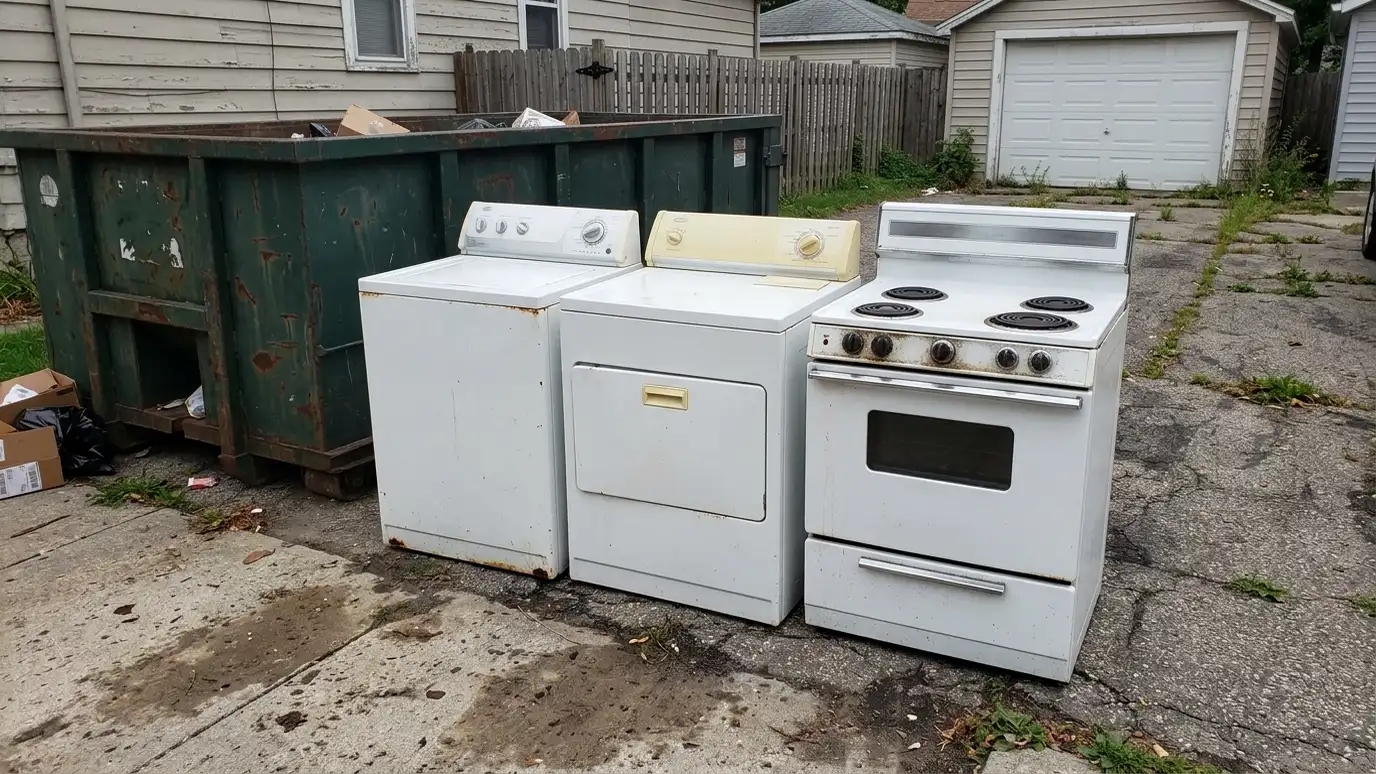
Appliances with refrigerants, mattresses and some electronics may be accepted with special handling or fees. Ask before you load.
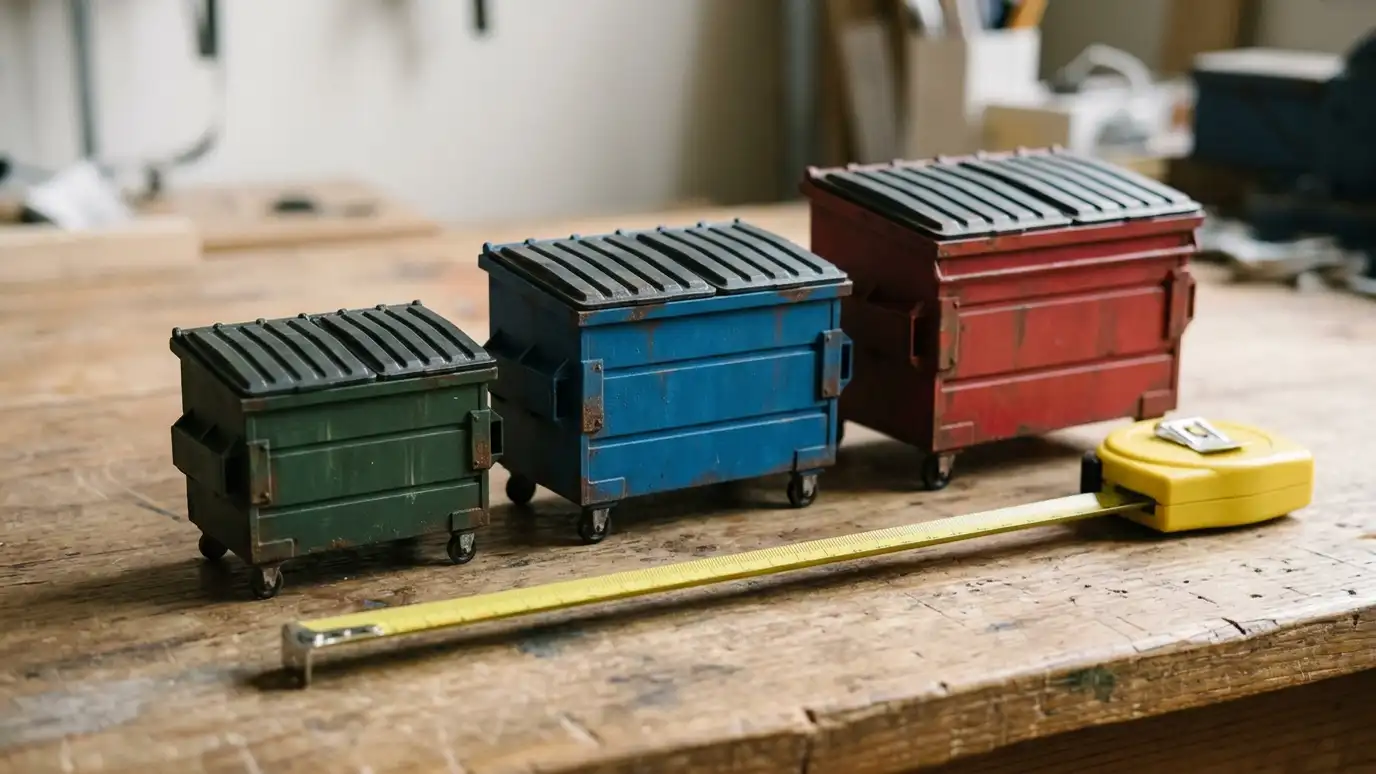
Heavy items may need a different container.
Hazardous materials from older homes need professionals.
Where to take them
Many communities offer household hazardous waste programs, retail take-back for batteries and paint and recyclers for electronics.
Search local directories and confirm what each place accepts.
We can point you to resources.
Sort before you load
Set up a small area away from the container for items that cannot go in. Deal with them in one trip after the cleanout.
Keep children and pets away from hazardous items.
Never mix chemicals.
If you are unsure
Set the item aside and call us. We would rather answer a question than deal with a problem at pickup.
Take a photo of the item if it helps.
Keep the load clean and the project on schedule.
If you are not sure it belongs in the container, set it aside and ask.