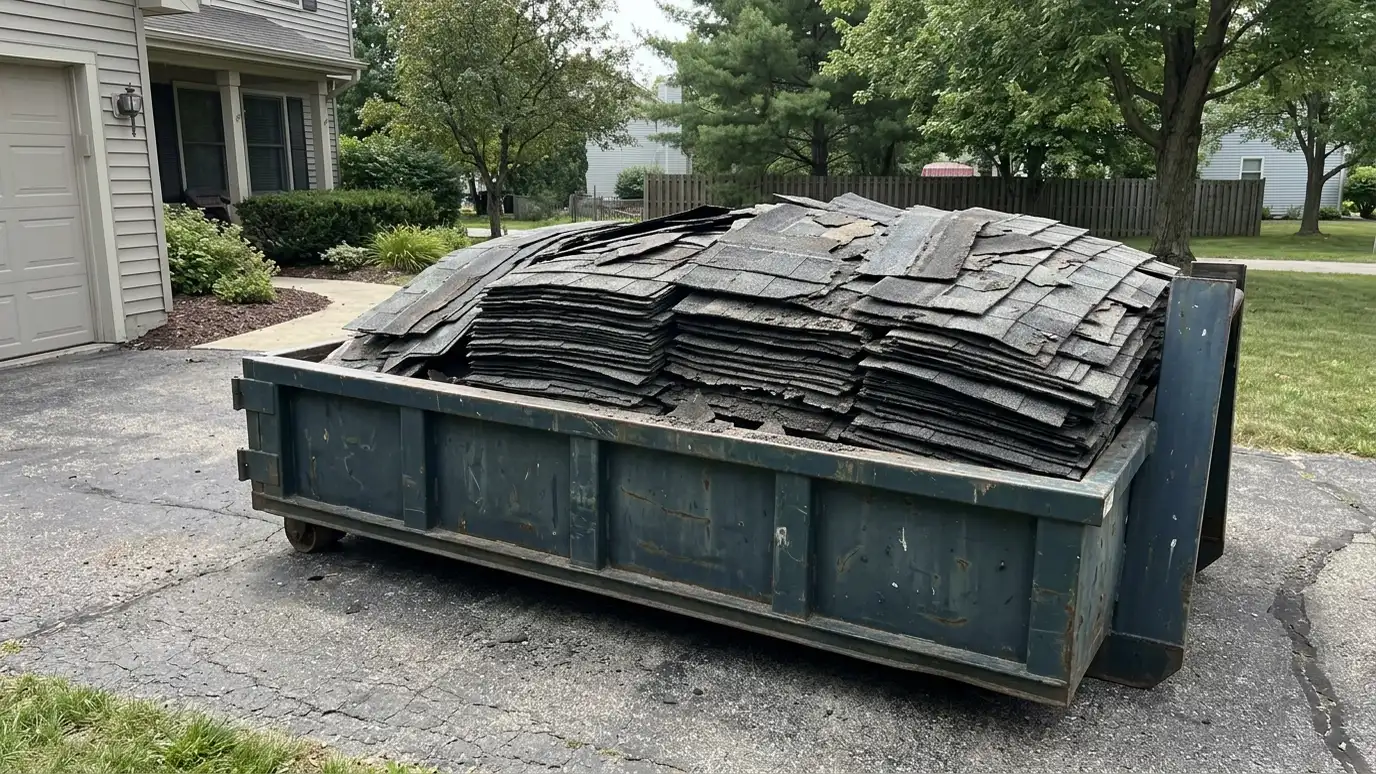
Roofing shingle disposal in the right container, with weight guidance for asphalt shingles, felt, flashing and nails from tear-offs of any size.
Old shingles are heavy, and a tear-off can fill a dumpster by weight long before it is full by volume. Disposal done right means choosing the right container, loading it evenly and keeping the load within its allowance. In Nashville, roofers and homeowners count on us to match container size to the roof, so shingles, felt and flashing leave the property in one clean haul.
We ask for the squares, the number of layers and the shingle type, then recommend a size. A single layer on an average roof often fits a twenty-yard container, while multiple layers can push the weight past the limit. We explain what happens if the load goes over and how to spread the weight. Metal flashing, roofing felt and nails are normal parts of a roofing load, and we help you place the container close to the eave. Before the work starts, ask your roofer to tell you the number of layers and squares, and share those with us. Keep a tarp ready for rain, check the container fill line often and never let loose shingles stick up above the rim, because they can slide off during hauling.
Shingles reach the limit before the box is full.
Each layer adds a lot of weight.
Even loading keeps the container safe.
A short throw keeps the crew fast.
Drag the handle to compare.
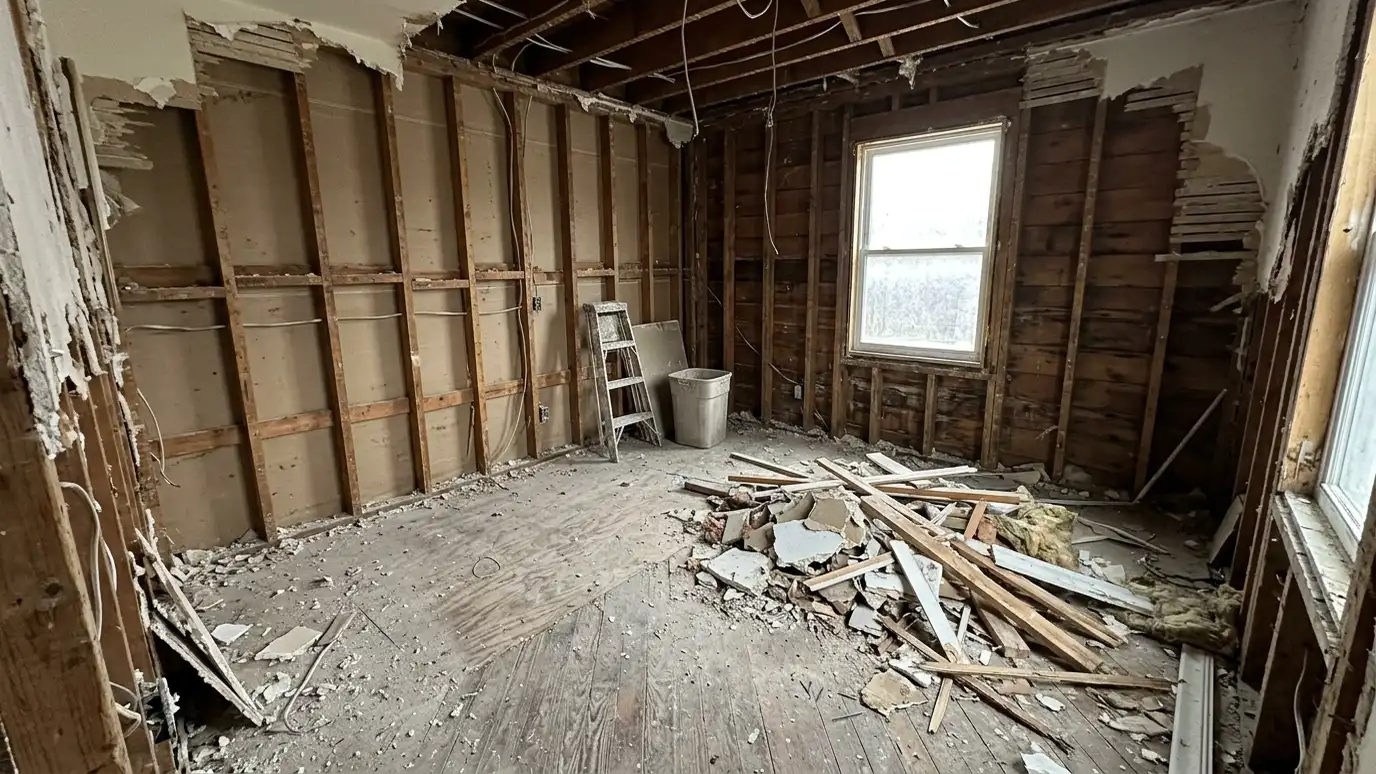 BeforeAfter
Shingles fill by weight before volume.
Details that drive the size.
Spread the weight across the floor.
Normal parts of a roofing load.
Short, safe throw distance.
Know the limit before you start.
Every topic has its own page with what to expect and how we approach it.
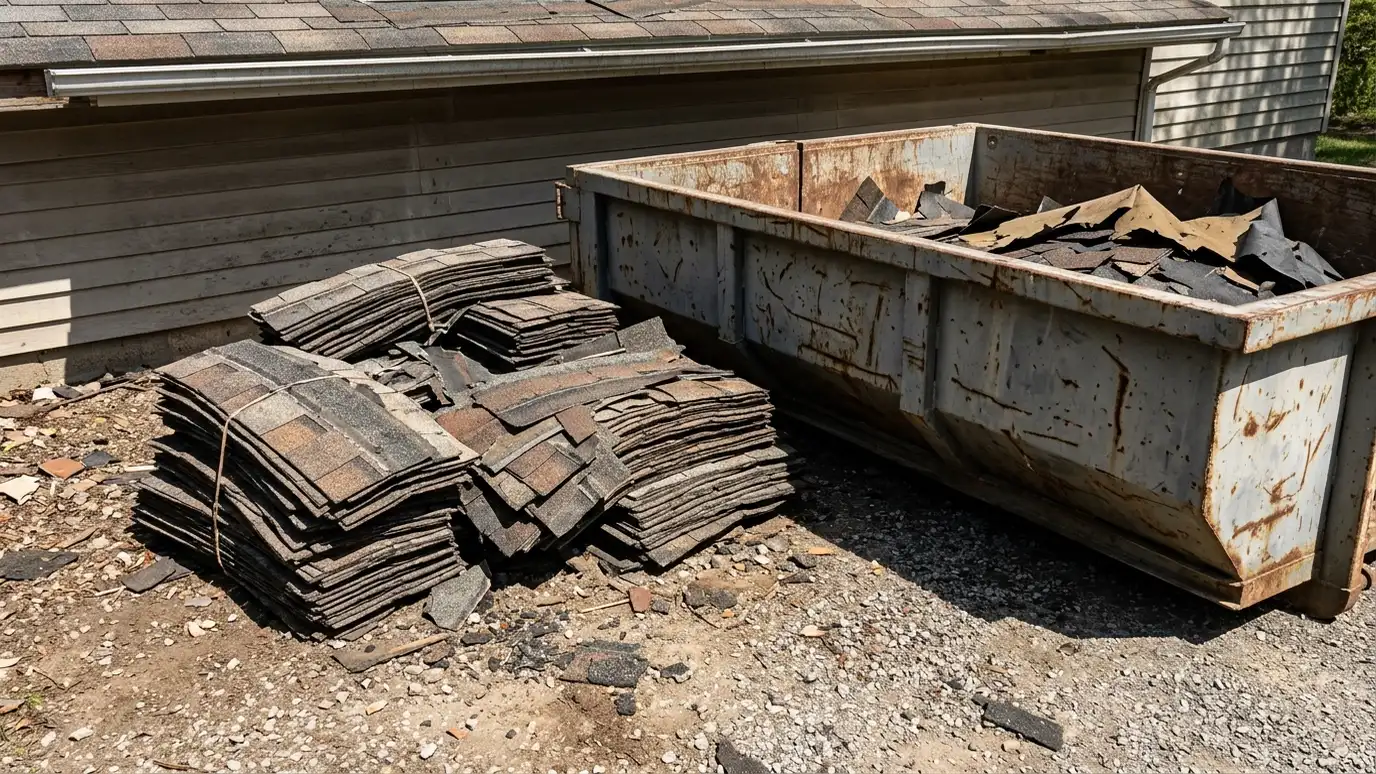 Comparison guideRoofing Debris and SizeHow roofing squares, layers and shingle types turn into weight and container size, with tips for protecting the…Learn more
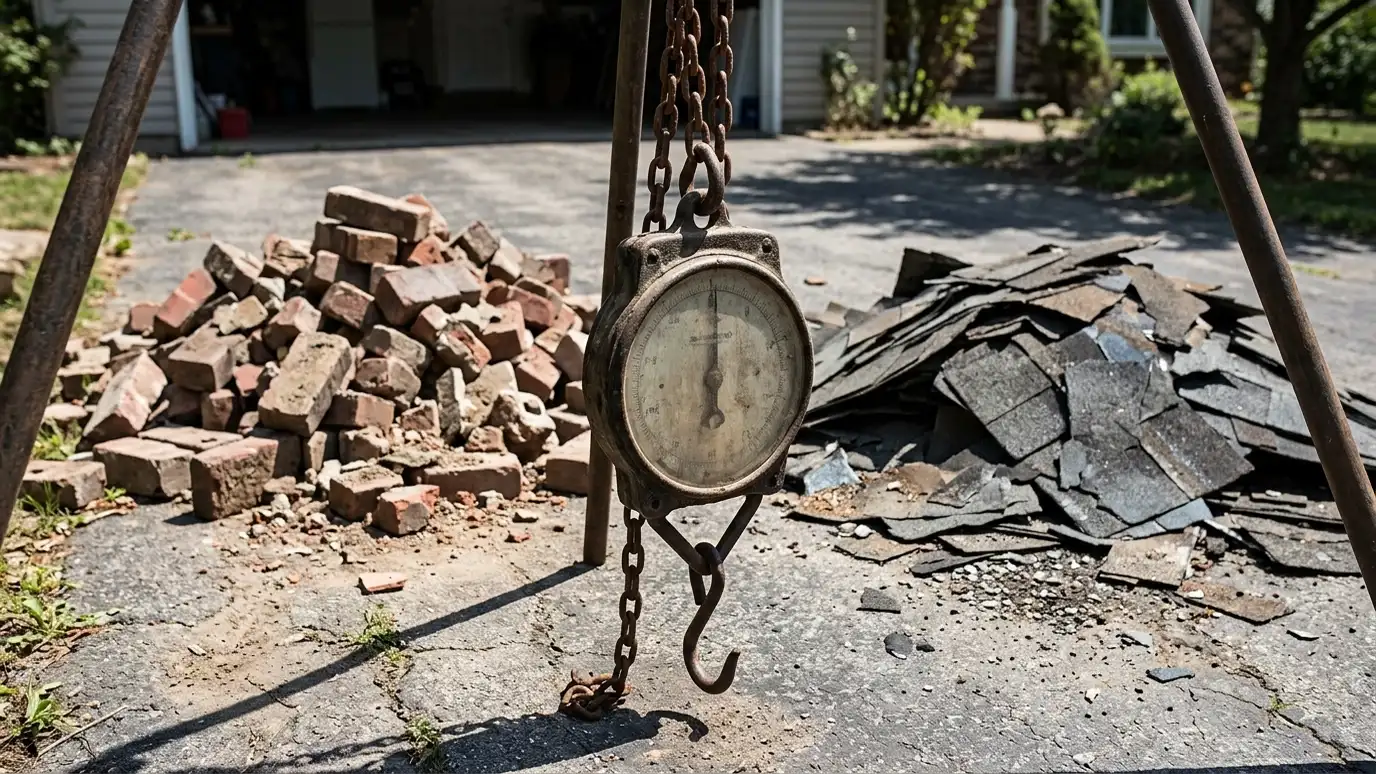 Comparison guideDumpster Weight ExplainedHow weight allowances work, which materials are heaviest and how to keep a load within its limit.Learn more
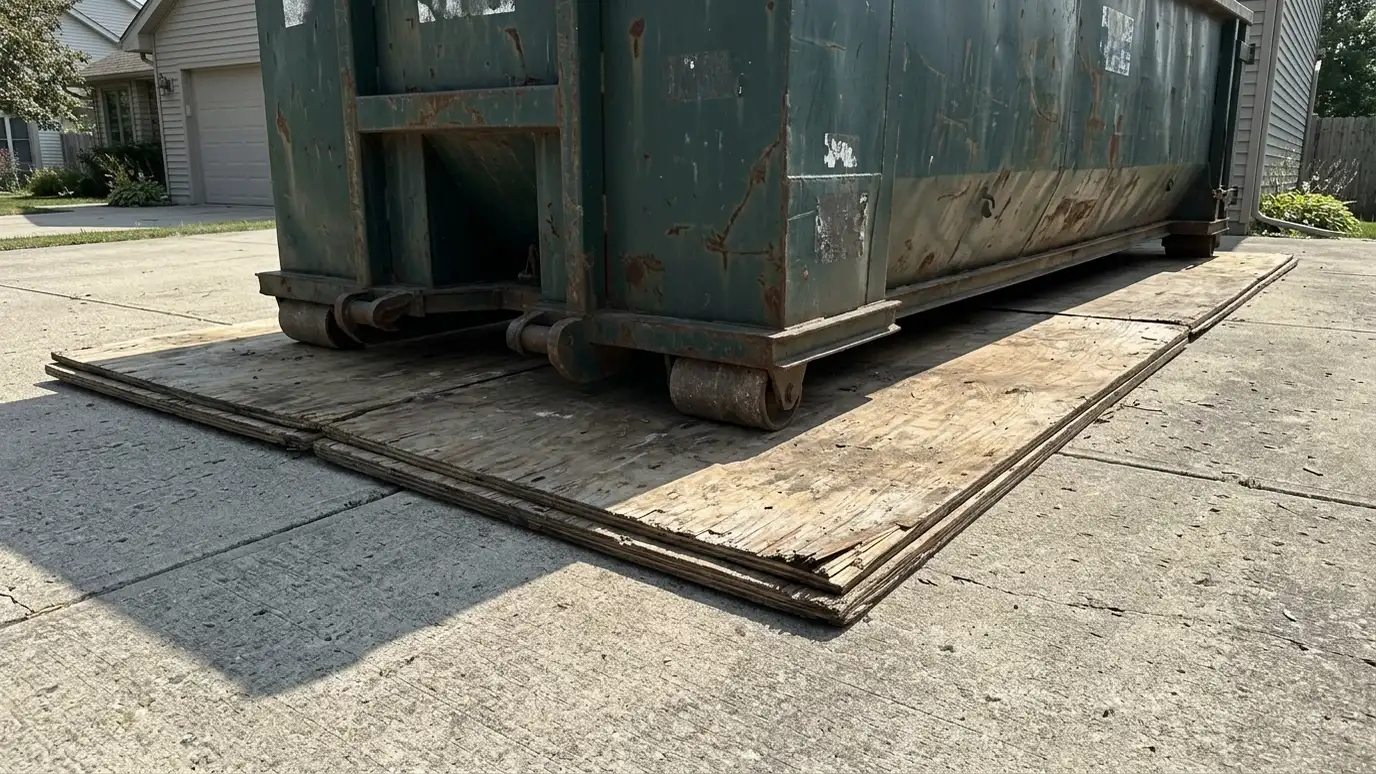 Comparison guideProtecting Your DrivewayHow plywood, pads and smart placement protect concrete, asphalt, pavers and lawns from the weight of a loaded…Learn more
Answer five questions about your project, materials and timing to see which services to start with.
You tell us what you are removing, where the container will sit and when you need it, and we recommend a size and set the details.
We check the spot, the slope, the wires and the truck path from photos or a visit and talk through weight and materials.
You get a plain written quote with the size, the rental days, the weight allowance and the terms before anything is scheduled.
The truck sets the container where we agreed, on plywood when needed, and we confirm the placement with you.
Load heavy items first, spread the weight, keep prohibited items out and stay below the fill line. Call if you need a swap or more days.
Call when you are done and we schedule the pickup, haul the container and leave the site ready for the next step.
A square weighs a few hundred pounds, and every extra layer adds to it.
A twenty-yard fits many single-layer roofs. Larger or multi-layer roofs may need more.
Yes, but it adds weight, so tell us everything you are removing.
Yes. Roofing nails are normal in these loads.
Sometimes. Ask us whether a recycling option is available.
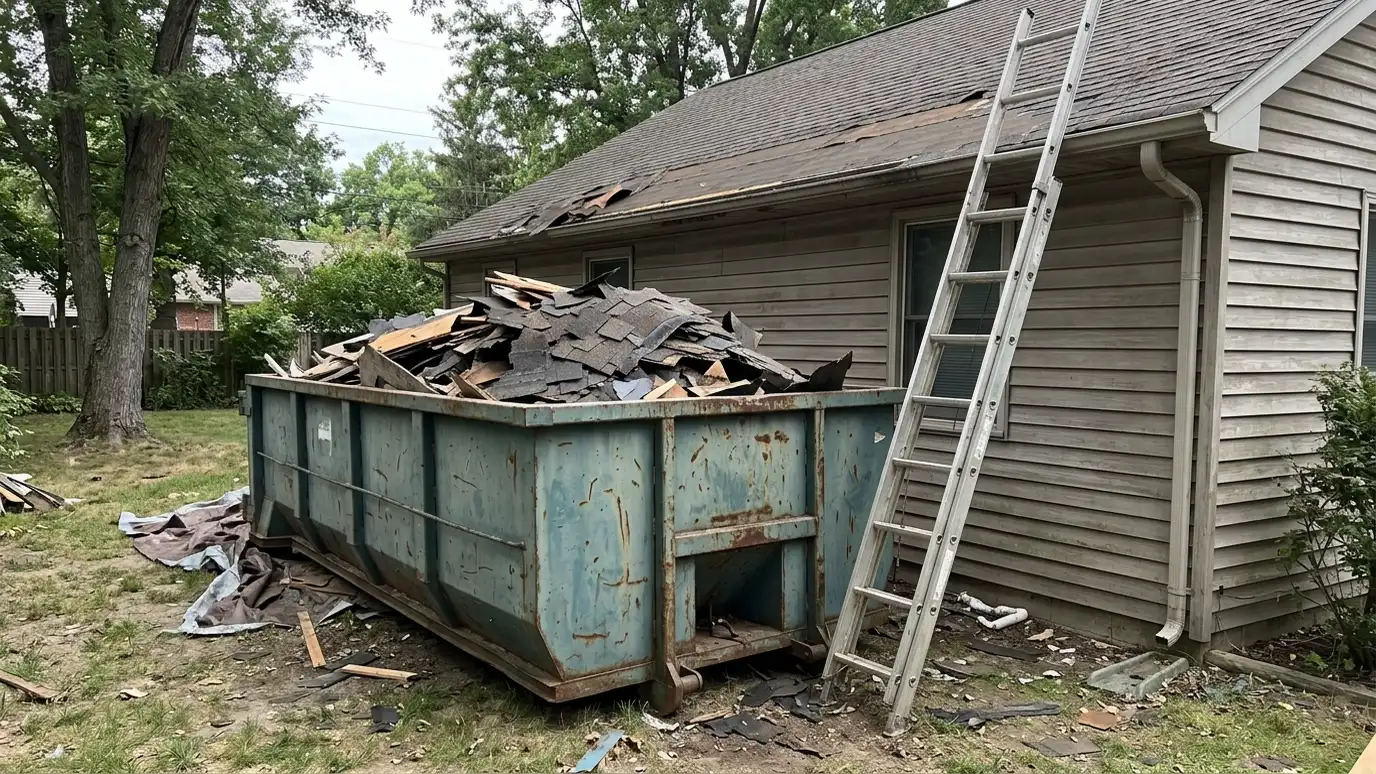 Roofing DumpstersRoofing shingle dumpsters for tear-offs of any size, with weight guidance, sizing by roofing squares and placement close…Explore
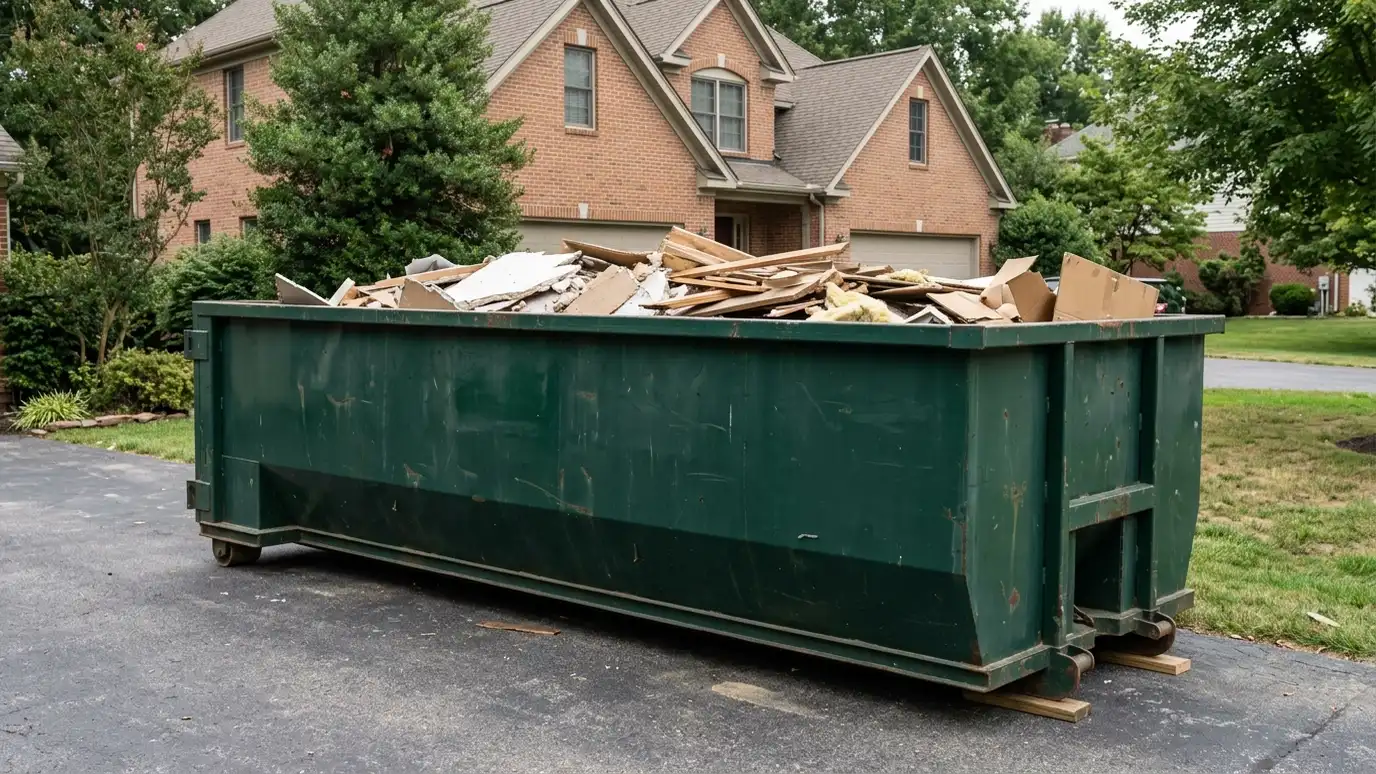 Twenty-Yard DumpsterTwenty-yard roll-off dumpster rental for large remodels, roofing, whole-room demolition and big cleanouts, the most popular size for…Explore
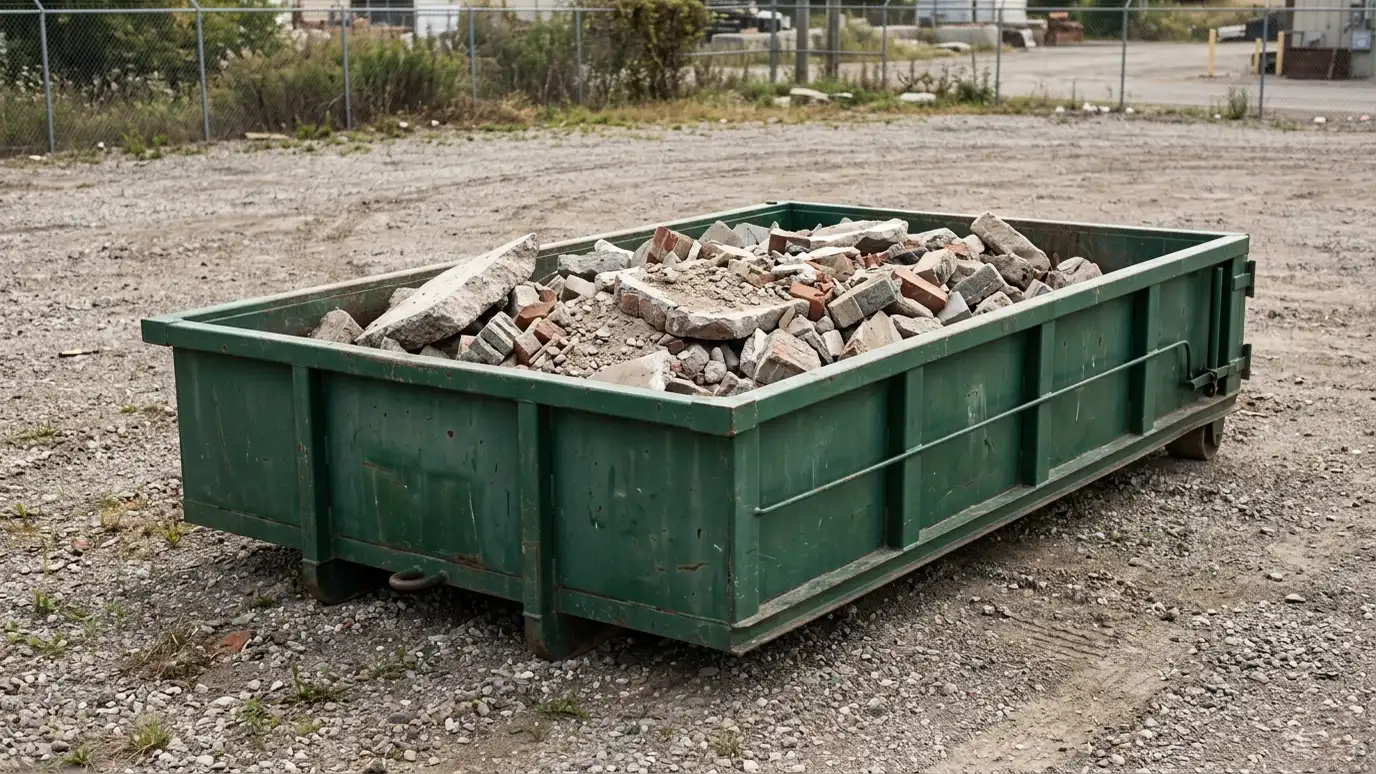 Heavy Material DumpstersLow-side heavy material dumpsters for concrete, brick, block, asphalt, dirt and rock, sized and filled so the load…Explore
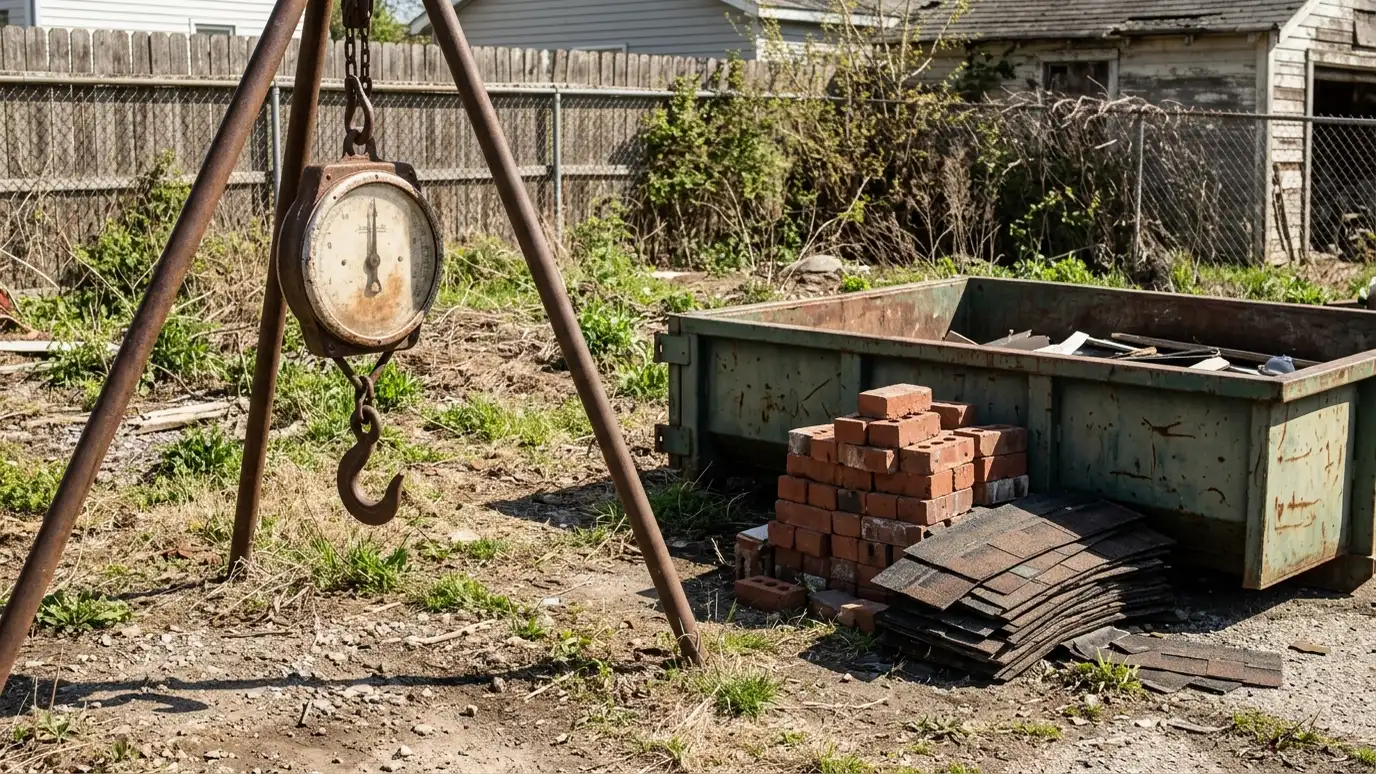 Weight LimitsWeight limits and overage guidance that explain how weight allowances work, how to estimate your load and how…Explore
Tell us about your project and we will call you back to set up delivery.
Or call (615) 357-7797 to talk now.