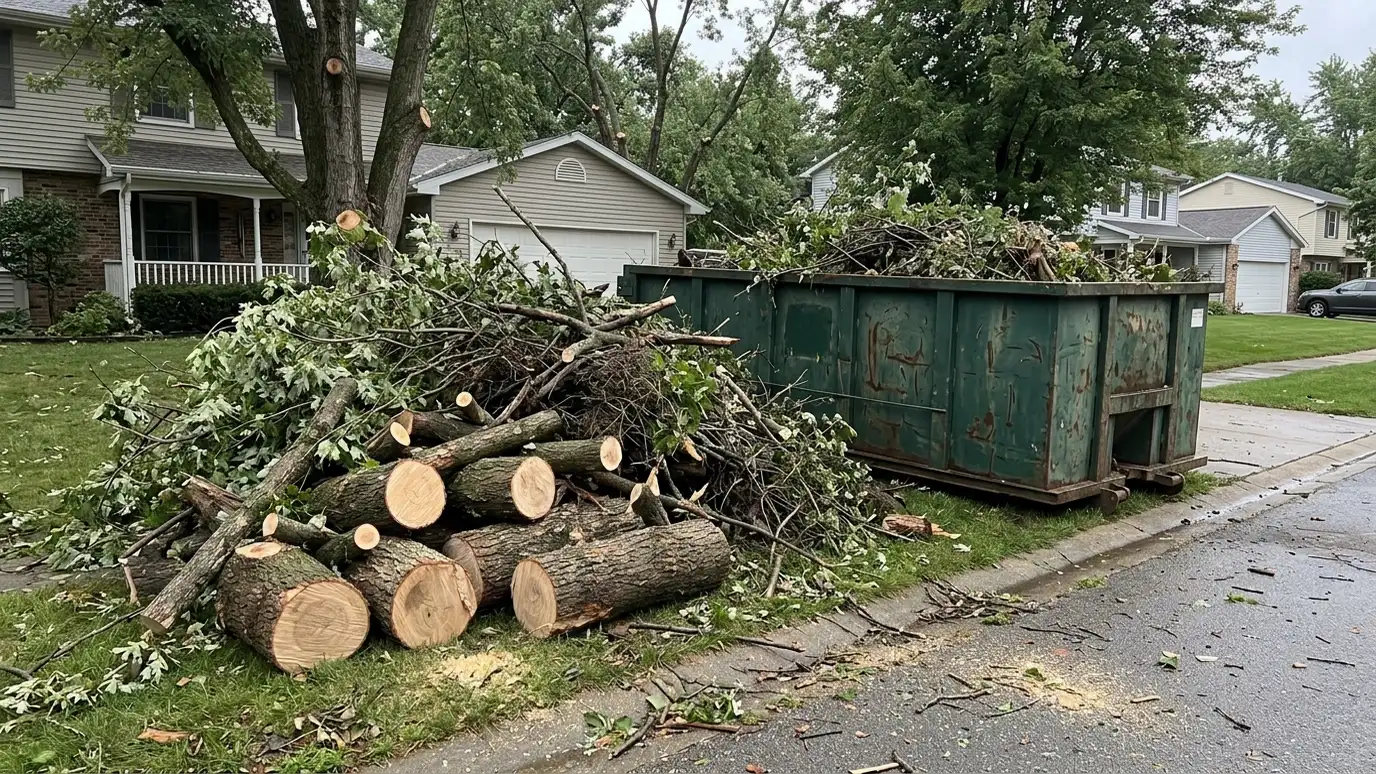
Tree removal and storm cleanup dumpsters for limbs, logs, brush and damaged fencing after wind, ice or a planned tree job.
After a storm, the yard looks like a lumberyard: limbs, branches, logs, torn fence panels and shingles across the lawn. A dumpster gives you one place to put it all while insurance, neighbors and repairs get sorted out. In Nashville, where spring storms and winter ice can bring down large trees, quick access to a roll-off keeps a bad week from turning into a bad month.
Wood and brush are bulky, so a twenty or thirty-yard container is common for storm work. Logs and stumps are heavy, so we explain how to load them low and keep the weight in check. If a tree service is doing the work, we coordinate delivery so the container is ready when the crew arrives. We also tell you about the materials that do not belong in a storm load, like treated lumber in some cases, and help you plan around them. After a storm, check for hanging limbs and hidden hazards before you start hauling. If a tree service is on site, let them cut and stack pieces within reach of the container. Photograph the damage for your records before it goes in, and keep power lines, wires and wet ground in mind when choosing the spot.
We respond quickly when storms hit.
Heavy pieces go at the bottom.
Delivery lines up with your tree service.
We advise on fence, shingles and branches together.
Drag the handle to compare.
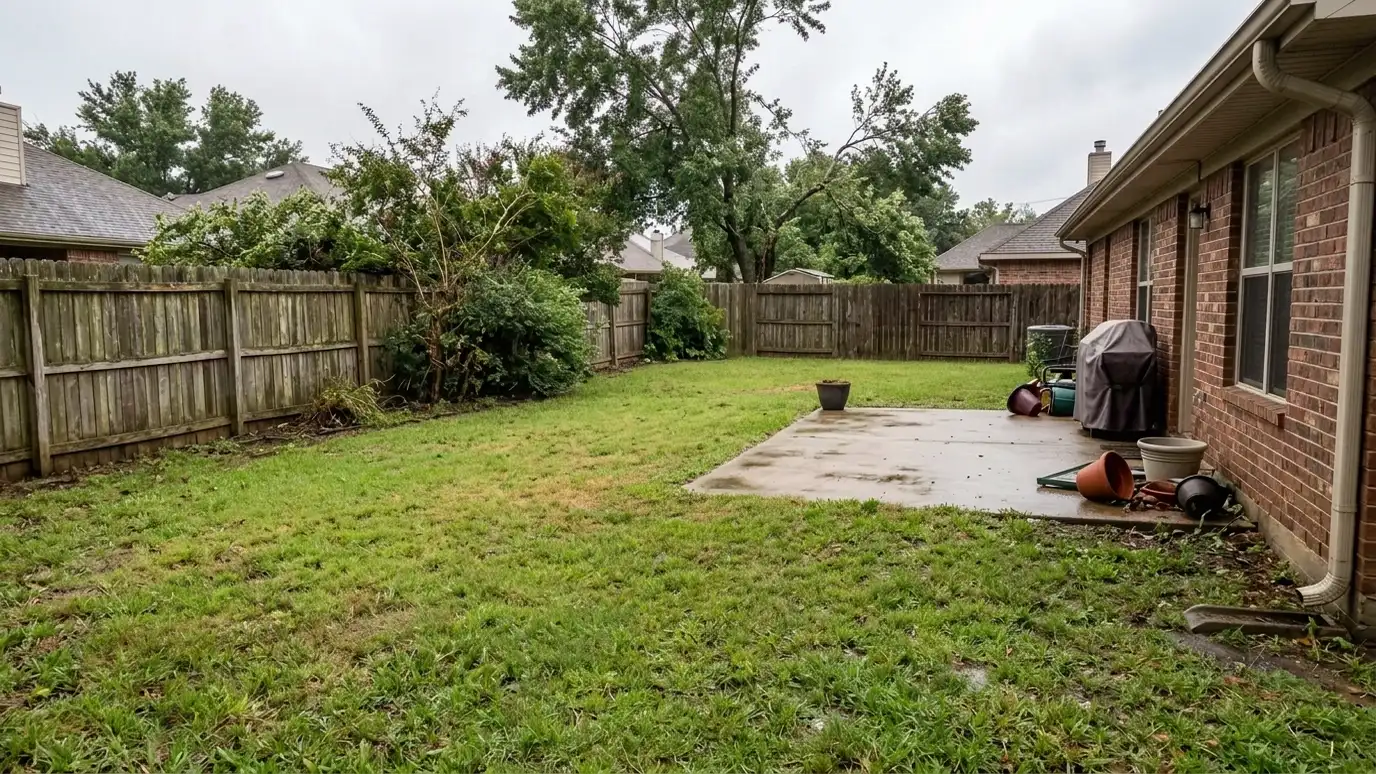
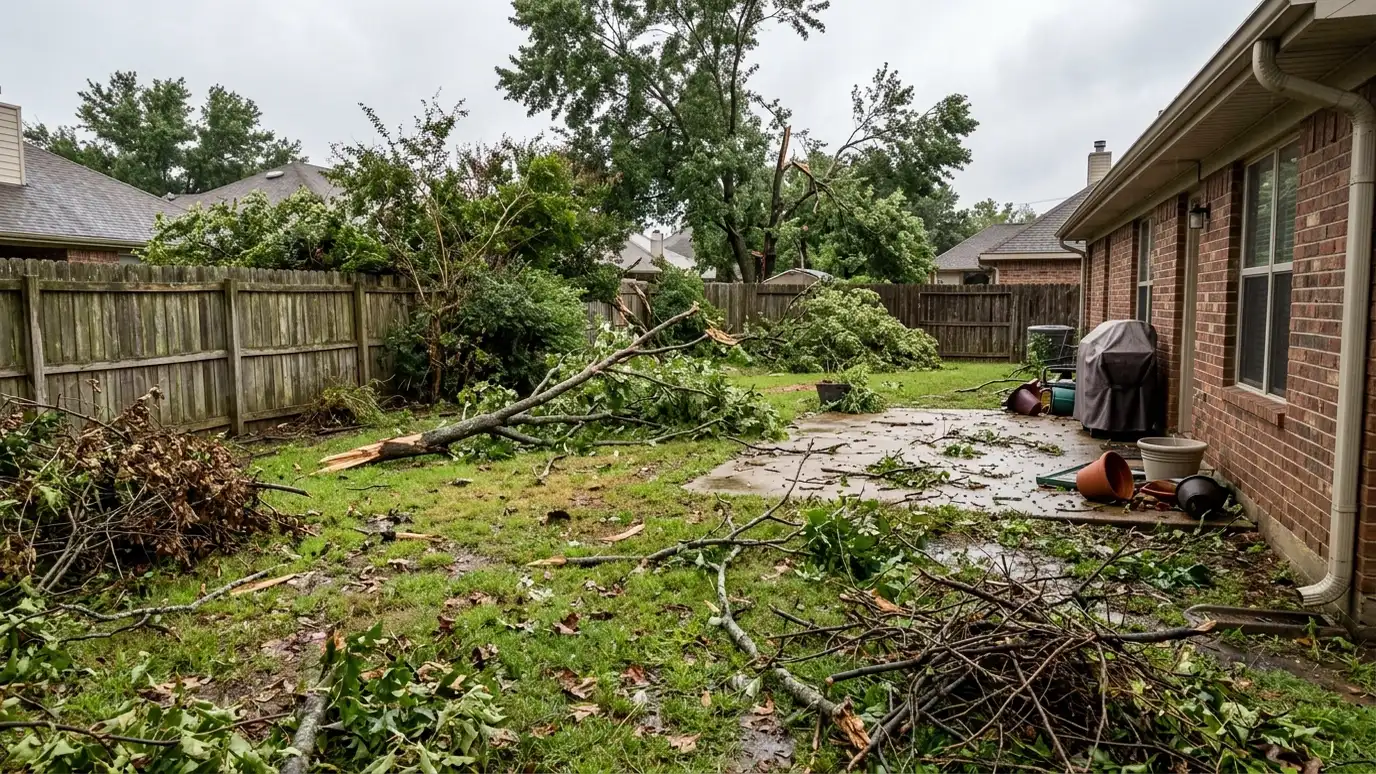 BeforeAfter
Quick scheduling when storms hit.
Twenty or thirty for large cleanups.
Load low and spread the weight.
Delivered before the crew arrives.
Know what to keep out of the load.
Placement that respects the street.
Every topic has its own page with what to expect and how we approach it.
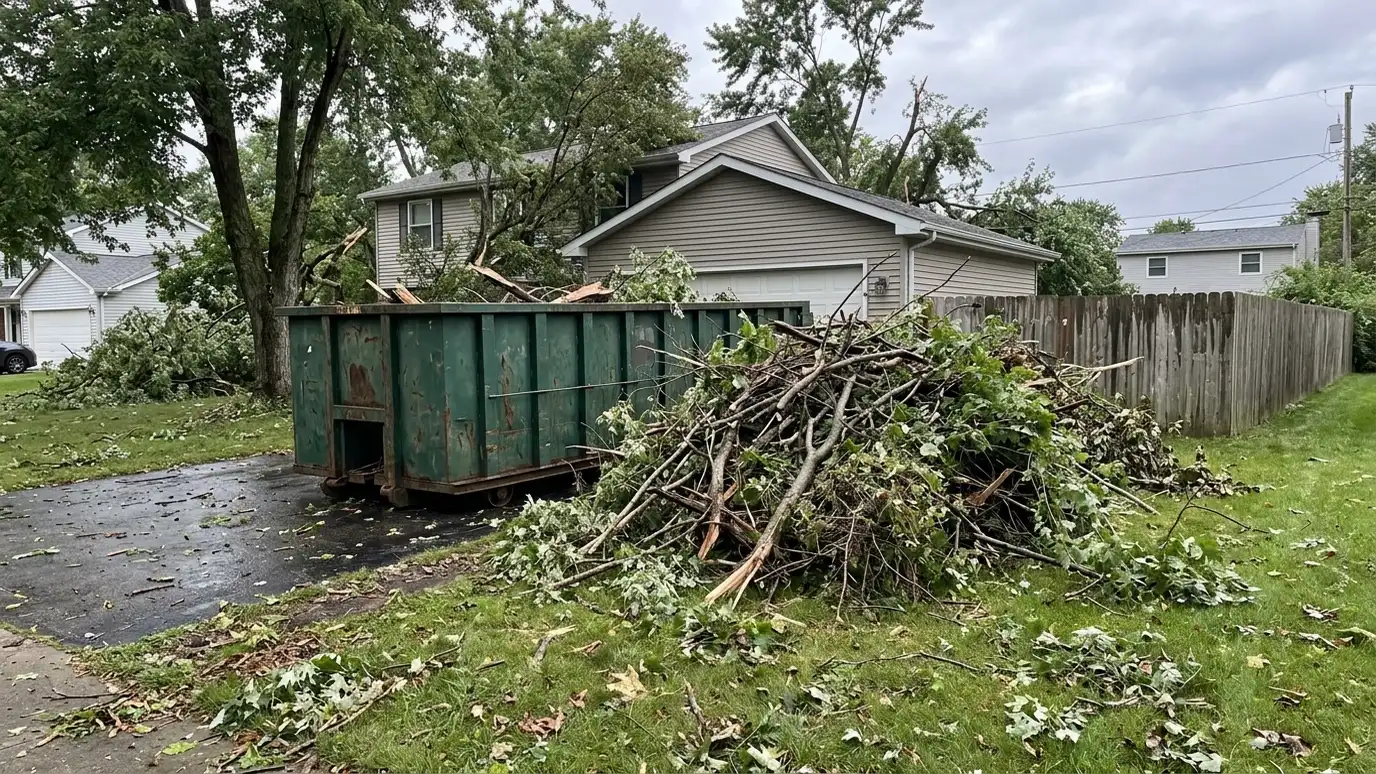 Comparison guideYard Waste and Storm CleanupHow to size and load a container for branches, leaves, logs and storm debris, and which items to…Learn more
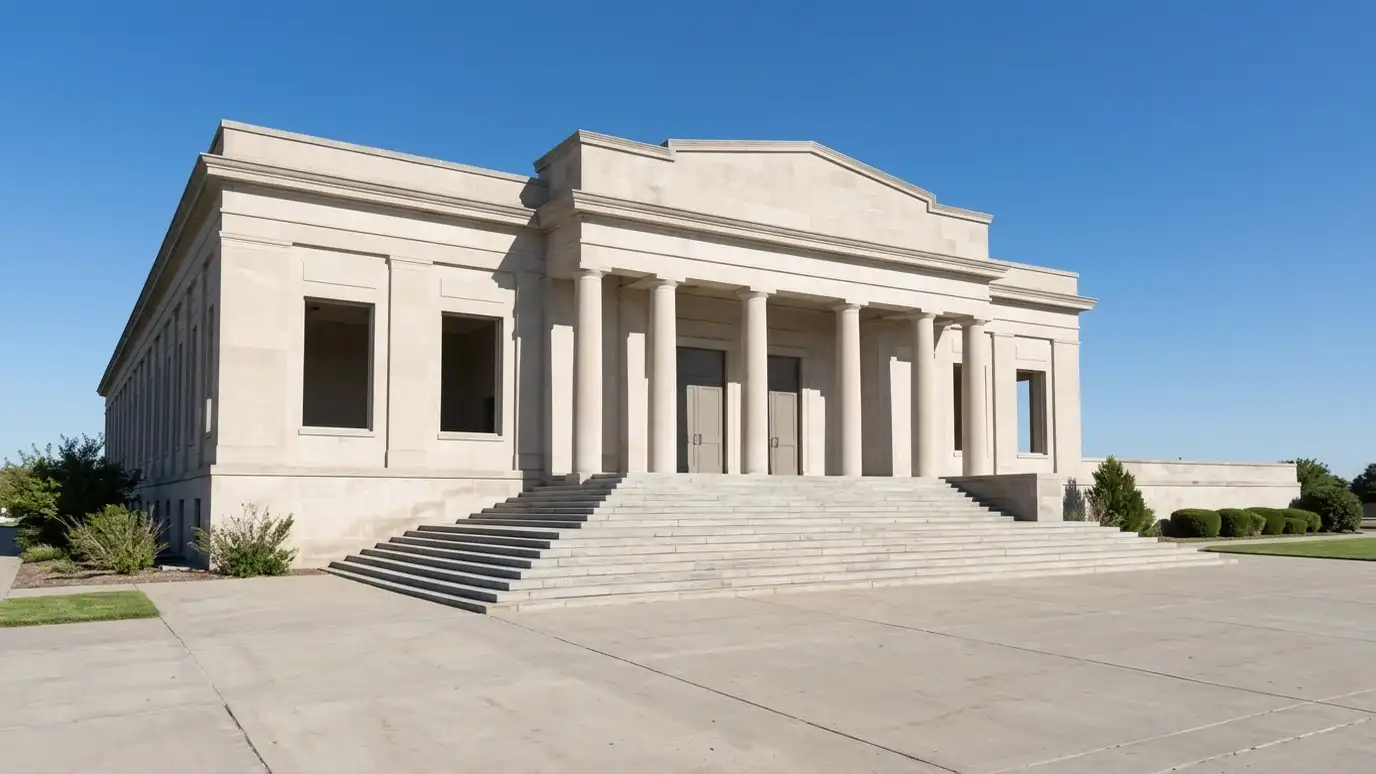 ResourceNational Weather ServiceThe local forecast office for Middle Tennessee that publishes forecasts, warnings and weather information.Learn more
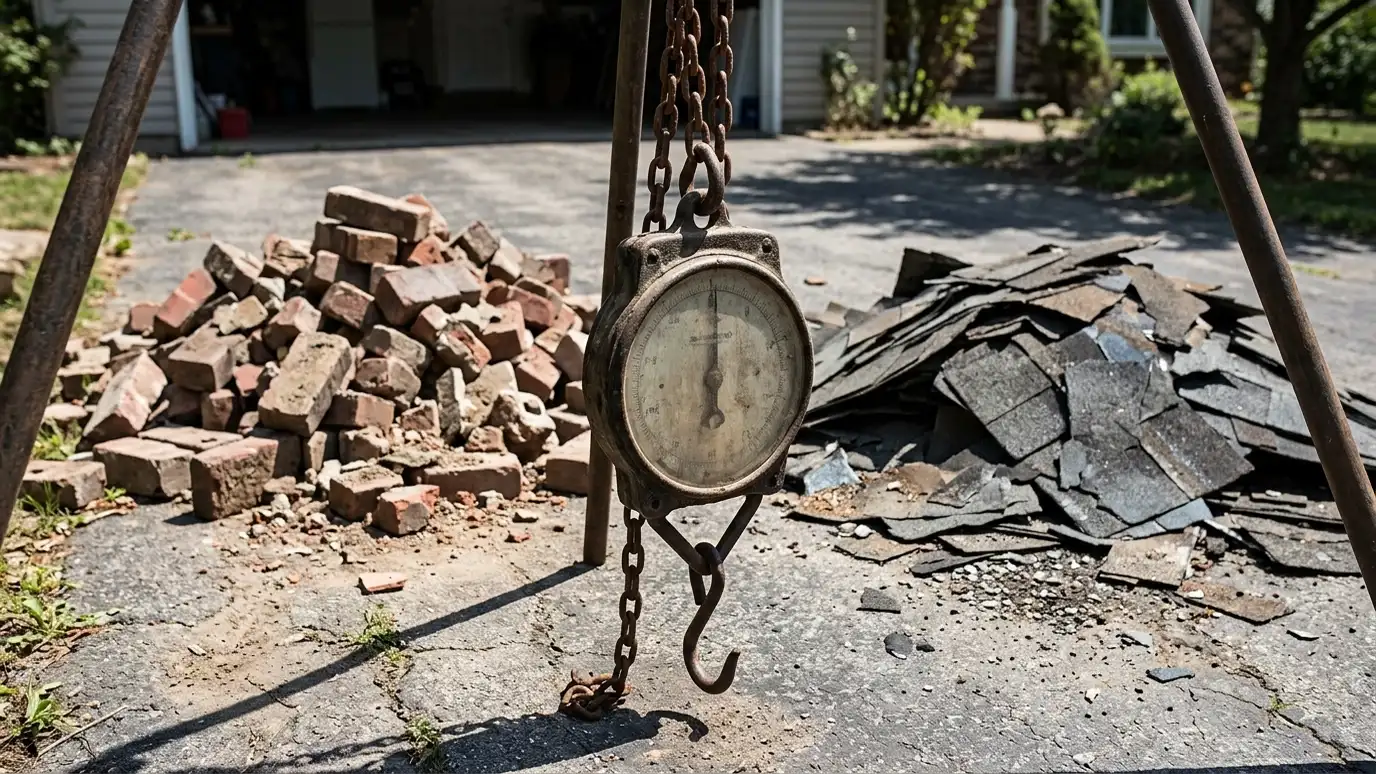 Comparison guideDumpster Weight ExplainedHow weight allowances work, which materials are heaviest and how to keep a load within its limit.Learn more
Pick the project and options to see a typical sequence from quote and delivery to loading, swaps and pickup, with a weather buffer.
You tell us what you are removing, where the container will sit and when you need it, and we recommend a size and set the details.
We check the spot, the slope, the wires and the truck path from photos or a visit and talk through weight and materials.
You get a plain written quote with the size, the rental days, the weight allowance and the terms before anything is scheduled.
The truck sets the container where we agreed, on plywood when needed, and we confirm the placement with you.
Load heavy items first, spread the weight, keep prohibited items out and stay below the fill line. Call if you need a swap or more days.
Call when you are done and we schedule the pickup, haul the container and leave the site ready for the next step.
We schedule as fast as we can. Call and we will tell you honestly when we can be there.
A twenty or thirty-yard container is common for large limbs and fence damage.
Yes, but they are heavy, so load them low and tell us about large pieces.
Yes. We can coordinate delivery with them.
Often yes. Ask us about weight and mixing with yard waste.
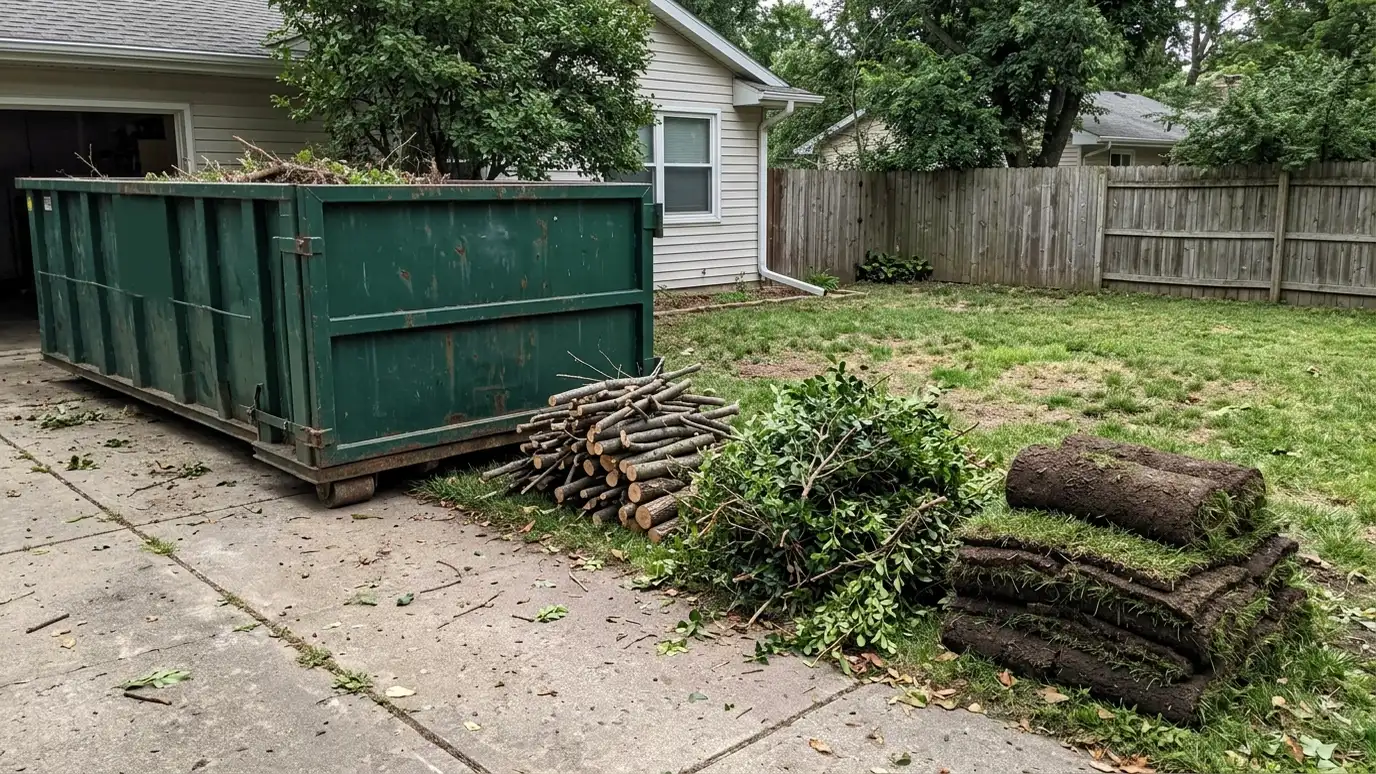 Yard Waste DumpstersYard waste and landscaping dumpsters for brush, shrubs, sod, mulch and trimmings, with tips on clean loads and…Explore
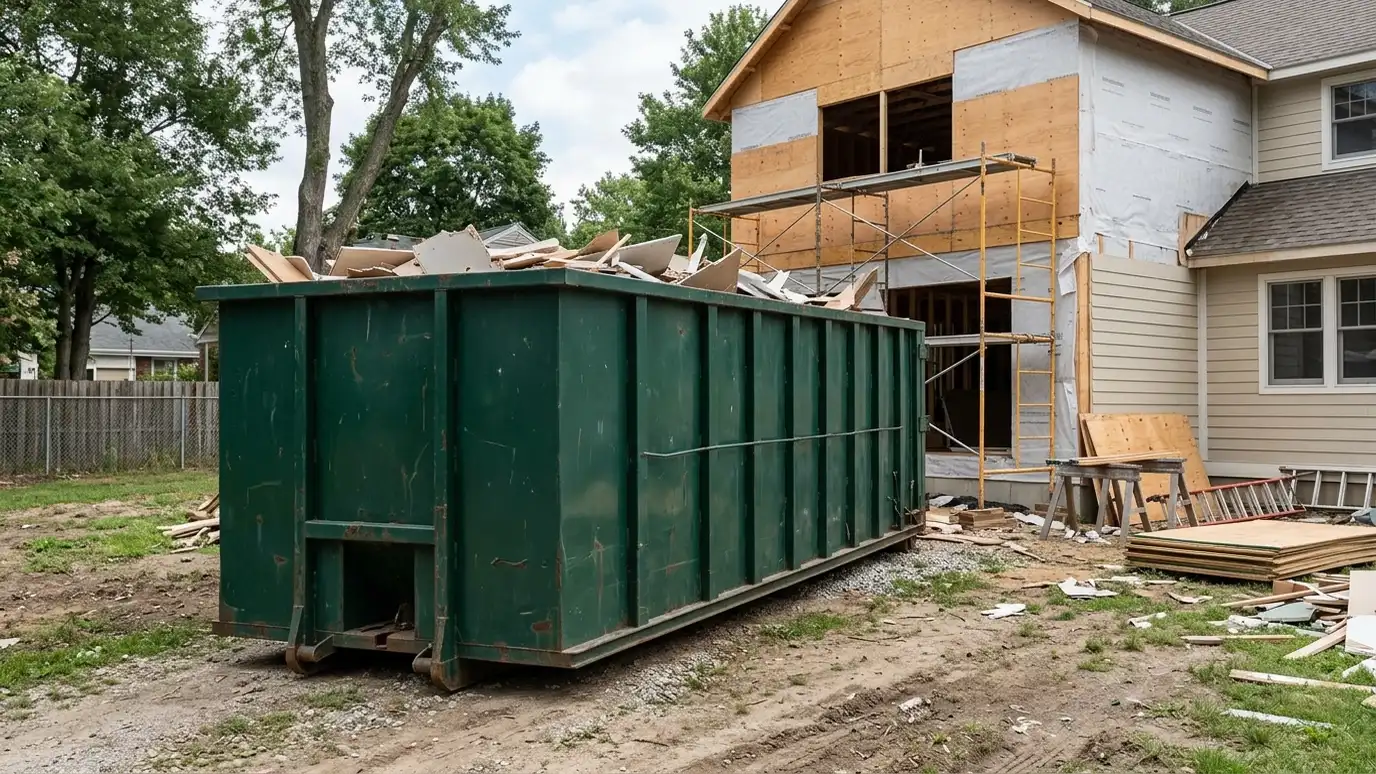 Thirty-Yard DumpsterThirty-yard roll-off dumpster rental for whole-house cleanouts, new construction, additions and large demolition with six-foot walls and lots…Explore
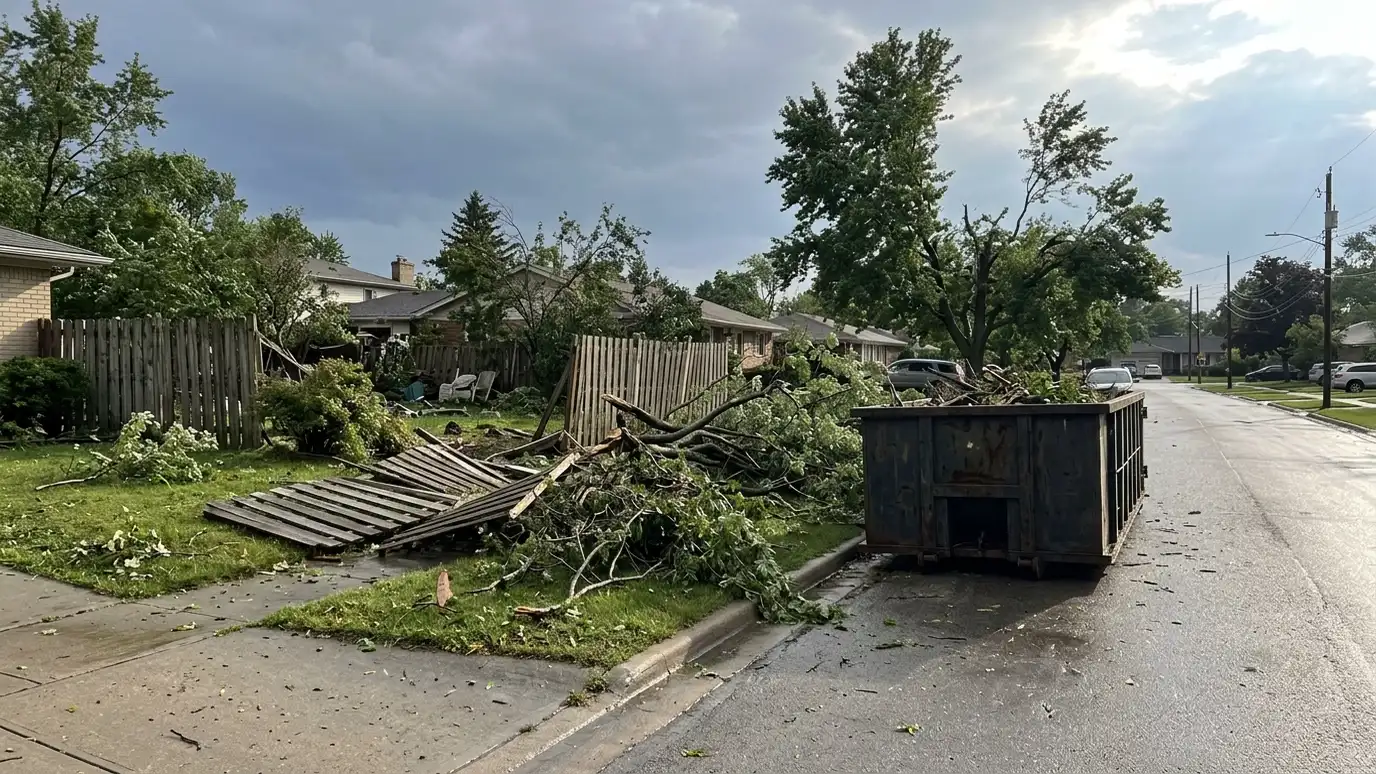 Disaster Cleanup DumpstersStorm and disaster cleanup dumpsters for wind, hail, flood and fire damage, with large containers, fast scheduling and…Explore
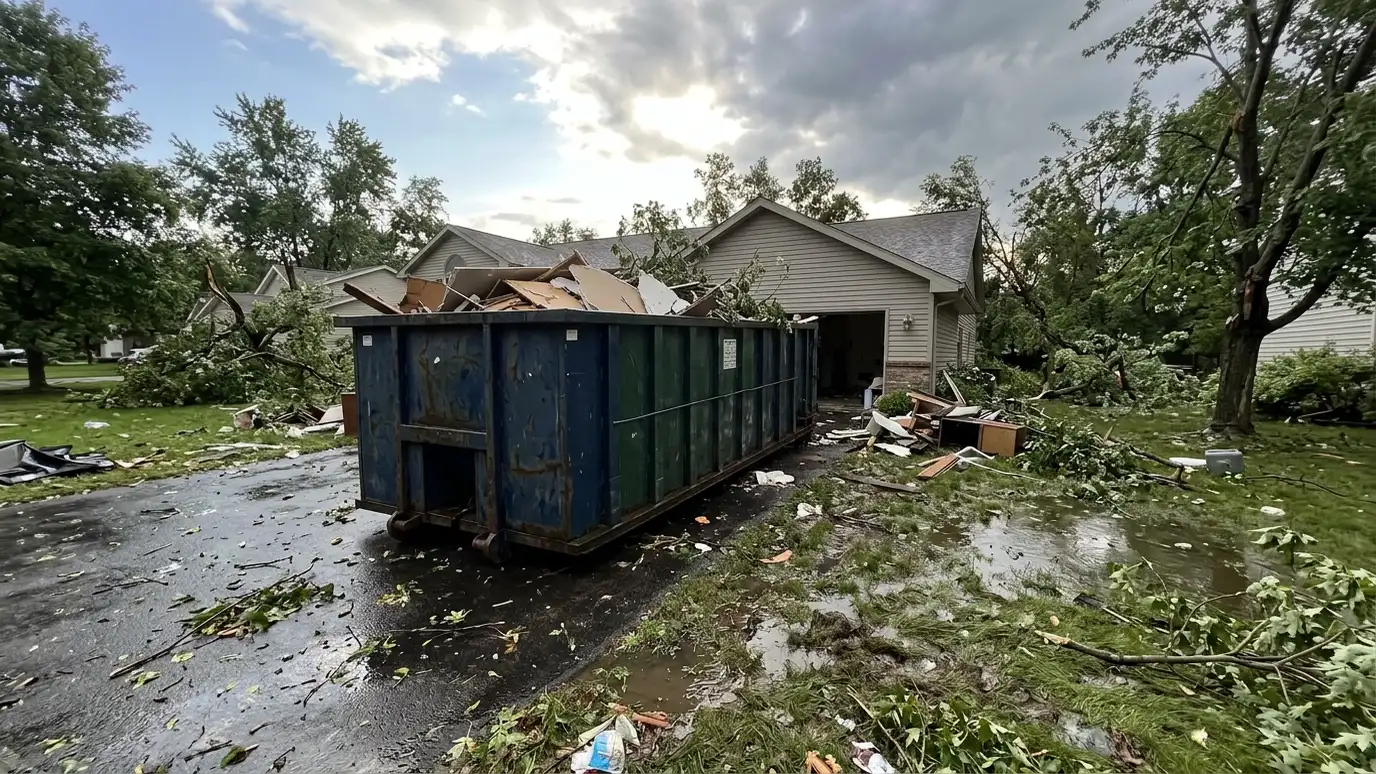 Emergency DeliveryEmergency dumpster delivery after floods, fires, storms or sudden demolition, with fast scheduling and clear communication when time…Explore
Tell us about your project and we will call you back to set up delivery.
Or call (615) 357-7797 to talk now.