Start with the project
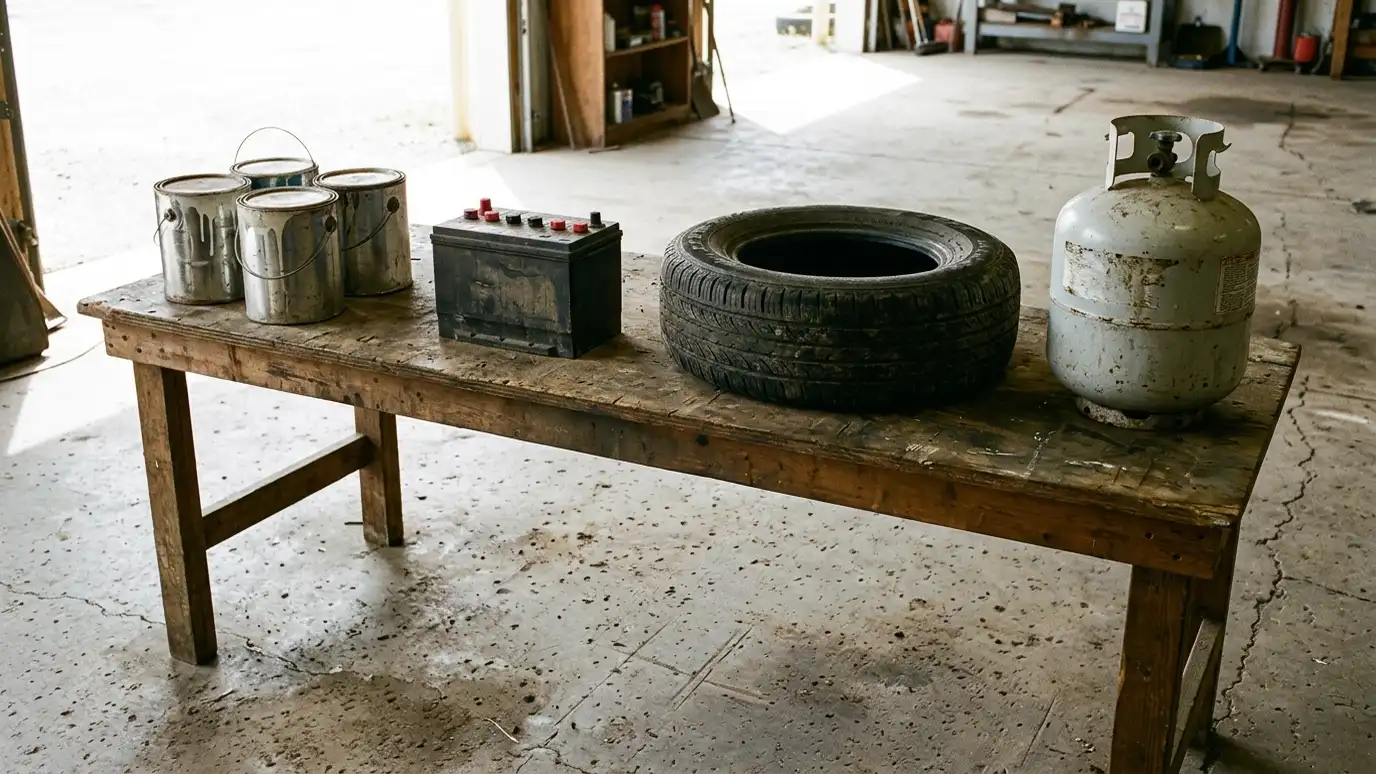
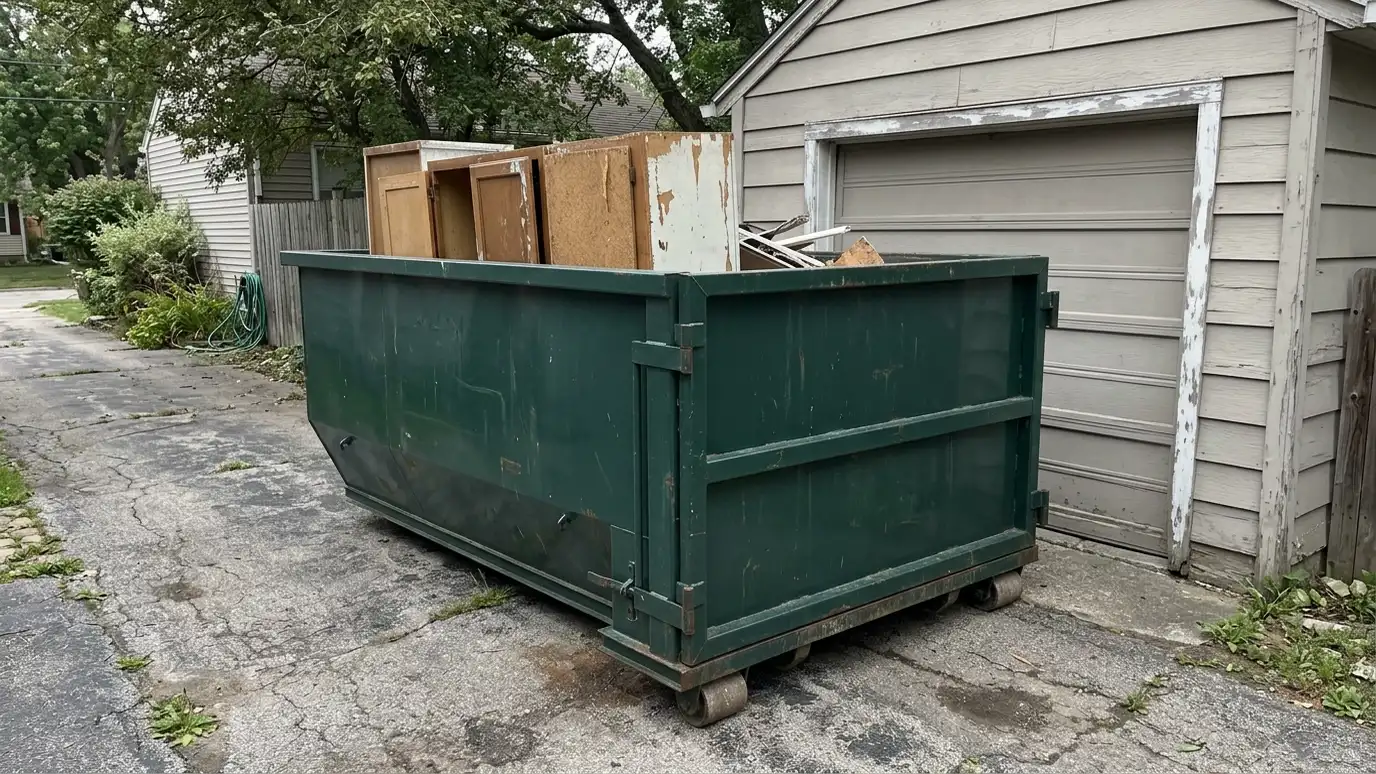
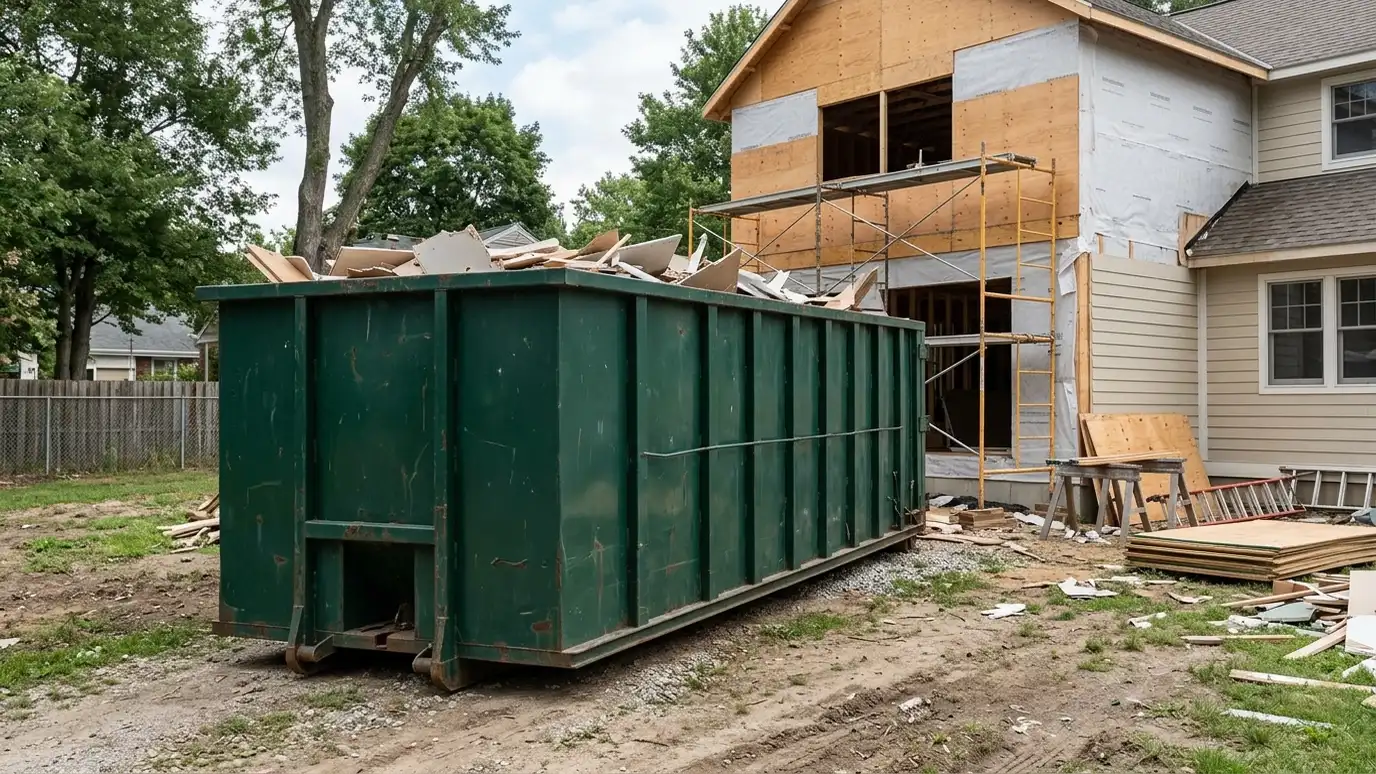
List what is coming out: rooms, roofs, fences, furniture or yard waste. A bathroom, a kitchen and a whole house are very different amounts.
Add up the big items first, such as cabinets, tubs and decks.
Then add the small items and a margin for surprises.
Translate to truck loads
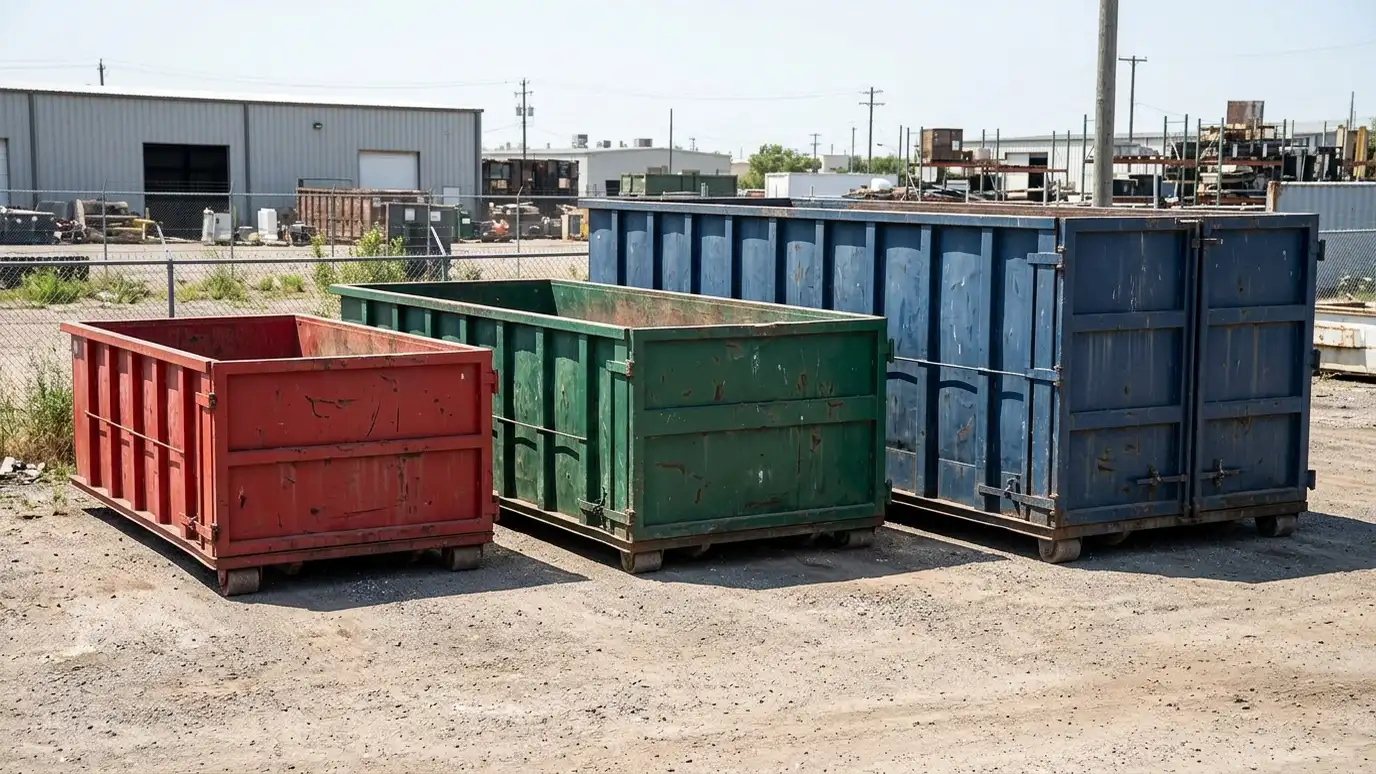
A ten-yard holds roughly three or four pickup truck loads, a fifteen about five or six, a twenty six to eight, a thirty nine to twelve and a forty twelve to sixteen.
Picture your debris in pickup truck loads and compare.
Remember that stacking and breaking things down changes the total.
Think about weight
Heavy material fills a container by weight long before it is full by volume. Concrete, brick, tile, soil and shingles need a low-side container or a careful fill line.
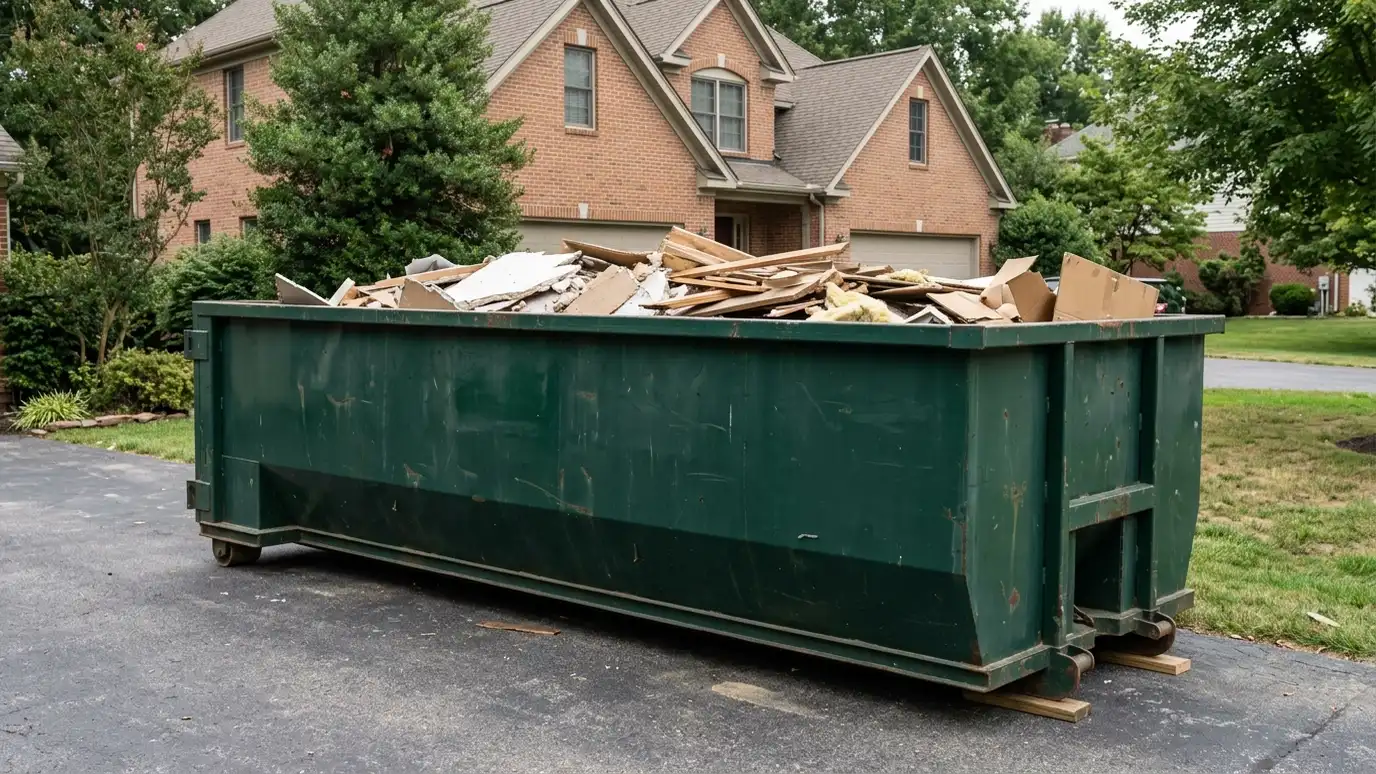
Light, bulky debris like drywall and furniture suits a taller container.
When in doubt, ask us about your heaviest material.
Check the space
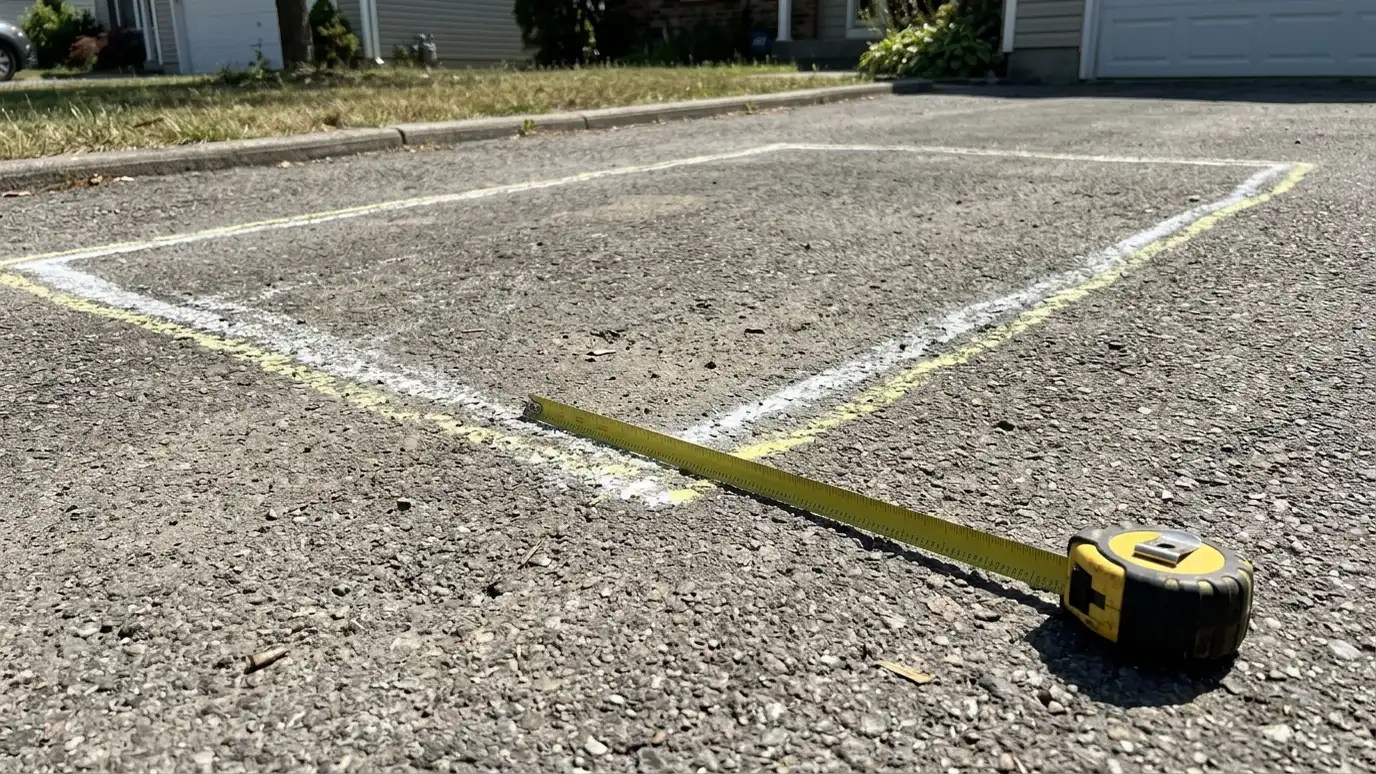
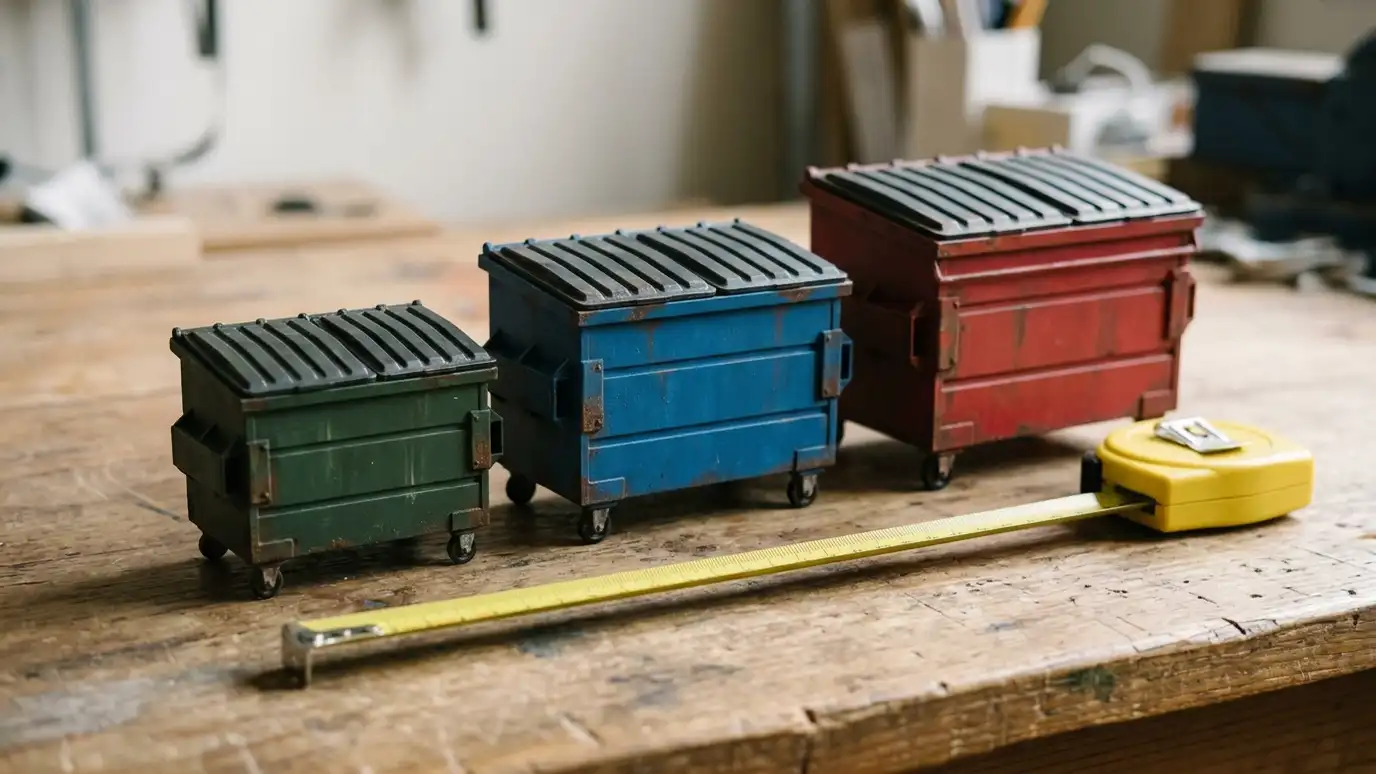
A twenty needs a long, clear stretch, and a forty needs even more. Measure the spot, check for wires and trees and think about the truck path.
Tight lots and narrow streets favor smaller containers.
Photos help us judge the space without a visit.
Plan for change
If the project is uncertain, choose the size that fits the likely case and plan for a swap if it grows. A second container is often easier than a rushed call at the end.
Tell us when you expect phases to change.
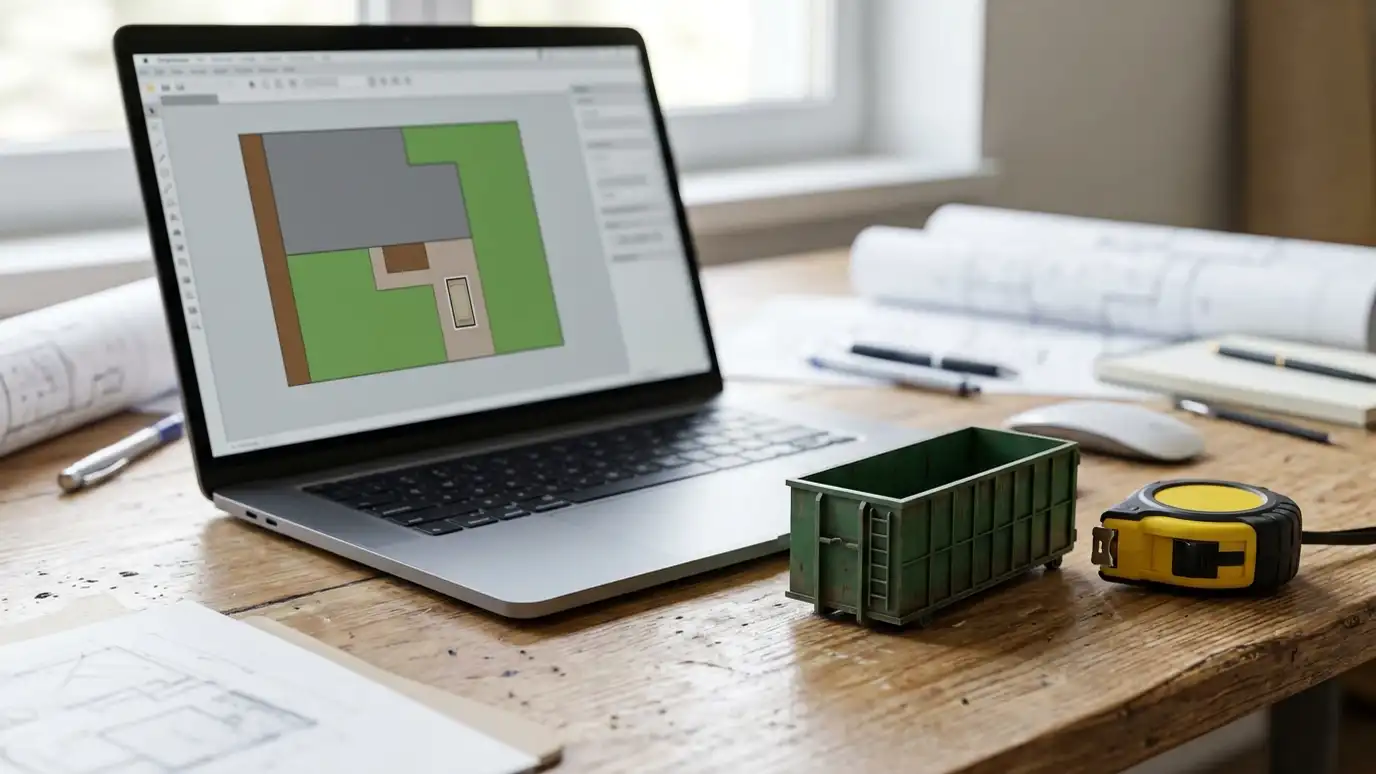
Our size calculator gives you a head start.
When in doubt
Choose larger for light, bulky debris and smaller for heavy, dense debris. If you are between two sizes, call us and describe the job.
A short conversation usually settles it.
We would rather help you choose well than sell you the wrong size.
Size by volume for light debris and by weight for heavy debris, and check the space before you book.