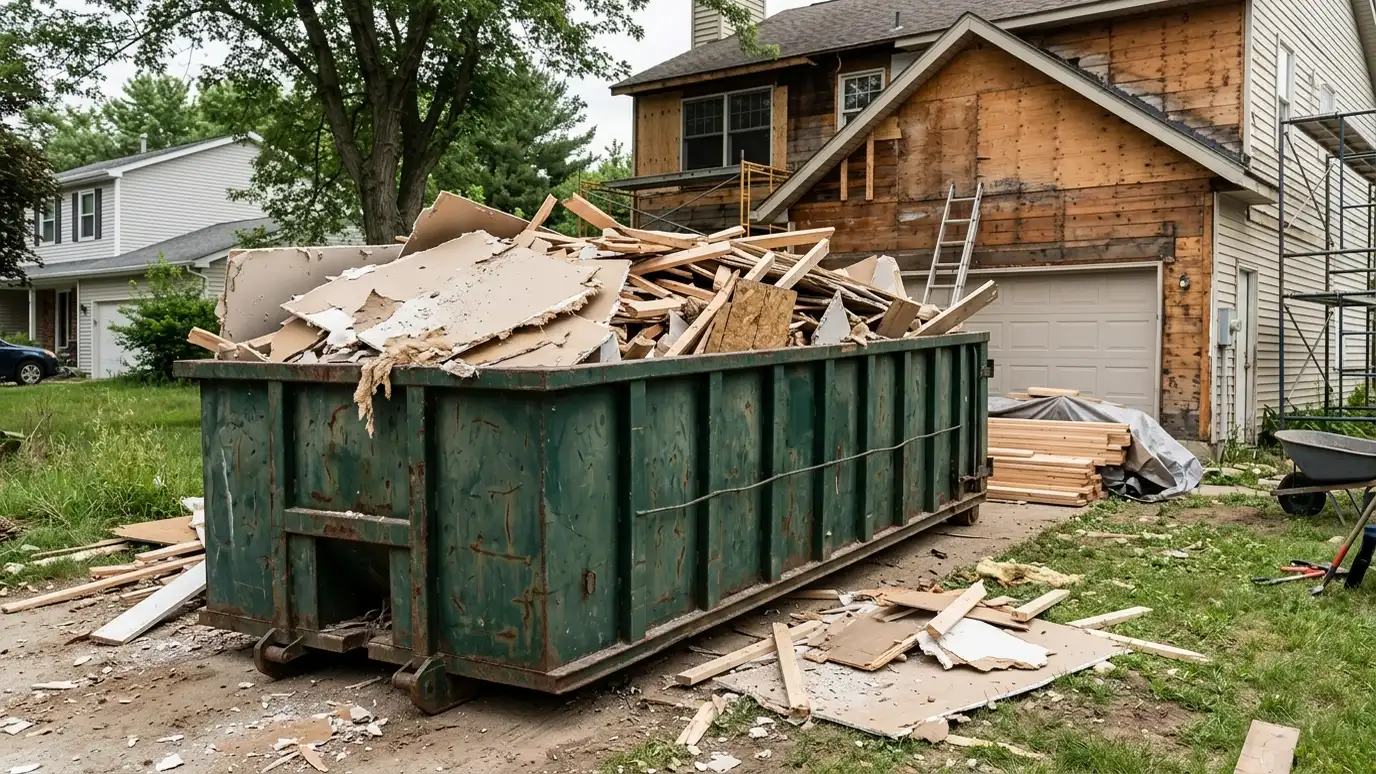
Drywall and framing debris dumpsters for new builds, additions and remodels, with sizes and loading tips for bulky sheets and long lumber.
Drywall scraps and framing lumber are bulky, awkward and endless. Sheets break into sharp pieces, studs stick out and the pile grows faster than anyone expects. A roll-off dumpster gives crews a single target and keeps the site safe and tidy. In Nashville, builders and remodelers rent twenty and thirty-yard containers for these stages, then swap them as the work moves from rough framing to finish.
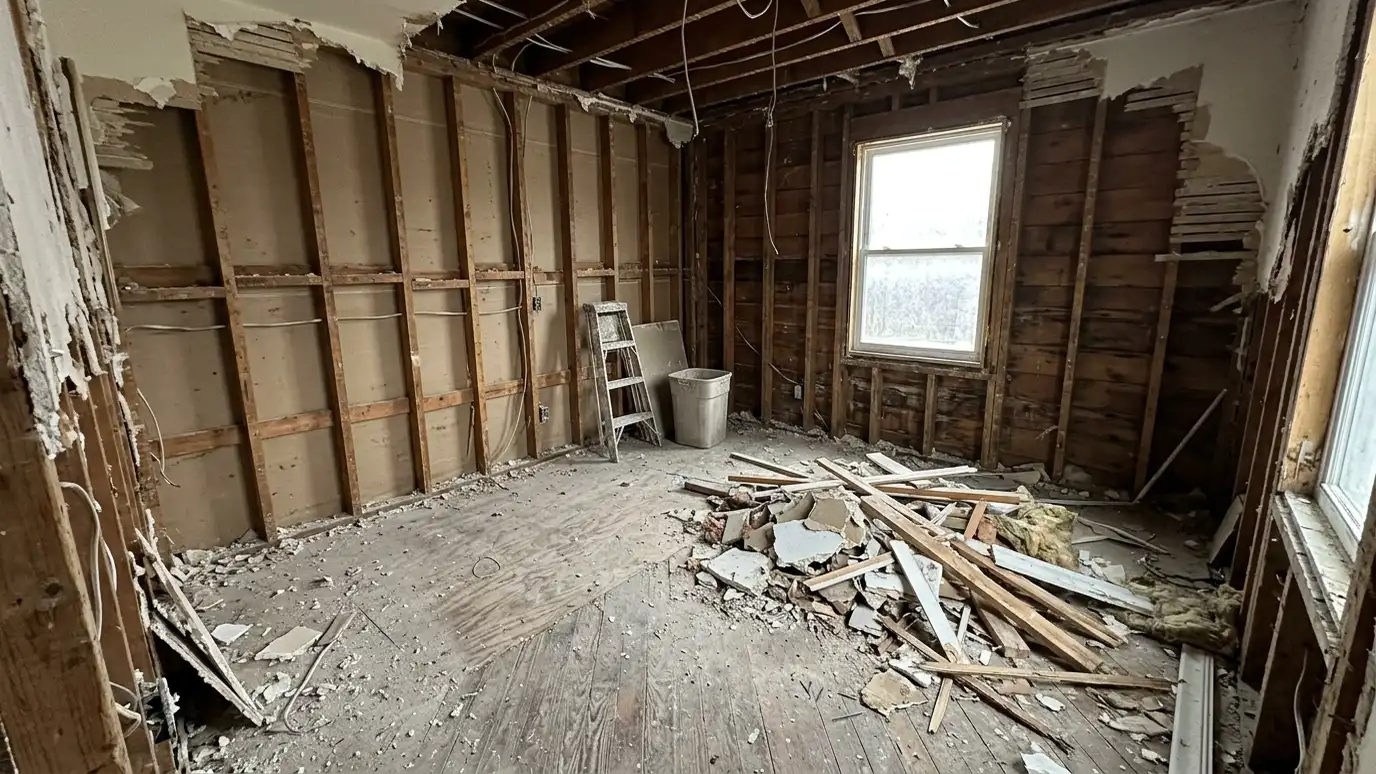
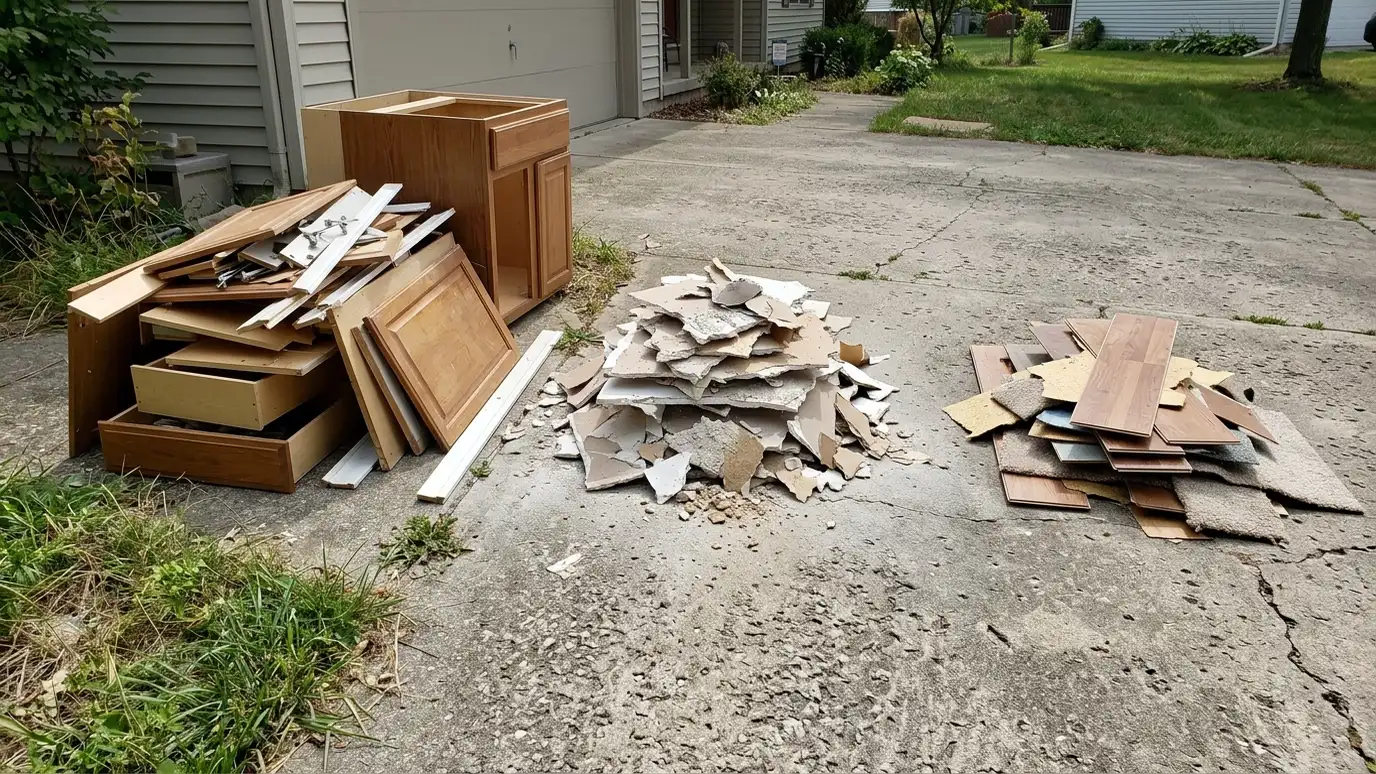
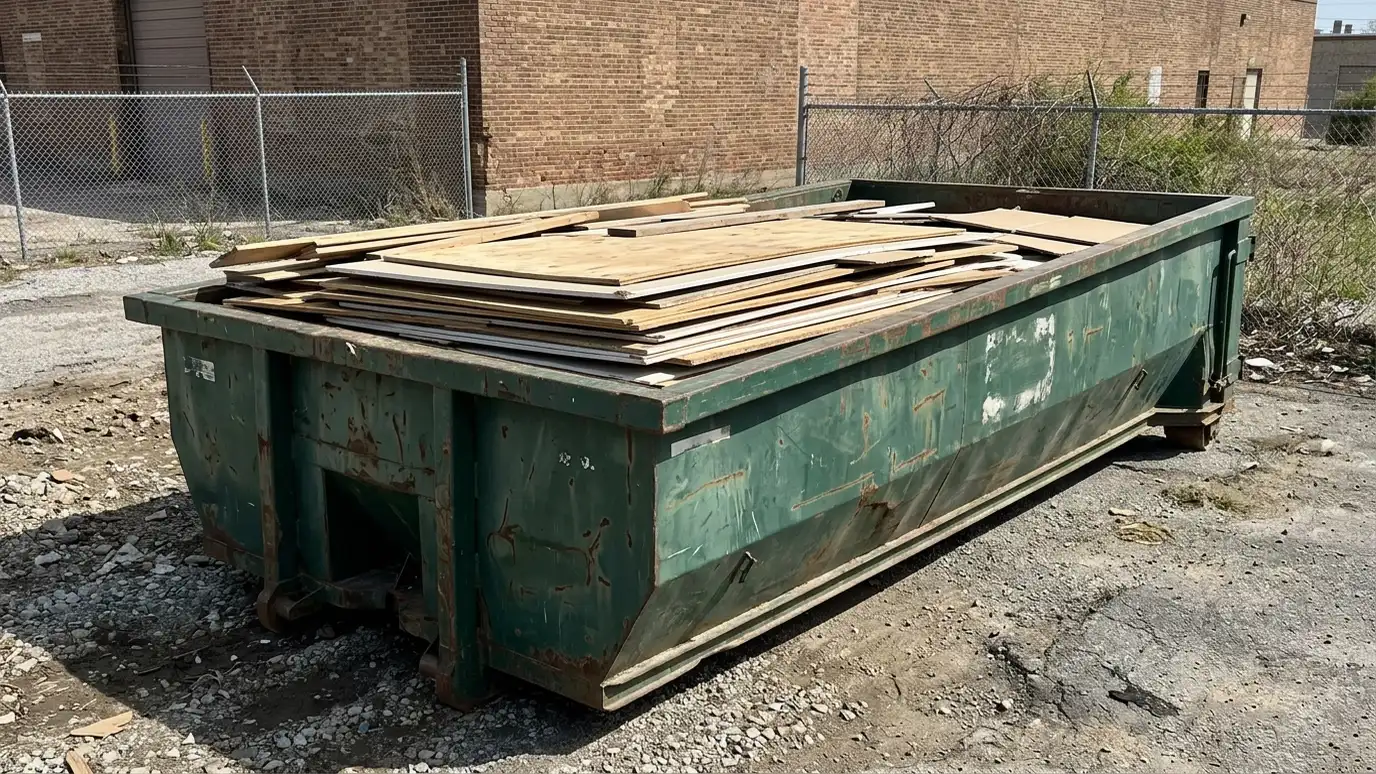
Drywall is light but absorbs water and gets heavy if it is wet, so keep the container covered during rain. Break sheets down and stack them flat to use space well, and cut long lumber down so it lays flat. We suggest separating clean scrap wood from drywall if you plan to recycle. We also talk about how to keep nails and screws away from walkways. A little planning here saves time and keeps loads tidy. Score and snap drywall into manageable sheets, stack lumber with the long pieces along the walls and keep sawdust and small scraps bagged so they do not blow around. If rain is in the forecast, cover the container with a tarp, because wet drywall adds a surprising amount of weight.
Breaking and stacking saves space.
Shorter pieces pack tighter.
Wet drywall gets heavy, so cover the container.
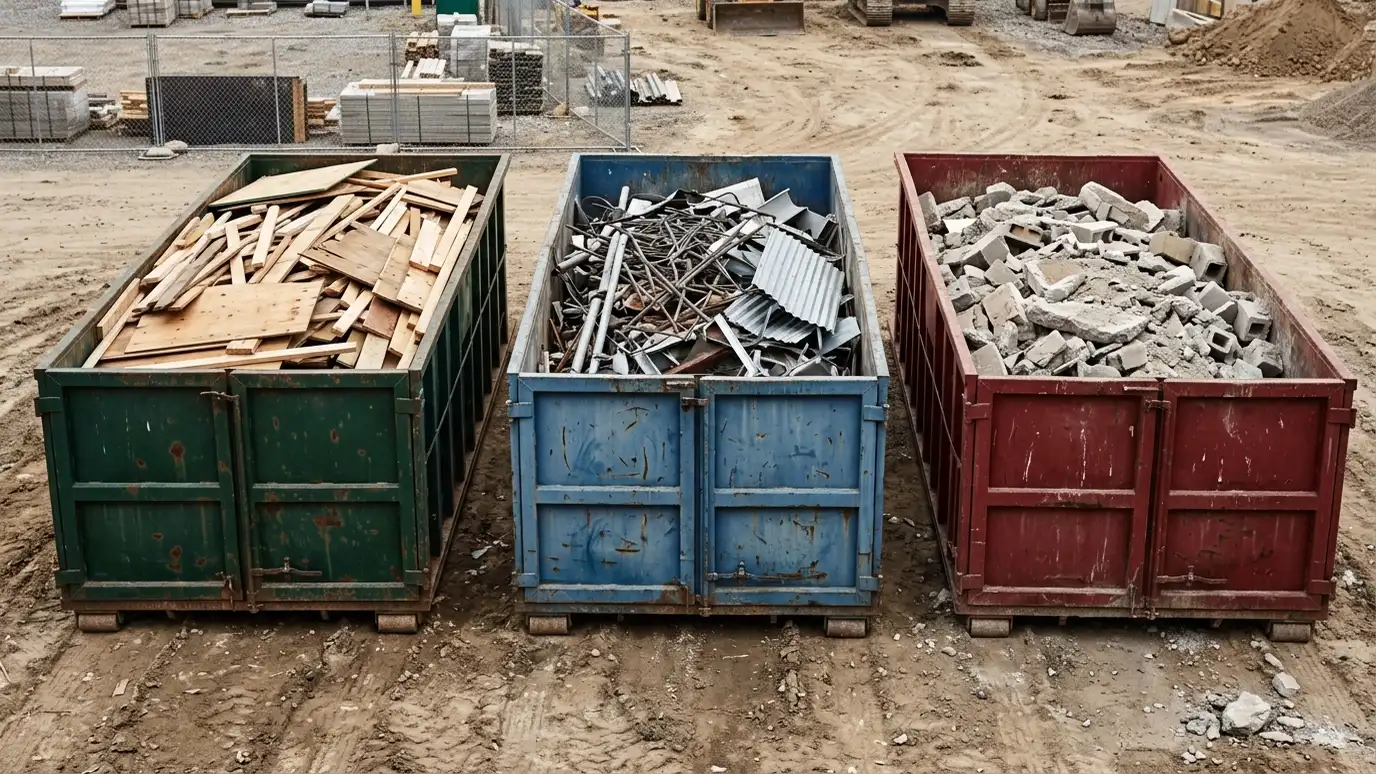
Recycle when a clean stream is possible.
Drag the handle to compare.
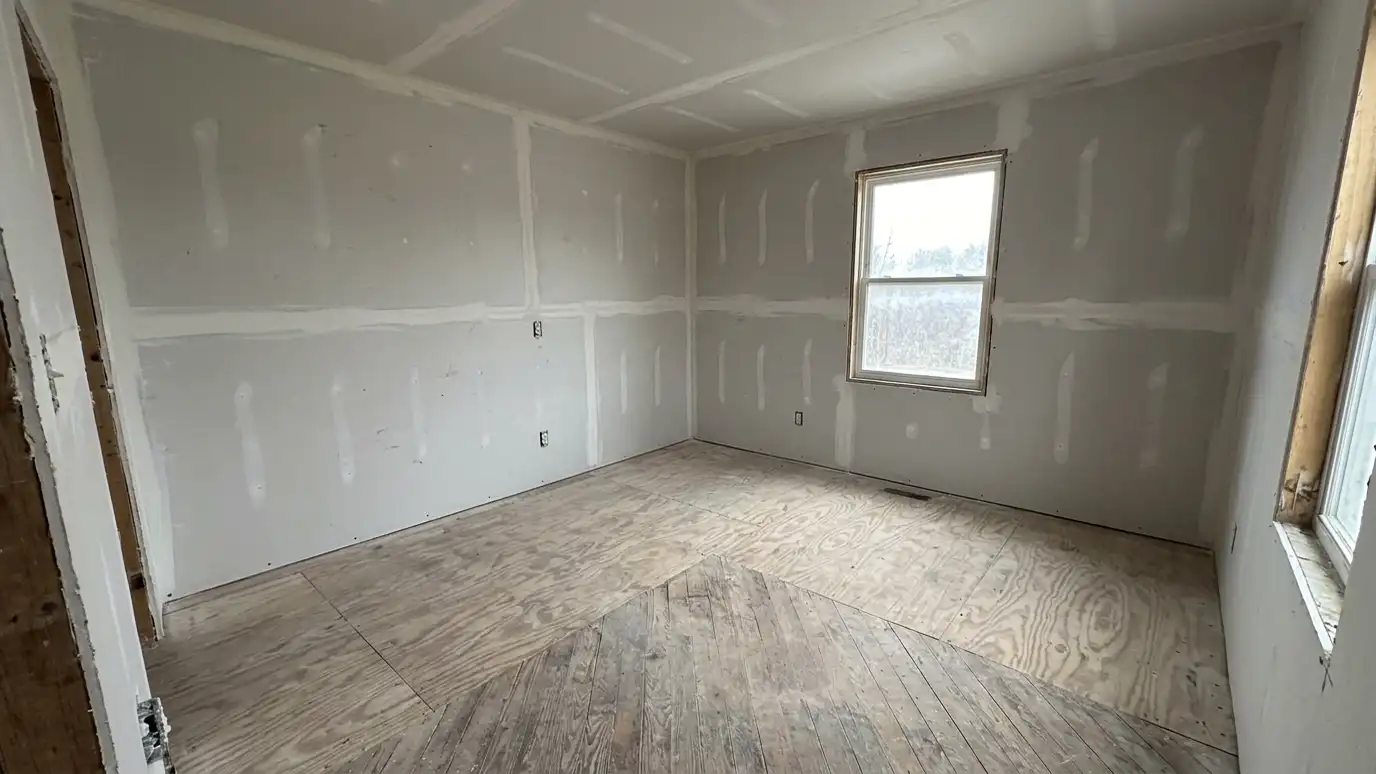
 BeforeAfter
Twenty and thirty-yard containers.
Break sheets and cut lumber for space.
Wet drywall gets heavy.
Separate clean scrap wood.
Sharp pieces stay in the container.
Pickup matches the build stage.
Every topic has its own page with what to expect and how we approach it.
 Comparison guideEstimating Remodel DebrisHow to estimate the debris from a kitchen, bath, flooring, roof or whole-house remodel so you can pick…Learn more
 Comparison guideConstruction RecyclingWhat diversion means, which construction materials are commonly separated and how to run a simple recycling plan on…Learn more
 Comparison guideHow to Load a DumpsterA simple method for loading heavy items first, spreading the weight, staying below the fill line and keeping…Learn more
Pick your project and its size to see the roll-off size that usually fits, with truck-load estimates and notes on weight and space.
You tell us what you are removing, where the container will sit and when you need it, and we recommend a size and set the details.
We check the spot, the slope, the wires and the truck path from photos or a visit and talk through weight and materials.
You get a plain written quote with the size, the rental days, the weight allowance and the terms before anything is scheduled.
The truck sets the container where we agreed, on plywood when needed, and we confirm the placement with you.
Load heavy items first, spread the weight, keep prohibited items out and stay below the fill line. Call if you need a swap or more days.
Call when you are done and we schedule the pickup, haul the container and leave the site ready for the next step.
Twenty or thirty-yard containers are common for these stages.
Yes, but wet drywall is heavy, so keep the container covered when it rains.
Yes. Breaking and stacking flat saves space.
Yes, they are normal in construction debris, but keep them away from walkways.
Often yes. Ask us if recycling clean wood is an option.
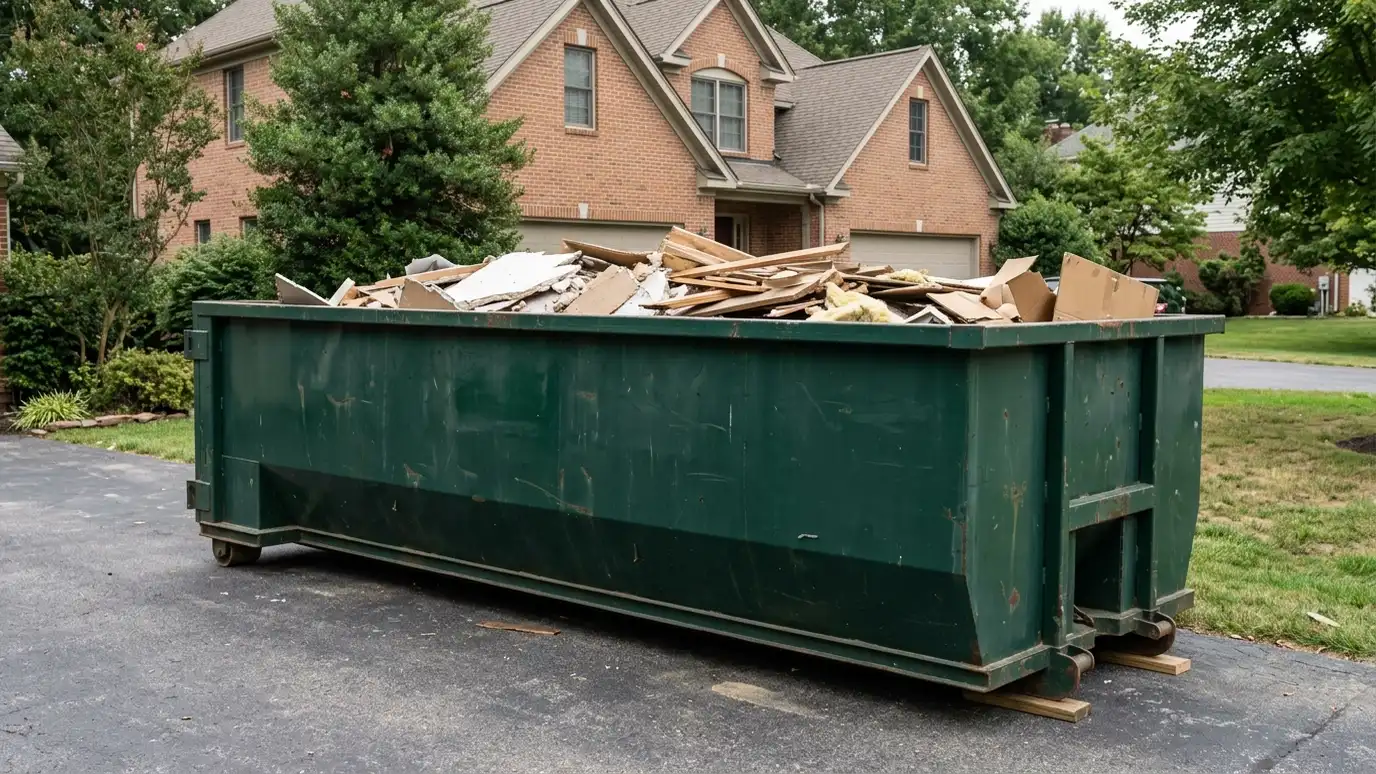 Twenty-Yard DumpsterTwenty-yard roll-off dumpster rental for large remodels, roofing, whole-room demolition and big cleanouts, the most popular size for…Explore
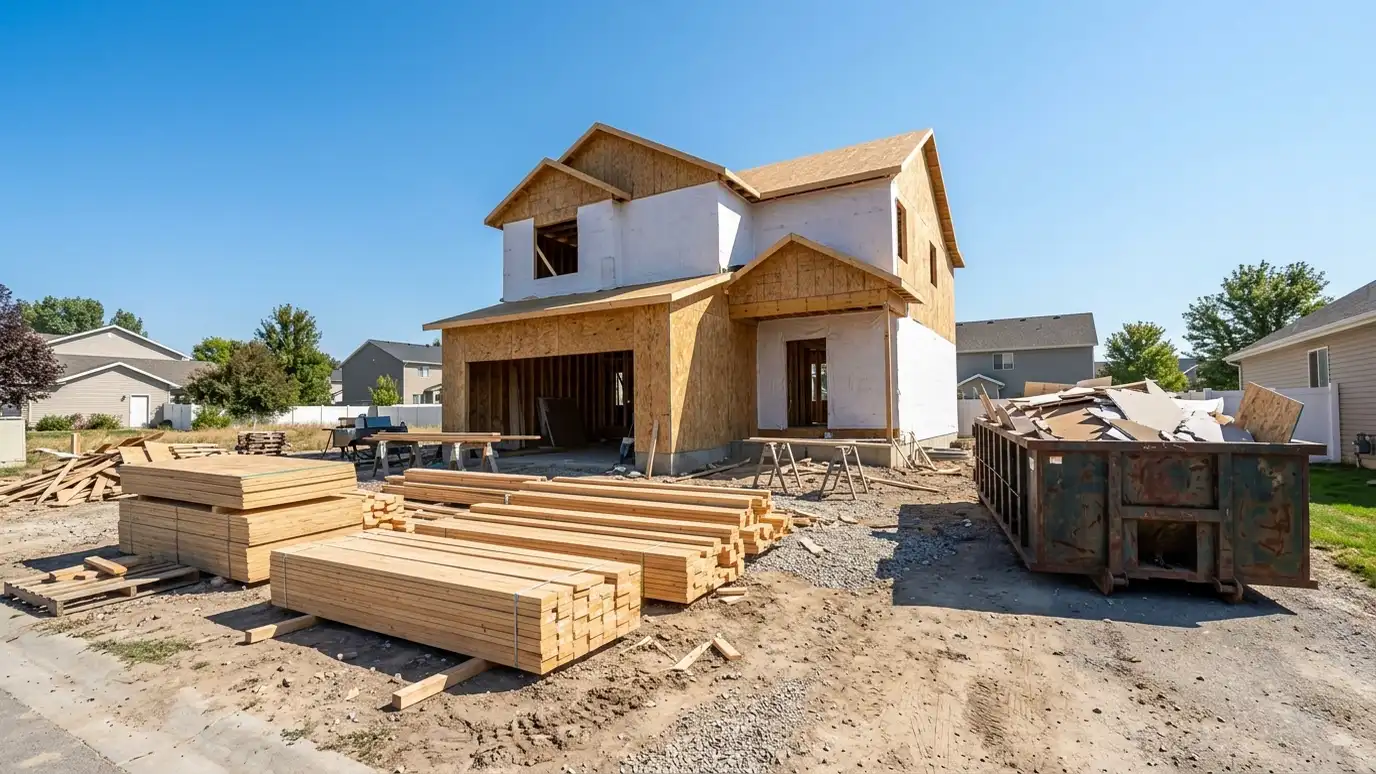 Construction Site DumpstersConstruction site dumpster rental that keeps a jobsite clean, safe and on schedule, with sizes, swaps and placement…Explore
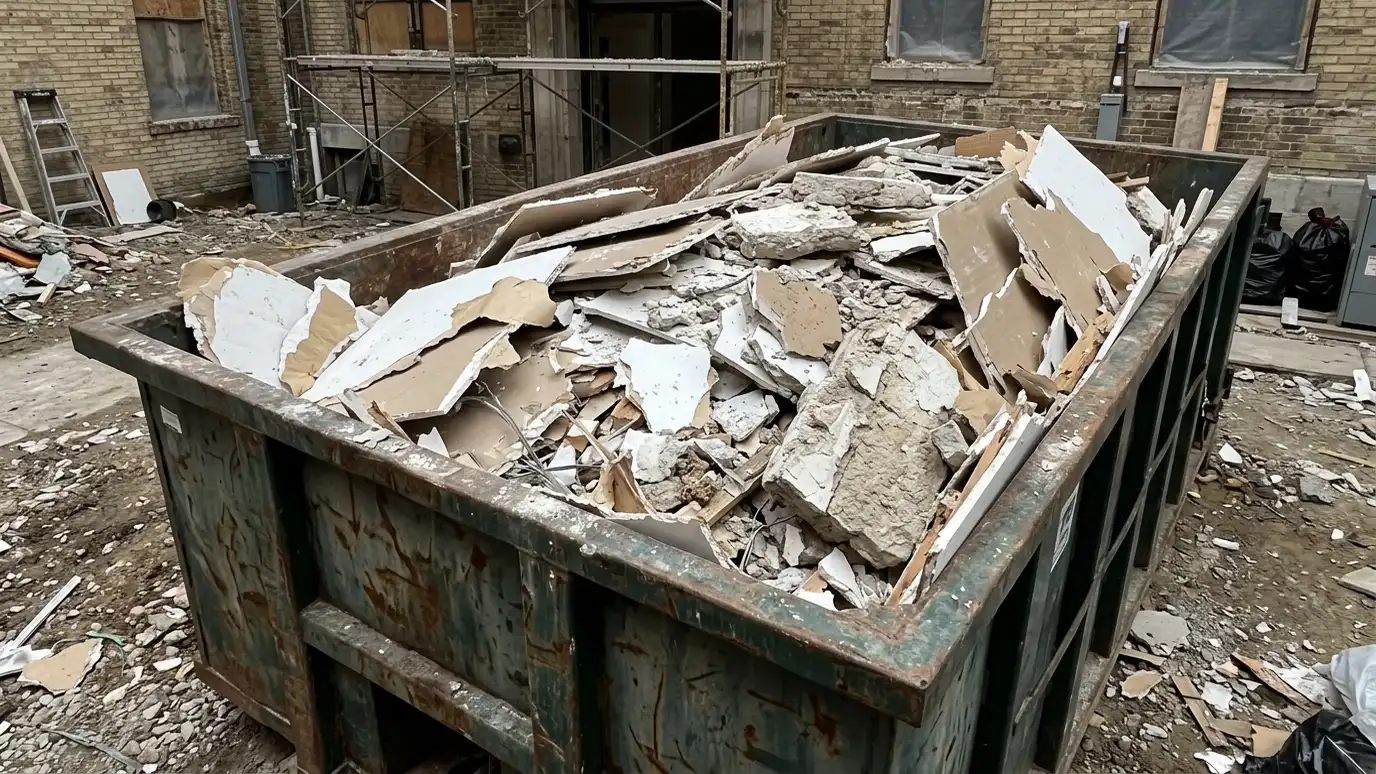 Drywall and Plaster DisposalDrywall and plaster disposal for sheets, scraps, lath and old plaster walls, with notes on weight, water and…Explore
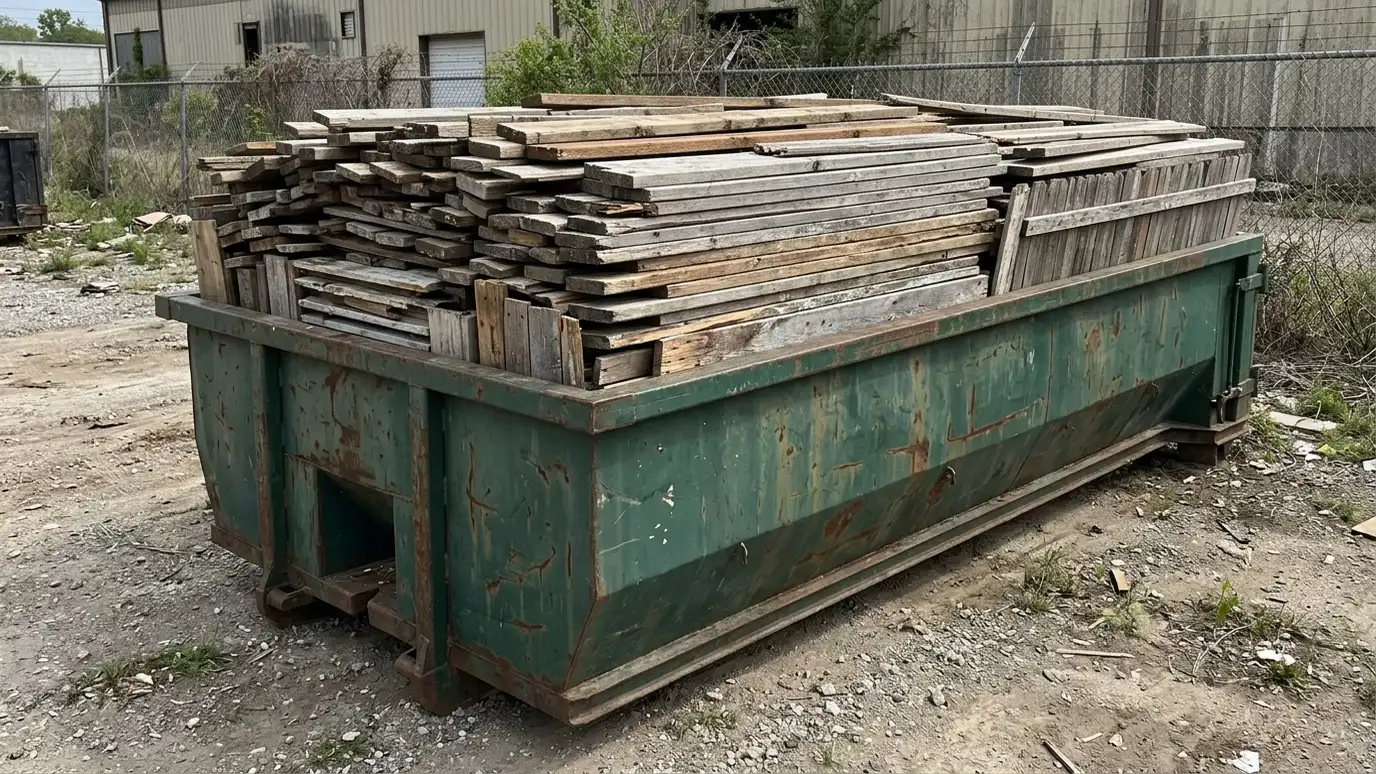 Wood and Lumber DisposalWood and lumber disposal for scrap framing, old boards, fence panels, pallets and trim, with tips for cutting…Explore
Tell us about your project and we will call you back to set up delivery.
Or call (615) 357-7797 to talk now.